

What Are The Steps To Become A Graphic Designer?
There was a period when graphic designers could be employed solely on the basis of their artistic portfolio. But today, most companies are looking for career seekers with a fuller and well-rounded experience – the sort that only a design school will offer. A field diploma or an associate’s degree might be appropriate in certain situations, although it is estimated that designers are far more likely to get a Bachelor’s degree.
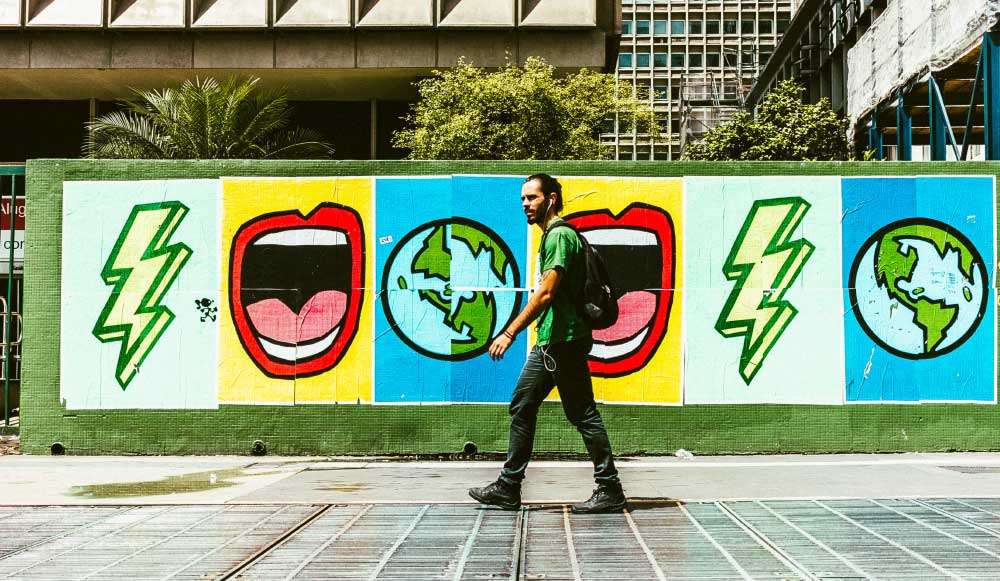
What Are The Steps To Become A Graphic Designer?
The best way to become a designer
Online education has become increasingly popular. Students wish to learn a new skill and want to juggle it with their school and work life. Blue Sky Graphics offers an online course in graphic design that has made it possible to learn online at your time and space.
What will you learn?
Fundamentals of design
- Concepts and uses of design components and partnerships
- Modelling applications for lines, colours, textures, curves, values and white space concepts common to most graphic design initiatives
Introduction of typography
- Study in typography – the practise and methodology of the style of arrangement – when it relates to architecture and how it influences context, brand, or personality.
- Apply Basic skills in type types and fonts used in text and logos
- Study of how visual information can be interpreted by the viewer
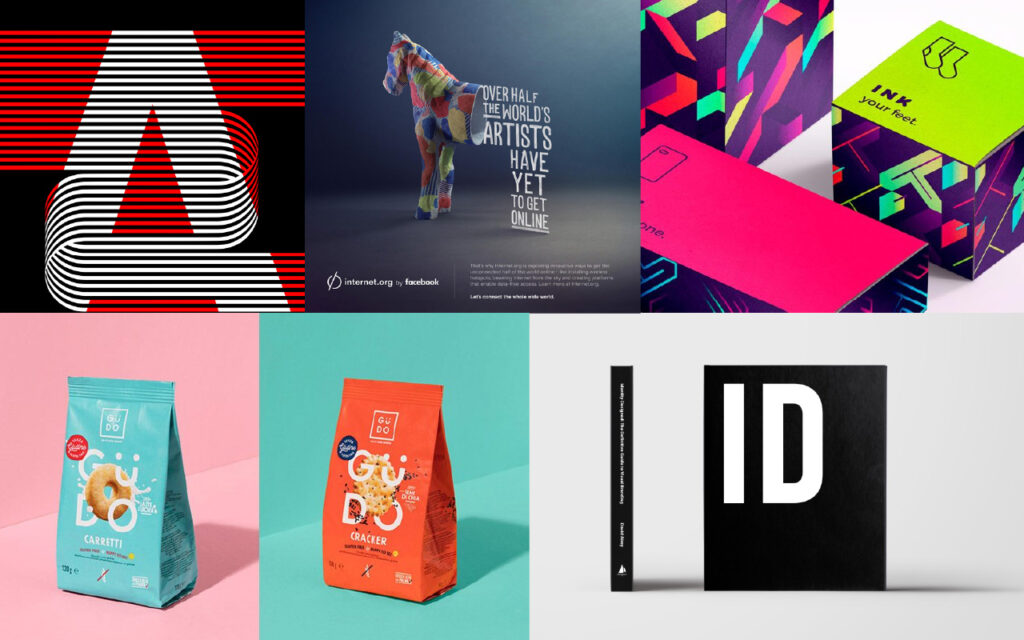
Study in typography – the practise and methodology of the style of arrangement
Colour theory
- Immersed analysis of colour, how it affects cultural or psychological levels, and the consequences of colour experiences
- Colour style focus on paper, internet, multimedia, and hand-held devices
Web design
- Graphic design tools for web and interactive publishing
- Appropriate technical environments and components of routing, accessibility and web best practise
- Top-down interpretation of graphic design practises for multimedia initiatives
- Focus on technology and theory; not on technical programming or interface design applications.
Digital and Paper Production and Ecosystems
- Focus on producing production-ready graphics as well as print and mobile device files
- Hands-on knowledge developing conceptual ideas and producing files utilising industry-standard project management guidelines and design tools
Control in interactive media design
- Advanced course combining print and multimedia approaches for developing and handling visual messaging through a variety of platforms with distinct timelines
- Appropriate guidance for coordinating personnel and monitoring a number of procedures
- Introduction to project management applications and concept creation tools
Graphic artist as an entrepreneur
- Study of Culture, Transition and Contemporary Impacts on Contact Tools
- Approximate emphasis on how to create a profitable company
- Applying ideas and ethical practises to the real world
- Appropriate company, marketing and promotion strategies for design entrepreneurs
Creation of portfolio
The next best thing to do is compilation of previous design experience into an appropriate portfolio, usually a graduation prerequisite for seniors. The design and implementation of a portfolio of projects demonstrates the growth of talents and innovation.

Not all college graphic design programmes need internships, but some that provide students with an excellent opportunity to obtain practical knowledge, develop professional partnerships in the design world, and complete work that is appropriate for presentation in their portfolio or design book.
Compiling Portfolio
Although a good resume is a vital part of any career quest, an outstanding portfolio is the best advantage for anyone searching for a position in graphic design. The only way for a potential employer to consider the skills of the candidate is by a portfolio that demonstrates a range of work and development as a designer.
There was a period when a graphic design portfolio was a straightforward selection of the best newspaper and magazine ads by designers. Today’s professional portfolios are even more sophisticated, comprising not just of newspaper advertising, but even of internet commercials, website graphics, and also TV commercial reel and animation demo.
It is not unusual for job-seekers to present entirely digital copies of their portfolio on CDs or DVDs with them for interviews, along with a more conventional paper edition. Many designers even maintain their own up-to-date page for the product portfolio. For anyone only starting out, it is daunting to offer a vast and diverse portfolio considering the small amount of experience they may have done. These designers should rely on consistency rather than quantities, offering only their best product sketches and a portfolio arranged to suit the unique requirements of the prospective employer.
Tips to building an outstanding portfolio:
Choose the right design sample
Avoid adding everything you have ever made. Instead, choose the pieces you are most proud of, the pieces that reflect your talents and trust.
Include a wide range of work samples
Pick bits that display your variety of talents, from typography to web design to logo design, and more. Include self-initiated jobs, as well as tasks you have done with individual customers.
Contextualise your work
For each piece of work that you have in your portfolio, compose one or two paragraphs outlining the client’s goal and how the concept has reached that objective. Explain the inspiration for the concept and artistic method. Include the accolades earned from customers and explain how the concept has improved promotional activities for your agency.
What kind of jobs do designers get?
Ad agencies, publishers, distribution businesses, service offices, newspapers and journals, TV and film studios are among the future employers of graphic designers. Freelance is also an alternative.
Graphic designers generally have to serve in an entry-level job for one to three years before moving on in the industry. Typeface designer, environmental designer or identity designer can be intermediate phases leading to the rank of chief designer, art director, production manager or graphic design teacher at a post-secondary college.
Specialisation (optional)
Specialisation is definitely not a prerequisite in the world of graphic design. However, designers who want to specialise also recommend focusing on one or more of the following:
1.Typography
2.Desktop Publishing
3.Branding and Advertising
4.E-mail Blasts and newsletters
5.Interface or User Experience Design
6.Web Design
7.Product Packaging
8.Book Design
9.Logos
Successful graphic designers combine key formal understanding of the philosophy of creative expression into a fluency in the use of modern design techniques. These methods are manifold and varied. The graphic designer uses would rely on their field of specialisation.
Stay up to date
Graphic design is a rapidly changing and evolving area. Designers must keep up with the marketing and creative developments of the market; otherwise they can find themselves easily left behind. They must therefore keep up-to-date with modern and modified computer graphics and software design applications that are in a near-constant state of evolution. This is especially true of designers who operate as freelancers and others who are interested in moving to higher roles within their businesses.
Several technical societies, such as those mentioned below, provide tools and services and provide participants with educational updates on emerging technologies, applications or methodology. Vendors in the design industry can often have qualification services related to their software and other items.









