

What Does Digital Art Include?
Virtual artists have many job opportunities open to them. Many of them include the development of visual effects and animated pictures for a variety of platforms, such as videos and electronic games. Digital artists will find jobs with film making, advertisement, video game creation, and app design firms. You use computer software to bring your art to life, whether it’s a painting or a sculpture, in any visual artist job. These can then become 3D, immersive graphics for websites or visual characters, depending on the area. You may choose to specialise in a field such as game design, web design, multimedia, or animation. Whatever sector you want to operate in, innovation is a primary priority.
How to Make a Living as a Digital Artist
A bachelor’s degree in graphic or commercial art or a relevant area, as well as artistic ability, are required to become a digital artist. Although a degree is not needed, this is a competitive field, so formal preparation can help you strengthen both your resume and your portfolio. You can also keep up to date with emerging creative and animation technologies. If you can’t convert your creative abilities from pen and paper to a painting tablet, the digital art environment can be challenging. An internship in your desired profession is a perfect opportunity to obtain real-world exposure, hone your talents, and create business contacts. You can learn graphic design online through Blue Sky Graphics online graphic design course.
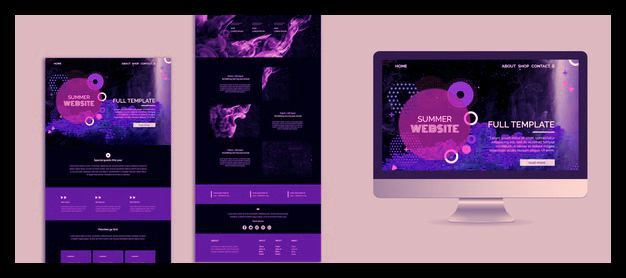
What Does Digital Art Include
What Applications Do Digital Artists Use?
Digital musicians utilise a wide range of software applications. This can vary depending on the specialty, although the most popular are found in the Adobe Creative Cloud. Adobe InDesign may be used to layout print designs such as brochures, ebooks, banners, and magazines. Photoshop is a popular photo-editing software that can be used to enhance your artwork. Adobe Illustrator, on the other hand, is the most popular application for 2D graphics. This is the area where you can really sketch and draw the bits. Harmony and Maya, which are not part of the Adobe Creative Cloud, are used for 2D and 3D animation, respectively, if you work in animation. The programme needed adjustments with the market, much as your duties do.
What Is the Distinction Between a Graphic Designer and a Visual Artist?
There are many distinctions between digital artists and graphic designers. Although there is some variation, a digital artist focuses on painting first, whereas a graphic designer focuses on delivering a message first, utilising various fonts, visuals, photographs, and, in some instances, music. A graphic designer frequently works in ads or with companies making layouts, and their roles involve producing posters, print projects, newsletters, and social media while having the target group in mind. Knowing your audience affects your colour, design, and picture choices for the project.

Example of a Digital Artist Job Description
You will get a clear sense about what companies are searching for while applying for this role by reviewing this Digital Artist work listing preview. But keep in mind that every employer is different, and each will need different credentials when hiring for a Digital Artist job.
Tablets, Touchscreens, and Styluses as Digital Art Tools
Your instruments are the starting point for exploring the limitless field of visual art. When making visual art, artists at all ages have access to a plethora of tools such as smartphones, touchscreens, styluses, and more. Have no doubt if you find it daunting. This is a natural sensation. The sheer amount of products available on the market can be overwhelming for everyone. Prices differ, and doing something on the market is challenging. Making choices will therefore be complicated.
And going there can be challenging. When you’re only starting out, it’s impossible to project what you’ll need. Knowing what can help the workflow and what you will not need are important questions to pose. Each choice accumulates over time and has an effect on your bank account. You don’t want to deplete your wealth or overburden your toolbox right away.
The first move in narrowing the choices is to consider what you are studying. The simplest cuts are made because you realise what would not be needed. You don’t require a video editing software or the gadgets that come with it while you’re making digital cartoons. Although, of course, this is a no-brainer. In order to really decide your desires, reach out to the world. If you meet some other creatives, solicit their input. They might also have some software available for you to use before you purchase.
However, in the end, the decision is yours. Choose what works well for you and how much it contributes to the creation of your art. Whatever you decide, do yourself a favour and don’t go crazy at first. Starting with a small amount of equipment to operate with. This will develop into a formidable art arsenal over time. However, if you want to stop making needless transactions, restrict your options to only a handful at first.
Learn to Create Digital Art
Digital art is the product of ever-changing technologies. Digital art has been a common subject in discussions regarding the contemporary art landscape over the years. Although there has been some pushback from traditionalists in the art world, modern art reflects advanced works spanning from 3D model animation to paintings.
Aspiring creatives now have more opportunities to learn and develop. Students will learn to create comics, caricatures, shading tools, and even frame-by-frame editing in classrooms and online. This visibility allows for more individual artistic experiences to shine through. Creatives will continue to bring their concepts and works out to the public faster than ever before through access to a range of resources and courses.
This is a contentious issue, and the demand for classical art will never go away. However, multimedia can only grow in popularity, as will access to art resources and channels.
With advances in mixed and virtual reality, now a ride to the museum can be done digitally. This makes the concept of its supremacy relatively simple to grasp. Furthermore, the growth in human views is aided by a related rise of multimedia exhibits. These works, called “net art” at times, have gradually evolved from a niche movement to an acceptable art style.
This has sparked some discussion in the internet on what exactly constitutes art. Much of the discussion, as with digital music creation, is focused on your perception of how physically active the performer must be in the process. However, since art is entirely subjective, the claim may be debunked. And there’s the issue of art’s need for some loose framework to describe each art type. In brief, the debate is unlikely to be resolved too soon.









