

What To Learn To Become A Graphic & Web Designer?
Every day, we come into contact with graphic design. Graphic artists build storyboards, work in advertisement, game design, animation development, and print media. Graphic artists are employed by companies to develop blogs, brochures, and logos. Graphic design work progresses and develops in tandem with technological advancements.
How should one go about being a graphic designer? What subjects do graphic designers study? How can you keep current in a diverse and ever-changing career? This guide looks at how to get into graphic design and what you need to know to function in this diverse sector.
How Do I Become a Graphic Designer?
Graphic designers in the printing industry produce an aesthetic, visual representation of meaning for advertisements, brochures, and marketing messages. Others function as part of a squad, and others work individually. Text, image, animation, and website design are all created using sophisticated software systems by digital artists.
Learn graphic design online through Blue Sky Graphics online graphic design course.
Graphic artists must work long hours in order to reach deadlines. Graphic designers who work for themselves also have to work flexible hours, including weekends and evenings.
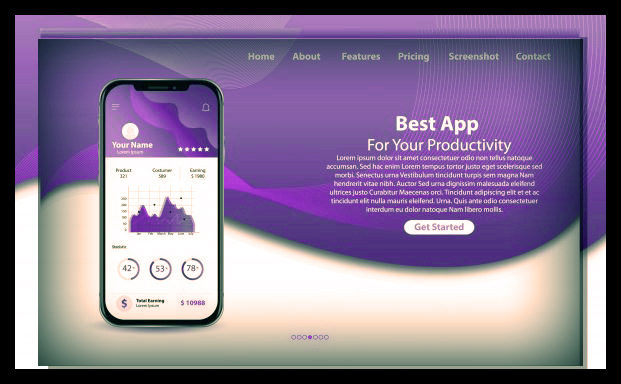
What To Learn To Become A Graphic & Web Designer
Customer support and customer loyalty are important for a graphic designer’s success. Designers must often regularly bid on contracts, advertise themselves, and develop and retain client partnerships.
How Do I Become a Graphic Designer?
Graphic design courses will help you set a good base for your potential career. Understanding graphic design philosophy and the ideas upon which it is based allows you to act creatively, using simple rules to carry your imagination to life. Later on, you’ll learn how to utilise the most up-to-date interface tools.
While YouTube videos will teach you how to use the new technologies, graphic design courses will teach you basic concepts or foundations that are challenging to learn online.
This short list of courses will assist you with developing your fundamental concepts so that you can grasp design values.

Foundations in Architecture
This course covers the core theoretical building blocks of graphic design. You’ll hear about concept applications and how to use it for animation and design. You’ll even have a crash course on desktop printing.
Illustration in digital format
This course will help you learn how to explain using a screen. Instead of using paper and pencil, you’ll learn how to draw using computer tools. You can learn the skills and strategies needed to build storyboards, logos, mascots, and thumbnails.
Production in Digital Media
This concentrates on the multimedia elements of architecture. You research visual effects, animation, and how to create immersive projects while learning to use authoring tools.
Career Advancement
Learn the personal and technical skills needed to pursue and retain a career as a graphic designer. Discover how to sell yourself, create a resume, and conduct interviews.
Portfolio Growth
Your portfolio is your showcase as a graphic artist. Learn how to develop, customise, and edit your portfolio from an industry expert. This guarantees that by the time you’re able to look for work, you’ll have a fantastic portfolio to show prospective employers.
How Do I Become a Graphic Designer?
The sooner you begin to train your eye or expand your design skills, the better. Working in graphic design necessitates an aesthetic eye as well as the capacity to transform innovative thoughts into tangible or realistic performance.
Art history, creative art, digital design, and website design classes in high school also help you develop the skills required to work in the design industry.
The more acquainted you are with philosophy, strategy, and software capabilities, the more prepared you would be for a career in graphic design.
The Advantages of a Tertiary Education
After obtaining a graduate degree, it is always simpler to find quality employment in the architecture industry.
While a portfolio will highlight your ability or imagination, a degree will provide you with a comprehensive and well-rounded experience that will provide you with a wide variety of skills as well as an appreciation of the fundamental fundamentals of architecture.
Using these concepts would enable you to create one-of-a-kind designs that can change with the trends.
The Downsides to a Tertiary Education
Going to university to get a degree is also prohibitively costly. It therefore consumes a significant amount of time and income opportunities.
Learning how to use design tools will also be a self-taught way to work for a future in graphic design for those who do not have the financial means for a graduate degree or who may work immediately after school in order to live.
Adobe Illustrator
Illustrator is a widely recommended Adobe Creative Suite application to learn. Illustrator may be used to build illustrations for the online and print.
It’s simple and quick to use, and after you’ve mastered it, you can switch your talents to other applications like InDesign or Photoshop. This will allow you to work on more advanced projects in the future.
If you’ve mastered the fundamentals of Illustrator, you’ll be able to use it for a wide variety of illustration ventures.
Experienced programmers frequently can not use the software to its maximum extent, because it has so many choices that even with years of using it, there are still fresh ones to consider.
Some roles, though, are less essential than others. You may only need these resources once or twice.
Training to navigate the fundamentals, like other talents, would provide you with what you actually need. When working in Illustrator, concentrate on the software and functions you’ll need to finish your creation. If you’ve learned the essentials, you will progressively develop your talents (as you need them). However, it is better to begin by knowing what you would most definitely need to use.
Learn about typography as well; just knowing how to organise graphics is insufficient. You must grasp typographic concepts and how to use fonts. For eg, when designing a wedding invitation, you can almost always use handwriting fonts.
Pay special attention to how to set up print and online records.
Illustrator is suitable for designing both print and online graphics. Understanding how to set up all documents allows you to plan for the intended medium, resulting in the best performance.
These two texts have fundamental variations that are dependent on how people see them. This has an effect on their settlement. Print graphics are set to 300—I, while online graphics are set to 72dpi.
Colour use differs in online and print graphics. The colour formula CMYK is used in print graphics (Cyan, Magenta, Yellow and Black). RGB is used in web graphics (Red, Green, and Blue).
Choosing a template medium (web or print) grants you creative influence of the text or illustration.
Once you’ve completed your project as an online or print-based text, you must learn how to save it in the proper format. Print documents are typically stored in PDF, EPS, or Ai format, while online graphics are typically saved in JPG or PNG format.









