

What Are The Types Of Graphics?
Until going into designing, formatting, and adding graphics, understand the styles and their purposes. In your prose, you can use graphics to reflect the following elements:
Objects—If you are discussing a fuel-injection scheme, you are going to need a sketch or a diagram. If you explain how to graft a fruit tree, you will need some examples of how it is done. Photographs, drawings, diagrams, charts, and schematics are the kinds of graphics that display objects.
Concepts—If you want to demonstrate how the business is structured, such as the relationship between the various divisions and administrators, you might put up an organisation map, which is boxes and circles linked to lines indicating how it is hierarchically ordered and connected. This will be an example of a philosophical graphic; this style illustrates non-physical, conceptual things and their interactions.
Language—Graphs may be used to represent words. You have probably seen how some textbooks could place primary meanings in a box, maybe with different colours in the background. The same may be achieved with key points or with expanded illustrations.

What Are The Types Of Graphics
Creating Accessible Graphics
Graphics is a vital way to reassure and educate the viewers, so you will want to make sure that everyone will profit from them. If, for example, you have not written the old text for your images, anyone using a screen reader does not recognise it.
Choosing the wrong colour palette will make it impossible for someone who is colour-blind (or looking at the content in black and white) to appreciate the graphics. Choosing a colour that negatively correlates with another culture can often give readers a negative opinion of the graphics.
What are the primary forms of graphics used in marketing?
The styles of graphics that businesses use for the above reasons vary from the UI and UX interface elements of their webpages to the images they use in visual and physical media. Graphic components fall into two broad categories: raster graphics and vector graphics.
1. Visual identity graphic design
In this group, we have labels, symbols, typography, and colour palettes—in other terms, graphic design features visually identify products at the fundamental level.
2. Motion Graphics
Motion graphics typically indicate animation video and voiceover and associated captions, but they can also apply to smaller-scale material.
Google’s official YouTube channel contains a wide catalogue of motion graphics to illustrate nuanced, technically dense topics such as password protection and the development of administrator positions.
The styles of graphics that businesses use for the above reasons vary from the UI and UX
3. Marketing graphic design
Infographics, slide decks, posters, brochures, and advertisements all fall into this wide category, encompassing any graphic design used for advertising and marketing purposes. These assets are suitable for dissemination through various platforms, from email promotions to blog posts.
4. UI Design/UX Design
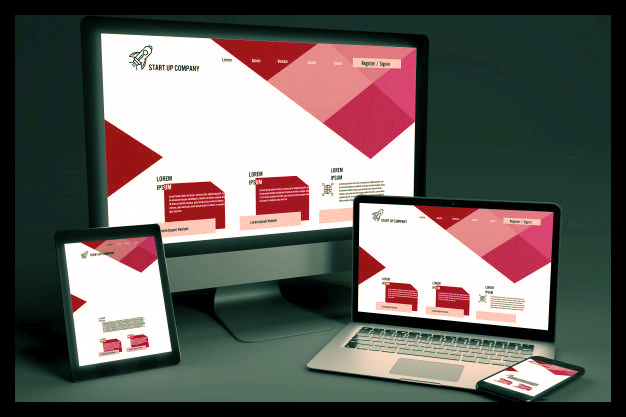
The UI architecture defines the basic interfaces by which someone communicates with a website or app. Meanwhile, UX architecture applies to the holistic experience they have during these experiences (e.g., is the UI simple to use?). UI designers need to ensure that all interface features are easy to use and recognise, and accessible to the regular user. They also use findings and evidence from past interface implementations to construct a better problem-solving template for the future.

5. Packaging design
The actual packets in which the materials come in are not, of course, strictly mechanical. They are also opportunities for visual contact and branding.
Creating on-brand, unforgettable packaging involves transforming the branding of an organisation into the real world. This process typically begins with artists making mockups and print-ready assets in a vector graphics editor like Adobe Illustrator.
6. Environmental design
Environmental graphic design, or EGD, is a multidisciplinary area in a design. The disciplines of graphic design, engineering, sculpture, lighting, landscape, and other regions are used to optimise customer experience by the visual translation of concepts through a designed environment. These developments within the project are conveyed across a wide variety of applications and strategies, which take the form of signs, identity, mega graphics, art installations, and the strategic use of colour, to name a few.
The EGD principles and application within the project make the discipline fascinating and diverse, yet also quite difficult to describe neatly.
7. Publication design
Newsletters, magazines, periodic papers, catalogues, books, and more are ways of publishing design. This design style can combine illustrations, photographs, and advertising with the chosen typography and colour palette of the brand.
8. Advertising design
Advertising design is the most common form of advertising. There is almost always a team of visual art directors, creative directors, and graphic designers supporting any simple marketing picture.
Previously, advertising graphic design concentrated mainly on print advertisements: newspaper ads, banners, posters, brochures, etc. Graphic designers have found many groundbreaking approaches for getting to the core of the issue suitable for websites, social media, and email advertisements alike. Still, more so than ever, more creative approaches are taken to outdoor campaigns such as geotargeted digital sticker campaigns.
9. Publication graphic design
This style of graphic design focuses mostly on publishing: novels, magazines, newspapers. Publication artists focus on layouts, covers, and additional graphics appropriate for the material they reflect and express the storey and sound of the author’s voice or publication. They still have another crucial role, which makes the layout easy to read and focuses on the most important elements.
Book covers and magazine covers are some of the most striking examples of the talent and creativity of editorial graphic designers. Besides possessing the creative skills required to produce an aesthetically appealing and successful image, they will need to know and appreciate print design and colour handling, whether they work in hard copy or digital printing.
Graphic Design
Graphic design is a straightforward communication of meaning, advantages, and motives to believe in the good, service, or technology of a company. Graphic design is the invention of graphic messages that communicate with a particular target audience with the aim of creating visibility, shaping expectations, increasing market share, and enhancing brands.
Blue Sky Graphics offers the best quality online content to advanced coaches in real-time if you wish to learn graphic design. For our online training classes, such as communications, graphic design, and digital marketing, our goal has always been to have the same learning environment as our conventional classroom courses.
Interactive online courses
In our online training classes, you study and engage with the industry’s specialised faculties, equivalent to the physical classroom course. Our experienced mentors are readily available to describe the course in more depth, answer your questions and provide you with an individualised learning schedule as you advance through the course.
Online training modules developed by business leaders will give you knowledge of real-life problems and improve your expertise in line with the needs of the business world.









