

Is A Graphic Designer A Good Job?
Graphic design is not suitable for everyone but if you take the right steps to learn it, the same profession can prove to be lucrative! Every day, graphic designers call for criticism. Graphic designers require thick skin, excellent coordination, intellect, insight, imagination and technological ability. They are doing a lot more than “making it beautiful” or “laying around and drawing all day.” They sincerely offer a face to your business, a sound to your web page, and do our utmost to build items to recall, whether nostalgic or business. Our mission remains united: to render the world a more aesthetically appealing, correctly spelled, well-marked location and to show the world that becoming a great designer does not happen in the blink of an eye.
What is Graphic Design?
Graphic design may encompass a broad variety of commercial artistry, but more commonly applies to the application of design to items like printed products, business labels, logos, advertisements, site templates, social media platforms, and stuff most people never notice but watch every single day.
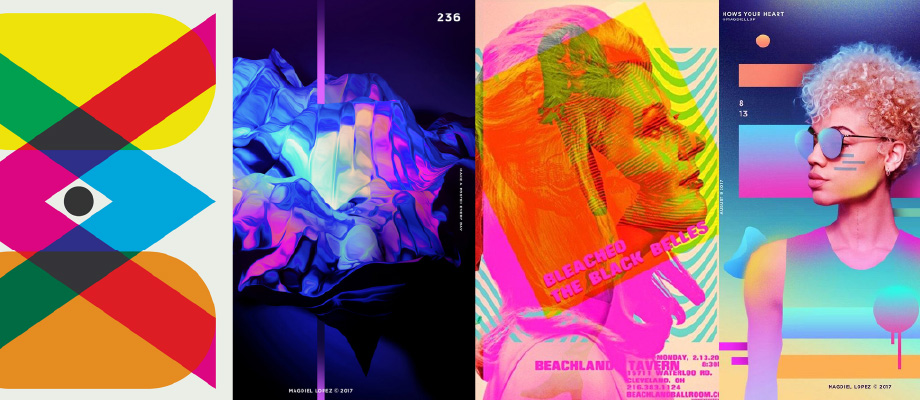
Graphic design may encompass a broad variety of commercial artistry
Everything like food labels, poster designs, and about anything you look at on a regular basis that includes graphics and terms coming together (and often either one or the other) is designed by a graphic artist. Anything from the lovely clothing sticker to the brochure at the dentist’s office—and everything in between is graphic design.
How to enter the field of Graphic Design?
The best way to do so is to learn graphic design from a design school like Blue Sky Graphics. You can complete the graphic design course online and obtain a certificate towards the end as well.

What is Graphic Design Like As a Job?
Designers become designers in a variety of respects. Not all of them have been attracted to art from day one. Graphic design is generally taught through requirement. You need a poster for your company or your kids’ bake sale, and all of a sudden, you are picking stupid fonts, photos, and colours, attempting to make the design appear presentable. (Although most experienced designers seldom use a template!)
Graphic design is a career in problem solving and organisation.
Graphic design is a form and a feature that works together. It may sound like a cliché, but it is a recipe for success. Form is one half of what an artist does, they produce or select images that convey a tale. This could be by means of great photography or illustration, iconography, colour, form, or some mixture of these elements. In addition to design aesthetics (or “pretty” things), they are often asked to send the message that our client wants to send.
While you see graphic design as a profession where the time is spent creating beautiful stuff, most of the time is spent organising material, testing margins and specifications, and analysing data. It is important to choose the right typeface that is readily readable but complementary to the look and feel of the overall composition. Choosing the best fonts to view is much more important.
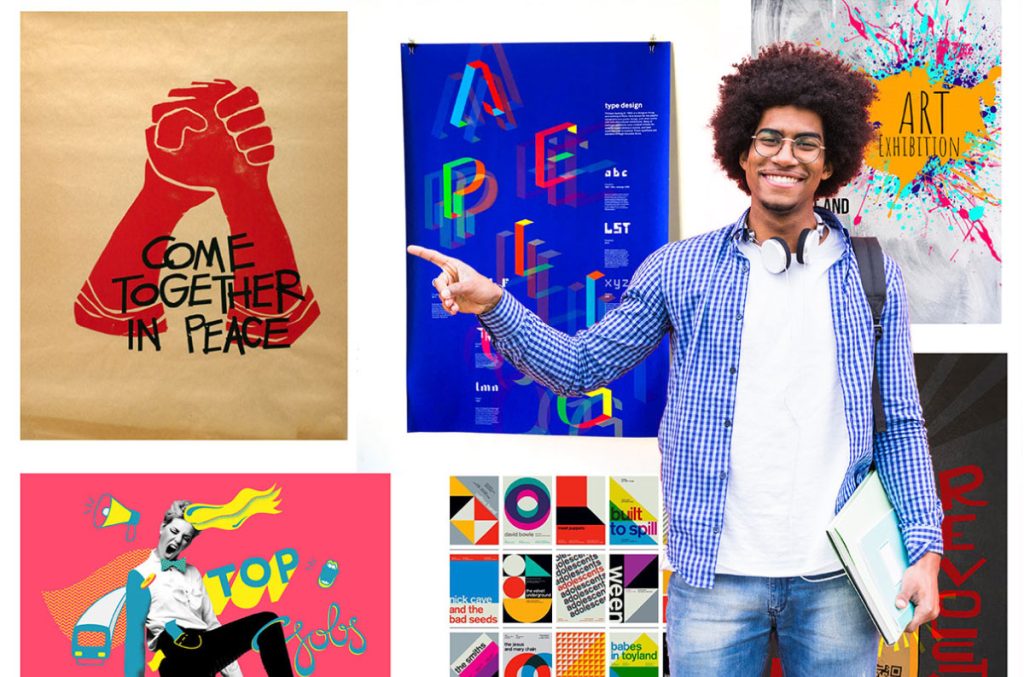
While you see graphic design as a profession where the time is spent creating beautiful stuff
Inexperienced programmers frequently overcompensate for bad typography decisions, yet fail to pay equal attention to such aspects as line spacing, kerning (letter spacing), margins and gutters, widows and orphans, syntax, pronunciation, spacing, and overall layout structure. These objects are crucial, because these style elements are what distinguish the beginner from the pro.
What are the different types of Graphic Design?
Graphic designers sometimes do a variety of jobs, but often they are extremely skilled in a particular field. Work access may usually be regional, as some extremely skilled positions will not be accessible in some regions, whilst some career paths may be more flexible. A good example of this would be a print designer versus a video game designer.
If you live in a remote region with two print shops and zero video game developers, you can need to move to pursue your dream career! However, if you are a web designer, you will practically function on a web link from everywhere. Your customers will be everywhere in the country, and you have absolutely no limits.
Print:
Print design can span a wide variety of products, and like box design, it has its own specialties within the genre. There are visible printed materials, such as business cards and stationery, brochures and flyers. But there are other printing specialities such as thermography (raised ink), flexography (usually for plastic stretching but often used for paper), letterpress printing, embossing, bracing, and die-cutting—all the marvellous applications that get artists enthusiastic about work! Print is definitely worth trying.
Branding:
The emblem is just a minor aspect of the branding. It can also be said that design is just a small part of branding, even though it is a very enjoyable part! Branding design specialty covers items like emblem, colour scheme, mood board development, branding criteria creation, etc. Branding offers a company a voice—and it is not only a name, it is a whole consumer experience. Designers are going to assist with the look and sound of a company.
Art Direction:
Art direction and artistic direction can have a crossover with branding roles, but they also include the direction of several ventures at once. Typically, the marketing director oversees the internal branding of a design company, plus the product management or artistic development of clients inside the firm. Art directors often only oversee a single brand. Again, this role can be somewhat varied, but the director is usually a decision-maker, spending less time running and more time managing whole programmes.
3D:
3D can involve character and asset creation, or character modelling and texturing, as well as artefacts required in 3D applications. Clothes, guns, decor, and environments are all things that someone has to create; 3D models will do this fun job. Anything from wireframing to making the outline of an entity, as well as mapping textures that bring the wire frame to life, is a 3D designer’s application. Not just artefacts, but also ecosystems may be built. 3D modelling is also seen in numerous other non-gaming uses. Think about construction, mapping technology, interior design, among other fields that 3D uses. And now, with the implementation of 3D printing, the work possibilities are limitless.
Package Design:
This one should be self-explanatory, yet again, if you ever think about a career in the industry and need some space to dream about, think of the countless products that you encounter in a single day. It includes packaging supplements, design and packaging of office supplies, cosmetic packaging, packaging of clothing labels. You get the idea—package design is all over the place, and it can be interesting! Specialties in this area can be much more fun—think about stuff like beer and tobacco bottle design, exquisite wine labelling, food packaging, clothing packaging, and the thousands of products you find in supermarkets.









