

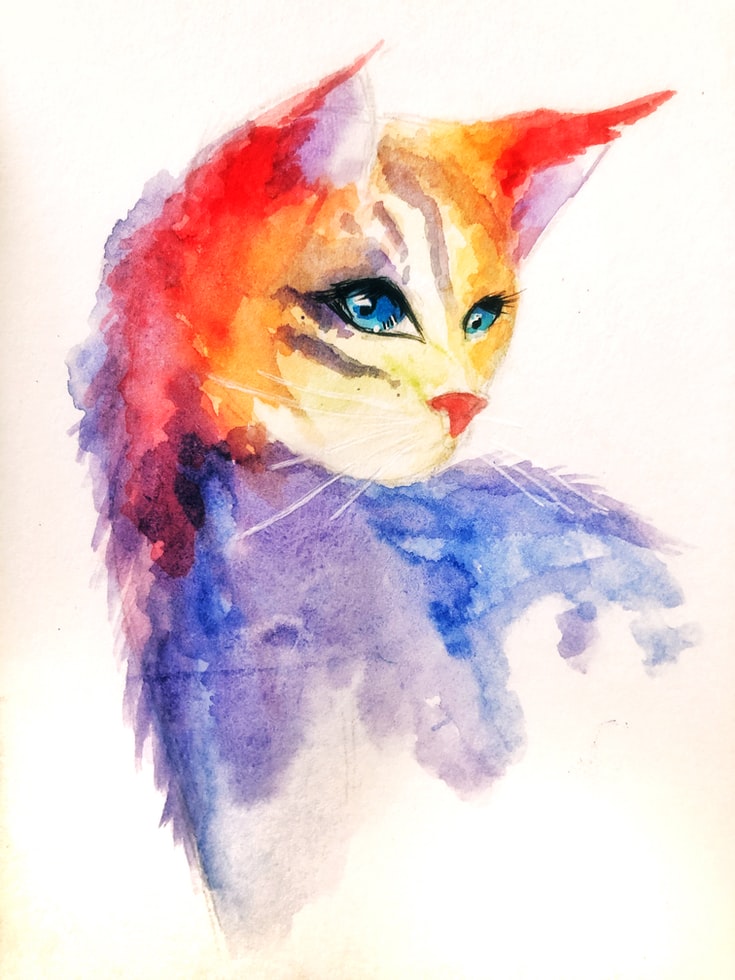
What’s the best reason to major in graphic design? Graphic design is a vast and versatile field that offers opportunities for creative expression in many different forms.
Graphic design is a vast and versatile field that offers opportunities for creative expression in many different forms. Graphic designers may work in advertising, web design, publishing, or corporate communications, among other fields. No matter where they work or what they create, all graphic designers share a common goal: to communicate a message through their art.
Types of design: Graphic design encompasses a wide range of specialities, including print design, web design, and motion graphics.
Graphic design is a vast and versatile field that incorporates a variety of specialities. One of the most common specialities within graphic design is print design, which focuses on the creation of materials such as magazines, brochures, and posters. Another popular speciality is a web design, which involves creating and maintaining websites. While both print design and web design utilize graphics and layouts to communicate ideas, they require different skillsets and often use different software programs.
Principles of design: The basic principles of graphic design are composition, balance, emphasis, contrast, and unity.
A well-executed graphic design project is both a thing of beauty and a functional tool. But, what makes a great graphic design? The answer lies in the basic principles of graphic design. Composition, balance, emphasis, contrast, and unity are the essential tenets that guide all successful graphic designs.
When the composition is used effectively, it guides the viewer’s eye through the design in a logical manner. Balance ensures that the elements of the design are evenly distributed and create a sense of stability. Emphasis draws attention to specific elements in order to communicate a message. Contrast creates visual interest by juxtaposing opposing elements. And unity ties everything together by creating a sense of cohesion among all the elements.
By understanding and applying these basic principles, you can create stunning and effective graphic designs that will grab attention and convey your message loud and clear.
Tools of the trade: Graphic designers use a variety of software programs and tools to create their designs.
Tools of the Graphic trade designers use a variety of software programs and tools to create their designs. Inkscape is a vector graphic design program that is used to create illustrations, logos, and icons. Adobe Photoshop is a photo editing program that is used to edit and enhance digital photos. Adobe Illustrator is a vector drawing program that is used to create illustrations, logos, and icons. These are just a few of the programs that are used by graphic designers.
Methods of communication: Graphic designers use their designs to communicate ideas and information to their audiences.
Graphic designers use their designs to communicate ideas and information to their clients, the public, and other graphic designers. Graphic design is a visual communication tool that can be used to persuade, inform, and entertain. There are many different methods of communication that graphic designers can use to get their message across. Some of these methods include using text, images, colour, typography, and layout. Graphic designers must be able to select the right method of communication for the message they are trying to deliver. They must also be able to create a design that is effective and appealing to the target audience.
Career opportunities: There are many different career paths available for graphic designers.
Graphic designers have a vast array of career opportunities available to them. They can work for advertising agencies, design studios, and corporations, or they can start their own business. Some of the job titles that a graphic designer may hold are art director, creative director, graphic artist, and web developer.
The most important factor in choosing a career is finding something that you are passionate about. If you enjoy being creative and working with computers, then a career in graphic design may be perfect for you. There are many different specialities within the field of graphic design, so you can find one that matches your interests and skills.
The demand for graphic designers is high, so there are plenty of job opportunities available. The Bureau of Labor Statistics predicts that the field will grow by six per cent between now and 2020.
Graphic design is a fascinating and rewarding field that offers many opportunities.
There is no doubt that graphic design is an interesting and rewarding field. It offers many opportunities for creative expression, as well as the ability to communicate with people from all walks of life. Graphic designers are able to use their creativity and artistry to create logos, advertisements, and other marketing materials that can reach a wide audience. In addition, graphic designers often have the opportunity to work on a variety of different projects, which keeps things interesting and challenging.
What is design language?
Design language can be defined as the process of communication through which a designer can share his or her ideas with a client or team. It is a system of symbols, shapes, and colours that allow designers to create a visual system for their projects. Design language can be applied to any type of design, from logos and branding to interface design and web design.
What is the difference between a design language and a software interface?
One of the most important aspects of user experience is making sure that your interface is easy to use. But what makes an interface easy to use? And how do you design for usability? In this article, we’ll explore the difference between a design language and a software interface, and we’ll discuss some tips for designing user-friendly interfaces.
A design language is a system of conventions that helps designers create visually consistent user interfaces. A software interface, on the other hand, is the part of the software that users interact with directly. It’s the layer between the user and the underlying code.
When designing an interface, it’s important to keep in mind the different types of users who will be using it. You need to make sure that your interface is intuitive and easy to navigate. Here are some tips for creating user-friendly interfaces:
1. Focus on the big picture and not the details. If a user is unsure about how to use an interface, he or she will become frustrated and click away. This is why it’s important to get a broad overview of your design before you start creating actual interfaces.
2. ʺDonʹt makes a user click for action. Instead, allow the user to do it for you. ʺ This is also known as the ʺcommand pattern. ʺ For example, take the Facebook button in Figures 1-2.
What are some of the major design languages in the market?
Design languages are important to understand as a designer. They can help you communicate with other designers and also allow you to create better designs. In this article, we will explore some of the most common design languages used today.
What are some of the pros and cons of using a design language?
A design language, sometimes also called a design system, is a collection of rules and guidelines that help designers create interfaces that are visually consistent and on-brand. While there are many pros to using a design language, there are also a few cons to consider.
One pro to using a design language is that it can help make designs more consistent. This is especially helpful when multiple people are working on different parts of the same project. A design language can also help ensure that designs stay on-brand and look like they belong together.
Another pro to using a design language is that it can make designs more organized and easier to understand. When all the elements of an interface follow the same set of rules, they are easier to navigate and use. This can be especially helpful for users who need to use your interface regularly.
How does a design language work?
The design language is about creating a system that can be used to design a product. It’s about creating a common ground for designers and engineers so that everyone speaks the same language. By using a design language, you create a more efficient process because everyone understands the goals and constraints of the project.
Can I use a design language for any kind of project or only for web projects?
CSS (Cascading Style Sheets) is a style sheet language used for describing the presentation of a document written in a markup language. A style sheet is a collection of rules that tells a web browser how to display a document written in HTML or XML. CSS is used to style all HTML tags, including the document’s body, headings, paragraphs, and other pieces of text. CSS can also be used to style the display of table elements, grid elements, and images.
What are the benefits of using a design language?
Design languages are a key part of designing and developing software. They allow designers and developers to communicate their ideas to each other, and they help ensure that the final product looks and works the way everyone expects it to. There are many benefits to using a design language, including the following:
1) Design languages help ensure consistency across a product’s user interface. This makes it easier for users to learn how to use the product, and it makes the product more visually appealing.
2) Design languages can help speed up the design process by providing designers with ready-made patterns and components that they can use in their designs.
3) Design languages can make it easier for developers to understand how a product works and how they should go about coding it.
What are the drawbacks of using a design language?
There are many benefits to using a design language, such as improved communication and increased consistency. However, there are also some drawbacks to using a design language. One potential drawback is that it can be difficult to learn and use correctly. Additionally, using a design language can constrain your creativity and make it more difficult to come up with innovative designs.
Is there a “right” or “wrong” way to use a design language?
Design languages can be helpful when used correctly, but they can also be harmful when used incorrectly. A design language is a set of guidelines for how to create and format designs. When these guidelines are followed, designs look consistent and professional. However, when designers start using their own rules or ignore the design language altogether, designs can look unprofessional and confusing. In the worst-case scenario, this can lead to a complete mess where it is difficult to tell what is supposed to be a design and what is not. So, while there is no single “right” way to use a design language, it is important to follow the established guidelines as much as possible in order to produce cohesive and professional designs.
What is the average salary for a graphic designer?
In order to become a graphic designer, you will need to have a certificate from a college or university. Graphic designers can find work in many different industries, but the average salary for a graphic designer is £50,000. The salary for a graphic designer can vary depending on the location, experience, and company.
What is the difference between a graphic designer and an illustrator?
There is a lot of overlap between the skillsets of graphic designers and illustrators, but there are some key differences. Graphic designers typically focus on the overall look and feel of a project, from the layout and typography to the colours and images. They may also be responsible for things like logo design, branding, and marketing materials. Illustrators, on the other hand, specialize in creating images that communicate a specific message or story. Their work can be used in everything from children’s books to advertising campaigns.
What are the benefits of being a graphic designer?
There are many benefits to becoming a graphic designer. The most obvious benefit is that you can make a living by doing something you love. Graphic designers also have the ability to work from anywhere in the world, which is a huge perk. Additionally, graphic designers often have flexible hours and are able to take on multiple projects at once. Lastly, graphic designers are in high demand, so there is always room for advancement in this field.
What are the benefits of hiring a freelance graphic designer?
Most businesses rely on visuals to communicate their brand, and graphic design is one of the most important aspects of visual communication. Graphic designers help businesses create an identity and a visual style that is unique to them, and they do this by designing logos, brochures, websites, and other marketing materials. Hiring a freelance graphic designer can be a great way to get high-quality design work done at a fraction of the cost of hiring a full-time designer. Freelance designers are often more affordable than in-house designers, and they usually have a lot of experience working with different types of businesses.
What are the drawbacks of hiring a freelance graphic designer?
When you’re looking to create a new marketing campaign or redesign your website, the first step is often finding a freelance graphic designer. This may seem like an easy task, but it’s not as simple as it seems. There are several drawbacks to hiring a freelance graphic designer.
First, it can be difficult to find a designer that meets your specific needs. You might not have the time or resources to conduct a nationwide search, and even if you do, there’s no guarantee that you’ll find someone with the perfect skill set for your project.
Second, hiring a freelance designer can be expensive. You’ll likely have to pay a higher hourly rate than you would if you hired an in-house designer, and you’ll also be responsible for paying any fees associated with using outside services like online design marketplaces.
How does a company find a great graphic designer to hire?
When a company is ready to hire a graphic designer, there are a few things to keep in mind. The first step is to create a job description. The job description should include what the company is looking for in a designer, as well as the skills and experience that are required. Once the job description is created, the next step is to post it online. There are several websites where companies can post job descriptions, and this is a great way to reach a larger pool of candidates.
The next step is to screen candidates. This can be done in several ways, such as reviewing resumes, conducting interviews, or having candidates complete design tests. Once the candidates have been screened, the final step is to select the best candidate for the job. This can be done by considering the candidate’s skills, experience, and fit with the company culture.
What is the difference between an agency and a freelance graphic designer?
When it comes to graphic design, there are two main types of professionals: those who work for an advertising or design agency and those who freelance. Though the two often have similar skill sets, there are some key distinctions between them.
Freelancers are typically self-employed, meaning they contract out their services to clients on a project-by-project basis. This gives them more freedom in terms of what jobs they take on and how much work they do at any given time. Freelance rates can also be higher than those of agency designers, as freelancers often have to cover their own costs (like health insurance and equipment).
Agency designers, on the other hand, typically work for a specific company and receive a salary or wage.
What is the current demand for graphic designers in today’s society?
There is currently a high demand for graphic designers in the workforce. Graphic designers are in charge of creating visual graphics for products, advertisements, and displays. They must be able to think creatively and have strong design skills. In order to become a successful graphic designer, one must have a certificate in graphic design or a related field, as well as experience working in the field. Graphic designers who have these skills and qualifications should have no problem finding a job in today’s society.
What are the challenges faced by graphic designers?
A graphic designer is someone who uses creativity and design skills to create visual communication solutions. They may work in advertising, web design, or print media. Graphic designers typically have a certificate in graphic design or a related field.
The job of a graphic designer can be very challenging. One of the biggest challenges is staying up to date with the latest design software and trends. Graphic designers must also be able to work well under pressure and meet deadlines. They must also be able to communicate effectively with clients and coworkers.
What are the benefits of visual communication on social media?
Visual communication on social media can make a big impact. It can help to build relationships with customers and create a connection with them. It also helps people to understand the brand and what it represents. Additionally, visuals can be used to improve the user experience on social media platforms and make the site more engaging. Finally, visuals are great for promoting content and driving traffic to websites or social media pages.
How can I use visuals for marketing purposes?
Visuals are an important part of marketing. They can help to create a connection with the audience and deliver the message in an interesting and engaging way. There are a number of ways to use visuals for marketing purposes. One way is to create a logo or graphic that can be used in marketing materials, such as websites, brochures, and advertisements. Another way is to use photographs or videos to capture the essence of your product or service and its benefits. Additionally, you can use infographics to present data in an easy-to-understand format and illustrations to add visual interest to your content. By using visuals effectively, you can communicate your message more clearly and effectively to your audience.
What are the best types of visuals?
There are many types of visuals that can be used in an article. Some of the best are infographics, videos, and photos. Infographics are a great way to present data in a visual way. They can help readers understand complex information quickly and easily. Videos can also be very effective in getting a message across. They can help to show things that cannot be seen in a photo, and they can be entertaining as well as informative. Photos are also very powerful tools. They can help to engage readers and create an emotional connection with them.
How do visuals make products more appealing?
We are surrounded by visuals every day. Whether it is a billboard on the highway, a poster in a store, or an ad on television, visuals are everywhere. And companies know that if they want to make their product more appealing, they need to use visuals.
One study found that when people were shown images of products, they were more likely to buy those products. In the study, participants were shown two versions of the same product – one with a visual and one without. The participants were then asked which product they would be more likely to buy. The majority of participants said they would be more likely to buy the product with the visual.
This is because visuals help us process information faster and remember it better. When we see a visual representation of a product, we can quickly understand what it is and what it does.
What is visual communication?
Visual communication is a broad term that can encompass anything from traditional graphic design to information visualization, web design, and even architecture. While the field has become increasingly complex in recent years, with new technologies and software making it possible to create ever more sophisticated designs, the basic goal of visual communication has always been the same: to create effective and meaningful visuals that help people understand and interact with the world around them.
Visual communication is a form of communication that uses images, symbols, or designs to convey a message. It can be used to communicate ideas, emotions, or messages in advertisements, signs, and other visual media.
How does visual communication differ from text-based communication?
Visual communication is a form of communication that uses images, symbols, or objects to represent ideas or concepts. Visual communication can be used to communicate through text, diagrams, graphs, and illustrations. Text-based communication is a form of communication that uses words to represent ideas or concepts. Text-based communication can be used to communicate through written or spoken language.
There are many different things you can study in order to become a graphic designer. Whether you are interested in typography, layout, interface design, or motion graphics, there is something for you. Here are some topics that may be of interest to you:
1. Typography – learn about the history of typeface design, how to select the right typeface for your project, and how to create beautiful text layouts.
2. Layout – learn about grid systems, composition principles, and how to create effective page designs.









