

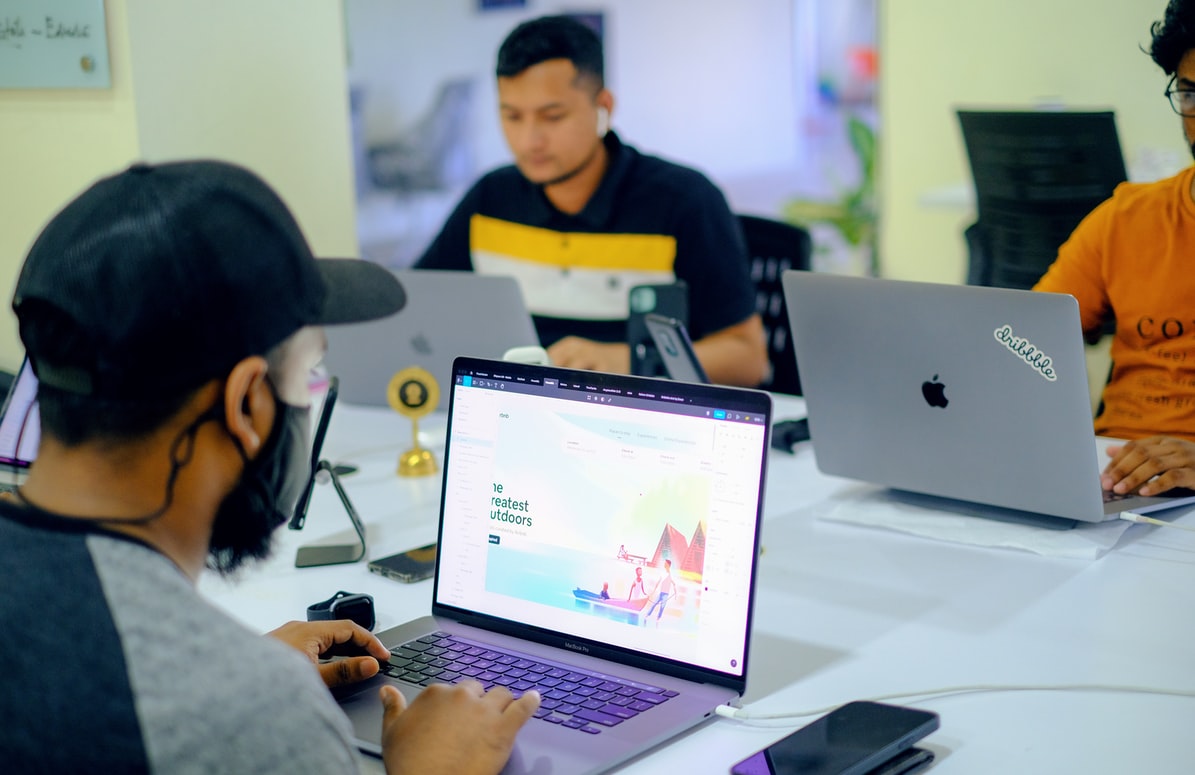
What Steps Do I Need To Take To Start Learning Graphic Design? What do graphic designers and visual communication professionals learn?
Graphic designers and visual communication professionals learn a variety of skills related to creating effective designs that convey messages or information through visual means. They are trained in design principles, colour theory, typography, composition, and layout techniques. They also learn how to use industry-standard software tools such as Adobe Creative Suite.
In addition to technical skills, graphic designers and visual communication professionals develop critical thinking and problem-solving abilities. They need to be able to analyze client needs, research target audiences, and determine the most effective way to communicate a message through design. Good communication skills are also essential for collaborating with clients or team members.
Finally, graphic designers and visual communication professionals must stay up-to-date with emerging trends and technologies in the field. Continuing education is important for keeping their skills relevant in an ever-changing industry. Overall, graphic design and visual communications programs provide students with a well-rounded skill set that prepares them for success in various careers within the creative industries.
The basics of graphic design: What are the most important skills for a graphic designer?
In graphic design, there are a set of foundational skills that every designer must master. One of the most important skills is an eye for detail. As a graphic designer, you must have a keen sense of aesthetics and be able to identify what works best visually. You should know how to manipulate images and typography in order to create the right balance and harmony in your designs.
Another skill that is essential for any graphic designer is creativity. A good grasp of colour theory and composition can help you create original and innovative designs that stand out from the crowd. Knowing how to use different tools like Adobe Creative Suite or Sketch will also help you bring your ideas to life.
Finally, communication is critical in visual communication design as it plays a crucial role in showcasing the client’s message effectively across different mediums, such as print media or digital platforms. The ability to work collaboratively with others on projects also makes it possible for designers to bring their client’s visions into reality while maintaining high standards of quality throughout each stage of production. These skills not only make for successful designers, but they are also valuable assets when working within teams on larger projects where effective communication becomes even more critical.
The role of graphics in visual communication: What are the benefits of using good graphics?
In graphic design and visual communication, students learn about the importance of using good graphics in their work. Good graphics can make a significant impact on the message being conveyed and can help to engage the audience. One of the key benefits of using good graphics is that they can enhance understanding by simplifying complex information. For example, an infographic or chart can help to convey data in a much more digestible way than a lengthy paragraph.
Another benefit of using good graphics is that they can improve memorability. The use of visuals has been shown to increase retention rates, as people tend to remember images better than words alone. This makes it particularly useful for marketing materials where you want your brand or product to stick in people’s minds.
Lastly, good graphics are essential for creating a professional look and feel for any project. Poorly designed visuals can detract from the overall quality of your work and may give off an unprofessional impression which could negatively affect your credibility with clients or potential employers. By taking care of your choice of visuals, you are demonstrating attention to detail and care – two qualities that are highly valued in any profession that requires clear communication skills.
Types of graphics: What is an image, and what does it mean to create a good one?
In graphic design and visual communication, you learn that an image is a visual representation of an idea, object, or concept. The images used in graphic design can range from simple illustrations to complex photographs. Creating a good image involves several factors, such as colour balance, contrast, composition and overall appeal.
A good image should be visually appealing and able to evoke the desired response from the viewer. This could be anything from creating emotions such as happiness or sadness to encouraging a specific action such as buying a product. Additionally, images should be clear and easy to understand without any confusion.
Another important aspect of creating a good image is understanding the target audience. The same image may not have the same impact on different audiences, which means ensuring that it resonates with your intended audience is essential for effective communication through graphics. Ultimately, mastering the art of creating good images requires consistent practice and learning new techniques over time.
Graphic design for web and mobile devices: How can you make your designs look great on all types of devices?
In graphic design and visual communication, you learn the principles of design that help your designs look great on all types of devices. One of the most important principles is to ensure that your designs are responsive, meaning they can adjust to different screen sizes without losing their quality or structure. This requires careful consideration of typography, layout, and colour schemes.
Another principle is to use high-resolution images and graphics that are optimized for web and mobile devices. These images should be compressed to reduce their file size without compromising their quality. Additionally, it’s important to choose fonts that are easy to read on smaller screens while still conveying the intended message.
Finally, you must test your designs across different devices before launching them. This will help you identify any issues with resolution or formatting and make adjustments as necessary. By keeping these principles in mind when designing for web and mobile devices, you can create stunning visuals that look great on every screen size while delivering an engaging user experience.
Practice makes perfect: How can you be efficient and successful when starting out as a graphic designer?
When starting out as a graphic designer, it’s important to remember that practice makes perfect. While you may have a natural talent for design, there are certain skills and techniques that can only be learned through experience. One way to gain this experience is by taking on small projects and experimenting with different styles and mediums. This will help you develop your own unique voice as a designer.
Another important aspect of being an efficient and successful graphic designer is staying organized. This means keeping track of deadlines, managing your time effectively, and staying up-to-date on the latest design trends and technologies. It also means learning how to communicate effectively with clients, colleagues, and other stakeholders in the design process.
Finally, it’s important to constantly seek out feedback from others in the industry. Whether it’s from a mentor or colleague or through online forums or social media groups, getting constructive criticism can help you improve your skills and grow as a designer. By following these tips and putting in the hard work needed to succeed in this field, you can become an efficient and successful graphic designer who stands out from the crowd.
What do graphic design and visual communication teach you about design?
1. Graphic design and visual communication teach you the importance of creating a clear message through design. Effective visual communication requires an understanding of typography, colour theory, and layout principles to create designs that are both visually appealing and easily understandable. By learning these skills in graphic design, you can apply them to any type of design project.
2. Another important lesson learned in graphic design is the value of collaboration and feedback. Design is rarely done alone, so it’s crucial to learn how to communicate effectively with others about your designs and receive constructive criticism. This skill can translate into any field where teamwork is necessary.
3. Lastly, graphic design teaches you the importance of staying current with trends while also maintaining a unique style. As technology continues to evolve at a rapid pace, designers must stay informed about new tools and techniques while still developing their own aesthetic style that sets them apart from others in the industry. This balance between innovation and individuality is key to success as a designer.
Graphic design principles: What are they?
One of the fundamental things that you learn in graphic design is the basic principles of design. These are guidelines that help designers create visually appealing graphics and communicate ideas effectively. There are several principles of design, including balance, contrast, emphasis or focal point, movement or rhythm, unity or harmony, proportion and scale.
Balance refers to how elements are distributed within a design to create visual equilibrium. Contrast involves using different elements, such as colours and fonts, to create interest and make specific elements stand out. Emphasis or focal point is used to highlight important information by making it more prominent than other elements.
Movement or rhythm is created through the use of repetition and variation within an image to guide the viewer’s eye across the composition. Unity or harmony is achieved when all elements within a design work together cohesively. Proportion and scale refer to how different sizes of elements relate to each other in order to create a balanced visual effect.
By mastering these principles along with skills in typography, colour theory, layout design and software applications like Adobe Photoshop and Illustrator, graphic designers can effectively communicate their ideas visually for various industries such as advertising branding/marketing campaigns, among others.
How to use graphic design to communicate your ideas?
Graphic design is an essential aspect of visual communication, and it plays a critical role in conveying ideas. As a designer, your primary objective is to use various visual elements such as typography, colour schemes, images, and patterns to communicate effectively with your audience. To achieve this goal, you must learn the basics of graphic design principles such as balance, contrast, harmony, and hierarchy.
One significant advantage of using graphic design to communicate your ideas is that it enhances clarity and understanding. You can create compelling visuals that help people understand complex topics or concepts with ease. For instance, infographics are popular because they present data in an engaging and intuitive manner. Leveraging different graphical elements creatively and strategically placed text blocks within designs will help convey complicated messages more efficiently.
In conclusion, mastering graphic design skills are crucial if you want to communicate your ideas effectively through visuals. Learning the fundamentals of graphic design principles will enable you to create visually appealing designs that capture attention while delivering the intended message clearly. Practice over time on designing graphics for both print media or digital platforms like social media posts or website banners gives one exposure to how best they can translate their concepts into eye-catching visuals.
The role of graphics in marketing: What does it mean for your business?
In today’s world, marketing has become a highly visual medium. The role of graphics in marketing has only gained importance with the rise of social media and other digital platforms. As businesses compete for attention in a noisy online world, striking visuals have become the key to capturing customers’ attention.
Graphic design and visual communication play an essential role in creating compelling content that resonates with your audience. Effective visuals can help you tell your brand story more effectively, communicate complex concepts clearly, and even evoke emotions that drive action.
By investing in quality graphic design and visual communication services, businesses can develop a consistent brand identity that sets them apart from the competition. Whether it’s through eye-catching logos or engaging social media posts, well-designed visuals are crucial to building a strong brand image that customers will remember long after they’ve interacted with your business.
The importance of visuals in web design: What can you do to improve the look of your website?
In graphic design and visual communication, you learn the importance of using visuals to communicate a message effectively. A website with poor visuals can turn off potential customers and leave a negative impression on visitors. To improve the look of your website, consider using high-quality images and graphics that are relevant to your brand or industry.
Additionally, it’s important to choose visually appealing colour schemes that complement your branding and create a cohesive look throughout the site. Consistency in typography is also crucial for creating a professional appearance. Choose fonts that are easy to read and stick to two or three typefaces throughout the site.
Finally, remember to optimize your images for web use by compressing them without compromising quality. Slow loading times can deter visitors from staying on your site, so optimizing images is an important step in improving user experience. With these tips in mind, you can enhance the visual appeal of your website and make a positive impact on visitors.
Tips for improving your reading comprehension with graphic design: What can you do to make sure your text looks great on screen?
In graphic design and visual communication, you learn how to create designs that are visually appealing and easy to read. When it comes to improving the reading comprehension of your text, there are several techniques that you can use in graphic design.
Firstly, consider the font type and size of your text. It’s important to choose a font that is legible, especially on small screens such as mobile devices or tablets. Sans-serif fonts like Arial or Helvetica are generally easier to read online than serif fonts like Times New Roman.
Secondly, use appropriate spacing between lines of text and paragraphs. This will make it easier for readers to follow along with your content without getting lost in long blocks of text.
Finally, consider using images or other visual aids throughout your content. This can help break up long sections of text and keep readers engaged with your message. Be sure to choose images that are relevant to your topic and add value to your overall message rather than just filling space on the page.
Visual Communication Vs Web Design
In graphic design and visual communication, you learn about the art of conveying a message through visual means. This includes understanding colour theory, typography, layout design, and other elements that contribute to creating effective visuals. On the other hand, web design focuses on creating functional and user-friendly websites that are visually appealing and easy to navigate.
While both fields share some similarities in terms of their use of visual elements, they have different goals. Graphic designers focus on creating branding materials such as logos, packaging designs, billboards or print ads, while web designers work mainly on designing digital interfaces such as websites or mobile apps.
Visual communication is an essential aspect of web design. A good website must be visually appealing, with carefully selected colour schemes and fonts that match the brand’s identity. Web designers use various techniques like animation effects and interactive elements to create an engaging user experience while maintaining a balance between aesthetics and functionality.
In conclusion, both graphic design/visual communication and web design play important roles in today’s digital world. While they have different goals, they rely heavily on each other for successful outcomes – ultimately working together to create powerful visual experiences for users online.
Visual Communication Vs UI UX
Visual communication and User Interface/User Experience (UI/UX) design are two different fields, but they share a lot of similarities. Both have the ultimate goal of creating effective and engaging designs that communicate with the intended audience. However, visual communication is more focused on developing creative ideas and concepts, while UI/UX design is concerned with improving user engagement, satisfaction, and experience in the digital realm.
In graphic design and visual communication courses, students learn about various elements of design, such as colour theory, typography, composition, etc. They also learn how to convey messages effectively through different mediums, such as print media or digital media. On the other hand, UI/UX designers must understand human psychology to create intuitive interfaces that users can easily navigate. They must also be able to conduct user research to identify pain points and areas for improvement.
Overall, both visual communication and UI/UX design play an essential role in creating visually appealing designs that engage users while communicating important information. While there are some differences between these two fields of study, both require creativity along with a strong understanding of how humans perceive things visually, which makes them complementary skills for any designer looking to excel in their craft.
Graphic Design And Branding
In graphic design and branding, you will learn how to create visual representations of an organization’s identity. It is a combination of art and science, requiring creativity along with technical skills. You will learn various design principles that help in creating an attractive brand identity that can communicate the essence of your client’s business effectively.
Effective branding involves more than just designing a logo or choosing a colour palette; it requires an understanding of typography, layout, colour theory, and psychology. In addition to these essential elements, you’ll also gain knowledge about designing for different mediums, such as print and digital advertising.
Moreover, as part of your training in graphic design and branding, you’ll also develop problem-solving skills that are crucial in this field. You must be able to analyze clients’ requirements and come up with innovative solutions while working within their budget constraints. Overall, through studying graphic design and branding concepts in-depth, you will acquire the hands-on experience necessary to thrive in this field as a professional designer or copywriter specializing in visual communication.
Visual Communication And Branding
In graphic design and visual communication, you learn the importance of branding. It’s not just about creating a visually appealing logo or website; it’s about how your brand communicates with your audience through various mediums. You learn how to create a brand identity that is consistent across all platforms and effectively communicates your message.
Visual communication plays a crucial role in branding. Through typography, colour schemes, and imagery, you can convey emotions, values, and personality traits associated with your brand. The right visual elements can evoke an emotional response from the viewer and create a lasting impression of your brand.
In addition to creating strong branding strategies through visual communication, you also learn how to use various design tools such as Adobe Photoshop or Illustrator to bring these ideas to life. The skills learned in graphic design and visual communication courses are essential for any business looking to establish its presence in today’s highly competitive market.
Graphic Designer Software: Adobe Photoshop, Adobe Illustrator, Adobe InDesign
In the field of graphic design and visual communication, learning how to use software tools is crucial. Adobe Photoshop, Illustrator, and InDesign are essential programs for any graphic designer to master. These software tools are industry standards and are used by professionals worldwide.
Adobe Photoshop is primarily used for editing photos and creating digital artwork. It allows designers to manipulate images with a wide range of tools, such as filters, brushes, and effects. Adobe Illustrator is mainly used for creating vector graphics such as logos and icons. It provides users with precise control over shapes and lines while maintaining crisp edges at any size.
Lastly, Adobe InDesign is commonly used for desktop publishing projects like magazines, brochures or book layout design. Its user-friendly interface makes it easy for designers to create layouts that include text boxes, images or illustrations that work together cohesively.
Overall these three programs offer endless possibilities in terms of creative expression in the realm of graphic design – making them a must-learn toolset if you want to land a job in this field.
Website And Application Builder Software: Figma, WordPress, Elementor.
In graphic design and visual communication, students learn the importance of creating effective and engaging designs for various mediums, such as websites and applications. One of the tools commonly used in website and application building is Figma. It’s a web-based design tool that allows multiple designers to work on a project simultaneously. Figma enables designers to create wireframes, prototypes, and high-fidelity designs all in one place.
WordPress is another popular website builder software that offers customizable templates and themes for users with different levels of technical proficiency. It’s an open-source platform that powers up to 40% of websites on the internet. With WordPress, users can easily create pages, posts, menus, and plugins without writing any code.
Elementor is a drag-and-drop page builder plugin for WordPress that simplifies the process of designing custom layouts. Elementor provides pre-built templates that users can customize according to their needs or start from scratch with a blank canvas. The plugin also includes widgets like buttons, forms, sliders, and carousels, which makes it easier to add functionality to your site without having extensive coding knowledge.
In conclusion, graphic design students should be familiarized with these website builder software tools as they are critical in creating professional-looking websites or applications for clients or personal projects.
Motion Graphics
Motion graphics are an essential part of the graphic design and visual communication field. It involves the use of animation, video editing, and other multimedia techniques to create compelling visual content that communicates a message or tells a story. In motion graphics, designers use different software tools such as Adobe After Effects, Cinema 4D, and Maya to bring their ideas to life by creating animations that are visually appealing and engaging.
One of the primary things you learn in graphic design and visual communication courses is how to create effective motion graphics. This includes understanding the principles of animation, composition, colour theory, and typography. As a designer or communicator, it’s crucial to have knowledge about these elements so you can create visuals that convey a clear message while keeping your audience engaged.
Overall, mastering motion graphics takes time and practice; however, it can be an incredibly rewarding skill for any designer or communicator to have in their toolbox. From creating explainer videos for businesses to designing engaging social media posts for brands – mastering motion graphics opens up many opportunities in today’s digital world, where people consume more content through screens than ever before.
Motion Graphics After Effects
After Effects is an essential tool for any graphic designer or visual communicator, it is a software application that allows you to create stunning motion graphics and special effects for videos, films, and other multimedia projects. With After Effects, you can add animations, transitions, text overlays, and more to your video content. You can also use it to create complex visual effects like explosions, fire, and particle simulations.
In addition to its creative capabilities, After Effects offers many practical benefits to designers and communicators. For one thing, it integrates seamlessly with other Adobe Creative Suite applications like Photoshop and Illustrator. This means you can easily import assets from those programs into After Effects to use in your video projects. Additionally, the program offers a wide range of tools for colour correction and grading so that your final output looks polished and professional.
Ultimately, learning how to use After Effects is a valuable skill for anyone pursuing a career in graphic design or visual communication. Whether you are creating animated logos for clients or adding special effects to film footage for a production company, this software will be an indispensable part of your toolkit. By mastering its features and functions early on in your career, you will be able to produce high-quality work that stands out from the competition.
In the world of graphic design and visual communication, Motion Graphics After Effects is a crucial tool that you need to master. It is a software application used for creating motion graphics, special effects, and animations. With Motion Graphics After Effects, designers can create stunning visuals by combining still images, video footage, text, and audio.
One of the essential things you learn in graphic design and visual communication is how to use Motion Graphics After Effects to bring your ideas to life. You will learn how to create animated logos and titles, as well as scene transitions in videos. In addition, you will also learn how to apply various techniques, such as masking and tracking, to enhance your motion graphics output.
Moreover, learning Motion Graphics After Effects allows designers to be more creative with their designs by unleashing their imagination while exploring different features of the software. By mastering this tool in graphic design education or self-study programs like online courses or tutorials, aspiring designers are equipped with skills that they can use in various industries, such as advertising agencies or film production companies.
Digital Illustration
In graphic design and visual communication, digital illustration is an important skill to learn. Digital illustration involves creating artwork using various computer software programs instead of traditional mediums such as paint or ink. This skill is particularly useful in modern times, where technology plays a significant role in the creation of designs.
Digital Illustration allows designers to create intricate artwork with precision, flexibility, and speed. With the help of advanced tools, designers can add different layers and effects to their illustrations, making them more dynamic than traditional illustrations. Furthermore, digital illustrations are easily scalable and can be used for a wide range of purposes, including websites, mobile applications, marketing materials, animation production and many more.
In addition to being a valuable skill for designers in multiple industries, learning digital illustration also helps enhance creativity and problem-solving abilities. By analyzing different styles and techniques used by other artists/designers from around the world, a designer or artist gains inspiration which aids their visual work process further down the line. An overall digital illustration is an essential tool for all aspiring graphic designers and visual communicators looking to make it in the industry today.
Digital Painting
One of the essential skills that students learn in graphic design and visual communication is digital painting. Digital painting involves creating artwork using digital technology, such as a graphics tablet and software programs like Adobe Photoshop, Corel Painter, or Procreate. Digital painting allows artists to create realistic textures, colours, and lighting effects that are difficult to achieve with traditional media.
The digital painting also offers numerous advantages over traditional painting methods. For example, it provides greater flexibility and control over the artwork’s creation process. Artists can easily make changes to their work by undoing mistakes or experimenting with different colour schemes without worrying about damaging their canvas or wasting paint.
Moreover, digital painting is an increasingly popular medium used in various industries beyond art and design. The animation industry frequently uses digital paintings to create backgrounds for films and video games, while product designers use them to create prototypes of their designs. Thus learning how to do digital paintings is a valuable skill for any aspiring artist or designer looking to stay competitive in today’s job market.
What is a graphic designer portfolio?
A graphic designer portfolio is a collection of the designer’s best work, showcasing their skills and abilities in the field. It is an essential tool for any graphic designer looking to start or advance their career since it serves as a visual resume that highlights their technical proficiency and creativity. A well-structured portfolio should contain samples of various design projects such as logos, brochures, websites, branding materials, and packaging designs.
In graphic design and visual communication courses, students learn how to create a compelling portfolio by selecting their most impressive workpieces and presenting them in a clear and concise manner. They get to develop an eye for good design by analyzing successful portfolios from established designers in the industry. Students also learn how to tailor their portfolio according to the job they are applying for by emphasizing specific skills or past experiences relevant to the position. Overall, creating a strong graphic design portfolio can make all the difference when it comes to getting hired or landing new clients.
Composition
Composition is a crucial element in graphic design and visual communication. It refers to the arrangement of design elements such as colour, shape, texture, and typography within a space. The goal is to create a harmonious balance between these elements that visually communicate the intended message effectively. This requires an understanding of layout principles like hierarchy, balance, contrast, and proportion.
An effective composition should evoke emotion and capture the attention of the viewer. It should guide their eyes through the design in a clear and intuitive way while conveying its intended message. The use of negative space can also be significant in creating an aesthetically pleasing composition as it allows for breathing room and helps to avoid clutter or confusion.
Mastering composition takes time and practice but is essential for any designer looking to create impactful visuals that leave a lasting impression on their audience. A well-composed design has the power to captivate viewers and convey complex ideas with ease while creating an emotional connection that resonates with them long after they have left your website or received your marketing materials.
Balance
In the world of graphic design and visual communication, balance is a crucial element that helps create effective designs. Balance involves distributing elements evenly throughout a composition to achieve harmony and stability. It can be achieved through various techniques, such as symmetry or asymmetry. Symmetrical balance involves dividing a composition into equal halves, while asymmetrical balance involves balancing different elements based on their size, shape, colour, or texture.
In graphic design, achieving balance is essential because it helps guide the viewer’s eye through the design in a natural way. If one side of a composition is significantly heavier than the other, it can cause visual discomfort and a lack of interest in the viewer. A well-balanced design draws attention to important information while creating an aesthetically pleasing experience for the audience.
Overall, learning how to achieve balance in graphic design and visual communication is vital to becoming an effective designer. By understanding different balancing techniques and applying them appropriately, designers can create harmonious designs that communicate their message effectively while also capturing their audience’s attention.
High Demand
1. High Demand for Graphic Designers and Visual Communicators.
As the world becomes increasingly digitized, the demand for individuals with graphic design and visual communication skills has exploded. In today’s fast-paced digital age, nearly every business requires a strong online presence to stay competitive in the market. This means that the need for talented designers who can create visually compelling marketing materials and engaging website layouts is higher than ever before.
2. The Rise of Social Media Marketing.
Social media platforms are now an essential part of any company’s marketing strategy, which has created even more job opportunities for graphic designers and visual communicators. Brands must create visually stunning content that will grab users’ attention as they scroll through their feeds. From designing eye-catching social media graphics to creating short-form videos, there are countless ways that graphic design skills can be applied in this field.
3. A Growing Industry.
Overall, the field of graphic design and visual communication continues to grow at a rapid pace, with no signs of slowing down anytime soon. As technology advances and new mediums emerge, there will always be a need for creative professionals who can navigate these changes while producing high-quality work that resonates with audiences across various channels. For those interested in pursuing a career in this field, it’s an exciting time filled with endless possibilities!
Proximity
Proximity is a fundamental principle in graphic design and visual communication. It refers to the placement of elements within a composition to create a sense of unity or connection between them. By grouping related elements together, designers can establish visual relationships that guide the viewer’s eye and convey meaning.
One way proximity can be used effectively is through the creation of a visual hierarchy. By placing important information closer together, designers can draw attention to it and make it stand out from other elements on the page. Proximity also helps to organize information, making it easier for viewers to process and understand.
In addition, proximity can be used creatively to add interest and dimensionality to a design. Playing with different levels of closeness between elements creates depth and movement, allowing designers to craft dynamic compositions that engage viewers on multiple levels. Overall, understanding how proximity works in design is essential for creating effective visuals that communicate ideas clearly and effectively.
Alignment
In graphic design and visual communication, the concept of alignment is fundamental. Alignment refers to the arrangement of elements in a design so that they have a clear relationship with each other. When designing a layout, it is important to keep in mind the placement of text and images so that they appear balanced and visually appealing.
There are several types of alignment commonly used in the design: left alignment, centre alignment, right alignment, and justified alignment. Left alignment is often used for body text as it creates an easy-to-read flow for the eye. Centred text can be used sparingly for headings or quotes to draw attention to them. Right-aligned text can create a sense of formality or emphasis on the last line of a paragraph. Justified text evenly aligns both left and right margins but can sometimes result in awkward spacing between words.
Overall, proper alignment helps guide the reader’s eye through a layout while also creating balance and harmony within the design. It is essential for effective communication and ensuring that messages are conveyed clearly to audiences.
Repetition
In graphic design and visual communication, repetition is an essential element that can make or break a design. Repetition is the act of repeating one or more elements throughout the design to create unity and consistency. It helps establish a visual rhythm that makes it easier for viewers to navigate through the design.
One way to use repetition in graphic design is through patterns. Patterns are created by repeating shapes, colours, or textures in a systematic manner. They can add interest and depth to designs while also reinforcing brand identity.
Another common use of repetition in graphic design is through typography. Repeating typography elements such as font size, weight, colour, and spacing can help create a cohesive hierarchy within the layout. It not only makes it easier for readers to navigate but also has an impact on how they perceive the message being conveyed.
In conclusion, repetition plays a crucial role in graphic design and visual communication as it creates harmony and consistency throughout the composition. Whether it’s through patterns or typography elements, using repetition effectively can elevate a design from average to exceptional.
Contrast
Contrast is one of the most crucial elements in graphic design and visual communication. It refers to the differentiation between two or more visual elements, such as colour, shape, size, or texture. Contrast helps to create a hierarchy on the page that guides the viewer’s eye through the content. High contrast can be used for emphasis and low contrast for subtlety.
In typography, contrast is essential in creating legible and readable text. The contrast between bold and regular font styles creates a clear distinction between headings and body text. Similarly, typographic contrast can also be achieved by varying font families or sizes to signal different levels of importance.
Contrast also plays a significant role in colour theory. Complementary colours are placed opposite each other on the colour wheel; when paired together, they create high contrast that draws attention to specific areas of a design. Using contrasting shades within a monochromatic colour scheme can also help create depth and interest while maintaining harmony within the overall design.
White Space
In graphic design and visual communication, one of the most important aspects that designers must take into account when creating a layout or composition is white space. White space can be defined as the area between different elements in a design, such as text, images, shapes or graphics. It is also known as negative space because it does not contain any content.
White space plays a crucial role in graphic design since it helps to create balance and harmony within a layout. By allowing enough room around each element, designers can help viewers easily digest information without feeling overwhelmed. Furthermore, white space can also be used to guide the viewer’s eye towards specific parts of the composition and emphasize certain messages or ideas.
However, white space is not just an aesthetic principle – it can also have practical implications for usability and functionality. For example, too much content crammed into a small area might make it difficult for users to read or interact with the design. Therefore, by strategically using white space in their layouts, designers can ensure that their designs are both visually appealing and user-friendly at the same time.
Hierarchy
Hierarchy is a fundamental principle in graphic design and visual communication. It refers to the arrangement of elements on a page or screen in order of importance so that viewers can easily understand the message being communicated. The use of hierarchy helps guide the viewer’s eye through the content and emphasizes key information.
There are several ways to establish a hierarchy in design, including size, colour, contrast, typography, and placement. For example, larger elements tend to be perceived as more important than smaller ones. Bold colours or high contrast can draw attention to certain elements over others. A careful selection of fonts and their sizes creates an impact on how things are perceived by people.
Effective use of hierarchy is essential for creating clear and concise designs that effectively convey a message. Without proper hierarchy, viewers may struggle to interpret what they see or miss important information altogether. Thus it has become one of the most important principles taught in graphic design courses worldwide.
Photography & Artwork
In graphic design and visual communication, you learn how to create visually appealing content using photography and artwork. These mediums are essential in the field of design as they have the power to convey emotions, ideas and messages in a way that words cannot.
Photography is a powerful tool that can be used to capture moments, tell stories or even sell products. In graphic design, it is often used to enhance the layout of a piece by adding texture or colour accents. Moreover, artwork can also add depth and dimensionality to a project by providing unique visuals that draw attention and spark interest.
The use of both photography and artwork requires a keen eye for detail as well as an understanding of composition, lighting and colour theory. As such, studying these mediums during your graphic design education will help you develop these skills while also giving you the tools necessary to create visually compelling content that engages your audience.
Resolution
In the world of graphic design and visual communication, the resolution is one of the most important concepts to understand. Simply put, resolution refers to the clarity or sharpness of an image. It is typically measured in pixels per inch (PPI) or dots per inch (DPI). The higher the resolution, the more detailed and crisp an image will appear.
When working with digital images, it’s crucial to consider the intended use of that image before deciding on its resolution. For example, a high-resolution image would be necessary for print projects such as posters or billboards, while a lower resolution may suffice for web design or social media graphics.
Additionally, understanding how to properly optimize resolution can save time and resources in a project. Oversized images with unnecessarily high resolutions can slow down websites or take up excess storage space. On the other hand, using low-resolution images in print materials can result in blurry or pixelated final products.
Overall, the mastering resolution is essential for any designer looking to produce high-quality work across various mediums.
Dpi
In the world of graphic design and visual communication, DPI or dots per inch, is a crucial concept that every designer must learn. By definition, DPI refers to the number of individual dots that can be placed in a line within the span of one inch. The higher the DPI, the more detailed an image will appear since it contains more pixels.
For designers who work with print materials such as posters, business cards, and brochures, understanding DPI is vital since it determines how sharp and clear an image will look. This means that when designing for print materials, you need to use high-resolution images with at least 300 DPI to ensure that they appear crisp and not pixelated.
In contrast, web designers do not have to worry much about DPI since digital screens display images using pixels instead of dots. Therefore they often use low-resolution images with 72-96 PPI (pixels per inch). However, this does not mean that web designers should ignore image resolution altogether, as large file sizes can slow down website loading time. Overall, knowing how to optimize image resolution based on the intended output medium is a fundamental skill for any graphic designer or visual communicator.
Ppi
One essential aspect of graphic design and visual communication is understanding pixels per inch (PPI). PPI refers to the number of pixels that can fit into one inch of space in an image or display. It is crucial to understand this concept because it affects the quality and resolution of images.
When creating designs for print, it’s important to ensure that the PPI is high enough for the image to appear sharp and clear. Generally, a PPI of 300 is recommended for print materials such as brochures, business cards, and flyers. On the other hand, digital designs require a lower PPI since they are viewed on screens rather than printed.
Understanding how PPI works also helps in optimizing website images for faster loading times without sacrificing quality. Images with higher resolutions have larger file sizes which may slow down website load times, while low-resolution images may appear blurry or pixelated.
In summary, having a basic knowledge of PPI is essential in achieving high-quality visuals for print and digital media. Graphic designers must be familiar with different resolutions and know how to optimize them accordingly for various mediums.
Bleed
In graphic design and visual communication, one of the most important concepts that you will learn is bleed. Bleed refers to the extra space that is added to a design layout beyond its intended edge. This additional space ensures that when the final piece is trimmed down to its proper size, there are no unwanted white edges or borders.
Bleed can also refer to a technique where an image or colour extends past the edge of a page or document, creating an effect where it appears as if the image or colour is continuing off the page. This technique can add depth and interest to a design project.
Understanding bleed is crucial in ensuring that your designs look professional and polished. Without proper bleed, your printed materials may appear unprofessional, with unsightly white spaces around the edges. Therefore, it is essential for any aspiring graphic designer or visual communicator to master this concept in order to create high-quality designs that stand out from the rest.
Trim
Trim is one of the most important aspects of graphic design and visual communication. It refers to the process of cutting off any unwanted or unnecessary parts from an image, illustration, or design. Trimming helps to create a clean and polished look that enhances the overall visual appeal.
In graphic design, trim also plays a vital role in print production. The trim line is used by printers as a guide for cutting printed materials down to their final size after they have been printed on larger sheets. In this way, designers can ensure that their work looks exactly as they intended it to when it is printed on paper or other printing materials.
Trimming is not just important for creating visually appealing designs; it also ensures that the final product meets industry standards and client expectations. Whether you are designing a brochure, business card, or any other type of marketing material, trimming should always be considered an essential step in your creative process. By paying close attention to this detail, you can elevate your designs to new heights and stand out from competitors in today’s crowded marketplace.









