

What Skills Do Students Learn In An E-Learning Course For Graphic Design? What do you learn in graphic design and visual communication?
In graphic design and visual communication, you will learn about the principles of design, colour theory, typography, and layout. You will also gain an understanding of how to use various software programs such as Adobe Photoshop, Illustrator or InDesign to create digital designs.
Furthermore, you will learn how to communicate visually through the use of images and symbols. This includes understanding the psychology of visual elements and their impact on human perception. You’ll also study different types of design including print materials like brochures and business cards as well as digital designs across platforms like social media or web pages.
Finally, graphic design also involves learning how to present your work effectively through presentations or pitches. You’ll learn how to articulate your ideas in a clear and concise manner while showcasing your designs in order to sell them effectively. All these skills combined create a solid foundation for a career in graphic design where creativity meets functionality in solving problems through artful visuals.
The different types of graphic design
Graphic design is a broad field with several sub-disciplines. Each type of graphic design has its unique features, and designers use different tools to create designs that communicate effectively. One of the most common types of graphic design is branding design, which involves designing visual elements that represent a company or product. This includes creating logos, packaging, and promotional materials.
Another type of graphic design is print design, which involves designing printed materials such as magazines, flyers, posters and brochures. Print designers need to consider the layout of the text and images to ensure they are visually appealing and easy to read. Web design is another popular type of graphic design that focuses on creating websites that are attractive and user-friendly. Web designers need to have a good understanding of coding languages like HTML and CSS.
In conclusion, graphic design covers various aspects including typography, colour theory, composition rules among others. Different types exist due to different specifications needed for specific projects or clients’ goals. Therefore it’s crucial for any aspiring designer to choose an area they are passionate about mastering in their career journey as it takes more than software knowledge but also creativity and critical thinking skills in problem-solving while delivering excellent results at all times.
Graphic design principles
Graphic design principles are the foundation of all good visual communication. As a graphic designer, it is important to have a deep understanding of these principles in order to create visually appealing and effective designs. The principles include balance, contrast, proportion, hierarchy, alignment, repetition, and space. Each principle plays an essential role in creating a well-designed piece that communicates effectively.
Balance is the distribution of visual weight within a design. This can be achieved through symmetry or asymmetry. Contrast refers to the difference between elements in a design which can be created through colour, size or shape. Proportion relates to the size and scale of elements within a design relative to each other. Hierarchy determines the importance and order of information within a design while alignment creates unity and organization by ensuring that all elements are visually connected.
Repetition creates consistency throughout a design by repeating certain elements such as colours or shapes while space refers to the area around and between objects in a composition. Understanding these principles is vital for any aspiring graphic designer as they act as guidelines for creating designs that are not only aesthetically pleasing but also functional in communicating messages effectively.
How to use design to communicate your ideas
In graphic design and visual communication, you learn how to use design elements and principles to effectively communicate your ideas. One of the most important aspects is understanding the target audience and tailoring your design accordingly. This includes choosing appropriate colours, fonts, and imagery that will resonate with the intended viewers.
Another key factor is using hierarchy in your design to guide the viewer’s eye through the content. This can be achieved through various techniques such as size, placement, and contrast. Additionally, using white space strategically can help emphasize certain elements and create a clean and organized layout.
Overall, utilizing design in communication requires thoughtful consideration of all elements involved to ensure that your message is clear, concise, and visually appealing. By implementing these techniques learned in graphic design and visual communication courses, you can effectively convey your ideas through design.
Graphic design tools and software
In graphic design and visual communication, you will learn about various tools and software that are essential for creating visually appealing designs. Graphic designers use a range of software to create their artwork, including Adobe Illustrator, Photoshop, and InDesign. These tools help designers create images that are high-resolution and can be used across multiple platforms such as print or digital media.
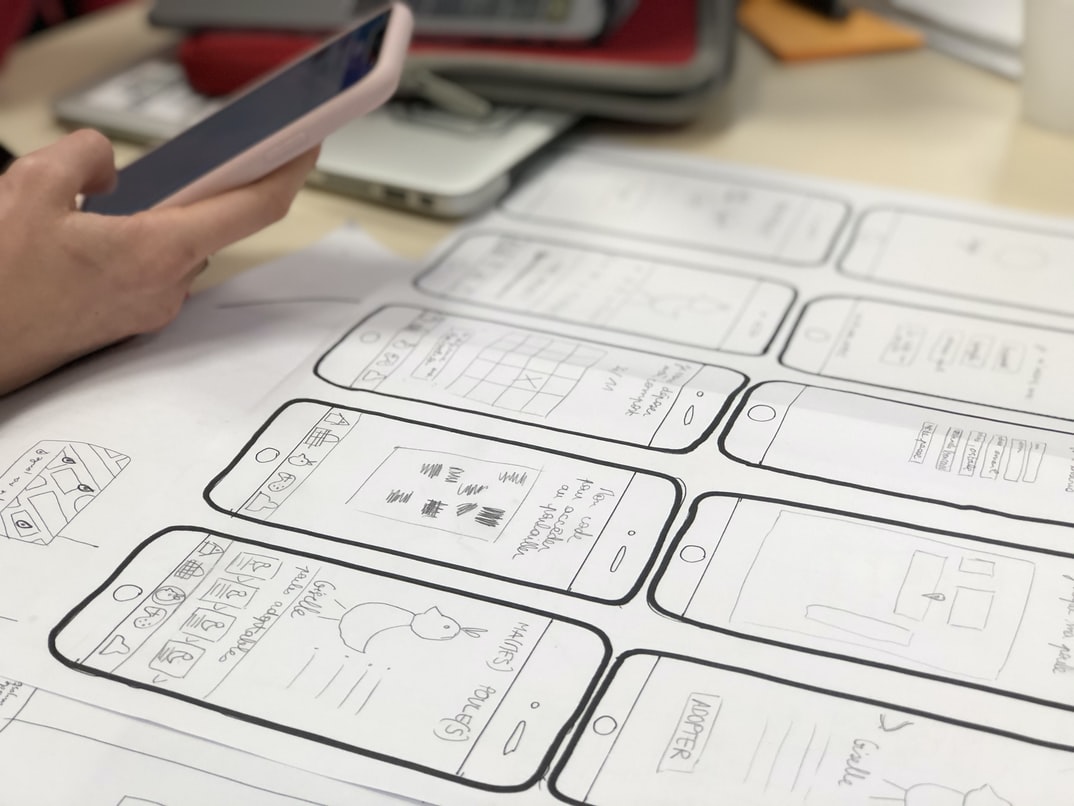
In addition to these popular tools, there are also other programs available that cater to specific needs. For example, Sketch is a popular tool used by many app developers because it allows them to create wireframes and prototypes quickly. Canva is another user-friendly option that allows non-designers to create professional-looking graphics easily.
As technology continues to evolve rapidly in the visual communication field, it’s important for designers to stay up-to-date with the latest graphic design tools and software. By learning how to use different programs effectively, designers can produce compelling visuals that capture the attention of their target audience.
What Do I Need To Get Started With An E-Learning Program For Graphic Design?
If you’re interested in pursuing a graphic design e-learning program, there are a few things you’ll need to get started. First and foremost, you’ll need access to a computer or laptop with internet connectivity. You’ll also need to have essential software like Adobe Creative Cloud, which includes programs such as Photoshop and Illustrator that are commonly used in graphic design.
In addition to hardware and software requirements, it’s important to have an understanding of the foundational principles of design. E-learning programs typically cover topics such as colour theory, typography, composition, and branding. It’s also beneficial to have experience with basic design concepts such as visual hierarchy and layout.
Finally, having access to resources like online tutorials, textbooks or ebooks can be incredibly helpful for supplementing your e-learning program learning experience. The world of graphic design is constantly evolving, so it’s advisable that learners keep themselves updated with new trends and technologies by participating in relevant community discussions on social media platforms or forums. With these essentials at your disposal along with dedication towards honing your skills through practice will enable you to become proficient in the field of Graphic Designing.
How Can Learning About Graphic Design Impact My Career Prospects?
In graphic design and visual communication, you learn a range of skills that can be applied in various industries. These include typography, colour theory, layout design, image editing, and branding. Understanding these concepts can help you create visually appealing content that resonates with your audience. This is particularly important given the increasing importance of digital media in marketing.
Moreover, the ability to create effective designs can also make you stand out as a candidate in job applications. Many businesses require graphic designers to enhance their online presence through social media campaigns or website design. Therefore having knowledge of graphic design tools such as Adobe Creative Suite can give you an advantage when searching for employment opportunities.
Overall, learning about graphic design and visual communication provides practical skills that are relevant across different industries, making it a valuable asset for anyone looking to enhance their career prospects.
What Skills Do Students Learn In An E-Learning Course For Graphic Design?
In an e-learning course for graphic design, students learn a variety of skills that are essential in this field. First and foremost, they gain knowledge about the principles of design, including colour theory, typography, layout, and composition. They also develop proficiency in using various software tools such as Photoshop, Illustrator, and InDesign to create digital designs.
Students in graphic design courses also learn how to analyze and interpret briefs provided by clients or employers. This involves understanding the target audience and developing appropriate visual solutions that meet the requirements of the project. Additionally, these courses teach students about branding strategies and marketing techniques that are important for any successful design project.
Overall, e-learning courses for graphic design provide students with a comprehensive education on all aspects of this exciting field. From technical skills to creative problem-solving abilities to business acumen – these courses equip aspiring designers with everything they need to succeed in their careers.
How is graphic design evolving with the rise of digital media?
In the past, graphic design was primarily focused on creating print media such as brochures or billboards. However, with the rise of digital media, graphic design has evolved to encompass a wide range of digital platforms including websites, social media, and mobile applications. This has led to an increased emphasis on user experience and interface design in addition to traditional elements like typography and colour theory.
As digital media continues to grow in popularity, graphic designers must also stay up-to-date with rapidly changing technologies and software programs. Many designers are now using tools such as virtual reality or augmented reality to create immersive experiences for users. Additionally, there is a greater focus on accessibility and inclusivity in design as more people turn to digital platforms for information and entertainment.
Overall, the evolution of graphic design with the rise of digital media has made it a more dynamic field that requires creativity, technical skills, and an understanding of user behavior. As technology continues to advance at an exponential rate, it will be exciting to see how graphic designers continue to adapt their skills and techniques accordingly.
Is a formal education required to break into the field of graphic design?
While many people believe that formal education is necessary to succeed in graphic design, there are those who have achieved success without a certificate. However, it should be noted that receiving a formal education can provide essential skills and knowledge for the field such as typography, colour theory, composition and layout techniques. Additionally, having a certificate in graphic design or visual communication can make job hunting easier as many employers require candidates to hold this credential.
Formal education programs in graphic design and visual communication typically cover topics such as branding and identity design, digital media production, web interface design and more. Students also receive training on industry-standard software like Adobe Creative Suite which helps them become proficient in their craft before entering the workforce. These programs often include hands-on projects which enable students to build up their portfolio of work – a crucial element when applying for jobs.
In conclusion, while it’s possible to break into graphic design without obtaining a formal education, it remains an important asset for those looking to pursue this career path. It provides essential skills and knowledge that will help aspiring designers achieve success in their field.
Are there opportunities for freelance or independent work in the field?
If you’re interested in pursuing a career in graphic design and visual communication, you may be wondering what opportunities exist for freelance or independent work. Fortunately, there are many avenues available to those who wish to work independently in this field. One option is to offer your services as a freelance designer through online platforms like Upwork or Freelancer.com. These sites allow you to connect with clients from all over the world and take on projects that suit your skills and interests.
Another option is to start your own design business. This can be a more challenging route, but it also offers greater flexibility and control over your work. You can set your own rates, choose which projects to take on and build relationships with clients that could lead to long-term partnerships.
Ultimately, whether you choose to pursue freelance or independent work in graphic design and visual communication depends on your individual goals and preferences. However, if you have the skills and drive necessary to succeed in this field, there are plenty of opportunities available for those who are willing to put in the effort.
Does working as a graphic designer require extensive software knowledge?
Graphic designers use visual elements to communicate messages, ideas, and information. They create designs for a wide range of media such as print, digital, and social media platforms. To be successful in graphic design, it is essential to have extensive software knowledge. Graphic designers must learn various software programs to produce their artwork efficiently.
Graphic design students begin with the fundamentals of design principles such as colour theory and typography. In addition, they are taught how to use tools such as Adobe Photoshop, Illustrator, and InDesign effectively. These tools are used for creating graphics that can be applied across multiple platforms.
As technology continues to evolve rapidly in the graphic design industry, keeping up-to-date with software knowledge is crucial for success in this field. For example, 3D modeling and animation have become increasingly popular over the years in advertising campaigns and product designs; therefore having these skills can differentiate you from other designers seeking similar job opportunities.
Are there different types of specializations in graphic design?
Yes, there are different types of specializations in graphic design. Graphic design is an umbrella term that encompasses various subfields such as advertising, branding, publication design, web design, motion graphics and more. Each specialization requires a unique set of skills and knowledge to succeed in the industry.
Advertising design focuses on creating visual communication solutions for advertisements across different media channels, such as print ads and digital ads. Branding design focuses on creating a consistent visual identity for companies or products through logos, packaging designs, and style guides. Publication design involves designing layouts for books, magazines or newspapers while ensuring readability.
Web design involves designing websites that are visually appealing and user-friendly with effective navigation systems. Motion graphics require skills in animation software to create moving visuals that communicate messages effectively.
To excel in each specialization area within graphic design requires understanding the core principles of typography, colour theory and composition which form the foundation of any successful graphic designer’s work no matter what their chosen field is within this broad scope.
Graphic design is in demand.
In today’s fast-paced digital age, graphic design and visual communication have become more important than ever before. Both of these fields are constantly evolving and expanding, with new techniques and technologies being developed every day. In order to stay ahead of the curve, it is essential for designers to have a strong foundation in the fundamentals of graphic design.
One of the key things that students learn in graphic design school is how to communicate effectively through visual media. This includes learning about colour theory, typography, composition, and other elements that make up an effective design. By understanding these principles, designers can create graphics that effectively convey their message to their target audience.
In addition to foundational skills, graphic design students also learn about industry-specific software programs such as Adobe Creative Suite. This allows them to create designs using cutting-edge technology that meets current industry standards. With this combination of practical skills and creativity, graduates are well-prepared for careers in a wide range of industries where there is high demand for talented designers with strong visual communication skills.
Web Design is in demand.
Web design is a crucial aspect of modern-day websites. It’s the process of creating and designing websites, including layout, colours, typography, graphics, and user interface. Nowadays, web design is in high demand because businesses are looking for a strong online presence to attract potential customers.
In graphic design and visual communication courses, students learn various skills that will help them excel in web design. They learn about colour theory and how to use it effectively in web design to create an attractive website. Typography is also an essential factor in web design as it has a significant impact on readability and user experience.
Moreover, students also learn about UX (User Experience) Design. UX Design focuses on creating products or services that provide meaningful experiences for users. In other words, UX designers ensure that websites are easy to navigate so that users can find what they need quickly without confusion or frustration. Thus, having these skills makes graduates well-equipped for the industry’s growing demand for skilled web designers who can create great-looking sites with excellent usability.
What is UI design? What is UX design?
In graphic design and visual communication, you will learn about two important concepts in web design: UI and UX. User Interface (UI) Design is the process of designing interfaces to make them easy to use and visually appealing. It involves creating a layout that is intuitive, consistent, and responsive. A good user interface should be designed with the user in mind, making it easy for them to navigate through the website or application.
User Experience (UX) Design, on the other hand, focuses on creating positive experiences for users while interacting with a website or application. This involves understanding their needs and goals before designing interfaces that are intuitive to use. The goal of UX design is to create an experience that engages users throughout their journey on the website/application.
In summary, both UI and UX designs are essential components of web design as they aim to provide an excellent experience for users while engaging with digital products. Learning these concepts can give designers a better understanding of how people interact with websites/applications and help them create designs that meet users’ expectations.
Visual Communication
In graphic design and visual communication, you learn the skills necessary to communicate effectively through images and design elements. This includes understanding colour theory, typography, layout composition, and image manipulation. Additionally, you learn how to use various software programs such as Adobe Photoshop, Illustrator, and InDesign.
Visual communication goes beyond just creating aesthetically pleasing designs; it also involves conveying a message or idea in a clear and concise manner. This requires an understanding of the target audience and how they will perceive the design elements used. A successful visual communication piece should be able to capture attention, convey the intended message or emotion, and leave a lasting impression on the viewer.
Overall, studying graphic design and visual communication provides valuable skills applicable in various industries, from advertising to web design to marketing. It allows for effective storytelling through visual media that can engage audiences in unique ways compared to traditional forms of written communication.
Visual Communication Vs Graphic Design
Graphic Design and Visual Communication are two interrelated fields that focus on the creation of visual content. While both fields involve the use of visuals to convey a message, each has its own distinct set of skills and techniques.
Graphic design is a more specialized field that focuses on the creation of graphic content for print or digital media. Graphic designers create designs for logos, brochures, billboards, websites, and other forms of media. They use software tools like Adobe Photoshop and Illustrator to create visually appealing designs that communicate their client’s messages effectively.
Visual communication is a broader field that encompasses graphic design but also includes other forms of visual content creation, such as photography, videography, animation, typography, and information design. Visual communicators aim to convey complex ideas in simple ways through visuals. They use techniques like colour theory, layout design principles and typography to make sure their visual communication is clear and effective.
In conclusion, while Graphic Design focuses specifically on creating graphics for print or digital media using software tools such as Adobe Photoshop or Illustrator; Visual communication involves any form of visual content creation including photography,videography animation among others to ensure clarity in conveying messages through visuals using techniques like colour theory among others.
Visual Communication Vs Web Design
In graphic design and visual communication, you will learn about the use of images, typography, colour theory, and layout to communicate ideas visually. The primary goal of visual communication is to create effective designs that evoke emotions and convey messages. The principles of visual communication can be applied across various mediums such as print media, advertising campaigns and web design.
Web design involves creating a website’s layout, user interface (UI), and user experience (UX). Web designers need to consider the functions of a website while designing it for an intuitive navigation to ensure users find it easy to use. They must also keep in mind the aesthetics of the site while balancing functionality with visual appeal.
In conclusion, while graphic design focuses on creating designs that communicate ideas effectively through various mediums like print media or advertising campaigns, web design deals specifically with designing websites for optimal UX/UI. However, both fields share similar principles when it comes to visual communication techniques such as layout, colour theory and typography.
Visual Communication Vs UI UX
In graphic design and visual communication, you learn about the importance of creating effective visuals that can communicate a message or idea to an audience. One aspect of this is UI UX design, which focuses on designing digital interfaces that are easy to use and visually appealing. At the same time, visual communication encompasses all forms of visual media, including print and advertising.
Visual communication is more than just aesthetics. It involves understanding the psychology of how people perceive images and using those insights to create visuals that effectively convey a message or concept. On the other hand, UI UX design goes beyond creating visually appealing designs; it aims to create interfaces that are user-friendly and intuitive, making it easier for users to navigate through digital platforms.
In conclusion, while both visual communication and UI UX design share some similarities, they focus on different aspects of the design process. Visual communication is concerned with creating meaningful messages through various types of media while UI UX design is focused on designing user-centered digital experiences through thoughtful interface designs that maximize usability and engagement.
Graphic Design And Branding
Graphic design and branding go hand in hand. Branding is the process of creating a unique name, image, and reputation for a business. It’s how consumers remember and identify a brand. Graphic design plays an important role in branding because it’s responsible for designing visual elements that represent the brand, such as logos, colour schemes, fonts, and images.
In graphic design courses, you’ll learn about colour theory, typography, layout principles, and software skills that you’ll need to create effective visual communications. You’ll learn how to use these elements to create designs that not only look good but also convey meaning effectively. Additionally, you will be taught how to work with clients or creative directors on projects from concept ideation stages through execution while keeping in mind their goals.
To be successful in graphic design and branding requires creativity coupled with technical know-how. Whether working with big brands or small businesses alike; designers must have strong communication skills to understand clients’ needs while developing cohesive designs that align with the brand’s values and message.
Visual Communication And Branding
In graphic design and visual communication, the key focus is on creating designs that communicate a message effectively. Visual elements such as typography, colour palettes, images, and layout are all employed to create an appealing and memorable design that resonates with the audience. Through this process of visual communication, brands can establish their unique identity by creating logos or brand symbols that represent their values and mission.
Branding plays a crucial role in any business’s success as it helps stand out in a crowded marketplace. A strong brand strategy ensures consistency across all customer touchpoints such as advertisements, social media platforms or packaging materials. With effective branding comes recognition and trust which ultimately leads to customer loyalty.
Visual communication is vital when planning branding strategies since it allows companies to convey their message through different mediums in an engaging way. Through the use of infographics, videos or animations, businesses can showcase their products or services easily while keeping audiences entertained at the same time. In conclusion, visual communication plays an essential role in branding and should never be overlooked since it’s often the first point of contact with potential customers.
Application of Graphic Designer: Adobe Photoshop, Adobe Illustrator, Adobe InDesign
As a graphic designer, knowledge and proficiency in Adobe Photoshop, Adobe Illustrator, and Adobe InDesign are essential. These software applications are the backbone of the graphic design industry, allowing designers to create stunning visuals for print and digital media.
Adobe Photoshop is primarily used for image editing, retouching, and manipulation. Graphic designers use it to remove unwanted elements from an image or create composite images by merging multiple images together. They also use it to adjust colour levels, contrast, saturation, and other aspects of an image.
Adobe Illustrator is a vector graphics editor that is used to create logos, icons, illustrations and other scalable graphics. The main feature of Illustrator is its ability to create vector graphics that retain their clarity even when scaled up significantly.
Lastly, Adobe InDesign is a desktop publishing software application used for creating print layouts such as posters or brochures. It has tools that enable layout design including text composition features that can be applied with ease.
In summary, learning these three applications will provide you with the necessary skills needed in graphic design communication where you can produce attractive designs for your clients.
Application of Web Designer: Figma, WordPress, Elementor.
As a web designer, it is crucial to have a good grip on various design tools and software. Figma is one of the most popular UI/UX design and prototyping tools that can help designers create interactive designs with ease. It allows for real-time collaboration, making it easy to work with clients and team members remotely. With Figma, web designers can create wireframes, high-fidelity mockups, and clickable prototypes that enhance user experience.
WordPress is another essential tool in the web design industry. It is an open-source content management system used by millions of websites worldwide. WordPress provides users with a range of themes and plugins that make designing websites quite straightforward. Web designers can customize their websites using code or drag-and-drop page builders like Elementor.
Elementor is a visual page builder plugin for WordPress that makes web designing easier for non-coders or beginners. This plugin allows users to easily create pages without having to write any code while still providing advanced customization options if needed. With Elementor, users can choose from pre-designed templates or start from scratch and add widgets like text boxes, images, videos, forms among others to their website pages effortlessly.
Motion Graphics
Motion graphics is a crucial part of graphic design and visual communication. It involves the use of animation, sound, typography, and other visual elements to create compelling and engaging content for a variety of platforms. By mastering motion graphics, designers can create stunning visuals that communicate complex ideas in a clear and concise manner.
One key skill that motion graphics teaches is the ability to work with time-based media. Designers must learn how to pace their animations so that they align with the message they are trying to convey. They also need to understand how sound and movement interact to create an emotional response from viewers. Additionally, designers need to be familiar with various software tools such as Adobe After Effects or Cinema 4D which help them bring their designs alive.
In summary, motion graphics is an essential skill for any designer who wants to excel in visual communication. By learning how animation works and honing your skills with various software tools, you can create engaging content that captures viewers’ attention while effectively conveying your message.
Motion Graphics After Effects
In this modern era, graphic design and visual communication go hand in hand. One of the most popular tools used in the industry is motion graphics created through After Effects. Motion graphics are digital animations that can be used to add movement or interest to any static image or video content. These animations are widely used in various industries, including film, television, advertising, and social media.
Creating motion graphics requires a thorough understanding of basic design principles and familiarity with animation software like After Effects. This process involves combining different elements such as text, images, shapes, and videos to create a compelling message that resonates with the target audience. In addition to basic design principles like colour theory and typography, design students need to learn how to use keyframes effectively while creating animations using After Effects.
Mastering these skills will allow designers to communicate their ideas more effectively with their audience by creating eye-catching visuals that capture attention quickly. They can also help organizations enhance their brand identity by creating consistent designs for all kinds of marketing collateral ranging from logos and websites to videos and social media posts. By learning how to create motion graphics using After Effects designers can take their skills beyond print-based media into the realm of dynamic visual storytelling where they can push creative boundaries even further.
Digital Illustration
Digital illustration is a crucial skill that every graphic designer and visual communicator should learn. It involves creating images using digital tools, such as Adobe Illustrator or Procreate. Digital illustration is highly versatile, allowing designers to create a complex and detailed artwork that can be used across various mediums, including web design, packaging, branding, and print.
In graphic design and visual communication courses, students learn how to use these digital tools to create illustrations that engage the audience while conveying a message effectively. They also learn about colour theory and composition techniques that help them create visually appealing artwork. Additionally, they are taught how to work with different file formats and resolutions to ensure their designs look sharp on screen or in print.
While traditional drawing skills are still essential in the industry of graphic design and visual communication, digital illustration has become an increasingly critical aspect of the job. With more businesses seeking online presence than ever before, having a skillset in digital illustration has become vital for designers looking to remain competitive in this field.
What is a graphic designer portfolio?
A graphic designer portfolio is a collection of work that showcases the skills and abilities of a graphic designer. It typically includes samples of design projects such as logos, brochures, websites, advertisements, and other promotional materials. The purpose of a portfolio is to demonstrate the designer’s creative talent and technical expertise to potential clients or employers.
In a graphic design program, students learn various software programs like Adobe Photoshop, Illustrator, and InDesign to create visual content such as logos, posters, book covers and more. These skills are then applied in real-life settings through assignments like brand identity development for companies where they get hands-on experience creating mock-ups for business cards or stationery kits.
Students also learn about colour theory, typography principles and layout design which all come together when designing their portfolios. By the end of their studies, they would have developed not only competent professional skills but also be able to articulate how their designs answer specific client needs through creativity-forward solutions with meaningful outcomes.









