

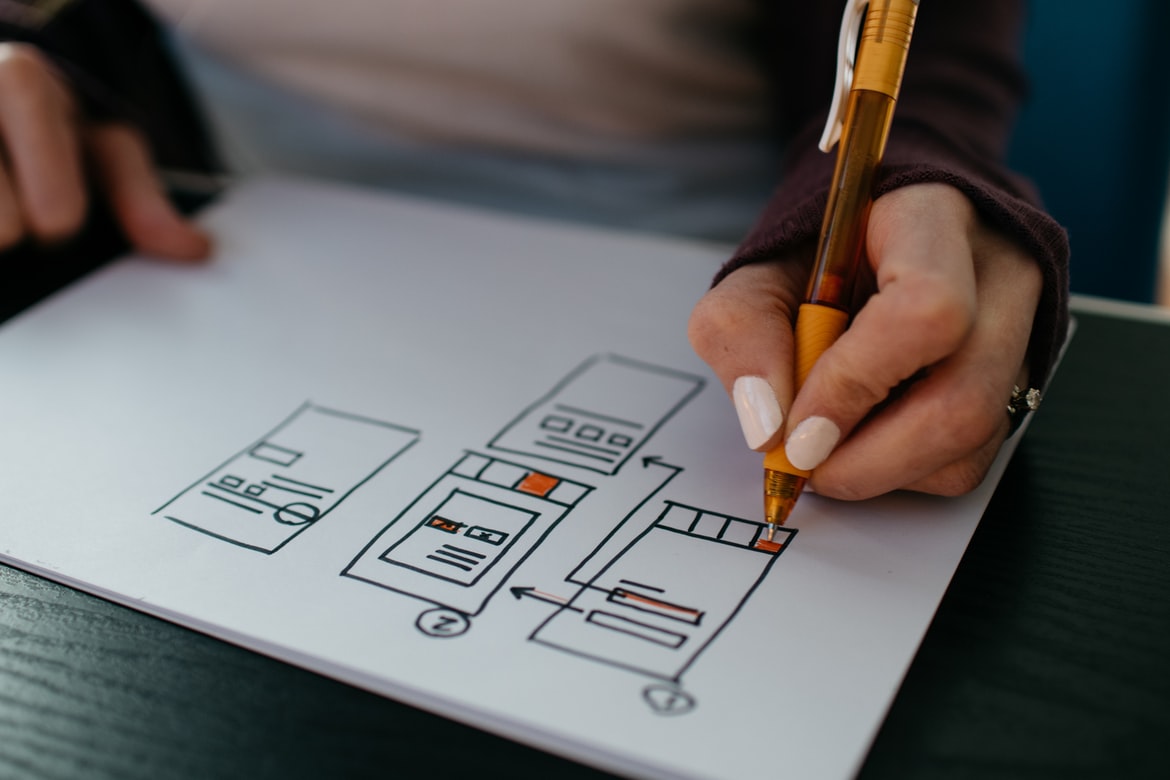
What Skills Do I Need To Have Or Learn To Take Advantage Of An Online Graphic Design Course? What is graphic design, and what does it involve?
Graphic design is the process of creating visual communication that can be understood and appreciated by people. Graphic designers use a variety of graphic design techniques to create effective visuals, from layout and typography to photo editing and illustration.
Some common tasks associated with graphic design include coming up with ideas for graphics, designing graphics using Adobe Photoshop or Illustrator, testing designs on different devices and browsers, formatting text for web or print work, coordinating colour schemes across multiple projects, and more. A good graphic designer is able to think creatively about how best to communicate their ideas, whether it’s for an ad campaign or an online brochure.
Graphic design is the process of creating visual communication that is effective, efficient, and appealing. In order to be successful in graphic design, one must have strong skills in typography, layout, image editing, and logo design. Graphic designers must also be familiar with computer software programs such as Photoshop and Illustrator in order to create high-quality graphics.
If you are interested in becoming a graphic designer, there are several things you should keep in mind. First, you will need excellent visual literacy skills. This means that you should be able to read images and understand how they work on a basic level. Additionally, it is necessary to have creativity and initiative when it comes to problem-solving – you will likely encounter creative challenges when working as a graphic designer. Finally, good graphic design skills require knowledge of contemporary trends – so make sure to keep up with the latest industry news!
Components of Graphic Design: layout, typography, images, etc.
Layout:
The layout is the arrangement of elements within a design. It can include the positioning of text, graphics, and other elements on a page, as well as the use of colour, typography, and images.
Typography:
Typography is the art and technique of typesetting, which involves the selection, arrangement, and setting of type for publication. Typefaces can be classic or contemporary, handwritten or typed mechanically.
Images:
Images are an important part of any graphic design project. They can be used to create visually appealing designs or to communicate specific messages to viewers. Images can be captured from nature or taken from photographs or illustrations.

The Relationship Between Graphic Design and Visual Communication: how do they work together?
There is a long and venerable history between graphic design and visual communication. Graphic designers play an important role in the development of visual identities, branding, and marketing campaigns. Visual communicators use graphic design to create effective visual messages that can be easily understood by audiences.
Visual communication relies on a balance of content, layout, typography, image selection, and colour to effectively communicate ideas. Graphic designers must have knowledge of these principles in order to create effective visuals. They also need to understand how people process information visually in order to create designs that are both visually appealing and informative.
When working together, graphic designers and visual communicators must collaborate closely in order to produce successful results. Together they can help businesses build stronger brands, promote their products more effectively, and encourage positive consumer attitudes.
There is a long-standing relationship between graphic design and visual communication. Graphic designers use visuals to convey messages, create branding, and evoke an emotional response. Visual communicators use images, typography, motion graphics, and other visual elements to communicate ideas. The two disciplines are often intertwined in the design process. For example, a graphic designer might create a logo or a web banner designed to evoke an emotional response. A visual communicator might use that same logo or banner in an advertising campaign to attract attention.
What are Some Common Uses of Graphic Design?
Graphic design is used in a variety of contexts, from the production of corporate logos to the design of advertising and packaging. It can also be used in the production of books, magazines, and websites. Graphic designers use a variety of tools and techniques to produce effective designs.
Some common uses of graphic design are as follows:
1) Corporate logo design: A corporate logo is the primary visual identifier for a company. It should be distinctive, modern, and accessible across different platforms (such as websites, print ads, and social media). A good logo should be able to communicate the brand’s values to customers and potential customers.
2) Advertising: Advertising is an important way for businesses to reach their target audience. Ads can be found in newspapers, magazines, online banners/ads, or on television. They can feature products or services from specific companies or promote political ideas or causes. Good advertising campaigns make use of creative visuals and clever copywriting to capture consumers’ attention.
3) Packaging: Packaging affects how consumers perceive food products and other items they may come into contact with (such as cosmetics). The quality of packaging can affect whether someone buys a product or not. Good packaging should be visually appealing while still being functional. It should also make it easy for consumers to understand what’s inside the package without opening it up.
What skills do a graphic designer need to work from home?
Graphic designers work with a variety of mediums, including print, digital, and web. However, the majority of graphic designers work in an office setting where they have regular contact with customers and clients.
In order to work from home, a graphic designer would need to be proficient in both design software and marketing/communications tools. They would also need to have strong visual communication skills as they will be working with clients and customers on a regular basis.
Are there special software programs or tools required to be a successful home-based graphic designer?
There is no one-size-fits-all answer to this question, as the tools and programs required to be a successful home-based graphic designer will vary depending on your experience and skill level. However, some essential software programs for graphic designers include Adobe Photoshop, Adobe Illustrator, Inkscape, and GIMP. Additionally, many graphic designers recommend using a word processor such as Microsoft Word or Google Docs in order to manage design projects and track revisions. Other helpful tools include a digital drawing tablet such as Wacom Intuos Pro or tablets such as the iPad Pros for sketching out ideas. Overall, the most important factor in becoming a successful home-based graphic designer is dedication and hard work – whatever tools and software you choose to use, make sure you are using them effectively to achieve your goals.
What are the best ways for a graphic designer to find work-from-home opportunities?
There are many different ways for a graphic designer to find work-from-home opportunities. The most common way is to post a resume on job boards or search engines, especially if you have years of design experience. You can also look through companies that specialize in creating visual content and see if they need a new designer or illustrator. There are also freelance services that allow designers to work from their homes, although this may be more difficult to find. Overall, there are many different ways to find work-from-home opportunities, but the best way depends on your skills and experience.
What kind of income can a home-based graphic designer expect?
A graphic designer who works from home can expect to earn anywhere from £30,000-£50,000 per year. This income depends on a variety of factors, such as the design style and level of experience of the individual designer. Many graphic designers work as freelance contractors, which allows them to set their own hours and work with several clients at once.
What skills do graphic designers need?
Designers need strong skills in visual communication, including the ability to create effective layouts, logos, and graphics. They should also be skilled in Photoshop and Illustrator, as well as have a basic understanding of design principles like typography, colour theory, and composition. In addition, designers need excellent technical skills, like being able to use Inkscape and Adobe Illustrator to create vector illustrations or images.
How can a graphic designer become successful in the industry?
There are a few key ingredients for becoming successful in the graphic design and visual communication industry: creativity, skill, and knowledge. Creativity is essential for coming up with new ideas and solutions to problems. Skill is required to produce high-quality work that meets client expectations. And knowledge is necessary to understand the latest trends and technologies in the field.
In order to be creative, you need to have a strong sense of perspective. You need to be able to see the big picture and think outside the box. You also need to be able to take feedback well and learn from it. Skilled graphic designers use various software programs such as Inkscape or Photoshop extensively. They are aware of current trends in their industry, so they can incorporate them into their designs seamlessly. Finally, good graphic designers always keep up with the latest news and technology in their field by reading relevant magazines and websites or attending conferences. This way, they are always learning what’s new and keeping up with changes in the industry.
If you have a passion for graphic design or visual communication and are willing to put in the hard work, there is no doubt that you can become successful in this competitive field!
What kind of projects do graphic designers usually work on?
Graphic designers usually work on a variety of projects. Some common types of projects include creating a logo, designing a website, creating a marketing campaign, and creating advertising materials. Additionally, graphic designers may be called upon to create illustrations or logos for special occasions such as birthdays or weddings.
How can graphic design help to increase a company’s sales?
Design can play a role in increasing sales for a company for a few reasons. First, design can help to create an attractive and user-friendly interface that will encourage customers to come back. Second, effective graphic design can help to convey the message of the company effectively and make it more memorable. Finally, good graphic design can also add excitement and value to a product or service, which may lead customers to want to buy it.
What is the average salary for a professional graphic designer?
The average salary for a professional graphic designer is £48,000 annually, according to the Graphic Designers Association of the UK. However, salaries can vary greatly depending on experience and qualifications. Many graphic designers work in advertising, corporate design, and website design.
Are there any free or low-cost tools available for graphic design beginners?
There are a few tools that can be used by beginners when it comes to graphic design. One is ADOBE, which is a free online platform where users can create and share user-generated designs. Additionally, there are various free online tutorials that can help newbies understand the basics of graphic design. Finally, there are also a number of low-cost software programs available that can be used for visual communication purposes, such as Inkscape and GIMP.
How does learning new technologies help enhance a Graphic Designer’s output?
Technology always evolves and changes, which can either be a good or bad thing for Graphic Designers. For the most part, it is good because we have to keep up with the latest trends and technologies in order to create effective visuals. However, there are a few caveats: first off, new technologies can be overwhelming and complex for beginners, which can lead to them feeling lost and overwhelmed. Secondly, some older Graphic Designers may not be familiar with all of the newer tools and software out there, so they may struggle to produce quality work using them. In short, it’s important that both beginner and experienced Graphic Designers are aware of the latest tools available in order to improve their output. Here is a breakdown of how various technologies help Graphic Designers:
Graphic design software – One of the best ways technology has helped graphic designers is by providing us with powerful software that allows us to easily create graphics from scratch or edit preexisting images. This includes programs like Adobe Photoshop and Illustrator, which are used by most professional graphic designers. These programs allow us to create vector illustrations (which can be edited repeatedly without losing quality) as well as layered images (which make it easy to add multiple elements to a piece). Additionally, many programs come with built-in templates that allow you to quickly create graphics based on specific themes or concepts.
What is the difference between visual communication and graphic design?
Graphics and visuals have always been important parts of communication. From signs and posters in public spaces to advertisements and product packaging, graphics can help convey a message or idea to a large audience. Graphic design is the process of creating effective visual communication. A graphic designer will consider the target audience, the context within which the design will be used, and the available materials when designing a project. Graphic designers may also specialize in one type of graphic design (e.g., web graphics) or in multiple types (e.g., print graphics, motion graphics). However, all graphic designers must have strong creative abilities and be able to think outside of the traditional layout constraints that are often imposed on designs. Visual Communication is the use of images or other visual elements to communicate ideas or messages. There are many different types of visual communication, including advertising, brochures, websites, infographics, etc. In contrast to graphic design, which typically focuses on static images or objects that are displayed on paper or a screen, visual communication often employs dynamic images that can be interacted with (like videos).
What are the benefits of visual communication over graphic design?
There are a few key benefits to visual communication over graphic design. Firstly, it is more easily understood by those who are not designers. Secondly, it can be adapted to various devices and formats- from paper to the internet. Additionally, graphic design can be expensive and time-consuming, while visual communication can be free or relatively inexpensive.
Does graphic design have any advantages over visual communication?
There are many who would argue that graphic design has a number of advantages over visual communication. Graphic designers have a unique perspective when it comes to creating visuals, as they are often responsible for both the design and layout of a piece. This allows for greater creativity and efficiency when communicating ideas, as well as improved readability. Additionally, graphic designers often have a deep understanding of typography, which can be put to use in creating stunning designs that look great both online and in print. Though these factors may be advantageous on their own, the ability to communicate ideas visually through imagery is also undervalued by some. As technology continues to evolve, it becomes more important that our messages are easily understood and can be easily replicated without additional design work. Ultimately, the debate between graphic design and visual communication is complex and will likely continue to grow in importance as we move forward into the digital age.
How is visual communication used to create impactful designs?
Designers use visual communication to create an impactful and memorable experience for the viewer. Visual elements can be used to capture attention, communicate ideas, and evoke emotions. Effective visual communication can help facilitate a positive user experience and increase brand awareness.
One of the most effective ways to communicate ideas is through visuals. Images can be used to simplify complex concepts or convey an entire message in a single image. They can also be used to convey empathy or emphasize key points. Powerful visuals can engage viewers and encourage them to take action.
Visuals also have the ability to evoke emotions. By creating an emotionally resonant design, designers can drive home a message or connect with their audience on a deeper level. This type of emotional engagement can result in increased brand awareness and customer loyalty.
Effective visual communication is essential for creating memorable experiences and driving positive user outcomes. By using creative visuals, designers can create designs that are both attractive and informative.
What kind of skills are required for effective visual communication?
Visual communication is the process of exchanging information through images. Graphics designers and visual communicators must have a strong understanding of design principles, typography, layout, image composition, and colour theory in order to create effective visuals. They also need to be able to think critically and solve problems quickly.
Some common skills required for graphic design and visual communication include:
-Strong understanding of design principles such as composition, layout, typography, etc.
How does graphic design play a role in branding and marketing?
Branding and marketing are two critical components of any successful business. Graphic design is an essential part of both, playing a role in the overall look and feel of a company’s branding and marketing efforts. Graphic design can help create a cohesive identity for a company, help convey key messages to customers, and help market products and services. In short, graphic design can play an important role in helping businesses achieve their goals.
When it comes to achieving goals, graphic designers and visual communicators have a few tricks up their sleeves. Here are three of the most common methods used by those in the field to achieve success:
1. Set Specific Goals
When setting goals, be specific. This will help you track your progress and ensure that you’re making headway towards your ultimate goal. For example, say you want to learn how to design a logo for a small business. Instead of setting vague goals such as “learn how to design logos,” make sure to set specific goals such as “create a logo for a clothing boutique.” Not only will this help you stay focused and motivated, but it’ll also help prevent you from getting sidetracked along the way.
2. Create A Vision Board
A vision board is a great way to visualize your future success. By putting together images and symbols that represent what you want in life, you can start thinking about what steps need to be taken in order to reach your goal. This can be an incredibly effective tool when it comes to motivating yourself – after all, who wants to take on an impossible task if they don’t have any idea of what’s required? Plus, having a clear vision of where you’re headed can give you the assurance that everything will eventually work out in the end.
3. Remember, It’s All About The Journey, Not the Destination. If you’re only focused on what you want to get out of your future, then it’s likely that you’ll be disappointed. Instead, it’s important to remember that everything that happens along the way is equally as important.
How can we use both graphic design and visual communication to create a strong visual identity for a brand/business?
Visual communication is an important aspect of branding, especially for businesses that want to create a strong identity. There are many ways to combine graphic design and visual communication to create a cohesive and effective visual identity. For example, using typography in your designs, using colour well, and creating a consistent layout can all help create a visually appealing brand. Additionally, using imagery that represents your brand accurately can also make a big difference. It’s important to find the right balance between creating a visually appealing brand and staying true to your company’s values and vision.
Values are what we stand for and believe in. They are responsible for guiding our actions, decisions and thoughts. Values can be anything from personal beliefs to societal norms.
Vision is a long-term goal or destination that we strive to achieve. It is the picture of the future that we want to create and reflect in our work. A good vision should be aspirational and inspiring, motivating us to work harder towards it. A well-executed vision can help us stay focused during tough times and give us a sense of purpose when working on projects.
Does one require more expertise than the other when it comes to creating visuals for marketing campaigns?
The debate on whether one requires more expertise than the other when it comes to creating visuals for marketing campaigns continues to rage. Whilst both graphic designers and marketers have their own individual strengths and weaknesses, there is no doubt that working together can create some truly stunning pieces of marketing collateral.
Designers create marketing collateral, such as brochures and flyers, to promote their businesses. Marketing collateral should be eye-catching and persuasive, and it can help a business stand out from its competitors.
Some key considerations when creating marketing collateral include the target audience, the message you want to communicate, and the design style you want to use. Consider what will make your audience stop and take notice. Whether you want your graphics to be brightly coloured or sleek and modern, your choice of style will reflect your brand.
When designing marketing collateral, keep in mind that it should be easy to print out and distribute. You also want to make sure that your graphics are legible at a size that will fit standard printing materials like flyers and brochures. Finally, make sure that all your elements are properly labelled so that they can be easily identified when printed out.
One of the main benefits of working collaboratively is that both parties can learn from each other. Graphic designers are often able to understand the needs of a brand better than anyone else and are therefore able to produce designs which hit the target audience right on target. Meanwhile, marketers can learn a lot about how to target their audience and create engaging content which will keep them coming back for more.
So, in conclusion, it would seem that both graphic designers and marketers have something valuable to offer each other – but it’s up to the team to put these skills together in the best way possible!









