

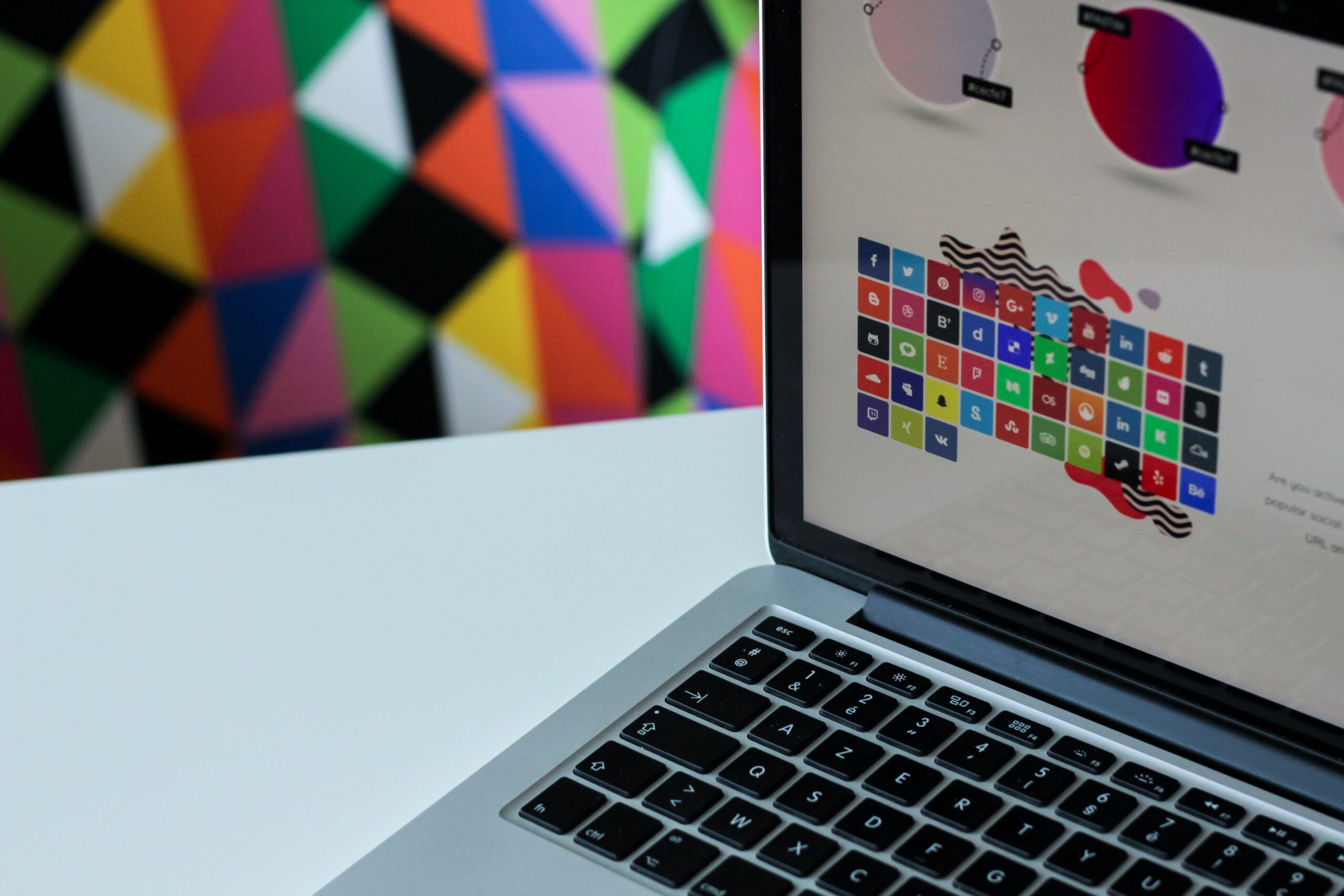
What is the difference between graphic design and illustration?
Graphic design and illustration are both visual art forms often used to communicate messages. Despite the similarities in how they can be used, there are some important differences between graphic design and illustration that should be understood. Graphic design is a broader term than illustration as it encompasses a variety of communication techniques. Illustration, on the other hand, is more tightly focused than graphic design as it typically involves creating artwork based on an opinion or idea expressed by someone else.
Introduction: Graphic design vs. illustration
Graphic design and illustration are two important aspects of modern communication. Graphic design is the process of creating visual materials, such as logos, signs, web designs, product packaging, advertisements, and more. Illustration is the process of creating visual art using various media, such as paint or digital software. Both graphic design and illustration have an important role in conveying ideas and bringing concepts to life in a creative way.
The main difference between graphic design and illustration lies in their purpose: graphic designers create visuals that are intended to convey information or messages while illustrators create artwork for decorative purposes. Graphic designers use various tools to arrange images and text into visually-appealing layouts for promotional materials. Illustrators often use traditional mediums such as watercolour or digital programmes like Adobe Photoshop to create detailed drawings or paintings that can be used for publishing books, magazines or other similar projects.
Definition of graphic design
Graphic design is an art form that uses visual elements such as images, typography, and layout to communicate ideas. Graphic designers use these elements to create compositions that convey messages in a visually appealing way. The goal of graphic design is to attract attention and communicate information effectively.
Graphic design can be used for various purposes such as advertising, packaging, editorial designs, logos and branding, web page layouts, mobile applications and more. It involves the use of colour theory, composition principles such as balance and contrast, imagery manipulation techniques and font choices to convey desired messages. Graphic designers must also have the technical knowledge on how to use software such as Adobe Photoshop or Illustrator in order to create their artwork.
Definition of illustration
Illustration is the art of creating pictures or diagrams to visualise ideas. It is often used alongside words to help explain a concept, tell a story, or evoke emotion. Illustration can be created by hand drawing with tools such as pens and pencils, or digitally with software like Adobe Illustrator.
Due to its versatility and graphical representation of ideas, illustration has been adopted in many industries including advertising and marketing, publishing, video games and animation. In these fields it’s used to communicate information in an effective manner through imagery that helps readers understand the message being communicated quickly.
Illustrators have a varied set of skills required for their work which include strong artistic skills such as composition, proportioning , colour theory and design principles; but also knowledge on fields such as science, anatomy and history may come into play depending on the type of illustration being done.
Commonalities between the two
When discussing the similarities between graphic design and illustration, one of the most obvious is that both employ the use of visual elements in order to communicate ideas. Graphic designers and illustrators both draw from inspiration within various cultural contexts, whether it be from music, fashion or other forms of art. Furthermore, they often use similar media to create their works: for instance, many graphic designers and illustrators use ink pens and computer software like Adobe Illustrator to produce artwork.
Another commonality between graphic design and illustration is that both involve problem solving processes which require creative solutions based on client briefs. Both disciplines also require knowledge of colour theory principles which help convey meaning through shapes and tones. Additionally, in order to keep up with industry trends, designers and illustrators are constantly exploring new approaches while staying true to their own unique styles.
Differences in visual style
Graphic design and illustration are unique in their visual styles. One of the most obvious differences between graphic design and illustration is that graphic design focuses on creating visuals to communicate messages, while illustration is more focused on telling stories or expressing feelings. Graphic designers seek to create visuals that help achieve a desired outcome, such as raising awareness for a cause or selling a product. This focus on achieving an end goal means that graphic designs tend to be more straightforward, minimalistic, and modern in style with limited use of bright colours.
Illustration can also be used for communication purposes but tends to have an artistic element with more emphasis on emotion and storytelling than graphic design does. Illustration often has a whimsical feel with bold colours and shapes that reflect the artist’s individual style.
Differences in intended audience
When it comes to graphic design and illustration, one of the most fundamental differences lies in their intended audience. Graphic design is typically targeted towards larger, more general audiences whereas illustration caters to a smaller and more specific crowd.
Graphic design relies on concise visuals that get its message across quickly and efficiently. This allows designers to create campaigns or advertisements that are easily understood by the masses. The elements of these designs usually consist of well-defined shapes, sharp lines, and only a few colours which make them easy to recognise from afar.
Illustration, however, is geared towards a smaller group of people who can appreciate an artist’s individual style or storytelling ability through intricate drawings and complex compositions. These illustrations often contain softer lines, curved shapes and multiple hues that require closer inspection for their message to be fully understood by viewers.
Differences in tool usage
Graphic design and illustration are fundamentally different disciplines when it comes to their respective tools and techniques. Graphic design is largely a digital form of art that relies heavily on computer programmes like Adobe Photoshop, InDesign, and Illustrator. These programmes allow designers to create logos, typography, illustrations, web designs, infographics, posters, flyers and other visuals for print or web media.
On the other hand, illustration is an artistic field that typically uses traditional methods such as drawing with pen or pencils on paper or digitally painting images in programmes like Corel Painter or Procreate. Illustrations are often used in books and magazines but can also be found in advertisements or digital media projects.
Both graphic design and illustration require creativity as well as technical know-how to develop aesthetically pleasing artwork.
Lighting for graphic designers
Lighting is an important consideration for graphic designers. Good lighting can help bring a design to life, create the correct atmosphere and set the mood of a project. Lighting does not have to be expensive or complicated – it just needs to be carefully thought out and placed correctly.
The most basic form of lighting for graphic designers is natural light from windows or skylights. This type of lighting helps keep costs down while also creating a more pleasant working environment. For designs that require more control, artificial lighting can be used in conjunction with natural light sources. This is ideal for projects that require accurate colour matching or when certain colours need to be highlighted or subdued within a design layout. Lights like LED spotlights or tube lights are good options as they provide bright illumination without taking up too much space in the workspace.
Up-cycling with graphics
Up-cycling is an emerging trend in the world of graphic design and illustration. It involves creating new works from pre-existing materials, such as old photographs, vintage posters, or even discarded objects. By using these found materials, designers can create unique visuals that give a modern twist to classic designs. This can be done through various techniques, including collaging and mixing different visual elements together. Up-cycling allows for endless creative possibilities; allowing for a wide range of styles to be created with little or no cost.
Unlike traditional graphic design and illustration projects which are often built from scratch, up-cycling requires designers to be resourceful and think outside the box in order to create something entirely new out of existing materials. Many times it may involve taking existing imagery and re-purposing it into something that fits a contemporary aesthetic or message.
The future of digital artistry
When it comes to digital artistry, the future looks incredibly exciting. With the unprecedented advances in digital technology and artificial intelligence, digital artists are now able to create incredible works of art that were once thought impossible. The development of 3D printing has taken the possibilities of creating unique artwork to a whole new level, allowing for intricate designs and shapes that can be created with amazing precision.
Additionally, Virtual Reality (VR) is playing a major role in revolutionizing the way digital art is experienced and consumed. Through VR, viewers can become fully immersed in incredible interactive environments that let them explore and interact with a piece of artwork from any angle imaginable.
Moreover, advancements in machine learning are providing opportunities for digital artists to automate certain aspects of their workflows.
Creative logo design ideas
When it comes to designing logos, there are plenty of creative options available. Logo designs can range from minimalist typography to detailed illustrations that capture the essence of a brand or company. Creative logo design ideas include incorporating symbols and artwork into the logo, creating an iconic silhouette or shape, and integrating graphic elements into a traditional type-based logo. colour is another important factor to consider when coming up with creative logo design ideas — bold colours can draw attention and make a memorable statement whereas subtle hues may be more appropriate for certain brands.
Additionally, font selection is essential in conveying the desired message; playful fonts suggest a light-hearted approach while more formal fonts might be ideal for professional organisations. Ultimately, combining these elements together creates a unique visual identity that will help establish your business’s presence in the marketplace.
Illustration techniques
Illustration is an art form that has been used for centuries to convey ideas, stories and messages. It can be used in the same way as graphic design to communicate an idea or concept visually. However, illustration techniques are often more creative and expressive than graphic design approaches, allowing designers to explore their artistic vision.
The most common illustration technique is drawing, which can range from traditional pencil sketches to digital illustrations created with a tablet or graphics software. Once a rough sketch is complete, artists can use additional media such as watercolour paint or markers to add texture and colour. For those looking for a unique style in their designs, hand-painted illustrations with brush strokes have become popular in recent years. Digital 3D illustration allows designers to bring their artwork into the 21st century by creating realistic objects in the virtual space.
Typography basics for beginners
Typography is an essential element of graphic design and illustration. It’s the art of arranging type in a way that makes it readable, aesthetically pleasing, and relatable to its content. For beginners, understanding typography basics is key to creating an effective design project.
Start by getting familiar with font families and the differences between them. Serif fonts like Times New Roman are more traditional while sans serif fonts like Arial are more modern in appearance. Differentiating between these two will help you decide on the right font for your project’s message or concept. Additionally, be aware of what size text should be used based on how much content you have and where it will be displayed (i.e., physical print versus digital). Understanding spacing/leading can also help determine how easy text is to read as well as add visual interest to any composition.
Who is an illustrator?
An illustrator is a professional artist who specializes in creating artworks for books, magazines, advertisements, videos, and other visual media. Illustrators work with a wide range of techniques and styles to create artwork that conveys specific messages or tells stories. They use a variety of media such as paints, pencils, crayons, markers, pastels and computer software to create their work.
Illustrators often have an individual style that makes their artwork recognizable. They also have the ability to research and understand the themes they are illustrating so they can accurately depict them in their artwork. Illustrators are able to develop characters that feel real and tell stories with emotion through body language and facial expressions.
The process of illustration involves more than just drawing; it also includes thinking about how the final product will be used.
What are the steps to becoming an illustrator?
Illustration is a creative art form that involves the use of drawings, paintings, and other visuals to communicate ideas. Though it often overlaps with graphic design, there are some distinct differences between the two. If you’re looking to become an illustrator, there are several steps you should take.
First, get familiar with different styles of illustration – from abstract to realistic – and practice your techniques in each style. You should also learn basic software programmes like Adobe Photoshop and Illustrator in order to prepare yourself for digital illustration projects. Additionally, you can look into taking classes or workshops related to illustration in order to hone your skills further.
Once you’ve developed your technique and become comfortable with various software platforms, start building up a professional portfolio of your work that showcases different styles and media formats (e-book illustrations, prints for advertising campaigns etc.).
What are the benefits of being an illustrator?
An illustrator is a professional who creates visual images for books, magazines, websites and other forms of media. Illustrators may use a variety of mediums such as line art, watercolour, collage and digital tools to create their artwork. There are many benefits to being an illustrator including the ability to express creativity through visuals and the potential to earn a living from these efforts.
For those who enjoy drawing and painting, becoming an illustrator can be both rewarding and profitable. With the right skillset and portfolio in hand, an illustrator can attract clients from all over the world without ever leaving home. Having access to modern design tools also gives artists more options when it comes time to actually creating illustrations for their client’s project needs.
Unlock the power of graphic design
Graphic design is a powerful tool for creating visual solutions for communications. It can be used to create logos, websites, posters, and packaging. Graphic designers have the ability to combine visuals with text to create a message that resonates with an audience. With the right techniques and strategies, graphic designers can unlock the power of graphic design to produce striking results.
Graphic design requires an understanding of how images work together in harmony and how they interact with text on various platforms. A key component of unlocking this power is the use of typography and colour theory to engage viewers through creative messages that are both visually appealing and readable at any size or device type. By using strong composition techniques such as contrast and alignment, designers are able to convey a message in ways that words alone cannot achieve.
Quickly create captivating graphics
Graphic design and illustration are both creative fields that involve visual communication. However, designers often need to quickly create captivating graphics for projects with tight deadlines. With the right tools, creating quick and visually appealing graphics does not have to be a challenge.
There are several graphic design software options available for creating eye-catching visuals quickly. Adobe Creative Cloud offers a variety of programmes that are easy to use and allow users to create professional-looking designs in no time at all. Other popular programmes include Canva, which provides templates and resources for making beautiful graphics suitable for any project or platform; Gravit Designer, which is great for creating logos and illustrations; and Snappa, an online editor with thousands of customisable templates ready to go.
By using these tools, designers can easily produce attractive visuals in just a few minutes without sacrificing quality or creativity.
Discover how to enhance your brand identity with graphic design
Graphic design and illustration are two different creative disciplines with distinct goals. Graphic design focuses on visual communication, while illustration brings ideas to life through art. However, both of these disciplines are essential for companies to create a successful brand identity. Through graphic design, businesses can communicate their values and goals clearly and effectively. Illustration helps bring this message alive in an eye-catching and memorable way.
Businesses that want to enhance their brand identity should use graphic design strategically by creating engaging logos, developing a recognisable colour palette, consistent typography treatments, and applying a unified style across all media platforms. Additionally, integrating illustrations into your brand’s visuals can add personality and help tell your story in an impactful way. An effective combination of graphics and illustrations will make it easier for customers to identify the company’s unique message at a glance.
Graphic design: Unlocking visual possibilities
Graphic design is a powerful tool for creating visual imagery that communicates ideas, messages and stories. It combines elements such as typography, photography, illustration and shapes to create visuals that capture the attention of audiences. Through graphic design, designers have the ability to unlock the potential of visuals and create impactful designs with strong messaging.
The key to successful graphic design is understanding how to combine these various elements into a visually appealing yet meaningful message or story. By taking into account colour theory, composition, balance and font choice, designers can craft eye-catching pieces that evoke emotion in viewers while communicating an idea clearly. Additionally, by using various tools like Adobe Photoshop or Illustrator software programmes graphic designers are able to take their designs even further by adding dimensionality and depth.
Discover how graphic design is transforming communication
Graphic design is a powerful tool for transforming communication in the modern era. This art form can be used to create visually appealing and impactful messages that are easily recognisable and understood by audiences of all ages. Designers can use this medium to convey sophisticated ideas in an accessible way, allowing them to connect with their target audience on an emotional level.
One of the most influential ways graphic design has transformed communication is through its influence on brand identity. Companies rely heavily on graphic design elements like logos, colour schemes, typography, and imagery to communicate their values and establish a cohesive visual language that informs customers about who they are as a company. By using these elements strategically, companies have been able to differentiate themselves from competitors and effectively communicate their message while creating memorable experiences that stick with consumers long after they’ve seen or interacted with the brand.
Illustration history: Ancient origins
Illustration is a visual art form that has been around for centuries. Its origins can be traced back to ancient times, when people used illustrations to communicate stories, ideas and beliefs. Ancient Egyptians used hieroglyphs and pictographs to illustrate the events of their lives and tell stories about their gods. In medieval Europe, woodcuts and engravings were popular forms of illustration used in illuminated manuscripts, books and tapestries. Around the same period, Chinese brush paintings served as a way to express life’s beauty.
By the 19th century, advances in printing technology gave rise to new forms of illustration such as chromolithography as well as black-and-white line drawings known as ‘stippling’ or cross-hatching.
Digital illustration:
Digital illustration is an art form that uses digital technology to create artwork. It combines traditional drawing and painting techniques with modern imaging tools such as software programmes, scanners, and cameras. Using a computer-generated image, artists can add their own personal touch to the artwork they create. Digital illustration is similar to other forms of visual arts like graphic design and animation but has its own set of characteristics that set it apart from these other forms.
For instance, digital illustrations often have a painterly quality about them due to the use of creative brush strokes and colour blending techniques. They also tend to be composed in layers so that pieces can be manipulated or edited in order for them to come together in the finished piece. Additionally, digital illustrations are typically more detailed than graphic designs because they focus on creating an aesthetic rather than conveying information quickly.
Role of illustration:
Illustration is an art form that uses images to communicate ideas, stories, or emotions. Illustrations are often used in books, magazines, advertisements, and other publications to supplement or enhance the text. Illustrators use a variety of media such as paints, charcoal, computer graphics programmes and 3D printing for their artwork.
An illustrator’s role is to bring the written word to life with visual representations that add depth and meaning to the original text. An illustration can be used to clarify complex concepts by breaking them down into more understandable visuals. It can also help draw in readers who may not have interest in reading long passages of text or who require visuals for learning purposes. For example, an illustrated medical textbook would be easier for medical students to comprehend than a purely written one.
Join Blue Sky Graphics online graphic design school to better understand graphic design and illustration.









