

What is App Development & Why Should You Learn it for Free?
UIUX stands for User Interface Design. It is the process of designing the look and feel of a user interface, including any accompanying graphics or multimedia. A good UI UX can make all the difference in whether or not someone will stick around and actually use your app.
Most people who work in application building and design are familiar with UIUX but might not be entirely sure what it entails. Basically, a good UI UX ensures that all elements of the user interface – from the menus to the buttons on the screen – are easy to understand and navigate. They should also be visually appealing so that users will want to keep using your app even after they’ve learned how to use it.
A good UIUX can take many different forms, depending on the app involved. For example, a weather app might feature beautiful visuals and intuitively arranged controls, while a video editing application might feature dense menus with lots of options packed tightly together. The key is to make sure that every element within your app is well-designed and easy to understand – no matter what type of user it’s aimed at.
Why is UI/UX important for application building and design?
UI UX is important for application building and design because it can greatly improve the usability and user experience of an application. A well-designed UI will make it easier for users to find what they’re looking for, navigate through the app, and perform common tasks. Poorly designed UI can also frustrate users and lead to reduced adoption and engagement with an app. Additionally, good UI design can help reduce development time and costs by streamlining the creation of user interfaces.
A well-designed user interface (UI) can improve the ease of use and accessibility of an application for users. A badly designed UI can lead to frustration for users and decreased engagement with the application. Poorly executed user interface design can also lead to inconsistencies between the look and feel of different parts of an application, leading to confusion for users.
Overall, a well-designed UI helps improve the overall experience of using an application. When designing an application, it is important to keep in mind the goals that the app is trying to achieve, as well as the needs and preferences of its target audience. Additionally, good UI design should be responsive and adaptive to changes in user behaviour or preferences. By catering to both user needs and design goals, developers can create a more engaging experience for their users.
How are UI/UX principles applied in application development?
UI design principles are often applied in application development, as they can help create a user interface that is cohesive, easy to use, and visually appealing. One of the most important principles to remember when designing a user interface is “less is more.” By providing users with only the necessary information and tools needed to complete their tasks, users will be more likely to engage with the UI and ultimately achieve their goals. Additionally, by using typography and colour effectively, developers can create an engaging experience that encourages users to return again and again.
UX principles, such as simplicity, feedback, and adherence to standard user interface design patterns, are often applied in application development. This can involve making sure the layout and controls are easy to use and understand, providing feedback on actions taken, and following established UI design trends. These principles can make a big difference in the usability of an application, whether it’s for a consumer or business user.
What are some of the key UI/UX principles in application development?
There are a few key principles to keep in mind when designing interfaces for software applications. Generally speaking, users should be able to quickly and easily access the information they need without having to navigate through an overly complex or cluttered interface. In addition, it is important to design interfaces that are visually appealing so that users will want to use your application more often. Finally, it is essential to consider how users will interact with your application – for example, by using keyboards and touch screens – in order to make sure that your user experience is as good as possible.
What types of UX design considerations should be made during application development?
During application development, there are a number of different UX design considerations that need to be made in order to create an effective user interface. One of the most important aspects of creating a good user interface is ensuring that the overall layout and design are easy to understand and use. Additionally, it is important to take into account how users will interact with the application during various stages of its usage. For example, it may be necessary to design interfaces for initial setup and customization, as well as later use cases such as managing data or making updates. Ultimately, taking all these factors into consideration will help ensure that users have an enjoyable experience while using an application.
How to apply UI/UX principles in an effective way.
There are a few important principles to keep in mind when designing user interfaces (UIs). The first is that users should be able to easily find what they need, whether it’s within a single screen or across the entire application.
Another principle is that UIs should be easy to use. This means no complicated menus or buttons and no hidden features. Everything should be self-explanatory.
Finally, UIs should be visually appealing. They should look professional and clean, without any distractions from the content.
There are a few important things to keep in mind when building an effective UI for your application. One of the most important is to make sure that the user experience (UX) is top-notch. This means making sure that all of the elements of the UI are easy to use and look good while doing so.
One way to make sure your UI looks good and is easy to use is to follow UX principles. These include making sure that all components of the UI are designed with a specific purpose in mind, using design metaphors that users will understand, and keeping the layout simple. By following these guidelines, you can ensure that your users have an enjoyable experience while using your application.
How to convert a website to an app
There are a few steps you need to take in order to convert a website into an app. The first thing you’ll need is the right software. There are tons of app-building tools out there, but we recommend using App Builder for Android or App Builder for iOS. These programs make it easy to create an app interface, add features, and connect with your existing website content.
Once you have the software, you’ll need to create your app’s structure. You can use various templates or create your own from scratch. Once your structure is in place, it’s time to start coding! You can use various programming languages to write your code, but we recommend Swift because it’s fast and easy to learn.
Once your code is finished, it’s time to test and debug it! This process can be tedious, so we recommend using a tool like Xcode or Android Studio. Once everything is working correctly, it’s time to publish your app! There are a few different ways to do this, but we recommend using Apple’s APP Store or Google Play store.
There are many ways to convert a website into an app. One way is to use a development platform like Appcelerator, which helps you create native apps for various platforms like Android, iOS, and Windows. Another way is to use a platform like Adobe XD, which enables you to create desktop-like applications using HTML, CSS, and JavaScript.
Application Building
Application building and design have come a long way in the past few years. Gone are the days of developers building everything from scratch, and instead, we are now able to take advantage of frameworks and libraries that make development more streamlined. This not only makes development faster and easier but also allows for more consistent and reliable applications.
One popular framework used today is ReactJS. React is a JavaScript library that helps developers build user interfaces by providing reusable components. These components can then be combined together to create complex UIs. React also provides an efficient way to handle data flow, which allows for more responsive and interactive applications.
Another important factor when building applications is UX/UI design. It’s important to think about how users will interact with your application, as well as consider the look and feel of your application overall. Good UX/UI design can make a huge difference in how people use your application, making it more likely that they will return later on down the line.
Adobe XD: Building Apps Without Coding Knowledge
Adobe XD is software used for app development that does not require any coding knowledge. It’s like a total design & development platform that helps you create your apps without having to learn how to code. So if you’re someone who doesn’t want to learn to code or just doesn’t have the time, Adobe XD is the perfect software for you!
E-Commerce Platform
When it comes to the modern e-commerce platform, there are a few key considerations that need to be taken into account. In this blog post, we will be discussing some of the most important aspects of an e-commerce platform, including its design and UI/UX.
Design:
One of the most important factors when designing an e-commerce platform is its overall look and feel. It is essential that the interface is easy to use and attractive enough to encourage users to visit your store more often. Additionally, you should make sure that all of the features are easily accessible from one location so that customers do not have to scroll through numerous menus in order to find what they are looking for.
UI/UX:
Another key consideration when designing an e-commerce platform is its user interface (UI) and user experience (UX). Ideally, both elements should be designed in such a way as to make shopping on your site as easy and intuitive as possible. For example, you should make sure that all of the products featured on your site are well organized and easy to find and that all of the menu items are clearly marked. Furthermore, you should make sure that all of the required information is easily accessible at any given time so that customers do not have to spend time searching for it.
Figma
Figma is software for creating user interfaces and visual designs. It has a wide range of features that allow users to easily create complex UIs and designs without having to be experts in graphics or programming. Figma is available on a subscription basis, with plans starting at $9/month.
Adobe XD
Adobe XD is a UI/UX design application that is used by professional graphic designers and developers. It offers several features that are helpful for designing user interfaces and UIs. Adobe XD has a variety of tools for creating pixel-perfect designs, as well as powerful exporting and collaboration capabilities. Additionally, the platform provides users with a wide range of templates and components to help them create interactive prototypes quickly and efficiently.
Design Mobile App
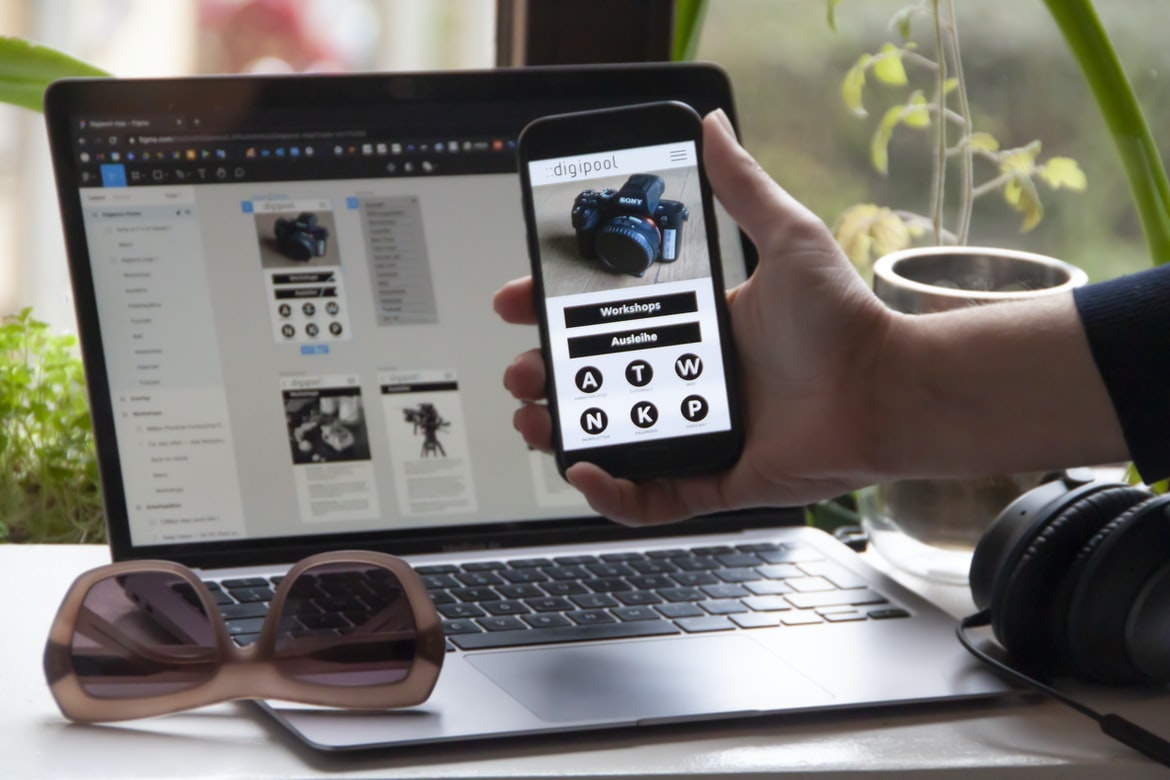
An app is more than just a bunch of static pages that show up on your device. It’s a living, breathing organism that needs to be designed with the user in mind. From the layout of the screens to the navigation system, everything needs to be considered when creating an app.
Buttons need to be big enough for users to hit without having to stretch their fingers, and labels need to be legible even when viewed at a distance. Navigation menus also need to be easy to access and use, no matter how busy the screen might get. And last but not least, all graphics and images need to be high-quality, so they don’t look amateurish or outdated.
Overall, it’s important to think about every detail when building an app so that it can look polished and professional from start to finish.
When it comes to designing mobile apps, there are a few things that you need to keep in mind. First and foremost, you need to think about how the app will look and feel on different devices. You also need to consider how users will interact with the app. Finally, you need to think about how users will find and use the features of your app.
Graphic Design
Graphics design is the process of creating a visual representation of information. This could be anything from a logo to a website layout. A graphic designer will take an idea and turn it into a visual presentation that can be understood by people. They will also help create the overall look and feel of a piece of work.
One aspect of graphic design that often gets overlooked is user interface (UI) design. A good UI can make an application feel smooth and easy to use, even if it’s complex in other ways. It should be intuitive for people who don’t know how the application works, and it should look good no matter what device it’s being used on.
Finally, user experience (UX) is crucial in any graphic design project. If users have a negative experience using your work, they may not come back or recommend it to others. It’s important to always think about how users will interact with your designs and make sure that everything feels consistent and logical.
What is UI design?
UI design is the process of designing the user interface or UI for a software application. The goal of UI design is to ensure that the end user experiences an intuitive, coherent and appealing interface.
The user interface (UI) consists of all the elements on a computer screen that a user interacts with in order to carry out tasks or use applications. The UI includes not only the visible elements on the screen, such as buttons and labels but also any hidden elements (such as menus and toolbars) that users may need to access in order to use the application.
There are many different types of UI designs, depending on the type of application being created. Some common types of UIs include desktop applications, web applications, mobile apps and mixed-type UIs such as hybrid apps. Each type of UI has its own set of design principles and guidelines that must be followed in order to create an effective and attractive user experience.
One important aspect of UI design is usability testing. During usability testing, testers try out an application using realistic scenarios in order to assess how easy it is for users to find what they need and how well they understand how to use the application.
What is UX design?
User experience is the design of the user interface and how it affects the interaction between users and a product or service. User experience professionals typically focus on five key areas of design: user interface, visual design, interaction design, user research, and development.
User interface design focuses on creating a functional and appealing graphical interface that makes using a product easy and fun. Visual design is concerned with how an application looks, from the layout of pages to the look and feel of menus and buttons. Interaction design deals with how users interact with a product by designing ways for them to input information, navigate through screens, or complete tasks. User research involves studying how users use products in order to improve their designs. Development involves creating prototypes and testing them with potential users to get feedback on how well the products meet their needs.
Visual Communication
Visual communication is a powerful tool that can greatly improve the user experience of an application. It can help users understand what the application is doing and can also help them find the information they need quickly.
One important aspect of visual communication is UI design. Good UI design can make an application look simple and easy to use, while bad UI design can make it hard to use. UX designers are responsible for making sure that the user interface looks good and functions correctly, no matter how complex the underlying functionality may be.
Visual Communication Vs Graphic Design
Visual communication is the use of images, symbols, and other visual elements to communicate information. Graphic design is the process of creating a visual presentation of information using typography, layout, and colour. The two disciplines can overlap, but they also have distinct purposes. Visual communication is used to convey ideas quickly and easily. Graphic design is used to create a visually appealing product or website.
Application of Graphic Design: Adobe Photoshop, Adobe Illustrator, Adobe InDesign
Adobe Photoshop, Adobe Illustrator, and Adobe InDesign have widely used design software applications. They offer a wide range of features and capabilities for designing graphics and user interfaces.
One of the most important aspects of graphic design is effective user interface design. A well-designed user interface can make a complicated process easier to understand and use. Adobe Photoshop, Adobe Illustrator, and Adobe InDesign all have powerful UI tools that can help you create high-quality user interfaces.
If you want to learn how to create effective graphic designs using these applications, be sure to consult the documentation provided with each program. These documents are often full of helpful tips and tricks for creating great user interfaces.
When it comes to designing graphical interfaces and user experiences, there are a few programs that come to mind. Adobe Photoshop, Adobe Illustrator, and Adobe InDesign are all popular programs used for this purpose. Each program has its own strengths and weaknesses, but when used together, they can create truly amazing designs.
Adobe Photoshop is known for its ability to create detailed images and graphics. It’s perfect for creating logos, illustrations, and other types of graphics that need a high level of detail. Adobe Illustrator is better suited for creating vector illustrations and graphics that can be scaled up or down without losing quality. Finally, Adobe InDesign is the program best suited for creating desktop publishing layouts and documents. It has the ability to create complex documents with many different types of content, making it ideal for creating user interfaces and UIs.
When used together, these three programs are capable of creating stunning graphical interfaces and user experiences. Whether you need to create a logo or an entire user interface design, these programs are perfect for the job!
Figma, Adobe XD, WordPress, Elementor.
When it comes to application building and design, there are a number of different tools that professionals can use. Some of the more popular options include Adobe Photoshop, Adobe Illustrator, and Adobe Dreamweaver. However, there are also a number of alternatives available that may be better suited to specific needs.
One such option is Figma. This tool allows users to create user interfaces and UIs in a variety of different formats, including vector illustrations and sketches. Additionally, Figma offers user-friendly features such as drag-and-drop functionality and the ability to share designs with others easily.
Another popular option for application building and design in Adobe XD. This platform allows designers to create high-quality prototypes quickly and easily using code or layouts created in the Adobe Creative Suite applications (such as Photoshop or Illustrator). Additionally, Adobe XD offers powerful features like live previews so designers can see how their designs will look in real-time before finalizing them.
Finally, WordPress is a popular content management system (CMS) used by millions of website owners around the world. With WordPress, site owners can easily create a custom website from scratch or modify an existing one without any programming skills required.









