

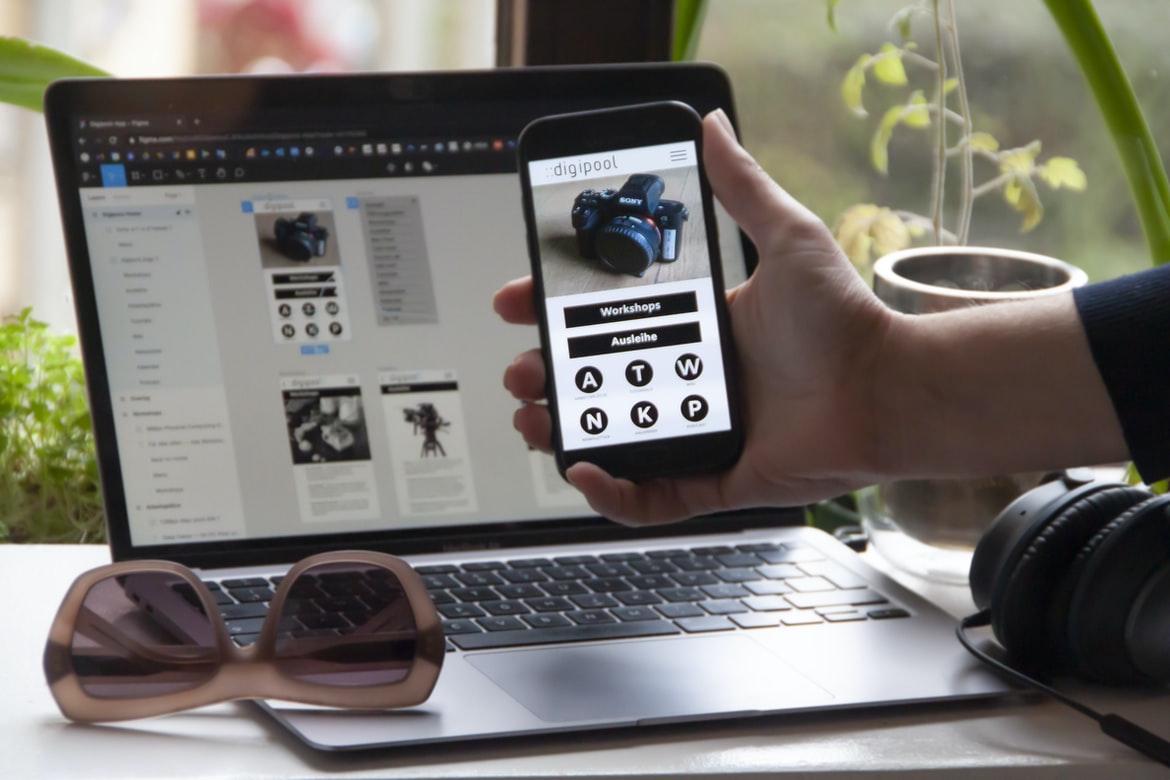
What is App Building & Design, and Why Should You Learn It for Free? – What is a user interface, and why is it important?
User interfaces are graphical representations of how an end user will interact with a particular application. In order to make the most efficient use of available resources, it is important to have a well-designed user interface. This will allow users to easily find and access the features they need while keeping their screens clutter-free. It also allows for increased usability and efficiency, as well as improved customer satisfaction. User interfaces are the graphical elements that allow users to interact with applications. A good user interface will be intuitive and easy to use while also providing a consistent layout across all screens. User interfaces can also be designed in a way that makes it easier for users to find what they are looking for. Overall, a good user interface can make an application more usable and efficient.
Basics of Application Building: What are the different types of applications, how do they work, and what are their requirements?
There are many types of applications, and each one has different requirements. When building an application, you first need to decide what type of application you’re creating. There are three main types of applications: web applications, mobile applications, and desktop applications.
Web Applications are websites that users can visit directly on their computers. Desktop Applications are programs that people use on their own computers. Mobile Applications are programs that people use on their phones or other mobile devices.
Each type of application has its own set of requirements. For example, a desktop application needs a computer to run it, while a mobile application needs a phone or other mobile device to run it. Additionally, different types of applications have different user interfaces (UIs). A desktop application may have a complex UI with many buttons and menus, while a mobile app may only have a few buttons with easy-to-understand labels.
Designing an effective UI for an app is essential for success. Poorly designed UIs can lead to frustration from users, which can discourage them from using your app in the future. In addition to good design, effective UIs also need to be user-friendly and fast to load. Many factors go into creating an effective UI for an app, but the most important thing is to make sure that the app meets the specific needs of its target audience.
User Interface Design Principles: How do you create an effective and appealing UI?
There are a few basic principles that should always be followed when designing and building user interfaces for applications. The first is to make the user’s experience as seamless and easy as possible. This means making sure all the necessary information is easily accessible, displaying it in an organized manner, and providing easy access to any functions or features the application may offer.
Another important principle to keep in mind is cognitive load. This refers to how much work a user has to do in order to complete a task. Too much cognitive load can lead to frustration, so it’s important to keep things as simple as possible while still delivering the desired functionality.
Finally, users should feel like they’re part of the application. This can be achieved by creating an intuitive design layout that flows well from screen to screen, using modern visual design principles such as flat design and subtle textures. All of these factors together make for an effective and appealing UI that will help your users reach their goals faster!
Building a Basic UI: Tips for designing a user interface from scratch.
When it comes to designing user interfaces, there are a few things to keep in mind. First and foremost, make sure that your design is easy to understand and use. Second, be creative when coming up with different layouts and designs. And finally, always make sure that your application functions as intended.
Here are a few tips for designing user interfaces from scratch:
Start by sketching out the basic concepts of your design on paper or in a digital format. This will help you better understand how your users will interact with the interface and ensure that everything flows together logically.
Once you have a solid understanding of how your users will interact with the interface, start working on creating mockups of different areas of the design. This will help you get feedback from potential users and refine your designs accordingly.
Finally, make sure to test your designs thoroughly before releasing them to the public. This will help ensure that everything works as intended and that users have an enjoyable experience using your application. When it comes to building user interfaces, there are a few key tips that can help make your design look professional and polished. One of the most important things to keep in mind is that a good user interface should be intuitive and easy for users to understand. Additionally, make sure to focus on the task at hand and create an aesthetic that is consistent with your application’s overall theme or tone.
When it comes to designing user interfaces from scratch, one of the best ways to do so is by using templates or visual aids. This will help you stay organized and ensure that your design looks consistent across different screens or devices. Additionally, it can be helpful to use real-world examples as inspiration for your designs. This way, you can learn from the successes and failures of other users in the same field.
Advanced UX Techniques for Building Custom UIs: How to make your application more engaging for users.
Custom user interfaces (UIs) are becoming increasingly common in web and mobile applications. Developers must decide how to best make their applications engaging for users. Some popular UX techniques include design patterns, animation, and cognitive psychology. In this article, we will discuss the use of design patterns in custom UIs and provide a few examples.
Design Patterns can be Used for Custom UI.
Design patterns are reusable solutions to commonly encountered problems in software development. They provide a structure for designing object-oriented programs and help ensure that code is maintainable over time. Design patterns can be used in custom UIs for a variety of reasons:
They can help modularize an interface so that it is easier to change or add components.
They can give your interface a consistent structure that allows users to understand it more easily.
They can help reduce the amount of code you need to write by providing common functionality across different contexts or situations.
In addition, certain design patterns are well-suited for creating custom UIs. For example, the presenter pattern helps decouple an object from its context so that it can be used in multiple contexts without changing its behaviour.
Graphic Design
In the world of graphic design, there are a variety of different fields to choose from. From application building and design UI UX to print design and advertising, there is a ton of options out there for those who want to focus on their creative abilities. Whether you’re looking to improve your skills or start a career in graphic design, there are plenty of resources available online and in libraries. Keep in mind that not all types of graphic design are created equal, so be sure to research which field is right for you before starting down the path. Design is the process of creating a plan and then creating a visual representation of that plan. It can be anything from designing a logo to building an entire website or application. The goal of design is to make an object or system clear, efficient, and Functional.
There are many different aspects to consider when designing an application, from the user interface (UI) to the overall structure. UI design focuses on how the user interacts with the system, while structural design deals with how the various components of the system are put together. Together, they help create an overall well-organized and functional product.
It can be difficult to know where to start when it comes to designing an application, but there are some helpful tips available online. First, it’s important to understand your target audience and what their needs might be. Next, you need to identify key features and functionality that you want your application to have. Finally, you need to develop a layout for each screen so that users can easily access what they need.
Once you have all of this information, it’s time to start developing your ideas into actual designs. You may find it helpful to use templates or other reference materials when starting out so that your designs are consistent throughout the entire product. And finally, don’t forget about testing! Once you have finished designing your application, it’s essential that you test it with potential users in order to ensure that everything works as expected.
What is UI design?
UI design is the process of designing the User Interface or graphical interface of a software application. It is one of the most important aspects of software development, as it affects how users interact with and use the software. A well-designed user interface can make a great difference in the success or failure of a software project.
A good UI design must take into account several factors, including:
The layout and structure of the user interface
The look and feel of the interface
The functionality of the interface
User feedback during development should be taken into account when designing a UI, as it can help to ensure that the final product is effective and intuitive. It’s also important to consider how different users will interact with the application – for example, those with visual impairments or different keyboard layouts.
What is UX design?
User experience (UX) design is the process of designing a product or service that meets the needs and wants of users. The goal of UX design is to create an effective, intuitive, and satisfying user experience that encourages users to take action.
UX design begins with understanding who your target user is and what they want from your product or service. Next, you need to identify how users will interact with your product or service. After that, you can create designs that meet the needs of your target user. Finally, you must test your designs to make sure they are effective and satisfying.
Visual Communication
Visual communication is one of the most important aspects of any design project. Effective visual communication allows for a smooth transition between users and helps to ensure that all information is easily accessible. It can also help to improve user experience and build trust between users and the product. This article will explore some tips for improving your user interface and user experience through effective visual communication.
One of the first things you should do when designing a new application is to create a wireframe or rough layout of your layout using Sketch or another software program. This will allow you to see how everything looks together and will also give you a better understanding of how users will interact with your application. Once you have a basic layout, it’s important to start thinking about how users will access different parts of your application. You may want to consider using tabs or menus across different sections of your application or providing clickable icons next to each task or file in an account management system.
Once you have decided on how users will access different areas of your application, it’s time to think about how they will interact with it. One way to improve user interface usability is by using consistent formatting throughout your entire application. For example, if all text in an area is bolded, make sure this formatting is used throughout the entire area. This makes it easy for users to understand what they are looking at and avoids confusion caused by varying formats within an area.
Visual Communication Vs Graphic Design
There is a lot of confusion surrounding the terms “visual communication” and “graphic design.” Generally speaking, visual communication refers to using images, graphics, and layouts to communicate ideas. Graphic design, on the other hand, is the practice of creating visually appealing designs for products and interfaces.
While both disciplines have their place in application development and user experience design, there are some key differences worth noting. For one thing, graphic designers typically have a strong knowledge of typography and layout, while visual communicators may not. Additionally, graphic designers often focus on creating polished final products, while visual communicators are more concerned with communicating an idea effectively through visuals. Visual communication and graphic design are two different fields of design that use different methods to communicate ideas. Visual communication relies on images and symbols to depict an idea, while graphic design uses detailed illustrations and layouts to present information in a way that is easy to understand. While both fields have their own strengths, it can be helpful to know the difference between them so you can choose the right approach for your project.
Application of Graphic Design: Adobe Photoshop, Adobe Illustrator, Adobe InDesign
Adobe Photoshop, Adobe Illustrator, and Adobe InDesign are widely used for application building and design; these programs have been in development since the early 1990s. Photoshop has become the industry-standard image editor, while InDesign is used for layouts and vector illustrations. Illustrator is used to creating logos, icons, and other graphics. Adobe Photoshop, Adobe Illustrator, and Adobe InDesign are powerful design tools used in application development and graphic design. They allow users to create graphics and layouts for web pages, brochures, presentations, user interfaces (UIs), and more. Each program has its own unique capabilities that can be used to create high-quality visuals.
There are a variety of ways that Adobe Photoshop, Adobe Illustrator, and Adobe InDesign can be applied in application development and graphic design. For example, designers can use these programs to create mockups or wireframes for applications before beginning development. They can also use them to create detailed designs for user interfaces and other graphical elements.
Overall, Adobe Photoshop, Adobe Illustrator, and Adobe InDesign are powerful tools that can be used to create high-quality visuals for various applications. Anyone involved in application development or graphic design should investigate these programs’ abilities before starting work on a project.
Figma, Adobe XD, WordPress, Elementor.
When it comes to application development, there are a lot of different tools and platforms that designers and developers can use. Figma is a great platform for developing user interfaces (UI) and UX. Adobe XD is a great platform for creating vector illustrations and graphics. WordPress is a popular content management system (CMS) that can be used to create websites or blogs. And lastly, Elementor is an excellent platform for creating custom front-end designs. Nowadays, there are so many application-building and design tools out there that it can be hard to decide which one to use. In this blog post, I will be discussing three of the most popular ones- Figma, Adobe XD, and WordPress.
Figma is a digital product design software created by the Interaction Design Institute of America (IDIA). It allows you to create prototypes and wireframes as well as complete applications. Adobe XD is a software created by Adobe that is used for product design, engineering and marketing. It has a wide range of features, including 3D sketching, prototyping and animation. WordPress is an open-source content management system (CMS) with over 30 million websites using it. It has a ton of features for application building and design, such as custom themes and plugins. There are a lot of great application-building and design tools out there. Which one is the best for you? Figma, Adobe XD, WordPress, or Elementor?
How to convert a website to an app
Creating an app can be a daunting task, but there are a number of different ways to go about it. In this article, we will discuss the different steps involved in converting a website into an app.
The first step is to come up with an idea for the app. Once you have a concept, you will need to develop a user interface (UI). A good UI design will make it easy for users to navigate and find their way around the app. Additionally, your UI should be visually appealing so that users will want to use it.
Once you have developed the UI, you need to create the content for the app. This content includes things like user profiles, settings menus, and content areas. You will also need to create any accompanying animations or images that will appear in the app.
Last, you will need to create the code for the app. This code includes both the backend code and the frontend code. The backend code handles all of the operations that take place behind the scenes, while the frontend code is responsible for how users interact with the app on their devices.
Application Building
The application-building process starts with a thorough understanding of the company’s business goals. The next step is to develop a roadmap that shows how each component of the application will work together to achieve these goals. Once the roadmap is complete, it’s time to start designing the user interface and user experience. It’s critical that the design matches the functionality proposed in the roadmap, as users will be interacting with this application on a daily basis. Last but not least, it’s important to test and optimize the application before releasing it to users.
Adobe XD: Building Apps Without Coding Knowledge
Adobe XD is a user interface design tool that’s great for building applications without any coding knowledge. It has a drag-and-drop interface, so you can create your apps quickly and easily. Adobe XD also has a lot of features for creating user interfaces, including drag and drop, layers, and animations. Adobe XD makes it easy to create high-quality apps that look great on all devices.
E-Commerce Platform
Choosing an eCommerce platform can be a daunting task. With so many options available, it can be hard to know which one is right for you. In this blog post, we will help narrow down your choices by discussing the different types of eCommerce platforms and how they differ.
First, let’s review the three main types of eCommerce platforms: digital storefronts, web-based stores, and e-commerce clouds.
Digital storefronts are the traditional type of eCommerce platform that you may be most familiar with. These platforms allow you to create a custom online store complete with a custom design and user interface (UI). They typically involve hosting your own website or using an existing website to build your store. Web-based stores are similar to digital storefronts in that they allow you to create a custom online store, but they operate as separate websites hosted on different servers. E-commerce clouds are unique in that they offer a combination of features found in both digital storefronts and web-based stores. They allow you to have a custom online store built on top of existing web infrastructure, but they also offer support for integrative marketing tools and automated shipping services.
Now that we have reviewed the three main types of eCommerce platforms let’s take a look at how each type differs.
Digital storefronts are best suited for small businesses or companies who want to create a fully customized online store from scratch.
What are the benefits of visual communication on social media?
Visual communication is an important part of social media. It allows users to understand and engage with posts and content. Additionally, effective visual communication can help create a positive user experience. In fact, studies have found that users are more likely to interact with and appreciate posts that are visually appealing.
Some of the benefits of visual communication on social media include:
-It allows users to understand and engage with posts and content.
-Effective visual communication can help create a positive user experience.
-Studies have found that users are more likely to interact with and appreciate posts that are visually appealing.
How can I use visuals for marketing purposes?
Visuals can be a very powerful tool when it comes to marketing. They can help break down complex information and make it more easily digestible for consumers. Additionally, visuals can help to create an emotional connection with a product or service. Ultimately, visuals can be used to promote any type of product or service.
One way that visuals can be used in marketing is by creating user interfaces (UIs). UIs are the graphical elements of an application, and they play a critical role in how users interact with the app. By designing well-made UIs, developers can help make their apps more user-friendly and attractive.
Another way that visuals can be used in marketing is by creating user experience (UX) designs. UX design is the process of designing an application’s interface so that it provides optimal user experiences. By making sure that all aspects of an app’s interface are well designed, developers can make their products more enjoyable to use.
Overall, visuals are a powerful tool for marketers when it comes to promoting their products and services.
What are the best types of visuals?
Most people agree that visuals are one of the most important aspects of any application. Without good visuals, it can be difficult for users to understand what’s going on, and they may completely abandon an application.
There are a few different types of visuals that can be used in applications. One type is interface graphics, which are the images that appear on the main screen or in menus. Interface graphics should be easy to see and understand, so users shouldn’t have to waste time trying to figure out what they mean.
Another type of visual is the user interface (UI). A good UI should be easy to use and navigate, and it should look sleek and professional. It should also reflect the overall style of the application.
Last but not least, we have user experience (UX) graphics. These are the images that appear when a user starts up an application or logs in, and they often show detailed information about the application’s features. UX graphics should help users learn how to use the app quickly and easily without having to read long instructions or scroll through tedious screens.
How do visuals make products more appealing?
Many people believe that visuals make products more appealing. It is said that when a person sees something that they like, their brain releases dopamine, which makes them feel good. Additionally, people are more likely to buy something if it looks appealing to them. Studies have shown time and time again that using attractive visuals in marketing can help increase sales. So what does this mean for product designers? Well, it means that if you want your product to be successful, you need to invest in good visuals. There are many ways to do this, but some of the most common is by using graphics design software or by hiring a professional graphics designer. Visuals can make a product more appealing to users. They can help users understand the product better and make it easier for them to use. Additionally, visuals can help increase user engagement with a product. By making a product visually appealing, companies can create a stronger connection between their product and the customer.
How does visual communication differ from text-based communication?
Visual communication is different from text-based communication in a few key ways. First, visual communication is often more effective when it’s used in tandem with text-based communication. For example, you might use a screenshot of an interface to explain how the interface works, followed by screenshots of input fields that users will need to fill in to use the interface. Second, visuals can be more engaging and persuasive than text-based explanations. This is especially true when you’re trying to sell someone on a new idea or product—a good visualization can help make your case much more easily. Finally, visuals can also be more inclusive. For example, if you’re designing an application for people with disabilities, you might include images of how the interface might look for different types of users (e.g., elderly people and people with vision impairment). Designing an intuitive user interface is essential for any application. In this article, we will discuss the process of designing user interfaces for applications. We will also focus on the use of user experience (UX) design techniques to achieve a pleasing and intuitive user interface.
What are the benefits of using a visual communicator?
Visual communicators are a type of communication tool that allows users to communicate and collaborate in an efficient and effective manner. They have many benefits, including:
-Efficient communication – visual communicators allow users to communicate effectively and quickly, which can be especially helpful when dealing with complex tasks or large groups.
-Collaboration – visual communicators make it easy for multiple people to work together on a project or share information. This is especially useful when working on projects that require coordination or collaboration between different teams.
-Effective presentation -visual communicators can help you present your ideas or products in an effective and visually appealing way. This can help you attract new customers or clients, as well as increase the chances that your ideas will be accepted. There are a number of benefits to using visual communicators in application building and design. Visual communication can be more efficient, as it allows for a more rapid exchange of information between team members. Additionally, visual communicators can be more engaging and interesting to viewers, which can lead to a higher conversion rate. Additionally, visuals can help communicate complex concepts in an easy-to-understand way, which is beneficial when trying to engage new users or sell products.









