

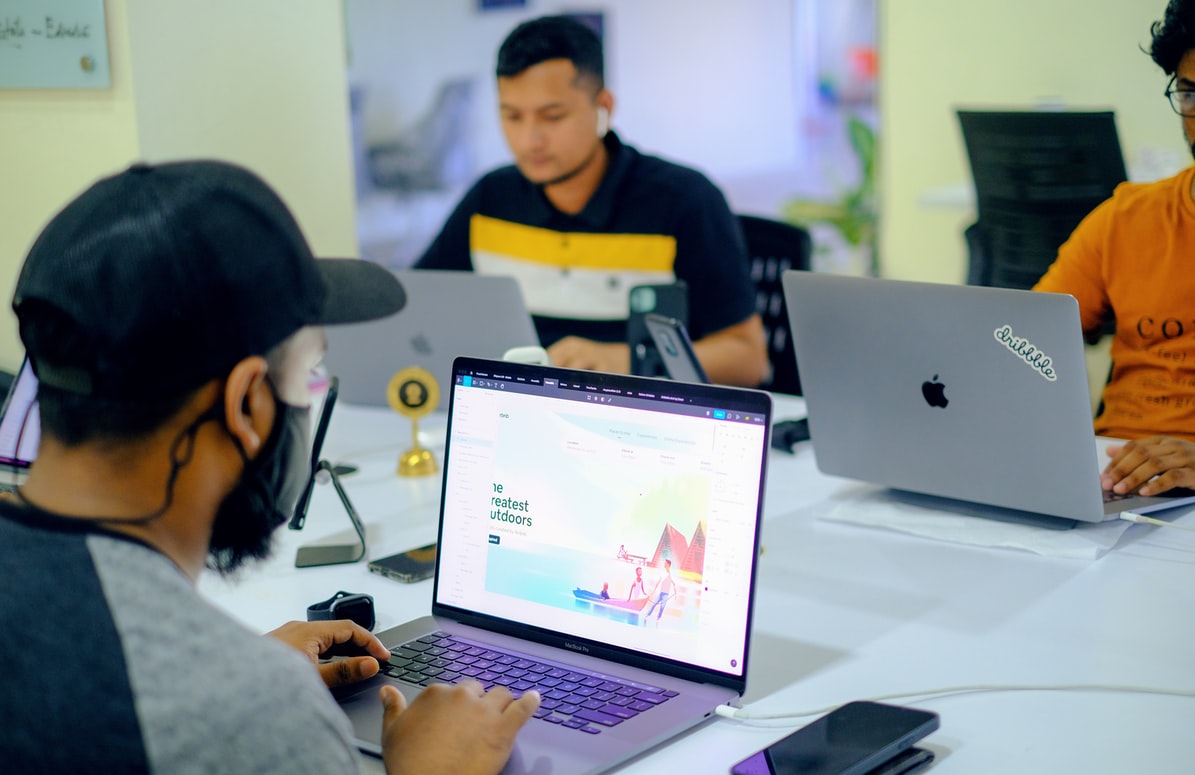
What Common Graphic Design Software Programs Are Available? What graphic design and visual communication skills do you need to be successful?
In order to be successful in graphic design and visual communication, there are a few key skills that are essential. Firstly, proficiency in the Adobe Creative Suite is vital as it is the industry standard software for creating designs, layouts and graphics. This includes Photoshop for photo editing and manipulation, InDesign for page layout, and Illustrator for vector graphics.
Secondly, a good understanding of typography is crucial for creating effective designs. Knowing how to choose appropriate fonts that work well together can make or break a design. An understanding of hierarchy and spacing is also important when it comes to placing text on a design.
Lastly, having an eye for composition and colour theory will help you create visually appealing designs that convey your intended message effectively. This entails knowing how to arrange elements on a page or screen in an aesthetically pleasing manner while maintaining balance and harmony within the overall design. Understanding colour theory helps designers choose colours that complement each other well while conveying the desired mood or emotion of the project.
Graphic design basics: What you need to know to create effective graphics
In graphic design, there are several basic elements that you must master to create effective graphics. These include the use of colour, typography, composition, and imagery. Understanding how these elements work together can help you communicate your message more clearly and effectively.
Colour is an essential component of graphic design as it can affect the mood and tone of your communication. Different colours evoke different emotions in people; for example, red is often associated with passion or danger, while blue is considered calming and trustworthy. Typography refers to the style and arrangement of text on a page. The choice of font, size, spacing, and hierarchy can all influence readability and impact.
Composition refers to how visual elements are arranged within a design. It involves balancing negative space with positive space to create a harmonious layout that draws attention to important information. Finally, imagery plays an integral role in conveying meaning in graphic design. Choosing appropriate visuals, such as photographs or illustrations, can enhance the overall impact of a design by adding depth and interest to it.
The three main types of graphics: Photo, Illustration, or Animation
In graphic design and visual communication, there are three main types of graphics – photo, illustration, and animation. Each type has its own unique characteristics and applications.
Photos are realistic representations of objects or people captured with a camera. They can be used to add authenticity to a project or as a visual representation of something specific. They are commonly used in marketing materials such as brochures, websites, and social media posts because they can easily capture attention and convey information.
Illustrations, on the other hand, are created by artists using various mediums such as pencils, pens, or digital software. Unlike photos that depict reality accurately, illustrations allow for more creative freedom by exaggerating certain features or adding whimsical elements. Illustrations can be impactful when used in branding campaigns, such as logos or mascots that help businesses stand out from their competitors.
Lastly is animation, which involves creating moving images through the manipulation of still images over time. Animations can be either 2D or 3D depending on the artist’s preference, with each bringing its own unique abilities, such as the ability to include special effects in 3D animations, making it perfect for video games, while 2D animations are best suited for educational videos since they require little movement yet provide an effective means of conveying complex ideas through visuals.
Design principles: What you need to know to create effective visuals
In graphic design and visual communication, there are several principles that you need to know in order to create effective visuals. These principles include balance, contrast, hierarchy, alignment, proximity, and repetition.
Balance refers to the even distribution of elements within a composition. It can be symmetrical or asymmetrical, depending on the designer’s intention. Contrast refers to the difference between two elements, such as colour or size, which helps create emphasis and visual interest. Hierarchy is all about creating a clear structure of importance within your design by using different font sizes, colours or shapes.
Alignment helps bring cohesiveness to your design by ensuring that all elements are properly placed in relation to each other. Proximity refers to grouping related elements together so that they form one cohesive unit, while repetition involves repeating certain patterns or motifs throughout your design for consistency.
Understanding these principles of design and implementing them into your work consistently will help you create visuals that are not only aesthetically pleasing but also communicate effectively with your audience.
Elements of good graphic design: How to use colours correctly, layout, fonts, and bullets
Colour, layout, fonts, and bullets are essential elements of graphic design. Knowing how to use them correctly can make a big difference in the effectiveness of your designs. Colours can evoke different emotions and convey different meanings. Understanding colour theory and choosing the right colour palette for your design is crucial for creating a visually appealing composition that communicates the intended message.
Layout plays an important role in organizing content and guiding the viewer’s eye through the design. It involves arranging text, images, and other visual elements in a way that is both aesthetically pleasing and functional. The use of white space is also crucial in creating balance within the design.
Fonts are another key element of graphic design. They can convey tone and personality, as well as add emphasis to certain words or phrases. Choosing appropriate fonts for your project requires careful consideration of readability, style, and purpose.
Bullets are an effective tool for presenting information in a clear and concise manner. They break up long blocks of text into easy-to-read chunks while highlighting important points or lists. When used properly with appropriate spacing between each point, they guide readers through information without overwhelming them with too much detail at once.
Guidelines for creating visual content: How to structure your text, images, and graphics
One of the most important things you learn in graphic design and visual communication is how to structure your text, images, and graphics. When it comes to creating visual content, the way you arrange these elements can make all the difference in how effective your message is at reaching its intended audience. To start with, it’s crucial to have a clear understanding of what you want to communicate before you begin designing any visuals. This will help guide your choices around what kind of images and graphics to use, as well as how much text to include.
Once you have a sense of what you want to say, it’s time to think about how best to organize that information visually. One effective approach is using a hierarchical structure that guides the viewer’s eye from one key point or idea to another in order of importance. To do this effectively, consider using larger fonts or bolder colours for more important information and smaller fonts or lighter colours for supporting details. Additionally, incorporating white space into your design can help prevent overload and create a cleaner overall look.
Finally, when selecting images or graphics for your content piece, be sure they complement rather than detract from your message. Avoid using generic stock photos that feel disconnected from your brand or message; instead, try creating custom illustrations or selecting photography that aligns with both the tone and style of your visual content piece as well as broader branding guidelines set by other marketing materials.
Tips for using technology in your graphic design work
In today’s digital age, technology has become an essential aspect of graphic design work. You’ll learn that you can use various software and tools to create designs that are both aesthetically pleasing and functional. With a wide range of options available, it’s important to choose the right software based on your specific needs as a designer.
One tip for using technology in graphic design is to invest in high-quality hardware, such as a powerful computer with good screen resolution, graphics card, and memory capacity. Doing so will help you run demanding software applications smoothly without any lags or glitches. Moreover, it can help you produce higher-quality designs with increased speed and efficiency.
Another tip is to take advantage of online resources such as tutorials, forums or feedback groups. These can provide valuable insights into the latest trends in graphic design while also allowing you to connect with other designers from around the world. By incorporating these tips into your workflow, you’ll be able to harness the power of technology to create stunning visuals with ease!
Learning how to create effective visuals requires an understanding of graphic design principles and the use of technology.
In graphic design and visual communication, you learn about the basic principles of design, such as balance, contrast, alignment, proximity and repetition. These principles help you create visually appealing designs that are easy to understand and communicate your message effectively. Understanding these principles is essential to creating effective visuals.
Moreover, you also learn about colour theory and typography in graphic design. Colours evoke different emotions in people; therefore, choosing the right colours can make a huge difference in how your visuals are perceived by your audience. Similarly, typography plays an important role in how your message is conveyed through text.
Lastly, technology has revolutionized the way we create visuals today. With software like Adobe Photoshop and Illustrator becoming more accessible than ever before, it’s easier for anyone to create professional-looking designs without needing a certificate in graphic design. However, while technology makes it easier to create visuals, it doesn’t replace an understanding of the principles of design that underpin good visual communication.
What graphic design and visual communication classes can you take to improve your skills?
Graphic design and visual communication classes are essential for those interested in improving their skills in this field. These courses cover various topics, including colour theory, typography, layout design, image editing software such as Adobe Photoshop or Illustrator, and branding.
In colour theory classes, you’ll learn about colour psychology and how to use colours effectively in your designs. Typography courses teach you how to choose the right typeface for your projects and how to create stunning typographic layouts. Layout design covers the principles of composition and how to arrange elements on a page or screen effectively.
Image editing software is also an important part of graphic design courses, as it allows designers to manipulate images creatively. In branding classes, students learn about creating compelling logos that represent a brand’s values effectively.
Overall, graphic design and visual communication classes provide students with the tools they need to create visually appealing designs that communicate ideas clearly and effectively.
The role of graphic design in communication: What are the main aspects of visual communication that graphic designers must consider?
Graphic design plays a crucial role in communication as it is responsible for creating visual content that conveys messages and ideas effectively. As such, graphic designers must consider several aspects of visual communication when designing their work. Firstly, they need to understand the target audience and how they will perceive the message being conveyed. This involves considering factors such as demographics, cultural backgrounds, and language barriers.
Secondly, graphic designers must pay attention to colour theory and typography, as these elements can significantly impact how the message is received. They need to choose colours that evoke emotions or represent particular values while ensuring legibility and readability of text by selecting appropriate fonts according to the type of message.
Lastly, graphic designers must be able to use various software tools proficiently, such as Adobe Photoshop, Illustrator or Sketch App, among others, that help them create visually stunning graphics that communicate effectively with their audience. These skills are valuable not only in traditional graphic design fields but also increasingly necessary in other industries, such as web development or digital marketing, where visuals play an essential role in engaging customers online.
Types of graphics: How are different types of graphics used in communication?
In graphic design and visual communication, students learn about the different types of graphics used in communication. These include illustrations, photographs, charts, graphs, infographics, and videos. Illustrations are often used to convey ideas or concepts that may be difficult to express through words alone. They can also be used to add a creative touch to a piece of content.
Photographs are another important type of graphic used in communication. They help to bring stories to life and can evoke emotions and reactions from viewers. Charts and graphs are often used in reports or presentations to visually represent data or statistics.
Infographics have become increasingly popular in recent years as they allow complex information to be presented in a visually engaging way. Videos are also an important type of graphic as they allow for storytelling through motion and sound. By understanding the various types of graphics available, designers can choose the most appropriate medium for their message and ensure that it is communicated effectively.
Design for print and online media: What steps must a designer take to create effective visuals for print or online media?
Graphic design and visual communication classes teach students how to create effective visuals for print and online media. The first step in creating effective visuals is to understand the purpose of the design. Is it meant to sell a product or service, inform readers, or entertain them? Once the purpose is clear, designers can start brainstorming ideas for their designs.
The next step is to choose the right colour scheme and typography that best represent the message of the design. Colours evoke emotions and set a mood, while typography provides clarity and readability. Designers must also consider the layout of their designs, making sure that they are easy to read and navigate.
Finally, designers need to ensure that their designs are optimized for print or online media. For print media, this means using high-quality images with appropriate resolutions and colour profiles. For online media, designers must optimize images for web use by compressing file sizes without sacrificing quality. By following these steps, designers can create effective visuals that deliver their intended messages to audiences on both print and digital platforms.
Analysis and criticism: What factors do you need to consider when critiquing visuals?
When critiquing visuals, there are several factors that need to be considered. The first is composition. How well does the visual work together as a whole? Are the elements arranged in a pleasing and effective manner? Is there a clear focal point or hierarchy of information?
The second factor is colour. Does the colour scheme complement or distract from the message being conveyed? Are the colours used appropriately for the intended audience and the purpose of the visual? Is there enough contrast to make important elements stand out?
Thirdly, typography plays an important role in critiques. Do the font style and size enhance or detract from legibility and comprehension of information? Are there too many different fonts used that create confusion rather than clarity?
Overall, when analyzing and critiquing visuals, it is essential to consider all these factors in order to provide constructive feedback that will help improve communication efficiency, effectiveness, and impact.
High Demand
In today’s digital age, graphic design and visual communication skills are in high demand across various industries. This is because businesses are increasingly relying on visually appealing content to capture the attention of their target audience. Graphic designers are responsible for creating eye-catching designs that communicate a message effectively through a combination of typography, imagery, and colour.
In addition to traditional media such as print and television, the rise of social media has created an even more significant need for skilled graphic designers. Social media platforms offer businesses an opportunity to reach millions of potential customers with engaging visual content. However, due to the sheer volume of content posted daily on these platforms, it becomes crucial for businesses to create unique and attention-grabbing designs that stand out from the crowd.
As a result, learning graphic design and visual communication can be incredibly advantageous for individuals who want to pursue a career in this field. It provides them with skills that are in high demand across various industries and allows them to work on exciting projects that have a real impact on people’s lives.
Learn To Design Apps And Websites
In today’s digital age, designing apps and websites is a crucial skill that can help you excel in numerous fields. To learn to design apps and websites, you need to have a solid understanding of graphic design and visual communication. These two disciplines are the foundations of creating visually appealing and user-friendly applications.
In graphic design, you will learn about colour theory, typography, composition, branding, and layout. You will also gain experience using software like Adobe Photoshop and Illustrator to create stunning visuals for your projects. With this knowledge base, you’ll be able to develop an eye-catching interface that draws people’s attention.
In visual communication courses, you’ll learn how to combine written content with graphics in order to convey information effectively. This involves understanding how different colours affect emotions or how typography can enhance readability.
What is UI design?
UI design, also known as user interface design, is the process of designing the visual layout and interactive elements of digital interfaces. It involves creating a seamless experience for users to interact with a product or service through the use of buttons, menus, icons, and other graphical elements. The goal of UI design is to make digital interactions intuitive and efficient so that users can achieve their goals easily.
In graphic design and visual communication courses, students learn about various principles that are important in UI design, such as colour theory, typography, layout, and user experience (UX). They learn how to create wireframes and prototypes to test their designs before finalizing them. In addition to technical skills like software proficiency in Adobe Photoshop or Sketch app., designers need strong problem-solving skills to understand user needs and create solutions that enhance usability while maintaining brand identity.
Overall, UI design plays an important role in creating engaging digital experiences for users while helping businesses achieve their goals. By understanding the principles behind it through graphic design education, designers can create outstanding results that meet both user needs and business objectives.
What is UX design?
In graphic design and visual communication, you will learn about the principles of UX design. UX design is short for user experience design. It refers to crafting a digital product or service that caters to the needs of users by making it simple, easy to use, and enjoyable to interact with.
During your studies in graphic design and visual communication, you will become familiar with the key elements of UX design, such as information architecture, user flows, wireframing and prototyping. These components work together to create an intuitive navigation system that allows users to easily find what they are looking for on a website or app. Additionally, you will learn how to incorporate typography choices into designs that improve legibility and hierarchy.
Overall, studying graphic design and visual communication equips students with vital skills in creating visually appealing digital products. By learning the principles of UX Design through these courses, students can develop their skills in designing more effective interfaces for users that are both aesthetically pleasing and usable.
Visual Communication
One of the most important things you learn in graphic design and visual communication is the power of visual storytelling. You learn how to use images, colours, typography, and other design elements to convey a message or tell a story. You also learn how to communicate complex ideas through simple visuals that can be easily understood by your audience.
Another key aspect of graphic design and visual communication is the importance of branding. You learn how to create a unique brand identity that represents your client’s business or organization. This includes designing logos, choosing colours and fonts, and creating marketing materials such as brochures, business cards, and websites.
In addition to these skills, you also learn about the technical aspects of design such as software programs like Adobe Photoshop and Illustrator. These tools are essential for creating high-quality designs that meet industry standards. Overall, studying graphic design and visual communication prepares you for a career in an exciting field where creativity meets technology.
Visual Communication Vs Graphic Design
In graphic design, you learn how to create visuals that are aesthetically pleasing and effectively convey a message or idea. This includes learning about typography, colour theory, layout design, and software such as Adobe Photoshop and Illustrator. The goal is to create designs that are both visually appealing and functional for their intended purpose.
Visual communication encompasses a broader range of mediums beyond just graphic design. It includes photography, videography, animation, illustration, and even non-digital forms such as signage or billboards. The focus is on using visual elements to communicate a message or idea to an audience in the most effective way possible.
While there is an overlap between graphic design and visual communication in terms of creating compelling visuals for communication purposes, the distinction lies in the breadth of mediums covered under visual communication. In either field, mastering these skills can lead to successful careers in advertising, marketing campaigns or branding efforts across various industries.
Graphic Design And Branding
In graphic design and branding, you will learn how to create compelling visual designs that communicate effectively with your target audience. This includes learning how to use typography, colour theory, composition, and other design elements to convey a message or story. You will also gain an understanding of brand strategy and how to develop a cohesive visual identity that represents a company or product.
Through hands-on projects and critiques, you will sharpen your skills in problem-solving, creativity, attention to detail, and communication. You may also explore various software programs used in the industry, such as Adobe Photoshop, Illustrator or InDesign.
Overall, studying graphic design and branding can open up exciting opportunities for creative careers, such as designing logos for companies or developing marketing campaigns for products. It is an ideal field for those who are interested in fusing art with business while gaining the technical skills needed to succeed in the industry.
Visual Communication And Branding
In graphic design and visual communication, students learn how to use visual elements to convey a message or communicate an idea. These skills are crucial in creating effective branding strategies for businesses. By combining typography, colour, imagery, and other design elements, designers can create cohesive brand identities that accurately represent the values and personality of a company.
Through visual communication, businesses can establish a strong connection with their audience by using imagery that resonates with them on an emotional level. This connection creates brand loyalty which helps businesses thrive in today’s competitive marketplaces. Visual branding also plays a pivotal role in strengthening brand recognition by creating consistent visuals across all marketing channels.
Overall, mastering the art of visual communication and branding is essential for anyone looking to succeed in the world of business. It is through effective branding that businesses can establish themselves as leaders in their industry while building long-lasting relationships with their customers.
Graphic Design Vs Web Design
Graphic design and web design are often used interchangeably, but they actually have distinct differences. Graphic designers create visual content using various mediums such as print, digital, and even packaging design. They focus on creating designs that convey a message visually, through the use of colour, typography, images and layout.
Web designers, on the other hand, create websites that are user-friendly and visually appealing. They focus on designing how users interact with web pages. This includes creating layouts for different screen sizes and ensuring the website is accessible to all users.
In graphic design courses, you will learn about typography rules, colour theory principles, composition techniques as well as software skills like Adobe Creative Suite (Photoshop or Illustrator). In contrast, web design courses teach coding languages like HTML5/CSS3/JS and responsive web design principles to enable students to develop interactive websites that cater to various devices.
Overall both fields require creativity but approach it from different perspectives. Understanding the differences between graphic design and web design can help aspiring professionals choose which path to pursue based on their interests and skillset.
Graphic Design Vs Digital Illustration
In graphic design, students learn the principles of design and how to apply them to create visual communication pieces such as logos, brands, advertisements, and print materials. They also learn software skills like Adobe Photoshop, Illustrator and InDesign to make designs come alive on a computer screen. Graphic designers must have an understanding of typography, colour theory, page layout techniques and more.
Digital illustration involves creating artwork using a digital medium rather than traditional art tools like paint or charcoal. Students studying digital illustration learn how to use software such as Adobe Illustrator or CorelDRAW to create illustrations that can be used in print or web media. They also study drawing techniques like composition and perspective.
While both graphic design and digital illustration involve creating visual communication pieces using technology, they have different focuses. Graphic design is more about communicating a message through visual elements while digital illustration focuses on creating artistic expression through software tools.
Graphic Design Vs Application
In graphic design, students learn how to create visual content for print and digital media. They are taught the principles of design, colour theory, typography, layout, and composition. The focus is on creating aesthetically pleasing visuals that communicate a message effectively.
On the other hand, application development focuses on creating functional software applications that solve specific problems or meet certain user needs. Students learn programming languages such as Java and Swift, along with database management tools and web development frameworks.
While both fields involve creativity and problem-solving skills, they have different end goals. Graphic designers aim to create engaging visuals while application developers aim to create functional software solutions. However, there is some overlap between the two fields as more companies seek to integrate good design into their software applications for a better user experience.
Graphic Design Vs Motion Graphics
Graphic design and motion graphics are two critical components of visual communication. While both fields share some similarities, there are some fundamental differences that set them apart.
Graphic design is primarily concerned with creating static visuals used in print and digital media. It involves designing layouts, logos, typography, and other graphic elements that communicate specific messages to the target audience. Graphic designers use software like Adobe Photoshop and Illustrator to create their designs.
On the other hand, motion graphics involve bringing designs to life through animation. Motion graphics designers use software like Adobe After Effects to create animations that can be used in videos or presentations. Unlike graphic design, which focuses on static visuals, motion graphics aim to capture the audience’s attention by creating dynamic and engaging content.
In conclusion, both graphic design and motion graphics have a significant role in visual communication. While they may appear similar at first glance, each field requires unique skills and tools to execute effectively. Whether you choose graphic design or motion graphics as your career path will depend on your interests and abilities.
Graphic Design Vs UI UX
In graphic design, students learn to create visual concepts by hand or using the software. They also learn about typography, colour theory, and composition to communicate ideas effectively. The focus is on creating visually appealing designs that capture the audience’s attention and convey a message.
On the other hand, UI (user interface) and UX (user experience) design are focused on enhancing users’ experience with digital products like websites and apps. These designers must understand how users interact with technology and create interfaces that are intuitive, easy to use, and visually appealing.
While both graphic design and UI UX design rely heavily on visual communication skills, they serve different purposes. Graphic designers aim to evoke emotions or convey information through print or digital mediums while UI UX designers strive to optimize user experiences through an interface’s layout, functionality, and usability. However, these two fields often overlap in areas such as branding or website design, where both aesthetics and ease of use are critical factors for success.
Graphic Design Vs Branding
In graphic design, students learn how to create visual content that communicates a specific message or idea. They develop skills in layout design, typography, colour theory and composition. Graphic designers use these skills to create logos, advertisements, web designs and other marketing materials for businesses.
On the other hand, branding involves creating a unique identity for an organization. It involves developing a brand strategy that communicates the values and personality of the business through messaging and visual elements. This includes designing a logo and selecting colour palettes and typography that align with the brand’s values.
While graphic design is focused on creating visually appealing content for specific projects, such as ads or websites, branding is about building a consistent image for the entire company. Both are important aspects of marketing and require creativity and strategic thinking to be successful. Ultimately, mastering both graphic design and branding can help businesses stand out in their industry by effectively communicating their message to their target audience.
Web Design is in demand.
In today’s digital age, web design has become an essential skill for businesses and individuals alike. With the constant growth in online presence and competition, having a professional website can make or break a business. As such, there is a high demand for talented web designers who can create visually pleasing and functional websites that cater to clients’ needs.
To be successful in web design, one must first understand graphic design principles and visual communication. These skills are crucial in creating effective layouts, typography choices, colour schemes, and the overall aesthetic appeal of a website. Other essential skills include proficiency in programming languages such as HTML/CSS/JavaScript, knowledge of user experience (UX) design principles, search engine optimization (SEO), and responsive design techniques, among many others.
Furthermore, the demand for web designers is expected to continue growing as more businesses shift their focus towards digital marketing strategies. With e-commerce sales predicted to reach over $4 trillion by 2021 globally, it’s clear that having a strong online presence will only become more critical for businesses moving forward. Therefore if you’re interested in pursuing a career in design or looking to enhance your current skill set as a designer, learning web designing would be an excellent choice considering its high demand globally.
Graphic design is in demand.
In the field of graphic design and visual communication, students learn a wide range of skills that are in high demand across various industries. These skills include but are not limited to typography, colour theory, layout design, branding, illustration, and web design. With the rise of digital media and online platforms for businesses to market themselves on, having a strong understanding of these skills is essential.
Graphic designers are responsible for creating visual content that effectively communicates a message or idea to an audience. This could be anything from designing a logo for a new business to creating graphics for social media marketing campaigns. As businesses continue to shift towards digital marketing strategies and e-commerce platforms become more prevalent, the demand for skilled graphic designers only continues to grow.
Additionally, as technology continues to evolve at a rapid pace, graphic designers must stay up-to-date with the latest software and tools in order to remain competitive in the job market. This means that there is always something new to learn in this field, and opportunities for growth and advancement are abundant. Overall, pursuing an education in graphic design can lead to an exciting career path with plenty of potential for success.
Graphic Designer Software: Adobe Photoshop, Adobe Illustrator, Adobe InDesign
As a graphic design and visual communication student, learning how to use industry-standard software is crucial to success in the field. Adobe Photoshop, Adobe Illustrator, and Adobe InDesign are three of the most widely used software programs for graphic designers.
Adobe Photoshop is primarily used for photo editing and manipulation. It allows users to adjust exposure, colour balance, saturation, and other aspects of an image. Graphic designers often use Photoshop to create digital artwork or enhance photographs for marketing materials.
Adobe Illustrator is a vector-based program that is commonly used for creating logos, icons, typography designs, and illustrations. It enables users to create scalable graphics that can be resized without losing quality or resolution. Many graphic designers prefer Illustrator because it allows them to create clean lines and shapes with precision.
Adobe InDesign is a layout program that is ideal for designing printed materials such as brochures, flyers, magazines, and books. It enables users to import text from word-processing programs such as Microsoft Word while maintaining formatting consistency across multiple pages or documents. Graphic designers who specialize in print design typically use InDesign extensively in their work.
Website And Application Builder Software: Figma, WordPress, Elementor.
In the graphic design and visual communication field, one of the most important skills to master is designing visually appealing websites and applications. Figma, WordPress, and Elementor are three popular websites and application builder software that can help designers create high-quality digital experiences.
Figma is a cloud-based design tool that allows multiple designers to collaborate in real time. It offers an intuitive interface for creating responsive web designs, as well as designing user interfaces for mobile apps. WordPress, on the other hand, is a widely used content management system (CMS) that powers over 40% of all websites on the internet. With WordPress, designers can easily create customizable templates and add various plugins for enhanced functionality.
Finally, Elementor is a drag-and-drop page builder plugin for WordPress that enables users to design custom web pages without any coding knowledge. With its vast library of pre-designed templates and widgets, Elementor makes it easy to create stunning website designs quickly.
Overall, mastering these website and application builder software tools is essential for anyone looking to succeed in the graphic design and visual communication industry.
Motion Graphics
Motion graphics is an essential aspect of graphic design and visual communication. It involves creating animations, videos, and other multimedia elements that communicate a message or story through motion. The use of motion graphics has become increasingly popular in today’s digital age due to its ability to capture attention and convey complex ideas in a visually appealing way.
In learning motion graphics, students are taught the principles of animation, including timing, spacing, and movement. They also learn how to use software such as Adobe After Effects or Cinema 4D to create dynamic visuals that can be incorporated into various media platforms such as social media posts, advertisements, and websites. Additionally, students gain an understanding of storytelling techniques that help them create compelling narratives through animation.
Overall, mastering motion graphics is crucial for any aspiring graphic designer or visual communicator who wants to stay ahead of the curve in this fast-paced industry. By effectively communicating messages through engaging visuals and animations, designers can make their work stand out from the crowd and leave a lasting impression on their target audience.
Motion Graphics After Effects
Motion graphics in After Effects is an essential skill for graphic designers and visual communicators. It involves creating animations, transitions, and other dynamic effects that bring still images to life. In addition to enhancing the visual appeal of a design project, motion graphics also help communicate complex ideas more effectively.
In a graphic design and visual communication course, you can expect to learn the basics of Adobe After Effects software, including keyframing, masking, and working with layers. You’ll also learn how to create animated typography and infographics, as well as how to integrate animations into video projects. Along with technical skills, you’ll develop your creativity by learning how to use colour theory, composition techniques, and storytelling principles.
Overall, mastering motion graphics in After Effects is essential for any graphic designer or visual communicator who wants to create engaging designs that capture their audience’s attention while conveying important information effectively. Enrolling in a quality program or taking online courses on this topic can improve your skills tremendously over time.
What is a graphic designer portfolio?
In graphic design and visual communication, a portfolio is an essential tool that showcases your best projects to potential clients or employers. A graphic design portfolio is a collection of your design works that demonstrate your skills, creativity, and style. It serves as proof of your ability to create effective designs that meet the needs of clients.
A well-crafted graphic designer portfolio should include a variety of examples from different mediums, such as print materials, web design, branding projects, motion graphics and more. The selection should be made thoughtfully, including only the most successful work while showing diversity in styles or techniques used.
When putting together a portfolio, it’s important to tailor it for who will be reviewing it – if you’re applying for a job at an agency specialized in web design, then having relevant pieces highlighting those skill sets should take precedence over less relevant work like packaging designs or print ads. Overall the goal is to tell a story about yourself through the work you’ve chosen to showcase – demonstrating not only what you’re capable of but also what makes you unique amongst other designers vying for similar opportunities.
Digital Illustration
Digital illustration is a crucial component of graphic design and visual communication. It refers to the process of creating detailed and intricate illustrations using digital tools like Adobe Illustrator, CorelDRAW, or Sketchbook Pro. In graphic design, digital illustrations are used to create visually appealing designs that communicate ideas effectively.
In visual communication, digital illustrations are used in various ways to convey messages. They can be used in advertising campaigns, book covers, packaging designs, and user interfaces, among others. Digital illustrations enable designers to create unique and eye-catching designs that stand out from the competition.
Graphic designers learn the skill of creating digital illustrations during their studies. They learn how to use different software tools to create various types of images, such as logos, icons, infographics, and diagrams. They also learn how to manipulate colours and shapes to communicate specific ideas through their artwork. With these skills under their belt, they can produce compelling visuals that resonate with their audiences across different platforms, whether it’s on social media or on websites.
What should I include in my portfolio?
A portfolio is an essential tool for graphic designers and visual communicators seeking employment opportunities. It enables potential employers to evaluate the skills, creativity, and style of a designer. Your portfolio should showcase your best works that demonstrate your ability to solve design problems, communicate complex ideas effectively, and create visually appealing designs.
When putting together your portfolio, you should include a range of projects that highlight your versatility as a designer. For example, if you specialize in branding and identity design, include samples of logos, business cards, brochures or packaging designs. Additionally, including process work such as sketches or wireframes can help demonstrate how you approach problem-solving.
It’s also essential to show how you can apply design principles to various mediums, such as print or digital platforms. This includes website designs or social media graphics. Finally, make sure that the layout of your portfolio is clean and easy to navigate so that potential employers can easily find what they are looking for when reviewing it.
What are some tips for designing an effective portfolio?
A portfolio is a crucial tool for graphic designers and visual communicators, as it showcases their skills and creativity to potential clients or employers. To design an effective portfolio, there are some essential tips that you should keep in mind. Firstly, organize your work into categories such as branding, packaging, typography, etc., to make it easier for viewers to navigate through your portfolio.
Secondly, focus on quality over quantity. It’s better to have a few well-crafted pieces than a large number of mediocre ones. Thirdly, ensure that your portfolio reflects your personal style while also demonstrating versatility in different design styles.
Furthermore, be selective about the projects you include in your portfolio; choose pieces that showcase various strengths and demonstrate the breadth of your abilities. Lastly, make sure that everything in your portfolio is current and up-to-date by regularly updating it with new projects and removing any outdated or irrelevant work. Following these tips when designing your portfolio as a graphic designer or visual communicator can make all the difference when presenting yourself professionally in the industry.
Digital Painting
Digital painting is a fascinating and innovative technique that allows artists to create beautiful and intricate pieces of art using digital tools. In graphic design and visual communication, students can learn how to utilize digital painting techniques through various software programs such as Adobe Photoshop or Procreate. These programs allow for an array of brush types, textures, and colours which can be used to create anything from realistic portraits to abstract landscapes.
One significant benefit of digital painting is the ability to make changes quickly without the need to start over entirely. This saves time and resources while also giving artists more creative freedom than traditional mediums such as paint or charcoal. Additionally, digital paintings can easily be shared online with a wide audience through social media platforms or websites.
Overall, learning about digital painting in graphic design and visual communication not only enhances one’s artistic skills but also provides valuable knowledge on how to use technology effectively in the arts industry.
Adobe
In graphic design and visual communication, Adobe is a widely used software that every designer must learn. Adobe Creative Cloud offers various applications such as Photoshop, Illustrator, InDesign, After Effects and more, which are essential tools for creating digital artwork. With these applications, designers can manipulate images, create illustrations, design layouts and produce stunning animations.
In Photoshop, designers can edit photos and create graphics with advanced features such as layers and filters. Meanwhile, in Illustrator, they can create vector graphics for logos and other designs using tools like the pen tool for precision drawing. InDesign allows designers to layout multi-page documents such as brochures or magazines with ease while After Effects is perfect for designing motion graphics and animating text.
Overall, learning Adobe will provide designers with a plethora of skills vital to their profession. It may be daunting at first, but mastering it will allow them to produce high-quality work in no time, making their designs stand out from the competition!
Adobe Photoshop
Adobe Photoshop is one of the most widely used software in graphic design and visual communication. It is a powerful tool that allows designers to manipulate images, create digital art, and enhance photographs. In graphic design courses, students learn how to use Adobe Photoshop to enhance their designs by adjusting colours, adding textures, creating gradients, and manipulating layers. They also learn how to use various tools such as the brush tool, selection tool, and clone stamp tool among others.
In visual communication courses, students are taught how to communicate their ideas using graphics and images through Adobe Photoshop. They learn how to create visually appealing presentations for advertising campaigns and marketing materials using this software. Additionally, they learn about typography principles like kerning and leading, which help them create stunning designs with text in Adobe Photoshop.
Overall, Adobe Photoshop is essential software for graphic designers and visual communicators alike. It offers endless possibilities for creative expression that can be applied across many industries including advertising, publishing, and web design among others.
Adobe Illustrator
Adobe Illustrator is one of the most important tools that graphic designers and visual communicators use to create vector graphics. The software allows users to create logos, icons, typographic designs and illustrations which can be scaled without losing quality. It provides a range of features such as drawing tools, type controls, colour manipulation options and more.
In graphic design and visual communication courses, students learn how to use Adobe Illustrator effectively. They are taught the basics of creating shapes and manipulating them using the pen tool or other drawing tools. Additionally, they learn how to organize their work by grouping objects together and using layers.
Furthermore, students learn about typography in Adobe Illustrator, where they explore different types of fonts and styles available on the software. They also practice creating artistic text effects by manipulating type with various filters or gradients available in the program. In conclusion, working with Adobe Illustrator is essential for anyone who wants to succeed in graphic design or visual communication fields due to its versatility as a vector-based design tool.
Adobe InDesign
In graphic design and visual communication, Adobe InDesign is an important software to learn. It is a desktop publishing application used by designers to create layouts for print and digital media. With InDesign, designers can create everything from brochures, magazines, books, and even interactive PDFs.
One of the key features of InDesign is its ability to handle large amounts of text while maintaining formatting consistency. This makes it an ideal tool for creating long documents such as textbooks or annual reports. Additionally, InDesign allows designers to import graphics and images seamlessly into their layouts.
Another benefit of using InDesign is its integration with other Adobe Creative Cloud applications such as Photoshop and Illustrator. This means that designers can easily edit images or vectors in their respective programs and then import them directly into InDesign without losing any quality.
Overall, learning Adobe InDesign is a valuable skill for anyone interested in pursuing a career in graphic design or visual communication. Its versatility and functionality make it an essential tool for designing a wide range of print and digital materials.









