

What Are The Main Benefits Of Taking A Graphic Design Course Online? – What is Graphic Design?
Graphic design is the process of creating visual communication for products, businesses, and other institutions. It encompasses the creation of logos, print advertisements, web graphics, motion graphics, and any other visuals that help tell a story or convey a message. It can be as simple or complex as desired and often requires input from many different disciplines to create an effective final product.
There are many different types of graphic designers, but most commonly, they are divided into two main categories: creative directors and art directors. Creative directors are responsible for developing the overall vision for the project, while art directors focus on the specific details of design. Each position has its own set of skills and responsibilities, so it is important to find a designer who perfectly aligns with your project’s needs.
Graphic design is an essential component of any brand’s marketing strategy and should be considered when planning any type of advertising or promotional material. Its visually engaging nature can quickly capture attention and encourage viewers to take action, which is why it is such an important part of many online campaigns. With so much potential impact on how people perceive your company, it is crucial to choose the right designer who will create a strong impression from start to finish.
Graphic design is the process of designing visual representations of information. Graphic designers create logos, packaging, web pages, advertisements, and other graphical elements to communicate a message to a target audience. Graphic design often requires the use of typography, colour, and Layout to create a balanced and effective visual presentation.
How do I become a graphic designer?
There is no one-size-fits-all answer to this question, as the best way to become a graphic designer depends on your experience and training. However, some tips on how to become a graphic designer include studying design fundamentals in school, interning with experienced designers, and gaining professional experience through freelance or paid projects. Additionally, many graphic design programs now offer courses in digital marketing and web development as well, which can help you develop your skills in related areas.
What is a graphic designer?
A graphic designer is a professional who creates and enhances the visual aspects of printed or electronic communications. They work with clients to create layouts, graphics, logos, and other visuals that can be used in marketing and advertising campaigns. Graphic designers often collaborate with engineers and other professionals in order to produce specific effects or layouts. Some graphic designers may also specialize in one area of design, such as web development or motion graphics.
What are the responsibilities of a graphic designer?
A graphic designer typically has a range of responsibilities that go beyond the design of a simple logo. A graphic designer is responsible for coming up with original and innovative ideas, as well as creating visually pleasing and effective designs. They are also responsible for ensuring that all graphics conform to industry standards and meet client expectations.
A graphic designer should have strong skills in both design and digital media, as well as excellent communication and organizational skills. They must be able to work independently yet collaboratively with others throughout the design process. A good understanding of typography, Layout, image editing software and other creative mediums is essential for success in this field.
What are the skills needed to be a graphic designer?
The skills needed to be a graphic designer are creativity, attention to detail, and a strong eye for colour. Many graphic designers also have expertise in typography, layout design, and branding. In order to be successful as a graphic designer, it is important to have good communication and collaboration skills. It is also helpful to have experience working with digital tools such as Adobe Photoshop or Illustrator.
Types of Graphic Design: Print, Web, Motion Graphics, etc.
Graphic design encompasses many different types of media, from print to web to motion graphics. Each type of design has its own set of techniques and principles that must be mastered in order to produce effective work.
Some of the most common types of graphic design are print, web, motion graphics, and branding. Print graphic design typically involves designing and layouting a piece of text or printed material, while graphic web design might involve creating a website’s look and feel or developing custom animations or interactive elements. Motion graphics often involve creating visual effects for films, television shows, or advertisements. Finally, branding involves designing logos and other branding materials for businesses.
Each type of graphic design requires a unique set of skills and knowledge in order to create effective work. Anyone interested in pursuing a career in graphic design should become well-versed in the various methods and styles involved in the field.
Principles of Graphic Design: Typography, Colour, Layout, and more
Graphic design principles can be broken down into typography, colour, Layout, and more.
Typography is the choice of typefaces and their sizes, leading to the overall look of a design. For example, using a family of fonts with different weights can create a range of looks that work together in a cohesive way.
Colour is another important principle in graphic design. The use of colour can help to set moods or emphasize certain aspects of a design. For example, using green to represent nature might make a document feel more inviting.
The layout is also an important part of graphic design. It can help organize content and make it easy to read. For example, using grids or columns to break up text or images can make them easier to see.
The Art of Graphic Design: From Concept to Completion
There is no definitive answer to the question of what makes a great graphic designer. However, there are some important factors that must be considered in order to produce successful visuals. Here are four essential components of graphic design: concept, Layout, typography, and image editing. Conceptualization is the first step in designing a successful piece of communication and must include an understanding of the client’s needs and wants. Once this groundwork has been laid, it’s important to create an effective layout that is both visually appealing and easy to navigate. Typography can make or break a design, so it’s important to choose fonts that complement the content and theme of the project. Image editing can play an important role in achieving a polished final product and should be used sparingly, if at all – over-editing can ruin a good design.
What is graphic design? How does it differ from other forms of design?
Graphic design is the process of designing the visual aspects of a product. It can be divided into two categories: logo design and typography. Logo design is the creation of a brand’s visual identity, including its logo. Typography is the creation of typefaces and font styles that make text look attractive and readable. Graphic designers also often focus on creating effective layouts and using colour to create a visually pleasing product.
Elements of Graphic Design: What are the main elements of graphic design?
The main elements of graphic design are typography, Layout, image editing, and colour. Typography is the selection and arrangement of typefaces on a page. The layout is the placement and organization of elements on a page. Image editing includes things like cropping, resizing, and manipulating images to improve their appearance. Colour consists of the use of colours in a design to create a specific effect.
Graphics designers use a variety of elements in their designs to achieve a specific goal. Some of these elements are typography, images, colour, Layout and composition. In this blog post, we will focus on the main elements of graphic design and how to use them to create effective and appealing designs.
Type
One of the most important aspects of graphic design is the typeface used. A well-chosen typeface can help create a professional and polished look for your design. When choosing a typeface for your project, keep in mind the following factors:
The font’s weight or thickness
The font’s style
The font family
The font size
The font colour
To find the right typeface for your project, you can use online resources such as Google fonts or Typophile.com. Once you have chosen a typeface, be sure to test it out on different pages of your design before committing to it. You can also consult with a professional graphic designer if you have any questions about using typefaces in your designs.
Images
Images are another essential part of any Graphic Design project. Images can help convey ideas and messages more effectively than words alone, so it is important to choose images that reflect your project’s theme and tone.
Principles of Graphic Design: What are the fundamental principles of graphic design?
There are a few fundamental principles of graphic design that are essential for any designer to understand. These include understanding how to create effective typography, creating visual hierarchy, using colour effectively, and using effective composition to achieve the desired effect. Additionally, it is important to be familiar with the various design trends so as not to fall victim to them. By understanding these principles, designers can create visually appealing and engaging content that will resonate with their audience.
The Creative Process: How does a graphic designer go about creating a piece of work?
A graphic designer goes about creating a piece of work by first coming up with an idea for the project. Next, the designer creates a rough draft of the project using a variety of different mediums, such as sketches, drawings, and paintings. Once the rough draft is complete, the designer revises it and finally produces a finalized product. Throughout this process, the designer must keep in mind the client’s specifications as well as their own artistic ambitions.
Applications of Graphic Design: What are some common applications for graphic design?
Graphic design is used in many different applications. Some common applications of graphic design include logo design, website design, and product packaging. Graphic designers often create graphics for businesses or organizations to help them stand out from their competitors. Graphic designers also create graphics for personal use, such as artwork for a home screen or timeline on a computer.
Graphic design can be used to create a variety of different applications. Some common uses for graphic design include: creating logos, designing brochures and flyers, creating web graphics, creating book covers and illustrations, designing packaging and branding, and creating illustrations for children’s books.
Application Building
There are many different types of graphic design applications out there, and each has its own set of strengths and weaknesses. Whether you’re a freelance designer looking for an application that offers more flexibility in terms of project management or you work for a large company with in-house designers, understanding the different types of applications can make your job easier.
Some popular graphic design applications include Adobe Photoshop, Adobe InDesign, Adobe Illustrator, and CorelDRAW. Each application has its own unique features that can come in handy for different types of projects. For example, Photoshop is great for creating graphics that will be used on websites or printed materials, while InDesign is perfect for creating print layouts or logos.
Which application is right for you depends on the type of project you’re working on and the tools available to you. If you’re just starting out as a graphic designer, it’s worth investing in one application that offers general-purpose features like Photoshop and InDesign. As your skills develop, however, you may find that specialized applications offer more advantages specific to your work.
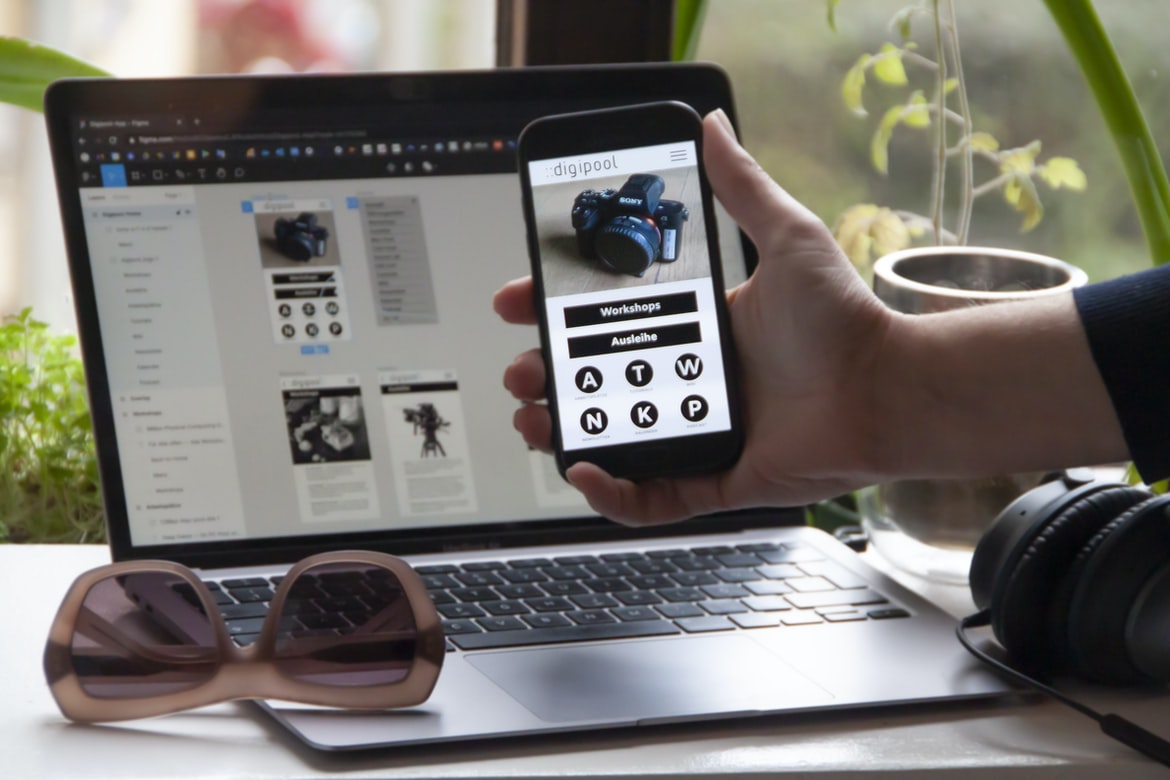
Figma: Building Apps Without Coding Knowledge
When it comes to creating a new app, most people turn to code. But what if you don’t have any coding experience? There’s another way of building an app- using Figma. Figma is a free design tool that allows users to create and share visual designs with others in minutes. With Figma, you can build an app without any coding knowledge at all!
E-Commerce Platform
In the graphic design world, there are a few different types of platforms that businesses can use to sell their products. The most popular platform is probably eBay, but there are others, like Etsy and Amazon, that are also popular. Each platform has its own set of pros and cons, so it’s important to choose the right one for your business.
EBay is definitely the most popular e-commerce platform out there. It’s user-friendly and has a huge marketplace with tons of buyers and sellers. However, it can be difficult to get started because you need to create an account and set up a seller profile. Additionally, eBay charges high commissions (between 7% and 15%), so it’s not always the best option for small businesses.
Another popular e-commerce platform is Etsy. Etsy is great for artists and crafters who want to sell their products online rather than in person. It has a smaller marketplace compared to eBay but offers lower commissions (between 3% and 5%). Another advantage of Etsy is that users can find information about local businesses in their area, which can be helpful when deciding where to sell products.
Finally, there’s Amazon Marketplace. Amazon Marketplace is great for businesses that have large inventories or need more exposure than eBay or Etsy can offer. It’s also good for businesses that want to sell physical products (like books or clothes) rather than digital products (like software).
Graphic design is in demand.
A recent poll by Inkscape found that graphic design is one of the most in-demand fields in the United States. The demand for graphic designers is likely due to the increasing popularity of creative industries, such as advertising and marketing.
While a certificate in graphic design may be the best route to take, there are many opportunities for those without formal education to become successful graphic designers. Many studios and agencies now prefer applicants who have experience working with Photoshop or Illustrator, so learning these programs is important. Additionally, gaining experience through internships can help you develop skills that will be valued by employers.
Graphic Design
Graphics and typography are essential elements in any design project. A well-designed piece of graphic design can help convey your message to your audience, while a poorly designed one can backfire and actually detract from the effectiveness of your message.
There are many different types of graphic design, each with its own set of skills and techniques. Some common types of graphic design include web design, logo design, marketing materials, and advertising. Each type has its own set of guidelines and standards that must be followed in order to produce a quality product.
Some important things to keep in mind when designing graphics include legibility, simplicity, consistency, and hierarchy. Keep in mind the target audience you are designing for as well as the medium you will be using (web vs print). Finally, use your creative instincts to come up with unique and eye-catching designs that will get people thinking about your message!
Graphic Design Mobile App
The popularity of graphic design on mobile devices has exploded in recent years, with more and more people preferring to have their designs displayed on smaller screens. With that in mind, there is a growing demand for mobile app designers who can create high-quality graphics that look good and feel smooth on small screens.
There are a number of factors to take into account when designing mobile apps. First and foremost, make sure the graphics are legible on a small screen. This means making sure text is large enough and fonts are legible at a distance, as well as using consistent font sizes throughout your design. Additionally, make sure all elements are easily accessible and user-friendly. It’s no fun trying to figure out how to use an app if the graphics aren’t easy to understand or navigate.
Another important factor to consider when designing mobile apps is how the graphics will behave under different circumstances. For example, does the design work well when it’s zoomed in or out? Will it look good when viewed from a distance or up close? Once you know these sorts of things about your design, you can start optimizing it for different scenarios.
Overall, it’s important to pay attention to both the aesthetic appeal of your graphics as well as their functionality on small screens. By taking these factors into account, you can create high-quality graphics that users will love!
There is a growing trend of graphic design being used in mobile apps. Graphic designers are often hired to create user interfaces, icons, and other graphical elements for mobile apps. Some popular graphic design mobile app examples include Instagram, Snapchat, and Uber. Often times these apps have unique designs that set them apart from other mobile apps.
What is UI design?
UI design is the process of creating a visual interface for a software or web application. This can include anything from developing high-fidelity mockups to creating effective user flows and designs. Although there are many different aspects to UI design, one of the most important things is ensuring that the user experience is top-notch.
UI design is the process of creating a user interface for software or a website. A good user interface should be easy to use, look good, and function well. UI designers also often work with web developers to create the underlying code for websites and applications.
What is UX design?
User experience (UX) design is the process of designing products that are easy to use, understand, and navigate. It encompasses all aspects of user interface design, from creating wireframes and prototypes to testing designs with actual users.
UX designers must consider not only how users will interact with a product but also how they will perceive it—from the Layout and colours used onscreen to the overall branding and marketing strategy. Good UX design can help boost customer loyalty and increase sales volumes.
There are many different methods for evaluating UX design effectiveness, including surveys, interviews, usability tests, and focus groups. However, the most important factor in determining whether a product is user-friendly is always feedback from actual users.
User experience (UX) design is the process of designing a product or service that makes its intended users happy. Typically, this involves understanding the user’s needs and wants, creating an effective and intuitive interface, and testing the product in different environments. User experience designers may also work onsite with customers to test their interactions with a product or service.
There are several key principles behind good UX design: making sure the user understands how to use the product; facilitating quick and easy navigation; ensuring that all features are easily accessible; preventing frustration and confusion; and providing helpful feedback. By following these guidelines, designers can create products that are both easier to use and more satisfying for users.
Visual Communication
Visual communication has come to be an essential part of our everyday lives. Whether it’s on the web, in advertisements, or even just in our personal lives, visuals have become an important tool for communicating ideas and messages.
There are a number of different ways to create visual communication, and while many techniques are used across different mediums, there are some that are more commonly seen in certain contexts. For example, product packaging often uses images and typography to evoke a desired mood or feeling, while web design can use bright colours and imagery to grab attention.
However, regardless of the context or technique being used, always keep in mind the purpose of visual communication – to engage and move viewers by creating a memorable experience.
Visual communication is the process of creating a message that can be understood through the use of images. Images can be used to represent ideas, thoughts, or feelings. They can also be used to create a story or convey a message. Visual communication can take many forms, including advertising, product packaging, web design, and photojournalism.
There are many different types of images that can be used in visual communication. Some examples include photographs, illustrations, logos, icons, and diagrams. It is important to consider the audience that will be viewing the image before deciding which type of image to use. For example, an advertisement designed for a general audience may use photos, while an advertisement designed for technical users may use illustrations.
One of the most important factors in effective visual communication is Layout. Layout refers to the placement of elements on a page or screen so that they are legible and visually appealing. The layout should consider both content and layout aesthetics, such as colour composition and design principles, such as hierarchy and balance. The layout also affects how viewers interpret information on a page or screen. Poor Layout can result in confusion or frustration on the part of viewers.
The layout is an important aspect of graphic design because it affects how viewers interpret information on a page or screen.
Visual Communication Vs Graphic Design
Visual communication is the process of creating effective and meaningful messages through the use of visuals. Graphic design is the creation of graphics, whether for commercial or editorial purposes, that are concerned with creating an appealing and effective visual presentation.
There are many similarities between graphic design and visual communication, but there are also important distinctions. Graphic design is often concerned with creating an aesthetic look and feels for a piece of content, while visual communication is more about communicating a message effectively. Graphic designers may also address issues like Layout, typography, and colour choice, but these factors should never take precedence over the content or message of a piece of communication.
One important difference between graphic design and visual communication is that graphic designers typically have a greater understanding of how to use typography and images to create powerful messages than most people do. This understanding enables them to create visually striking designs that can easily communicate their ideas to audiences. Visual communicators, on the other hand, maybe better at conveying complex messages through simple visuals without having to rely on type or imagery as heavily.
Visual communication is the use of visual elements to convey a message. Graphic design, on the other hand, is the creation of graphical designs for print, the web, or any other medium. Graphic designers typically work with clients to create a specific look for their product or project. Visual communication can be done through any medium – from text and images on a website to signage and advertisements.
The two fields share many similarities, but there are also key differences. Visual communication often relies heavily on images and visual elements to communicate a message. Graphic design, in contrast, tends to focus more on typography and Layout. This can impact how well a graphic design communicates its message – for example if an image is difficult to understand or misinterpreted due to poor formatting or composition.
Overall, graphic design is more focused on creating aesthetic visuals, while visual communication depends more on content and messaging. However, these fields are increasingly converging as digital media continues to take over traditional forms of communication.
Application of Graphic Design: Adobe Photoshop, Adobe Illustrator, Adobe InDesign
There are many graphic design software programs that can be used to create professional-looking documents. Photoshop, Illustrator, and InDesign are three of the most common and widely used programs. Each program has its own strengths and weaknesses, so it is important to know what each one can do before starting a project.
For instance, Photoshop is great for creating simple graphics or logos, while InDesign is better suited for more complicated layout work or producing print documents. Illustrator is great for vector illustrations and flow charts, but it may not be as versatile as Photoshop or InDesign when it comes to designing logos or icons. Ultimately, the choice of which graphic design program to use depends on the specific needs of the project.
Adobe Photoshop is used to create layouts and graphics for web pages, print materials, and other creative projects. Adobe Illustrator is used to designing logos, icons, and illustrations. Adobe InDesign is used to create complex layouts and documents.
Figma, Adobe XD, WordPress, Elementor.
There are a number of graphic design programs that are available for use. Some of the more popular ones include Adobe Photoshop, Adobe Illustrator and Inkscape. However, there are also other options available, such as Figma, Adobe XD and WordPress. Each program has its own strengths and weaknesses, so it’s important to choose one that will fit the needs of your project.
Figma is a software program that was created by Pixar Animation Studios. It’s designed for creating digital models and illustrations. Its strengths include its ease of use and its ability to generate high-quality files. One downside is that it’s not as widely used as some of the other programs mentioned here, so you might have to search for specialist support if you need help using it.
Adobe XD is another software option that’s gaining popularity among graphic designers. It offers features similar to those found in Adobe Photoshop but with greater flexibility and versatility. One potential downside is that it can be more expensive than some of the other options mentioned here, but it has a growing user base, so there should be plenty of support available if you need it.
WordPress is one of the most popular content management system (CMS) platforms on the internet today. It’s free to use and can be configured in a variety of ways to meet your specific needs.
What is the career outlook for a graphic designer?
The graphic design industry is booming, with a projected growth of over 18% through 2020. This is great news for designers, as the demand for high-quality graphics has never been higher. There are many opportunities to pursue a career in graphic design, and the outlook is especially promising given the current economy. Here are some key facts to keep in mind when thinking about a career in graphic design:
1. Graphic designers can work in a variety of settings, including businesses and non-profit organizations.
2. The best way to learn about graphic design is to start working on projects right away. There are no expensive certificates required to become a successful designer; all you need is an interest in this field and some basic skills.
3. The Bureau of Labor Statistics (BLS) predicts that the graphic design industry will grow 18% through 2020, making it one of the fastest-growing careers out there!
In the field of graphic design, there are many opportunities for advancement. Graphic designers may work in advertising, editorial design, web design, or product packaging. They may also be responsible for creating entire collateral for a company or working on specific projects. The outlook for a graphic designer is generally good, and there are many opportunities to learn new skills and grow in the field.
How does graphic design relate to other careers?
When considering the field of graphic design, it is important to think about how it relates to other career paths. Graphic designers may work in related fields such as advertising, product packaging, or journalism. Graphic design may also be used in conjunction with other art forms, such as painting or photography. In addition, graphic designers often collaborate with others in the field in order to create a final project. This can include working with engineers, software developers, and manufacturers. Thus, graphic design is a versatile profession that can be applied to many different fields and contexts.
What are the benefits of learning graphic design?
There are many reasons why someone might want to learn graphic design. For some, it may be a way to express themselves creatively. For others, it may be a way to create beautiful and effective advertisements or website designs. Whatever the reason, learning graphic design can provide many benefits.
One of the most important benefits of learning graphic design is that it can help you improve your creativity. By creating beautiful graphics, you can show off your unique style and help your work stand out from the crowd. Additionally, graphic design skills can be very useful when creating flyers, brochures, or other marketing materials.
Graphic design also has a lot of practical applications. For example, graphics can be used in web page layout or in creating logos and trademarks. In addition, effective graphics can help make websites more user-friendly and attractive. Finally, good graphic design skills can help you land jobs in the creative field or even lead to freelance work opportunities.
Graphic design is an ever-growing and pervasive industry that has numerous benefits for individuals who learn it. First, graphic design can provide a career path with many opportunities for growth and advancement. Second, graphic design can help individuals develop their creativity and problem-solving skills. Finally, graphic design can provide an outlet for personal expression and can be a source of satisfaction for those who pursue it.
What are some examples of things you can do with graphic design skills?
Graphic design is the process of designing graphical representations of information such as logos, signs, advertisements, and web pages. It can involve the use of a variety of graphic mediums, including photography, illustration, and typography. Graphic designers may also work with film, video, sound, or product packaging.
Some common duties of a graphic designer include creating concepts for projects, developing layouts and graphics using traditional or digital tools, ensuring that all materials conform to branding guidelines, and supervising the production process. In addition to producing finished products, graphic designers are often called on to provide consultation services to clients in related fields such as advertising or marketing.
Graphic design is the process of creating a visual representation of information using any combination of typography, graphics, images, and animation. Graphic designers can create everything from simple logos and ads to complex website designs and full-blown marketing campaigns.
Graphic designers can use their skills to create anything from simple logos and ads to complex website designs and full-blown marketing campaigns.









