

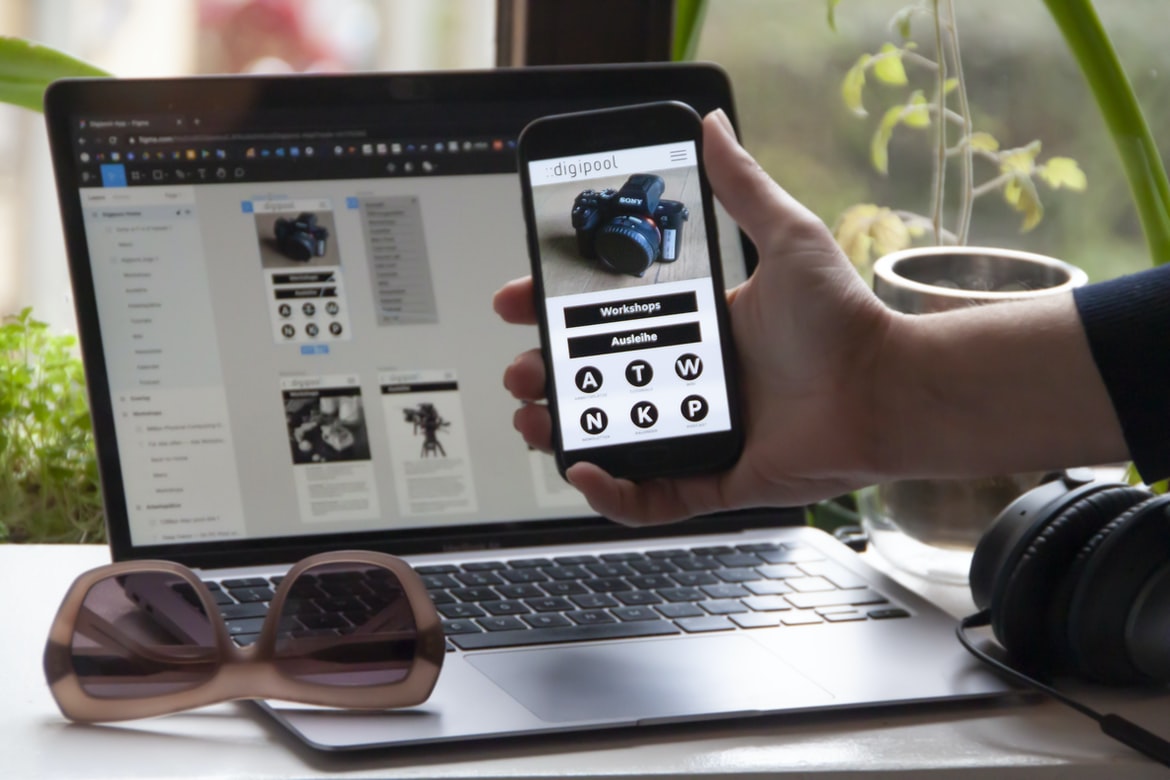
Since their early days as simple text-based pages, online interfaces have evolved into more user-friendly platforms. Websites today are more interactive and user-friendly than ever before, thanks to the development of modern web design UI UX. These days, website users can interact with websites in a variety of ways, including through rich and customisable user interfaces.
With so many options available to user interface designers, it can be hard to know where to start when designing an online interface. However, there are a few key elements that should always be included in any online interface. First and foremost, a good online interface should be easy to use. Users should be able to navigate around the site without difficulty and find the information they’re looking for quickly and easily.
Second, an online interface should be visually appealing.
What is web design UI UX?
Web design UI UX refers to the interaction between a user and the design of a website. It encompasses how well the user can understand and navigate through the design, as well as how easily they are able to find what they are looking for. There are many different factors that go into creating a good web UI UX, including histograms, typefaces, colour schemes, and button placement.
Defining web design UI UX: Elements of a good user experience
Web design UI UX should focus on the following:
The first step in creating a good user experience for a web design is to understand what makes a good user interface. There are five key elements of UI UX, each of which must be considered when designing a website.
Inputs: The first thing any user sees when they visit your website is the input area. This includes everything from text fields to drop-down menus to checkboxes. If your inputs are difficult to use or confusing, your users will give up before even trying to get started. Make sure everything is easy to find and use and that all information is neatly organised.
Design: Once the users have input their information, it’s time for you to start designing!
The use of icons and other icons in web design
Icons have commonly used graphics in web design, and they can add a level of professionalism to an interface. They can also be useful for navigation, indicating different types of information, and providing feedback. There are many different icon libraries available online, so it’s important to choose one that is appropriate for the project. Care should be taken when choosing icons, as overuse can create an overwhelming or unattractive interface.
Tips for improving the user interface of your site
The user interface (UI) is one of the most important aspects of a website. Poor user experience can lead to lost customers and decreased brand loyalty. Here are some tips for improving the user interface of your site:
– Keep the layout simple and easy to understand. Use focus groups to test different layouts and see which works best for your audience.
– Balance functionality with aesthetics. Make sure all elements of the UI are functional, but also make sure they look good and are easy to use.
– Use clear, concise labels and buttons. Your users will thank you for it!
– Give users feedback as they interact with your site. Not only will it help them learn how to use your site better, but it will also give you feedback about how people are using your site and what features are most popular.
Graphic Design
Graphics design has come a long way since the days of crudely drawn illustrations or logos. Today, graphic designers use sophisticated software to create beautiful and user-friendly interfaces for websites and software applications. Here are some key principles of great graphic design:
1. Use Clear and Simple Design Language
Graphic designers should use simple, easy-to-read design language to ensure that their work is easily understood by users. This includes using clear typography, avoiding unnecessary clutter, and using consistent colour palettes throughout your designs.
2. Use Effective Navigation Patterns
Graphic designers need to ensure that their navigation patterns are user-friendly and efficient. Users will quickly become lost if they cannot find what they’re looking for or if the navigation is difficult to understand or navigate.
Visual Communication
Visual communication is the process of creating effective visual displays that communicate ideas and messages to people. It can be used in a variety of settings, including web design, advertising, and product packaging. Effective visual communication can help drive user engagement and conversion rates, as well as create a positive first impression.
There are several different aspects that need to be considered when designing visual communication solutions. These include layout design, typography, colour choice, imagery, and motion graphics. Layout design is critical for ensuring that all elements on a page are easily accessible and organised. Typography can play an important role in setting the tone and mood of a piece, while colour choices can add appeal and energy. Images should be used sparingly but effectively to convey meaning, while motion graphics can help create an engaging experience.
All these factors come together to make an effective visual communication solution.
If you’re looking for an effective visual communication solution, you need to take into account a lot of factors. Here are 8 of the most important:
1. appropriateness of the design for the target audience
2. clarity and simplicity of the design
3. compatibility with the user’s device and web browser
4. ease of use
5. accessibility and usability for different groups of users (e.g., seniors, people with disabilities)
6. attractiveness and trendiness
7. design for multiple devices
8. consultation with users to ensure that the design meets their needs. You don’t want to be using a visual communication system that isn’t properly designed for your audience, that doesn’t work well on your web browser, or that’s hard to use in any way.
Visual Communication Vs Graphic Design
Visual communication has become an essential part of web design, as it allows for a more engaging user experience. Visuals can help users understand how a website works and can be used to create a more polished look. Graphic designers are often tasked with creating visuals for websites, but the two disciplines have some key differences that need to be considered when creating a successful visual design.
First, graphic designers typically focus on overall design concepts, while visual communication specialists tend to specialise in individual elements such as layout or typography. Second, graphic designers use photo-realistic images and illustrations to illustrate their designs, whereas visual communication specialists may use simpler graphics or icons to convey the same message. Third, graphic designers often work with Photoshop and Illustrator, while visual communication specialists often use tools like Inkscape or Papyrus.
Application of Graphic Design: Adobe Photoshop, Adobe Illustrator, Adobe InDesign
Graphic design is an essential and versatile skill that can be used in a variety of industries. The three most popular graphic design programs are Adobe Photoshop, Adobe Illustrator, and Adobe InDesign. Each program has its own unique features that make it the best choice for certain tasks.
Here are great reasons to learn and use each of these programs:
1) Photoshop is the oldest of the three programs and is considered the industry standard. It has a wide range of features for manipulating images, including tools for creating graphics, logos, and illustrations.
2) Illustrator is designed specifically for creating illustrations and vector graphics. It has features like layer groups, masks, and gradient tools that allow you to create complex designs with ease.
3) InDesign is perfect for creating layouts and templates for web applications or print publications.
Figma, Adobe XD, WordPress, Elementor.
Figma, Adobe XD, WordPress, and Elementor are all web design UI UX tools that allow designers to create user interfaces with a high degree of precision and flexibility. They each have their own strengths and weaknesses, but they’re all worth considering if you need to build a user interface for your website or app.
Here’s a look at the main features of these tools:
-Figma is an intuitive tool that allows you to create highly detailed user interfaces.
-Adobe XD is versatile and easy to use, but it doesn’t offer as much detail as Figma.
-WordPress is popular because it’s simple to set up and use, but its user interface isn’t as detailed as those offered by some of the other tools.
What is the difference between UI and UX apps?
A web design UI UX approach helps to create a seamless user experience across all devices. This includes desktops, laptops, tablets, and phones. It is important to consider the different user types when creating a web design UI UX so that everyone can have an enjoyable experience. By taking these into account, you can make sure that your website looks great on any device or browser. Additionally, good web design UI UX ensures that all content is easily accessible and search engine friendly.
How do UI and UX apps benefit companies?
Companies today are recognising the importance of user interface (UI) and user experience (UX) in their marketing strategies. UI and UX apps help companies by improving the customer experience, increasing conversions, and reducing customer churn rates. There are a few reasons why these apps benefit businesses:
1. Improving Customer Experience: A well-designed UI and UX can greatly improve the customer’s overall experience with your company. This includes making it easier for them to find what they need, finding the information they want fast, and having a positive overall impression of your company. By doing this, you can gain new customers who might have been interested in your product but were put off by the interface or design.
2. Increasing Conversions: A well-designed UI and UX can increase conversions by making it easier for people to complete actions on your website or app.
What are the best practices for creating effective UI and UX apps?
There are a few things to keep in mind when creating effective user interfaces (UI) and user experience (UX) applications. Some of the most important practices include creating clear and concise designs, using intuitive design patterns, and ensuring your app is responsive. Additionally, it’s important to consider the target audience when designing your app, as well as the platform it will be used on. By following these best practices, you can ensure that your users have a positive experience and that your app will be successful.
What qualities should a successful UI and UX app have?
A successful UI and UX app need a well-thought-out design, intuitive navigation, and seamless user experience. In order to create a great user interface and UX, it is important to have an understanding of human cognitive processes. It is also necessary to be able to understand the user’s goals and needs in order to create a product that meets those needs. Finally, it is essential to have a strong understanding of how users interact with your product.
A successful web design UI and UX app must have a well-thought-out design, easy-to-use controls, and stunning visuals. The app should be user-friendly and provide easy access to the necessary information for users. In addition, the app should be visually appealing and able to draw in users with its great design.
How do user feedback and analytics impact the design of UI and UX apps?
User feedback and analytics are two important factors that designers take into account when designing user interfaces (UI) and user experience (UX) applications. User feedback helps designers improve the usability and performance of the app, while analytics provide valuable insights into how users interact with the app.
Some common uses for user feedback include fine-tuning the design of a UI or UX, improving functionality, and optimising results. By understanding how users use the app, designers can make improvements that will make the app more enjoyable to use for everyone.
User feedback is crucial in order to improve a product’s usability and performance. By getting feedback from real users, designers can identify issues early on and correct them before they become problems. In addition to fixing problems, getting user feedback also helps designers better understand how people interact with the app.
What technologies are used to develop high-quality UI and UX apps?
There are a variety of technologies that are used to create high-quality user interfaces (UI) and user experience (UX) apps. Some of the most popular technologies include web design, Adobe Photoshop, Illustrator, Inkscape, and SolidWorks. When developing an app, it is important to choose the right technologies to best suit the project.
Some Factors To Consider When Choosing A Technology:
1. Budget: One of the most important factors to consider when choosing a technology is budget. Depending on the size and scope of the project, different technologies may be more or less expensive than others. It was important to find a technology that fits within your budget and meets your needs.
2. Flexibility: Another important factor to consider when choosing a technology is flexibility. Different technologies can be more or less flexible depending on what you want them to do. For example, a virtualisation technology may be more flexible than another because it can be used for different projects. However, a data replication technology might not be as flexible because the data needs to be replicated in order to work properly. 3. Scalability: Scalability is a measure of how much data can be stored or replicated on a system. This is important because the more data you have, the more you will pay to store it.
How do teams work together to create a successful UI and UX app?
Working as a team to create a successful UI and UX app can be a challenge. However, by following these guidelines, teams can create an effective product.
1. Establish clear goals for the project from the beginning. This will help team members stay on track and make sure each task is contributing to the ultimate goal.
2. Communicate regularly with each other. This allows everyone on the team to keep up with progress and makes changes easier to make when necessary.
3. Work together as a collective group. When different members have different skills or knowledge, it is important that they are allowed to contribute their expertise in an effective way.
4. Be patient and allow for feedback throughout the process. It can be frustrating when things don’t go as planned, but this is how progress is made overall.
Are there any challenges associated with developing a good UI and UX app?
There are a few challenges associated with developing a good UI and UX app, but they can be overcome with the right planning and research. First, it’s important to understand the target market of the app. Second, it’s important to design a user interface that is easy to use and looks good on all devices. Third, it’s important to create a user experience that is engaging and fun for users. Fourth, it’s important to test the app before release to ensure that it meets all user needs. Fifth, it’s important to keep updated with current trends in UI and UX design so that your app looks modern and engaging. Finally, always remember that customer feedback is essential for improving your app’s usability and overall appeal.
What are the advantages of using a UI/UX app?
There are many advantages to using a UI UX app when designing web pages or user interfaces. The app can help designers create more user-friendly designs by providing them with tools to make their interfaces easier to navigate and understand. Additionally, the app can help users find what they are looking for faster and help them stay organised. Lastly, apps like these can save a lot of time and money by streamlining the design process.
How do UI/UX apps help increase customer engagement?
There’s no doubt that good web design is essential for any business, but it’s also important to think about how to make the user experience as good as possible. This means incorporating user interface (UI) UX into your designs from the start, and there are plenty of great app-style UI UX solutions out there that can help increase customer engagement.
One of the most common ways to improve a user’s experience with a website or app is by making everything easy to find and use. This means placing key features where they’re most likely to be used and designing them so that they’re intuitive and visually appealing. Some popular techniques for doing this include using hierarchical menus, grouping related content together on single pages, and using clear labels and icons.
Another key element of good UI UX is making sure all information is easily accessible.
What features do UI/UX apps provide to users?
There are many features that UI UX apps provide to users. Some of these features include:
-A well-designed user interface that is easy to use and understand.
-A variety of options and customisation options that allow users to customise the app to their own needs.
-An easy way for users to input information, making the process easier and more efficient.
-Various tools and features that can be used to improve the overall user experience.
What impact can a well-designed UI/UX have on customer satisfaction?
A well-designed user interface (UI) can have a significant impact on customer satisfaction. According to research by Nielsen, customers who are satisfied with the design of their website are more likely to return than those who are not. In addition, a study by Adobe shows that increased customer satisfaction leads to increased revenue and reduced churn rates. Therefore, it is important for web designers to pay attention to the UI design of their websites in order to create an experience that satisfies users and positively affects their overall business operations.
How can businesses improve their user experience with UI/UX apps?
User experience (UX) is a term used in the design and development of websites and mobile apps. It refers to how an end user interacts with the product or service. In order to create a great UX, businesses must consider a variety of factors, including the following:
-The design of the interface
-The use of colour and typography
-The layout and organisation of content
-The design of buttons and menus
-The attention to detail in graphics and animations
There are many different UI UX apps available for businesses to use. Some popular examples include Axiom, Basecamp, and Dribbble. Each has its own set of features and advantages that can be useful in designing better interfaces. By understanding how these apps work, businesses can create better user experiences that will keep their customers happy.
What factors should be considered when choosing a UI/UX app?
When choosing a UI UX app, it is important to consider the app’s target audience, the features and functionality required, as well as the platform on which it will be used. Additionally, the app’s design should be tailored to meet specific user needs.
Some factors to consider when choosing a UI UX app include the app’s target audience; the features and functionality required; platform requirements; and design considerations. Additionally, it is important to consider how users will use the app and what benefits they will derive from using it.
What is the difference between UI (User Interface) and UX (User Experience) design?
UI and UX design are two very different types of design. UI design is all about the look and feel of the user interface, while UX design focuses on how the user experiences the interface. These two disciplines often work together to create a cohesive user experience. UI designers should focus on creating an appealing visual interface while also considering how users will interact with it. UX designers should focus on designing an effective and easy-to-use interface that meets the needs of the users.
What are the key elements of a successful UI/UX design?
When it comes to designing user interfaces (UI), there are a few key elements that should be taken into account. According to UI design experts, effective UI designs must be Functional, Accessible, Reusable, Well-crafted and Error-free. Additionally, the interface should be consistent with the company’s branding and aesthetic. Here are some more tips on how to create a successful UI UX design:
1. Make sure the interface is functional and easy to use. Users should be able to navigate around the interface quickly and easily without having to search for specific features or buttons. Incorporate clear layout and labelling of main sections, as well as clever use of icons and buttons.
2. Make sure the interface is accessible to all users.
How do UI/UX design trends change over time?
Web design trends over time have been very noticeable in the way that user interfaces are designed. Traditionally, web design has relied heavily on templates and premade designs, which have been easy to use but have not evolved much since the early 2000s.
In recent years, however, there has been a shift towards more customised designs which take into account the user’s individual preferences. This trend is likely to continue as users become more demanding and expect more control over their online experiences.
What are the benefits of having a good UI/UX design for an app?
There are many benefits to having a good UI UX design for an app. One of the most important is that it can make the app more user-friendly. This means that users will be able to find what they are looking for more easily and will not get frustrated as often. Additionally, a good UI UX design can help make the app look more attractive, which may lead to higher downloads and better ratings. Overall, having a good UI UX design is essential if you want your app to be successful.
Having a good UI UX design for an app can have a number of benefits. For one, it can make the app easier to use and more user-friendly. Additionally, good UI UX design can make the app more engaging and attractive to users. Finally, good UI UX design can help increase the app’s overall popularity and reach.
What technologies and tools are used in UI/UX design?
UI UX design is an ever-growing field with a variety of technologies and tools at its disposal. Here are some of the most popular ones:
– Photoshop: Used for creating layouts, graphics, and logos.
– Illustrator: Used for creating vector illustrations and icons.
– Inkscape: Used for creating custom drawings and logos.
– Sketch: A vector graphic design program that is used for wireframing and prototyping.
– Axure RP: A user interface design tool used to create wireframes, Prototypes, and Flowcharts.
How can I improve my UI/UX skills?
User experience (UX) is the process of designing a product or service to make it easy, fast and enjoyable for users. With so many devices and platforms to design for, becoming a good UX designer requires both creativity and technical ability. Here are ways to improve your skills:
1. Study user research methods. Learning how to collect and analyse data about users will help you understand their needs and desires. This information can be used to create better interfaces and websites.
2. Use different types of software tools. Not all tools are created equal when it comes to user experience design; using different software can help broaden your perspective. For example, Sketch is popular among web designers because it has features that allow you to easily create vector illustrations and prototypes. Adobe Photoshop is often used by graphic designers, but its layout capabilities can also be helpful in creating user interfaces.
Layout capabilities can be helpful in creating user interfaces. By using layout features, designers can create a more organised and efficient interface for users. This can be especially helpful when creating websites or apps that are used frequently by multiple people. Additionally, layout capabilities can help create a more visually appealing interface.
Web design capabilities can help create a more visually appealing interface. By understanding the different web design capabilities, designers can create interfaces with a more professional look and feel. These capabilities include: creating custom graphics, using templates, and working with colours and fonts.
Some common web design features that are enhanced by these capabilities include logos, backgrounds, and buttons. When possible, it is often best to use custom graphics instead of premade images. This will give the appearance of greater professionalism and authority to the website. Additionally, templates can be helpful in streamlining the process of creating a website. By using premade designs, designers can concentrate on creating content rather than spending time setting up the template. Finally, colour and font choices play an important role in creating a professional look for websites.
Designing a website can be a daunting and time-consuming task. To make the process as smooth and efficient as possible, there are a few key things to keep in mind when crafting a professional look for your site. Keep these tips in mind to help your website look its best:
1. Choose an easily navigable design. Your website should be designed with an easy-to-use interface in mind, so visitors can quickly find what they’re looking for. Make sure all of your content is organised logically and easy to access from any location on your website.
2. Use typography wisely. Good typography can make a great deal of difference when it comes to the overall aesthetic of your website. Use typefaces that are legible and well-designed, and pair them with appropriate colours to create an attractive and cohesive design.
3. Use images wisely. Images and photos are a great way to add visual interest to your site and can make a huge difference in the overall appearance of your website. Keep an eye out for images that complement your subject matter so that they don’t distract from your message.
4. Use Headlines/Headings. Headlines and headings are very important to the overall appearance of your website. They should be used sparingly, but if they are not used at all, it will seem as though you have no message.
Are there any tips or best practices for designing effective user interfaces and experiences?
User interfaces (UI) and user experiences (UX) are two important aspects of web design. A well-designed UI can make a website more user-friendly, while a good UX can help users find what they’re looking for and make the experience enjoyable. Here are some tips for designing effective UI and UX:
1. Keep users in mind from the beginning. It’s important to design with the user in mind from the very beginning, as users will be your main focus throughout the entire process. Sketch out rough ideas and test them with potential users before settling on anything final.
2. Be easy to use. Make sure all elements of the UI are easy to use and understand. This includes buttons, labels, menu items, and form fields. If users have to struggle to figure something out, it’ll likely frustrate them and lead to negative feedback.
Frustrate them and lead to negative feedback.
In order to create a positive user experience, designers must frustrate their users as little as possible. This is because frustrating users will often result in negative feedback, which can then be used to improve the design.
The best way to frustrate users is by making them do something they don’t want to do. For example, forcing them to scroll horizontally on a page when they only wanted to scroll vertically. Or making them search for an answer when they just wanted the option to submit their form without having to fill out all the fields.
By frustrating users, you can create an environment where people are more likely to voice any problems they have with the design. This feedback can then be used to make the design better for everyone involved.
Designing for everyone involved is critical to creating successful web designs. The user experience should be a top priority, especially when it comes to mobile and tablet design. Ensuring that all users have a positive experience when using your website or application can make a significant impact on the success of your business.
In order to create an effective user interface, it’s important to consider the different types of users who will be using your site or app. Different devices require different user interfaces in order to be effective. For example, desktop websites should be designed with mouse input in mind, while mobile websites should take into account touchscreen use and how users interact with apps on their devices.
It’s also important to think about how users will interact with your site or application later on down the line.
UX (user experience) is an important part of web design and can make or break an application or site. When designing a UI, it’s also important to consider how users will interact with the site or application later on down the line. For example, if you’re designing a login screen, think about how people will enter their credentials. If you’re designing a blog post page, think about what people will do after they’ve read the article (like sharing it on social media). By thinking ahead and taking these factors into account, you can create a user interface that is both easy to use and pleasing to look at.
Designers are beginning to think beyond the traditional website and into the world of mobile applications. With a growing number of people using portable devices such as tablets and smartphones, it is important for designers to consider how their designs will look on different types of screens. This means that they need to be familiar with different user interface (UI) design principles, which can be learned through hands-on experience.
If you’re like most people, your first experience of using a computer was probably using a mouse and keyboard. Buttons, scrolls, and clicks all seemed so simple and intuitive. What if we told you that the way you interact with your computer is actually quite dated? In this hands-on experience, we’ll show you how to use a modern web design UI UX.
Do you want to create a stunning user interface for your website? If so, you need to learn how to use modern web design UI UX principles. In this article, we will show you how to create a beautiful and intuitive interface using some of the best web design tools on the market.
First and foremost, it’s important to choose the right web development platform. For this tutorial, we will be using Adobe Dreamweaver CC. However, most of the concepts and techniques outlined in this article can be applied to any modern web design platform. Once you have chosen your platform, it’s time to start building your UI.
One of the most important aspects of any user interface is the layout. When designing your layout, it’s important to think about how users will interact with your website.
Web design UI UX is important to consider when designing a website. Users will interact with the website and its features, so it’s important to make sure the interface is easy to use. A well-designed interface will make users feel confident in using the site and will increase user engagement.
Some elements that contribute to a well-designed interface are intuitive icons, clear labels, and an easy navigation system. These features help users understand how the site works and find what they’re looking for quickly. Additionally, effective web design UI UX includes responsive design principles so that the website looks good on all devices.
When designing a website, it’s important to consider everything from its layout to its user interface UX. By taking these factors into account, you’ll create a site that users will enjoy using, and that will increase your online presence.
If you want to enjoy using your website, make sure the user interface (UI) and user experience (UX) are top-notch. The following tips will help you improve both aspects of your website.
1. Keep the UI simple and easy to use. Make sure all of the buttons, links, and icons are clearly labelled and easy to access. Additionally, make sure all pages load quickly and without any errors.
2. Make sure the UX is comfortable and inviting. Your visitors should feel at ease while browsing your website. Include plenty of visual cues—such as colour, typography, and images—to help guide them along the way.
3. Take advantage of modern design trends. Today’s web users are accustomed to sleek, modern interfaces with intuitive design principles. Utilise these features to create a standout impression on your visitors.









