

Web Based Graphic Design Programs – What are the different types of graphic design, and how do they differ from one another?
There are several different types of graphic design, each with its own unique characteristics and functions. One of the most common types is branding and identity design, which focuses on creating a visual identity for a brand or company through logos, typography, colour schemes, and other visual elements. Another type is marketing and advertising design, which involves creating graphics for campaigns such as ads, brochures, flyers, and social media posts.
One more type of graphic design is user interface (UI) design, which includes designing interfaces for websites or apps. UI design aims to make digital products as user-friendly as possible by placing information in strategic locations on the pages based on user behavioural patterns.
In summary, graphic designers have various specializations that can suit a wide range of fields. From branding and identity to marketing and advertising designs to UI/UX designs – each specialization requires its own set of skills to create aesthetically appealing designs that meet specific goals.

FREE GRAPHIC DESIGN COURSES
Graphic design is created to communicate messages through designs.
Graphic design is an essential aspect of visual communication, as it provides a creative solution to convey complex messages through simple and visually appealing designs. It combines typography, colours, shapes, and images to create a compelling message that can be easily understood by the audience. As such, graphic design plays a significant role in branding and marketing strategies for businesses.
Through graphic design, designers can create logos, brochures, websites, social media posts, and other marketing materials that effectively communicate the brand’s identity and values. They use their skills to enhance the customer experience by creating aesthetically pleasing designs that evoke emotions and encourage engagement with the brand. Graphic designers are trained to understand the psychology of colour theory and how different hues can influence people’s perceptions of brands.
Furthermore, graphic design is used in various industries beyond just branding and marketing. For example, it is commonly used in instructional manuals to illustrate complex concepts or instructions clearly. It also has applications in product packaging where designers use graphics to create a unique product identity that stands out on the shelf. In conclusion, studying graphic design offers students an opportunity to learn how powerful visuals can be in communicating messages across all industries.
There are five main types of graphic design: Illustration, Animation, Typography, Photography, and Graphic Design Theory.
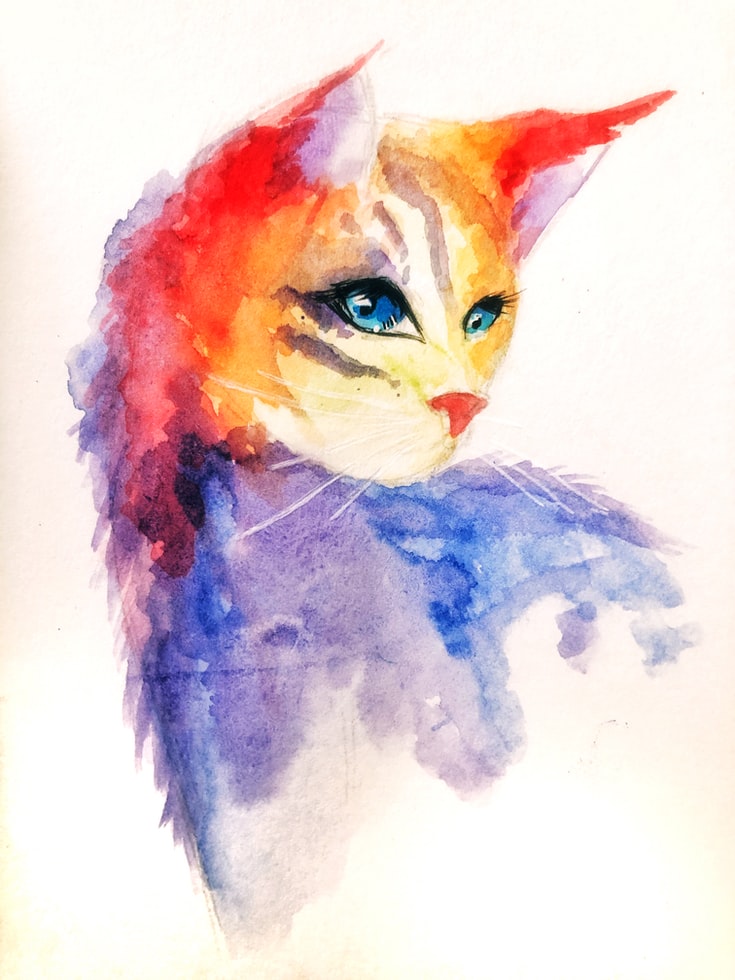
Illustration is a type of graphic design that involves creating artwork, images, and visuals through drawing or painting. It is often used in branding, packaging design, advertising campaigns, and editorial illustrations for magazines and newspapers. Illustrators use various mediums such as pencils, pens, markers, watercolours or digital tools to create their works.
Animation is another type of graphic design that involves creating moving images using computer software. Animators work on everything from TV commercials to full-length feature films. They must have knowledge of software like Adobe After Effects or Maya to create 2D and 3D animations for TV shows, movies and other video content.
Typography is the art of arranging text in an aesthetically pleasing way. It includes selecting fonts based on their style and legibility as well as designing layouts that enhance readability. Typography plays a crucial role in creating brand identities for companies by crafting logos with unique fonts.
Photography is also a significant component of graphic design; it focuses on capturing stunning images through the lens of a camera. Professional photographers must have knowledge about lighting setups or compositions to capture the perfect shot for their clients.
Finally, Graphic Design Theory encompasses all aspects related to the practice of graphic design—including history, principles & elements of design theory—providing designers with techniques they can apply when designing projects for clients across different industries. Understanding these concepts helps designers think critically while solving problems creatively so they can produce effective designs tailored specifically towards each client’s unique needs and goals.
Illustration: Illustrations are images that tell a story. They can be artful or simple.
Illustrations are an essential component of graphic design and visual communication. They can help convey complex ideas in a simple and visually appealing way, making them an effective tool for communicating with audiences. Illustrations can come in many forms, from hand-drawn sketches to computer-generated images.
Artful illustrations are often used in marketing campaigns or advertising materials to draw the viewer’s attention and create a memorable impression. Simple illustrations can be used to highlight specific aspects of a product or service or to break up long blocks of text to make it more visually appealing.
Learning how to create effective illustrations is an important skill for anyone studying graphic design and visual communication. It requires a combination of technical skills and creativity, as well as an understanding of how different styles and techniques can be used to communicate specific messages. With the right training, aspiring designers can master the art of illustration and use their skills to create impactful designs that capture the attention of their target audience.
Animation: Animation is a way to make a sequence of images look like it’s happening in real-time.
Animation is an essential component of graphic design and visual communication. It uses a sequence of images to create the illusion of movement, which can be used in various mediums such as films, games, advertisements, and websites. Animators use different techniques, such as traditional hand-drawn animation, stop-motion animation, or computer-generated graphics, to bring their ideas to life.
The style of animation depends on the message that needs to be conveyed. For instance, some animations are simple, while others are complex and detailed. The goal is to make sure that the message is clear and easy for the audience to understand. In today’s digital age, many industries rely on animated content as it effectively grabs attention and communicates information visually.
As technology continues to advance rapidly, animators have more tools at their disposal than ever before. This means that they can produce more realistic and dynamic animations with ease. Soon enough, we may see 3D holographic projections becoming a norm in advertising campaigns or even in everyday life.
Typography: Typography is the use of letters and symbols to communicate information.
Typography is an essential part of graphic design and visual communication. It involves selecting the appropriate typeface, font size, spacing, and overall layout to effectively communicate a message. Typography can convey an array of emotions and moods by using different types of fonts.
An experienced designer knows how to use typography to create a hierarchy of design elements such as headlines or paragraphs. By adjusting the font size, weight, and style, designers can draw attention to specific parts of a design or text. Additionally, typography plays a crucial role in branding as it is often used for logos and company names.
Overall, understanding typography is essential for anyone studying graphic design or visual communication. It allows designers to effectively communicate their message while also creating visually appealing designs that capture the viewer’s attention. By mastering the art of typography, designers can take their designs from average to exceptional with ease.
Photography: Photography is the process of taking photos and then printing them out.
Photography is much more than just taking photos and printing them out. It is an art that requires careful consideration of various elements, such as lighting, composition, and subject matter, to create a beautiful image that tells a story. A photographer must be able to understand the technical aspects of photography, including aperture, shutter speed, and ISO settings, in order to capture the perfect shot.
In graphic design and visual communication fields, photography plays a vital role in creating compelling visuals for websites, advertisements, social media posts, and other marketing materials. The right photograph can enhance the message being conveyed by the designer or marketer. Therefore it is essential for designers to have at least basic knowledge of photography.
Photography has become increasingly accessible with advancements in technology, making high-quality cameras available on most smartphones. This accessibility has given rise to amateur photographers who can learn and experiment with photography without investing heavily in equipment. Furthermore, social media platforms like Instagram have created new opportunities for amateur photographers to showcase their work and build a following.
Graphic Design Theory:
Graphic design theory is an essential subject for anyone looking to study graphic design and visual communication. It covers the basic principles of design, such as colour theory, typography, composition, and hierarchy. By understanding these principles, students will be able to create designs that are visually appealing and effective in conveying their intended message.
In addition to teaching the basics of design theory, this subject also delves into more advanced topics like branding and identity. Students will learn how to create a brand strategy and develop a unique visual identity that reflects the values of the company or organization they’re designing for. They’ll also study user experience (UX) design which focuses on creating designs that are useful, usable, and enjoyable for users.
Overall, studying graphic design theory provides students with a foundation in the fundamental concepts necessary for creating compelling visual designs that communicate effectively with their intended audience. With continued practice and implementation of these theories into their work process, students can build successful careers as graphic designers or visual communicators.
What are the key elements of graphic design composition?
The key elements of graphic design composition are fundamental components that help designers create effective and visually appealing designs. Composition refers to the arrangement of visual elements in a design, such as colour, typography, images, lines, shapes and negative space. It is important for graphic designers to master these elements in order to create balanced and harmonious compositions.
Colour is one of the most important elements in graphic design composition because it can evoke emotions and set the tone for a design. Typography also plays a crucial role in composition since it communicates information and can be used to convey mood or style. Images are another essential component because they can communicate ideas quickly and effectively. Lines and shapes are used to create structure within a design, while negative space allows for breathing room between visual elements.
In order to achieve an effective composition, designers must balance these key elements while keeping in mind the overall purpose of their project. They need to be able to navigate through different styles and techniques in order to produce high-quality work that meets their client’s needs while also being aesthetically pleasing. With practice and experience, mastering these fundamental components will enable designers to elevate their skills in creating compelling visual communication pieces that stand out from the crowd.
How can I create balance in my graphic design projects?
The concept of balance in graphic design refers to the distribution of visual elements within a composition. A well-balanced design creates a sense of equilibrium and harmony that can make it more appealing to the viewer. There are different types of balance that designers can use, such as symmetrical, asymmetrical, radial or mosaic. Symmetrical balance is based on mirroring elements around a central axis, whereas asymmetrical balance involves arranging elements in an unbalanced yet visually pleasing way.
To create balance in your graphic design projects, you need to consider several factors such as colour, shape, size and texture. For instance, you can achieve symmetrical balance by using identical shapes and colours on both sides of your composition or by placing elements equidistant from each other. Asymmetrical balance requires more creativity and experimentation since it involves playing with contrasting colours or shapes to achieve visual equilibrium.
Finally, it’s worth mentioning that creating balance in graphic design is not just about making things look good; it also affects how people perceive information and engage with your message. A balanced design can help guide the viewer’s eye towards important information or create a certain mood or atmosphere that reinforces your brand identity. By studying graphic design and visual communication techniques related to balancing elements within compositions, you’ll be able to create effective designs that communicate your message clearly while engaging viewers’ attention at the same time.
How can I use proximity to effectively organize my design layout?
Proximity is one of the key principles of design, and it refers to the relationship between different elements within a layout. By using proximity in your design, you can organize information in a clear and intuitive way that guides the viewer’s eye and makes it easy to understand the content. One effective way to use proximity is by grouping related items together, such as headlines with their accompanying body text or images with their captions. This helps create a hierarchy within the design, making it easier for viewers to know where to look first.
Another way to use proximity is through whitespace or negative space. By leaving areas of empty space around certain elements, you can create visual separation and emphasize certain parts of your design. For example, if you have multiple images on a page but want one particular image to stand out, surrounding it with a whitespace will draw attention to it and make it more prominent.
Ultimately, using proximity effectively requires careful consideration of how each element relates to others in a layout. By grouping related items together and strategically utilizing whitespace, designers can create layouts that are both aesthetically pleasing and functional in communicating information clearly.
How should I align elements to create an orderly design?
Alignment is one of the fundamental principles of graphic design, and it can create a sense of order, balance, and harmony in your designs. When you align elements on a page or screen, you create visual connections that help guide the viewer’s eye through your design. To achieve this goal, start by selecting a grid system that suits your project’s needs. A grid will establish a structure for your layout and provide guidelines for placing elements.
Once you have established your grid system, use alignment tools to ensure that all elements on the page line up correctly. This process involves setting margins and adjusting padding and spacing between text blocks or images while considering font sizes and styles as well as colour schemes for each element.
When designing websites or mobile applications with multiple pages or screens, it is essential to maintain consistency throughout the layout. Consistency helps users navigate seamlessly from one page to another without feeling lost or confused about where they are in the application or website. Therefore, maintaining uniformity across all instances in which an element appears ensures continuity and enhances user experience (UX).
What are the benefits of using repetition in graphic design?
Repetition is an essential element of graphic design that can help create a unified and cohesive look for your designs. It involves repeating specific design elements such as colours, shapes, patterns, and fonts to create consistency throughout your work. This technique not only adds to the overall visual appeal but also serves practical purposes such as creating a hierarchy and emphasizing important information.
One of the significant benefits of using repetition in graphic design is that it makes your designs more memorable. By repeating certain elements throughout your design, you create a consistent visual language that helps viewers remember and recognize your brand quickly. Repetition can also help establish a sense of rhythm and flow within the composition, which can contribute to a more harmonious aesthetic.
Moreover, repetition in graphic design can be used to highlight specific information or content. By repeating key information, such as headlines or slogans, across various platforms (such as social media posts or ads), you increase its impact on viewers’ minds. Additionally, repetition can be used to establish a particular mood or style for your designs by utilizing consistent colour schemes, typography choices, and other visual elements. Overall, incorporating repetition into your graphic design practice comes with many benefits that enhance the effectiveness of your work while making it more visually appealing.
How can contrast be used to emphasize important design elements?
The use of contrast is one of the most powerful tools in graphic design, and it can be applied to many different elements within a design. By employing contrasting colours or shapes, designers can emphasize certain features, draw attention to specific areas, and create a sense of hierarchy that guides the viewer’s eye through the piece.
One way contrast can be used is through colour choices. When using a bold colour palette with bright, contrasting hues like reds and blues or black and white on a page with pale text will make sure that the text stands out in an easily readable fashion. This technique works well when creating infographics or diagrams where you want to highlight key information.
Another way contrast can be used is in the texture. A smooth surface next to rough-textured surfaces creates tension between two very different sensations, which – again – highlights important design elements. This strategy is especially effective in print designs such as posters or brochures where you want to evoke a particular mood or emotion.
Finally, contrast can also be used effectively with typography by using varying font sizes and weights for headings versus subheadings versus body copy. This makes it easier for readers to quickly scan content and identify what’s most important on any given page.
What is the role of white space in graphic design?
White space, also known as negative space, is the empty area between elements in a design. It plays an essential role in graphic design and visual communication by enhancing the overall readability, legibility, and aesthetic appeal of a design. White space ensures that there is enough breathing room around each element to avoid cluttered and confusing designs.
Moreover, white space allows designers to guide the viewer’s attention by strategically placing elements on the page. It helps create balance and hierarchy within a layout while highlighting specific areas that are crucial for conveying information. Additionally, white space can be used as an effective tool for creating contrast between different elements, such as text or images.
Finally, white space can reflect brand personality and create a sense of luxury or sophistication when used appropriately. Luxury brands often use generous amounts of white space to convey elegance and exclusivity in their designs. In conclusion, white space is not just an empty area but rather an integral part of any great graphic design or visual communication piece that can enhance its effectiveness tremendously when utilized correctly.
How do I create a hierarchy of visual elements in my design project?
When designing anything, it is important to create a hierarchy of visual elements that will guide the viewer’s eye through the design. This is especially true in graphic design and visual communication, where the goal is often to convey information or a message. A hierarchy can be created using a variety of techniques, such as colour, size, contrast, and placement.
One way to establish hierarchy is through the use of colour. Brighter or bolder colours tend to have more weight than muted or pastel colours, so they can be used to draw attention to important information. Another technique is to vary the sizes of different elements within your design. Larger items attract more attention than smaller ones, so by making key pieces larger, you can create a clear visual hierarchy.
Contrast can also help establish hierarchy and make certain elements stand out. For example, placing light text against a dark background or vice versa makes it easier for viewers to read and focus on what’s important. Finally, placement plays an important role in establishing hierarchy as well – placing key elements towards the centre of your design will typically draw more attention than if they were off-centre or tucked away in a corner somewhere.
What are the best practices for incorporating photography and
Photography and graphic design go hand in hand. They can enhance each other’s effectiveness when combined correctly. The use of high-quality images is essential to create a visually pleasing and engaging design that will communicate the intended message effectively. The following are some best practices for incorporating photography into your graphic designs.
Firstly, it is essential to choose the right image for your design. This means selecting photos that align with your brand or message, convey the desired emotion or tone, and have a clear focal point that draws the viewer’s eye towards it. Secondly, ensure that the images you use are of high quality and resolution, as blurry or pixelated pictures can negatively impact your design.
In addition to this, consider using negative space wisely by placing text over areas where there is no important information in the photo. This will prevent overcrowding and make it easier for viewers to read any accompanying text without their visual attention being pulled away from the main image.
Overall, incorporating photography into graphic designs requires careful consideration of various factors such as image selection, quality, resolution, and negative space usage. By following these best practices, you can create effective designs that capture your audience’s attention while communicating your intended message clearly and concisely.
How do graphic design composition, balance, proximity, alignment, repetition, contrast, white space, and hierarchy work together to create an eye-catching design?
Graphic design composition is the process of arranging visual elements in a way that creates a cohesive and aesthetically pleasing design. The balance of these elements is crucial to creating an eye-catching design. Balance can be achieved through symmetrical or asymmetrical compositions, depending on the desired effect. Proximity refers to the way that objects are grouped together, which can create emphasis and hierarchy within a design.
Alignment is another important factor in graphic design composition, as it helps to create order and structure within a layout. Repetition can also add structure and consistency to a design, whether it’s through patterns, shapes or other visual elements. Contrast adds interest and depth to a design by emphasizing differences between elements such as colour or texture.
White space plays an equally important role in graphic design composition because it allows for breathing room between different elements of the layout. This can help create focus on certain parts of the design or simply make it more visually appealing overall. Lastly, hierarchy is key when designing content-heavy layouts such as magazines or websites because it allows for easy navigation and comprehension by viewers. Overall, each element plays an essential role in creating an eye-catching graphic design composition that truly stands out among others in its field.
What is the importance of utilizing white space in graphic design?
White space, also known as negative space, is the area between design elements in a graphic design. It is important to utilize white space in a design because it can improve the readability and legibility of the content. It allows the eyes to rest and focus on the most important elements of the design, such as text or images.
Moreover, white space helps create balance and hierarchy in a design. It provides a visual breathing room that makes it easier for viewers to scan through information quickly and effectively. A cluttered design with no white space can be overwhelming and may cause confusion which defeats its purpose.
In conclusion, incorporating white space into your designs enhances their overall aesthetic appeal while increasing their effectiveness by making them more readable, balanced, and easy to navigate. Expertly utilizing negative space will ensure that your designs are not only visually appealing but also functional and effective.
Are there any specific principles to consider when selecting artwork or photography for a graphic design?
When selecting artwork or photography for a graphic design, there are specific principles that one needs to consider. The first principle is the relevance of the artwork or photograph to the content of the design. The image should complement and enhance the message that the design is trying to convey.
The second principle is quality. High-quality images will create a professional look and feel for your design, while low-quality images can make your work seem unprofessional and may even undermine its credibility.
Thirdly, when choosing an image for your graphic design, it’s important to consider its composition. Elements like colour schemes, contrast levels, lighting effects, and framing can have a significant impact on whether or not an image works well in a particular context.
In conclusion, selecting artwork or photography for a graphic design requires careful consideration of various factors such as relevance, quality and composition. By taking these principles into account when making decisions about what visuals to use in your designs, you can ensure that your work looks professional and conveys your messages effectively.
What is UI design?
UI design, also known as user interface design, is a critical aspect of graphic design and visual communication. It involves designing the interface that users interact with when navigating a website or mobile application. The goal is to make the user experience seamless, intuitive, and visually appealing.
UI designers work closely with UX designers to ensure that the layout and functionality of the interface are optimized for usability. They consider factors such as colour scheme, typography, iconography, button placement, and navigation flow when creating designs that meet both aesthetic and functional requirements.
A successful UI design ensures that users can easily complete their desired actions on a website or app without getting frustrated or confused. This requires careful consideration of how users will interact with the interface based on their previous experiences using similar products. In summary, UI design plays a crucial role in enhancing the overall user experience by making it easy for users to achieve their goals while enjoying an attractive visual presentation.
What is UX design?
UX design or user experience design is the process of designing products or services with the users’ needs and experiences in mind. Essentially, it involves creating a positive and seamless experience for the user while they interact with a product or service. UX designers are responsible for researching, designing, and testing different aspects of a product’s functionality to ensure that it meets the user’s expectations.
One key aspect of UX design is usability testing. This involves observing how users interact with a product or service to identify any pain points or areas for improvement. From there, designers can make adjustments to improve the overall experience. Another important consideration in UX design is accessibility, ensuring that all users, regardless of their abilities, can easily access and use a product.
In graphic design and visual communication specifically, UX principles play an important role in designing websites and other digital products that are visually appealing while also being easy to navigate and use. By understanding user behaviour and preferences through extensive research and testing, designers can create effective designs that meet both aesthetic and functional goals.
Visual Communication
In today’s digital age, visual communication has become an important aspect of our lives. With the rise of social media and online marketing, businesses have recognized the importance of using visual aids to convey their message effectively. That’s why graphic design and visual communication have become popular career choices for many young professionals.
Studying graphic design and visual communication can lead to a variety of career opportunities in industries such as advertising, marketing, publishing, media, and more. These fields require skilled professionals who can create visually appealing designs and communicate ideas through images, typography, colours, and layouts.
By pursuing a certificate or certification in graphic design or visual communication, you will learn how to use various software tools like Adobe Creative Suite to create logos, brochures, websites, and social media graphics – all designed with the goal of engaging your audience. You’ll also learn about colour psychology techniques that help designers pick out the perfect hues for their projects. Overall it is a highly rewarding field that allows for creative expression while providing ample job opportunities.
Visual Communication Vs Graphic Design
Visual communication and graphic design are two intertwined fields that are often confused with one another. While both professions rely heavily on the use of visual elements, they serve different purposes in the creative industry. Graphic design is more focused on creating artwork and designs for commercial purposes, such as branding or marketing materials. This includes designing logos, brochures, posters, and other print or digital media.
On the other hand, visual communication involves using visuals to convey a message or idea in a clear and effective manner. This can include anything from infographics to instructional videos to data visualization. The goal of visual communication is to make complex information easily understandable to viewers through the use of visuals.
Studying graphic design provides students with a strong foundation in art and design principles while learning how to create visually appealing compositions that meet specific client needs. On the other hand, studying visual communication teaches students how to communicate effectively through visuals while utilizing various mediums such as photography, illustration and motion graphics. Overall both fields have unique qualities which provide distinct career paths for aspiring designers looking to enter the creative industry.
Application of Graphic Designer: Adobe Photoshop, Adobe Illustrator, Adobe InDesign
Adobe Photoshop, Adobe Illustrator, and Adobe InDesign are the most commonly used tools by graphic designers. Each of these applications has its own unique features that can be used to create stunning visuals. Adobe Photoshop is a photo editing software that allows designers to manipulate images with ease. It enables them to add filters, change colours, adjust brightness and contrast levels, and many more.
On the other hand, Adobe Illustrator is a vector graphics editor that is used for creating logos, illustrations, and other designs that require precision. Its drawing tools allow designers to create scalable graphics that can be resized without losing their quality. Lastly, Adobe InDesign is a page layout tool used for creating brochures, flyers or any printed materials such as magazines or newspapers.
Having an understanding of these three applications will not only enhance your design skills but also increase your chances of landing a job in the visual communication industry. Aspiring graphic designers should take time to practice each application’s features and learn how they work together seamlessly in creating compelling designs across various mediums, such as print or digital media.
Application of Web Designer: Figma, Adobe XD, WordPress, Elementor.
Figma, Adobe XD, WordPress, and Elementor are some of the most popular web design tools in the market today. Figma is a cloud-based tool that allows designers to collaborate on designs in real time. It is a user-friendly tool that offers an intuitive interface and advanced features like vector networks and auto-layouts. On the other hand, Adobe XD is another excellent design tool used for prototyping websites and creating digital products. This software offers a wide range of plugins to enhance its functionality.
When it comes to designing websites, WordPress is one of the most widely used content management systems (CMS). It has gained popularity among web designers for its flexibility and ease of use. With WordPress, you can create custom themes and templates using HTML/CSS or page builders such as Elementor. Elementor is a drag-and-drop page builder plugin developed specifically for WordPress users who have no coding skills.
In conclusion, Figma, Adobe XD, WordPress, and Elementor are essential tools every web designer should be familiar with to guarantee efficiency in their work. Whether you are designing logos or developing custom website themes or templates from scratch – these tools offer numerous features that will help you achieve your goals quickly and efficiently while enhancing collaboration with stakeholders throughout each project’s lifecycle.









