

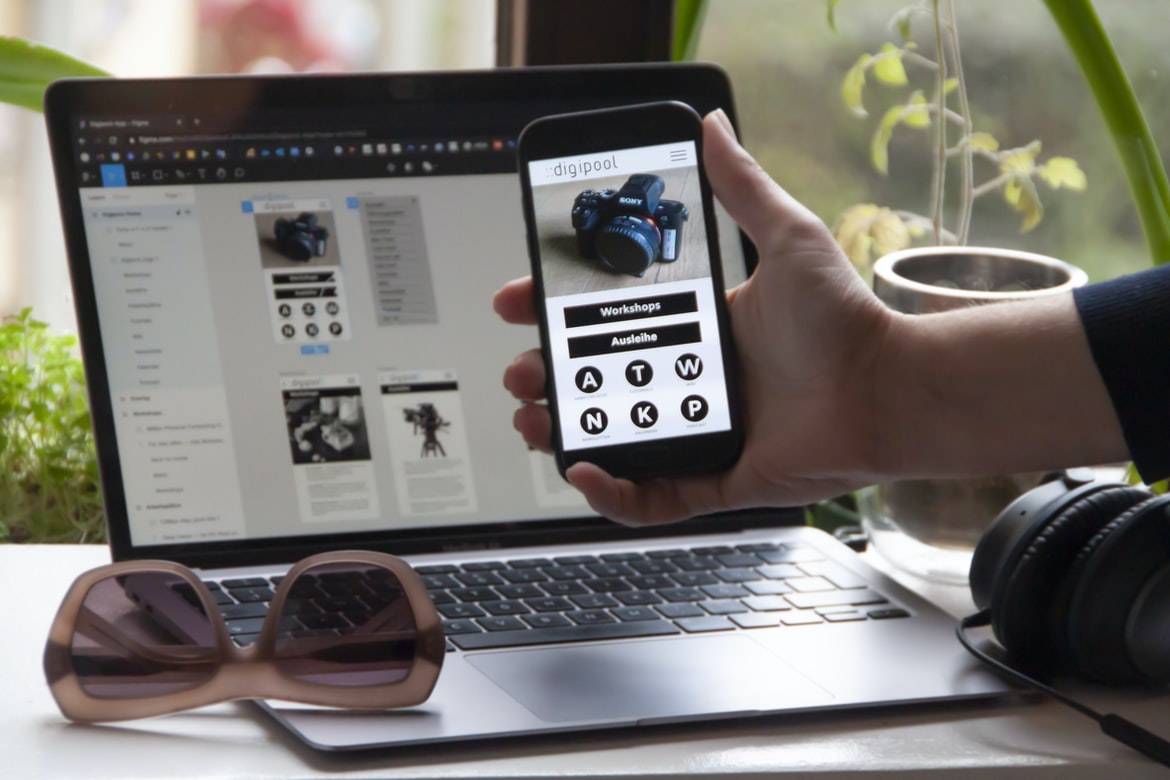
Why is UI design important for web design?
Web design is important because the user interface (UI) affects how people experience the website. Poor UI can frustrate users and slow down their browsing, while well-designed interfaces can make a website more engaging and user-friendly. UI design also affects how users interact with the site, from clicking through menus to filling out forms. In short, good UI design is essential for web design success.
What are the different types of UI design?
There are many different types of UI design. Some examples of different types of UI design are web design, app design, user interface design, and graphic design. Each type of UI has its own unique set of skills and knowledge that a designer must have in order to create effective interfaces.
Web Design: Web designers use their expertise in HTML, CSS, and JavaScript to create stunning websites. They must be familiar with user experience guidelines and know how to optimize a website for search engines.
App Design: App designers use the same skills as web designers but focus on creating mobile apps. They need to understand how users interact with devices and make sure the app is easy to use.
User Interface Design: User interface designers work on interfaces for computer programs, such as word processors and game consoles.
How do UX and UI design impact web design?
Web design has long been considered a two-fold process: the design of the interface, or user experience, and the design of the structure and content. But in recent years, there’s been a growing focus on the interaction between these two aspects of web design. Known as “UX” or “user experience,” this focus on how users interact with a site has led to a more holistic view of web design, one that takes into account not only visuals but also how users move around and use the site.
UX designers work with interface designers to create a cohesive experience for users across all screens. They examine how people interact with web pages and products, looking for ways to simplify tasks and make information more accessible. Often they’ll create mockups or prototypes to test ideas before implementing them fully in a website or product.
Case study: How a well-designed UI affects user experience.
A well-designed web interface can have a significant impact on user experience. By streamlining the user’s interaction with the site, good UI design can make tasks such as finding what you need and signing up for newsletters much easier. In this case study, we will look at how a well-designed web interface can improve the user experience of a website.
What Is UX Example?
UX is a design approach that focuses on the user experience of a product. This means thinking about how people will interact with and use the product and designing it to be as easy and enjoyable to use as possible.
One way to create a good UX is by using examples. This is something that many designers forget to do, but it’s essential if you want your users to understand what you’re trying to achieve. By providing real-world examples of how people have used your product, you can show them how it works and help them better understand how they can use it.
Providing good UX examples also makes sure that your design looks consistent across different devices and browsers. By including screenshots or videos of how your UI looks on different devices, you can ensure that everyone who sees or uses your product will get the same experience.
What Is UI Example?
Web design and user interface examples can be extremely helpful when designing a web page or designing an app. They can provide an idea of the look, feel, and function of a finished product. There are many different types of UI examples, so it is important to find one that is appropriate for the project at hand.
What Is Bad UX UI?
Web design UI UX is important to ensure that the user’s experience with your website is positive. Poor web design UI UX can lead to users feeling frustrated, annoyed and unfulfilled. Therefore, it is essential to pay attention to the details when designing your website’s user interface (UI). Here are some tips for improving web design UI UX:
1) Make sure all elements of your website’s UI are easy to access and use. This includes menus, navigation buttons, and other features. If users have difficulty navigating your website or finding what they’re looking for, they will likely become discouraged and may even quit using it altogether.
2) Use clear and concise labels for all elements of your UI. This makes it easier for users to understand how to use your website’s features and find the information they’re looking for.
What Can I Add To My Website To Make It Better?
1. The first step in making your website look better is to make sure that you have a solid web design foundation. This means using a valid and responsive web design framework, using well-structured HTML and CSS, and ensuring that your images are high quality.
2. Next, consider adding helpful user interface (UI) elements to make navigating your website easier. This can include effective use of typography, proper spacing between elements on the page, sensible defaults for navigational elements, and clear visual hierarchy.
3. Finally, be sure to take advantage of modern browser features to improve the overall user experience on your website. This could involve employing CSS animations or incorporating smooth scrolling or parallax effects into your designs.
How Do I Make My Website User-Friendly?
Creating a user-friendly website is important for two reasons: first, it will make your website more likely to be visited, and second, it will make your website easier to use. Here are a few tips for making your website user-friendly.
1. Make sure all of the text on your website is easy to read. Use large fonts and clear spacing between paragraphs. Avoid using too many graphics or animations; they can be confusing instead of helpful.
2. Favor simple forms over complex ones. Give people the option to input information in as few steps as possible. If you need to ask them for personal information (like their email address), make sure you provide a way for them to easily input that information without having to navigate away from your page or fill out multiple forms.
3. Use CSS and JavaScript to create a visually appealing design. If you have a website that looks nice without any CSS, it may be time to invest in some code.
Motion Graphic Design
Motion graphic design is a popular and growing field that uses animation to create a visually appealing interface or presentation. Motion graphics can be used in web design, app development, advertising, and many other industries.
Some of the most common tools for motion graphic design are Adobe After Effects, Final Cut Pro X, and Photoshop. These programs allow users to create complex animations easily and efficiently. Other popular software for motion graphic design includes Keynote and Illustrator.
There are many different types of motion graphic designs, but most fall into one of four categories: storyboarded animation, time-based animation, static illustrations, or interactive elements. Storyboarded animation typically involves drawing out a rough outline of the animated sequence before starting to animate it. Time-based animation uses an underlying rhythm or soundtrack to convey the movement of the characters or objects onscreen.
Animation Design
Animation is a fundamental design tool that helps us communicate our ideas and convey the essential characteristics of a user interface or product. It can add excitement, animation can make something seem more alive, and it can help users learn how to use a product more quickly. In this article, we will explore some of the most common and effective ways to use animation in web design.
WordPress for Designers
WordPress is a popular content management system (CMS) used by web designers and developers to create websites. WordPress has a user interface (UI) that is designed for designers, making it easy to create beautiful websites. WordPress also has a wide range of plugins that can be used to improve the look and functionality of your website.
What Is Elementor Website WordPress Plugin?
Elementor Website WordPress Plugin is a powerful and easy-to-use website creation tool that helps you create stunning, interactive websites in minutes. It comes with all the features you need to create beautiful, user-friendly websites without any coding knowledge. Elementor Website WordPress Plugin includes a drag-and-drop interface, so you can quickly create custom designs without having to learn code. Plus, it has tons of options and features to give you total creative control. So whether you’re a beginner or an experienced web designer, Elementor Website WordPress Plugin is the perfect tool for your next project.
Figma
When it comes to creating user interfaces, few tools compare to Figma. With its drag-and-drop interface and intuitive design tools, Figma is a powerful tool for web designers of all levels of experience. Out of the box, Figma provides a wide range of features for designing user interfaces, from simple layouts to complex animations and interactions. However, Figma’s real power emerges when you start customizing it to fit your own workflow and preferences. For example, you can create custom toolbars and menus that make working with Figma much easier. Additionally, Figma’s built-in collaboration features make it perfect for team projects. Whether you’re a beginner or a seasoned designer, Figma is an essential tool for creating user interfaces that are both easy to use and visually stunning.
Adobe XD
Adobe XD is a powerful program that can be used to create user interfaces for websites and apps. It has a variety of features that can make designing user interfaces easier, and it is available as a desktop application or an online platform. Adobe XD’s user interface is sleek and modern, making it perfect for use on websites and apps that need to look professional.
Design Mobile App
Designing a mobile app can be challenging, but it’s also an exciting opportunity to create something unique and user-friendly. Here are some tips for creating a successful mobile app:
1. Spend time thinking about your audience. Who is your target customer? What do they need or want from your app? Once you know this, you can start developing features that cater to those needs.
2. Use clear and simple design elements. Make sure all of your user interface (UI) elements are easy to understand and use. This will help keep users engaged and make the app easier to navigate.
3. Keep things simple when it comes to data storage and retrieval. You don’t want users to have to enter complex information multiple times throughout the app. Instead, provide them with easy-to-use forms or menus that allow them to get what they need right away.
What is Visual communication in graphic design?
Visual communication is the process of conveying information through the use of images, symbols and words. It is an important aspect of graphic design and can be used to create a positive user experience. The goal of visual communication in graphic design is to help users understand your content quickly and easily. Visual elements can be used to help achieve this goal, including title tags, header graphics, site icons, social media graphics and logo designs.
While there are many different ways to use visual communication in graphic design, some common techniques include: creating effective title tags; utilizing eye-catching header graphics; using site icons to represent your brand; using social media graphics to showcase your work; and incorporating a logo design into your overall branding strategy. By following these guidelines, you can ensure that your users understand your content quickly and easily.
Application of Graphic Design: Adobe Photoshop, Adobe Illustrator, Adobe InDesign
Graphic design is an important part of any website. A well-designed interface will make the user experience more enjoyable and efficient. There are many graphic design programs available, but which one should you use? Adobe Photoshop, Adobe Illustrator, and Adobe InDesign are three of the most common programs used in graphic design.
Adobe Photoshop is a popular program for creating visual effects and graphics. It has a wide range of tools to create designs, from basic editing to more advanced features such as photo editing and 3D rendering. Adobe Illustrator is commonly used for drawing vector illustrations. It has features such as vector drawings, layers, and masks that can be used to create complex designs. Adobe InDesign is used for creating layouts and typography for websites.
What Is A Prototype?
Prototypes are a valuable tool for communication and design. They allow teams to test designs and see how users interact with them. A prototype is not just a static version of a website or app, but it’s also a way to explore how users will interact with the final product. Prototypes can be used to create wireframes and mockups, or they can be used as the final product. There are many different types of prototypes, so it’s important to choose the right one for your project.
Web Design
Web design today is all about creating an interface that is both user-friendly and visually appealing. In order to create a website that is both user-friendly and visually appealing, it is important to have a clear understanding of what makes a good UI/UX design. To help you create better web designs, we are going to take a look at some of the key principles behind good UI/UX design.
1. Keep your users in mind throughout the entire design process. Make sure that everything you create serves the user’s needs, not just your own. This means taking into account things like how users will interact with your site, how easy it will be for them to find what they are looking for, and how comfortable they will feel using it.
2. Create an easy-to-use interface that is also visually appealing.
Mobile Graphic Design
Mobile graphic design is an increasingly important aspect of web design as more and more people access the internet from mobile devices. This means that not only must your website be visually appealing on a desktop computer, but it must also be user-friendly and easy to navigate on a phone or tablet.
To create a user-friendly mobile experience, keep the following tips in mind:
1. Use simple and clear designs. Complex layouts can be difficult to understand and navigate on a small screen. Keep your content layout simple and use icons, buttons, and other navigational elements to help users find what they’re looking for.
2. Make sure your text is legible in small sizes. When designing for mobile devices, it’s important to keep in mind that most users will be reading your content on phones or tablets with small screens.
Responsive Graphic Design
Responsive web design is a new trend in web design that takes into account the device that the user is using to view the website. By designing for different devices, we are able to create a more immersive experience for our users. Responsive web design can be difficult to perfect, but it can make a big difference in how your website looks and feels.
One of the most important aspects of responsive design is creating an adaptive layout. This means that all of your content should be flexible enough to adjust to any screen size or device type. If you’re not sure how to do this, there are many responsive development frameworks available that will help you out.
Another important aspect of responsive design is cross-device testing. This means that you need to test your website on as many different devices as possible so that you can ensure that it looks good on all of them.
Design websites
Web design has come a long way since the early days of the World Wide Web. Today, web designers have access to more design tools and techniques than ever before. As a result, website designs can be very complex and visually appealing.
To create a visually appealing website, it is important to understand web design UI UX. This includes understanding how users interact with websites, designing for different screen sizes, and creating intuitive navigation menus. By following these principles, you can create a website that is both functional and beautiful.
Graphic design is in demand.
Graphic design is in demand. Companies are searching for creative individuals who can create appealing and user-friendly interfaces. As web design becomes more prevalent, the demand for graphic designers has only increased. There are many different types of graphic designers, so if you have an interest in this field, be sure to explore all your options. You may want to consider a degree in graphic design or find a course that will teach you the basics. Once you have a strong foundation in the subject, you can start exploring freelance opportunities and working with clients who are looking for unique and eye-catching designs.
Is There A Demand For UX Designers?
There is no question that the demand for web design UI UX designers is high. According to Indeed, the job market for UX designers is expected to grow by 31 per cent between now and 2020. Additionally, a study conducted by Retired Minds found that 78 per cent of respondents say that their work requires skills in both front-end and back-end design. Clearly, there is a need for these professionals in the industry.
However, not all designers are qualified to become UX designers. According to The Daily Muse, “UX (user experience) design isn’t just about designing pretty interfaces or making screens look good; it’s also about understanding how people interact with technology and coming up with solutions that make users feel comfortable and successful.” This means that a designer must have extensive knowledge of user research and understand how people use digital products.
Wireframes
Many people think of wireframes as a quick and dirty way to visualize a website or app. But if done correctly, wireframes can be an effective way to get a clear picture of the user interface (UI) and how users will interact with it. Here are tips for creating effective wireframes:
1. Start with the end in mind. When designing a UI, start by thinking about what the final product should look like. This will help you figure out which elements need to be included in your wireframes and how they should be organized.
2. Keep it simple. A good rule of thumb is to keep your wireframes as simple as possible so that they’re easy to understand and communicate. This will make them more efficient when it comes time to create prototype versions or test them with users.
3. Make it easy to follow. Make sure that your wireframes are easy to read and understand so that they will be useful when it comes time to create the HTML or CSS code that they describe.
4. Don’t forget to give equal attention to all parts of the UI.
UX Design Trends
In today’s world, user experience (UX) design is more important than ever. With the growing demand for user-friendly websites and apps, designers are turning to UX trends to create interfaces that are both intuitive and pleasing to use. Here are the most popular UX design trends that you should be aware of:
1. Gesture Design: User interfaces that rely heavily on gestures – such as swiping and scrolling – are becoming increasingly popular due to their simplicity and ease of use. This trend is likely to continue as users become more accustomed to using mobile devices and laptops with touchscreens.
2. Timing: Studies have shown that users respond better to interfaces that are timed accurately – whether it’s in response to a click or a gesture – which is why timing is often used in conjunction with gesture design.
What Are The Basic Components Of A Good Process In UX Design?
There are many different opinions on what makes a great user experience, but there are a few key elements that are essential to any great UX design process. First and foremost, the process should be well-organized and coherent. Every step of the way, from brainstorming to prototyping to testing, needs to be organized and have a clear purpose. Second, the user interface (UI) should be easy to use and understand. It should be simple enough for anyone to navigate and use without having to learn multiple complex steps or interface features. Finally, the UX design process must be responsive to user feedback. If users can’t easily find what they’re looking for or if the design feels outdated or frustrating after changes have been made, then the process is not effective.
What are UI UX mistakes?
UI UX mistakes can be costly and time-consuming to correct. Here are some common culprits:
1. Incorrect layout – Focusing on aesthetics over function can lead to an awkward or difficult-to-use interface.
2. Poorly designed buttons – Too many small buttons, or ones that are difficult to press, can be a major annoyance.
3. Poorly organized menus – A cluttered menu with no clear order or labels can be confusing and frustrating to use.
4. Ineffective feedback mechanisms – Not providing feedback when users make mistakes can make them feel frustrated and lost.
5. Lack of contrast – Text and background colours that are too similar can make it difficult for users to distinguish between different elements on the screen.
There are a few common web design UX mistakes that can often hinder the usability and effectiveness of a website. Poor navigation, cluttered layouts, and difficult-to-use controls are all common issues that can be addressed through a thoughtful redesign.
Here are some tips to help avoid these problems:
Web design UI UX is an important part of web development and should be considered when designing any interface. However, there are some common problems that can occur when designing a UI, which can lead to frustrating users and poor user experience. Here are some tips to help avoid these problems:
Pay attention to the context of the user’s interaction. The context of a user’s interaction includes not only the content they’re viewing but also the surrounding environment and their previous interactions with the site or app. This information can help you design elements that work well together and improve overall usability.
Use typography wisely. Poorly written text or unreadable fonts can lead to frustration for users and decreased engagement with your site or app. 1. Keep your navigation straightforward and easy to use. Make sure your menus are logically arranged and easy to find and don’t overload your users with too many options at once. Use colour coding and icons to make everything more manageable.
2. Take care in designing your layout. Keep things clean and organized, with no overwhelming blocks of text or distracting images taking up space on the screen. Use whitespace effectively to improve legibility and airflow on page designs.
3. Be sure to include clear instructions for using your site’s features.
What are UI UX tips to avoid those mistakes?
Designing user interfaces is an important part of web design. However, it’s easy to make mistakes that can make the interface less usable and more confusing. Here are some tips to avoid these mistakes:
1. Use typography carefully. Clear, legible fonts can help users understand the content quickly. Use a mix of fonts to provide variety and keep users engaged.
2. Keep things simple. Don’t overcrowd the interface with too many features or buttons. Keep everything as simple as possible so users can easily understand what to do next.
3. Use whitespace wisely. Remove unnecessary clutter from the interface by spacing items evenly and using plenty of white space. This will help users see what’s going on and reduce clutter on the screen overall.
4. Be consistent in your branding and design elements across your site.
What is the difference between UI and UX?
User interface (UI) design refers to the visual aspects of a website or application, such as how buttons look and feel, while user experience (UX) design covers how users interact with the site or application. A well-designed UI will help users find what they’re looking for quickly and efficiently, while a well-designed UX will make sure users have a positive experience using the site or application.
What are some common UI UX mistakes?
Many people make common UI UX mistakes that can lead to frustrating experiences for users. Here are the most common:
1. Failing to consider the user’s context.
UI design should take into account the unique situation and needs of each individual user rather than relying on general assumptions. For example, a button that is labelled “Vote” might be more useful if it was located near other information about voting, like registration forms or election results.
2. Making too many assumptions about users’ skills or knowledge.
It can be tempting to design your interface using only the tools and concepts you’re familiar with, but this can lead to confusion and frustration for users who don’t share your experience level. Make sure you include detailed instructions and explanations wherever necessary to ensure everyone can understand what you’re asking them to do.
3. Not pointing users to the right place. A key user goal is to get at the information they need, but sometimes you forget where that information actually is.









