

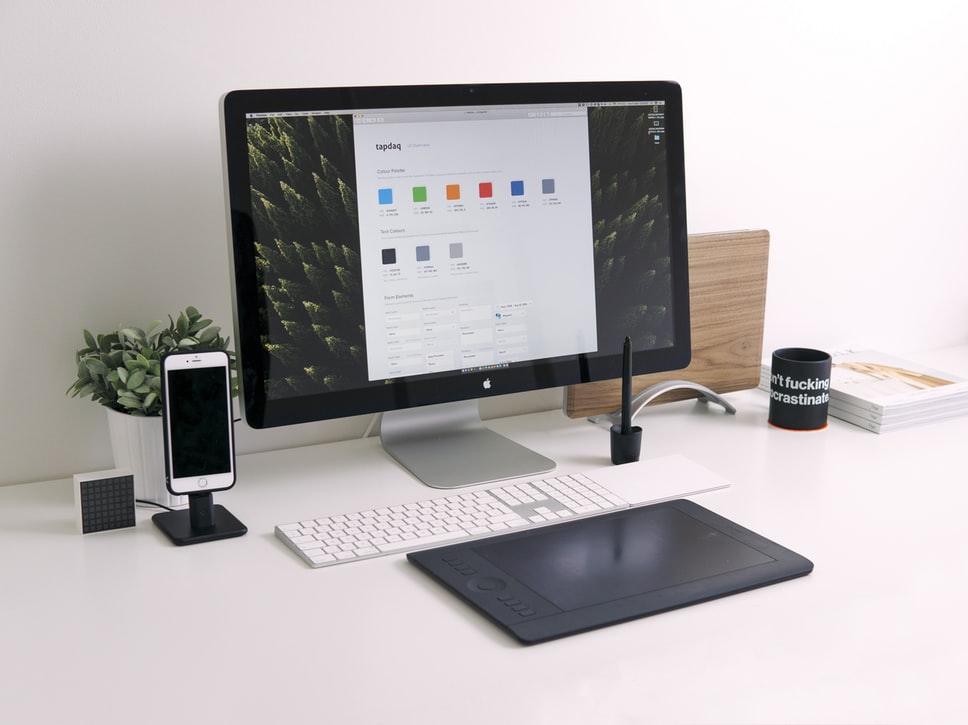
Is Web Design A High Income Skill?
A web designer is someone who helps create websites. They need to have skills in graphic design, coding, and web development. The skills required for web design vary depending on the type of website that needs to be created. For example, a web designer might need to know how to code in HTML and CSS to create a website with a blog interface, or they might need to know how to use Photoshop and Illustrator to create a website with a more traditional look. However, the basic skills required for web design are similar across all types of websites.
Are you interested in making a high income as a web designer? According to a study, the median salary for web designers is £56,000. While this number may seem low at first glance, it’s actually pretty respectable considering that web design is one of the newer and rapidly growing fields in technology. In fact, there are plenty of jobs available for those with the right skill-set.
What is web design?
Web design is the process of designing and creating a website. A website is a digital representation of a company, organisation, or individual’s presence on the web. Websites can be used for business purposes, to display personal information, or to communicate with customers. Not all businesses require a website, but they are increasingly important for those that do. Websites are used to increase a business’s visibility and generate new customers. Websites can be created by professionals or non-professionals, but they all follow the same basic process.
Web design skills are in high demand.
Web design skills are in high demand and employers are always looking for new designers. If you want to be a successful web designer, you need to have a strong understanding of how the internet works. You also need to be able to conceptualise and create beautiful, user-friendly websites. There are many different web design software programmes available, so it’s important that you know how to use them.
Additionally, you must be familiar with CSS (Cascading Style Sheets) and HTML (Hypertext Markup Language), which are the basic building blocks of any website. Finally, it is important to have strong communication and collaboration skills, as web design requires a lot of teamwork.
Web design skills are a versatile skill set that can be used in a number of industries.
Web design skills are a versatile skill set that can be used in a number of industries. Whether you’re looking for a new career opportunity or just want to improve your existing skills, learning web design is a great way to do both. Here are six reasons why learning web design is a good idea:
- Web design is in high demand – According to the a study, the employment outlook for web developers and web designers is excellent. Demand for these professionals has never been higher, meaning there are plenty of opportunities available if you have the right qualifications.
- Web design is versatile – With options ranging from small business websites to sophisticated e-commerce platforms, there’s something for everyone when it comes to web design. With this versatility comes a variety of skill-sets, so learning web design is a great way to build up your CV and expand your skill set.
- Web design is growing – According to the World Wide Web Foundation, the number of people using the Internet has doubled every two years since 2000.
- Web design has global reach – In the last ten years, the percentage of people in the world who use the Internet has risen from just over 5% to over 75%. How will you stand out in a highly competitive industry?
- Web design is lucrative – According to a study, the median salary for web designers in 2016 was £53,000 per year.
- Web design offers plenty of growth opportunities – There are upwards of 1 million web designers working in the UK alone .
Web design is a high income skill.
Web design has always been a high income skill. According to the most recent report from Forbes, web design is one of the top 10 highest paying skills in the UK. This is likely because web design enables users to access information and services from around the world, which makes it an important part of businesses and organisations. In addition, web design is a versatile skill that can be used for a variety of purposes, such as online marketing, creating websites for businesses, or creating personal websites. With so much potential earnings potential, it’s no wonder that many people are interested in learning how to become a web designer.
What skills are required for web design?
Web design is an umbrella term that refers to a range of skills and knowledge required to create a website. While not an exhaustive list, some of the most commonly required skills include: graphic design, web development, user experience design, copywriting, and SEO. Additionally, web designers often need prior experience in HTML/CSS and other front-end programming languages.
Web designers are often required to have a post-secondary education in the relevant field and typically have a bachelor’s degree or higher. Web design is a profession that requires extensive training, but not necessarily a university degree.
What is the difference between a graphic designer and a web designer?
A graphic designer creates graphics, such as logos, illustrations, and designs for print or online media. A web designer creates layouts and graphics for websites. They may also create custom software or work on branding and marketing projects. Graphic designers typically have a degree in art or design, while web designers may have degrees in computer science or engineering. Both positions require experience in both graphic design and web design, as well as knowledge of Adobe Photoshop and other software used to create websites.
What software do web designers use?
Web design software is a vital tool for any web designer. With so many applications to choose from, it can be hard to know which one to invest in. Here are six of the most popular web design software programmes and their main features.
Adobe Photoshop
Adobe Photoshop is the industry-standard for creating professional-quality graphics on websites and other digital projects. It offers a wide range of tools for altering and manipulating images, as well as a library of pre-made templates and designs to help you get started quickly.
Adobe XD
Adobe XD is a powerful, yet user-friendly, design tool that can be used to create beautiful websites and web applications. Adobe XD has been designed with the modern web developer in mind, giving you the ability to create responsive designs quickly and easily. With its Intuitive Design Mode and powerful features like vector drawing and animation, Adobe XD makes creating stunning websites easy.
3.Adobe Illustrator
Adobe Illustrator is one of the most popular graphic design software programmes on the market. It’s used by professionals for everything from logo design to website graphics. Adobe Illustrator CC 2018 is the latest version of Adobe Illustrator.
4.Adobe InDesign
Adobe InDesign is a popular design tool used by web designers to create layouts, graphics and documents. It has many features that make it a powerful tool for creating beautiful websites. Some of the most common uses for InDesign include creating pages and templates, designing logos, creating contact forms and more. InDesign is a powerful design tool that can be used to create beautiful websites. It has many features that make it a powerful tool for creating layouts, graphics and documents.
5.WordPress
WordPress is a popular content management system for website design. It is lightweight and easy to use, making it an excellent choice for novice web designers. WordPress also has abundant plugins and themes that allow you to customize your website to suit your specific needs.
6.Elementor
Elementor is a free and open source web design tool that makes it easy to create beautiful, responsive websites. It includes a drag and drop interface, powerful builder tool, and many pre-made templates. Elementor is perfect for beginners or anyone who wants an easy way to create professional websites quickly.
What is the difference between responsive design and adaptive design?
Adaptive design is a process that focuses on creating designs that respond to the user’s environment. It allows for a more personalised experience and helps improve usability. Responsive design, on the other hand, is an approach to designing websites and apps that automatically resize and adapt according to the device they’re being viewed on. This can help save time and make sure the content looks good no matter what device someone is using.
What challenges will web designers face?
Web designers today face a host of challenges that weren’t even on their radar just a few years ago. With so many people using the internet and devices like tablets, smartphones, and computers that often have embedded web browsers, the challenge for web designers has always been to create sites that look good and work well on all types of devices. But with more users accessing the internet through mobile devices, tablet computers, and other non-traditional screens, the design considerations for web pages have become even more important.
In addition to making sure sites look great on all screens, web designers also need to consider how users will interact with them. For example, will they use keyboard short-cuts or touch gestures to navigate? Will they need to zoom in or out? And most importantly, how can designers make sure content is easy to find and scroll through?
How long does it take to learn web design?
In today’s world, everyone seems to be needing or wanting to design or build websites. So how long does it actually take to learn web design? Many people believe that if you have a passion for the craft, then learning web design is a breeze – but is that really true? It really depends on your individual dedication and motivation. If you are motivated and have an interest in learning all there is to know about web design, then it can definitely be done in a relatively short amount of time. However, if you are not as dedicated as you would like to be or if you feel like the entire process is too overwhelming for you, then learning web design may be more difficult than initially thought.
Why is web design important?
Web design is important for a variety of reasons. A well designed website can help build customers and promote businesses. It can also be used to gather data and share information with people across the globe. Websites can also help foster a sense of community. When done correctly, web design can be an extremely powerful marketing tool.
Designing a website is an important step in promoting your business. It can help you connect with potential customers, build trust and credibility, and attract new leads. Plus, if your website looks good and is easy to use, users are more likely to convert into customers. A well-designed website can also save you time and money in the long run.
How much can you earn as a web designer?
Web design is a growing field, with more and more businesses looking for designers who can create a beautiful website that will help them stand out from the competition. While salaries vary depending on experience and skills, there are many good paying web design jobs in the UK. According to The Guardian, the starting salary for a web designer was £34,000 in 2017. This suggests that there are plenty of opportunities for designers who are willing to work hard and learn new skills. If you have a passion for web design and want to make a career out of it, be prepared to invest some time and money into learning the ropes. However, with hard work and dedication, you could be earning an excellent living as a web designer in the UK.
If you feel like web design is the right route for you and you would like to begin your journey into the world of web design the join Blue Sky Graphics today!









