

Is Graphic Designing Fun?
If you like fantasising about ideas or creating them in your spare time, graphic design may be the profession for you. You may either self-teach graphic design or get a formal degree. Volunteer at a local charity or apply for an internship to get the necessary work experience. Assemble a portfolio of your finest work. After that, show your portfolio to local marketing and advertising companies in order to get a job.
What Does It Take to Become a Graphic Designer?
Enrol in as many art and computer science classes as possible while in school. Take classes in drawing, painting, photography, and printing in high school. Additionally, enrol in computer classes such as computer graphics, web design, and programming languages. These courses will provide the groundwork for a successful career in graphic design.
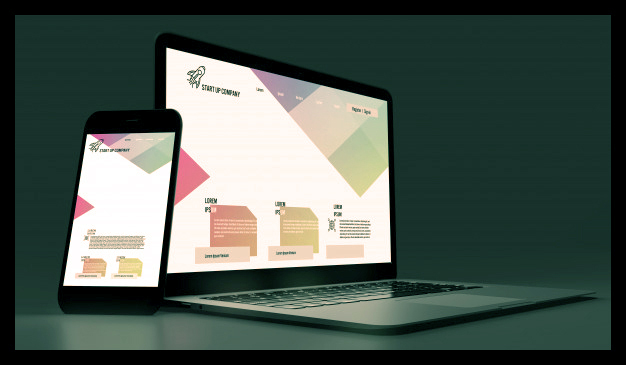
Is Graphic Designing Fun
You can self-teach graphic design.
Enter “graphic design course syllabus” in the search box of your Internet browser. Download the syllabuses of two to three college or university professors. Examine the learning objectives of students and the textbooks used to accomplish these objectives. Select and purchase the textbooks you want to use. Each day, set aside time to read and take notes.
Join Blue Sky Graphics’ online graphic design college to study professional graphic design from the convenience of your own home.
While this is a less costly route to become a graphic designer, having a degree or certificate may give you a competitive advantage while looking for work.
Take an introductory course at a local community college.
Inquire about graphic design courses offered at your neighbourhood community college. The college will give you with a list of available courses as well as information on how much each course will cost. Additionally, you may enrol in fundamental courses online.
Verify if the school offers graphic design training credentials.
An introductory course will give you with a solid foundation in design theory as well as practical knowledge of design elements like as colour, layout, and typography.
Earn a graphic design credential. A community college in your area may be able to offer you with an associate’s degree. Earning an associate’s degree will enable you to develop and refine your graphic design abilities. Associate’s degrees often place a premium on proficiency in graphic design software such as Adobe Illustrator and Photoshop.
Understanding how to use these tools is critical, since the majority of graphic design is now done online.
A bachelor’s degree in graphic design is a great place to start. Typically, a bachelor’s degree takes four years to complete. Throughout the programme, you will acquire all of the computer skills and knowledge necessary to work as a professional graphic designer. Additionally, a bachelor’s degree enables you to specialise your knowledge.

Typeface design, book design, web design, logo design, branding and advertising, product packaging, desktop publishing, print or online production, and user experience design are all areas of graphic design specialisation.
When applying for jobs, having a bachelor’s degree will put you ahead of the competition.
Along with your normal courses, study art, writing, and business. Ability to draw and write will help any graphic designer. Enrol in a communications or marketing programme to learn how to promote your graphic design skills. If you wish to work as a freelance graphic designer, you’ll also need to learn about entrepreneurial business. These courses may be taken as part of an associate’s or bachelor’s degree.
Acquiring Experience Through Employment
Contribute your time and talents to a local charity or not-for-profit organisation. Volunteering to edit or create logos, banners, prints, and other visual items for organisations provides a great chance for high school or college students to get practical expertise. Make contact with non-profit and charitable organisations in your community. Consult with them to see if they need a logo update or other design services.
Offer your services after you have mastered Adobe Illustrator and Photoshop.
Apply for an internship while in high school or college. Search the Internet for advertising or marketing firms. Conduct an investigation of both local and federal government institutions. Determine if they provide internships by contacting them through phone or email. If they do, be certain to call their credentials into doubt. If you are qualified, you may apply for paid or unpaid internships.
Consider becoming a member of a local graphic design organisation.
On the internet or at a local college or institution, search for graphic design communities. After you’ve joined the organisation, begin networking with its members. Notify members that you are seeking more work for your portfolio. Perhaps someone can put you in touch with a recruiter.
Be aware that certain communities may charge membership dues.
Notify your friends and family of your job search. Inform them of your interest in an internship or entry-level position. Send them your curriculum vitae along with a link to your portfolio or social media page. This way, they may easily forward your information to potential jobs.
Inform your colleagues and social media contacts that you are looking to expand your portfolio.
Portfolio Development
Select your best work. Avoid include every single item you’ve ever created. Rather of that, pick your most cherished possessions. These pieces should showcase your abilities and demonstrate your confidence in your work.
Incorporate a variety of examples
Select works that exemplify your breadth of ability. Include samples of your ability to create fonts, websites, and logos.
Select things that demonstrate your experience working with a variety of different types of clients. Provide context for your work. For each piece of work, write one to two paragraphs describing the client’s objectives and how your design met those objectives. Discuss the inspiration for the design as well as the process of development. Additionally, provide any information on your design’s success. Compile the information into a Word document.
Create a resume page inside your portfolio to showcase your skills and relevant work experience. This may be the first or last page, depending on how your portfolio is structured. Make a note of your ability to meet deadlines, interact effectively with colleagues, and other important professional skills.









