

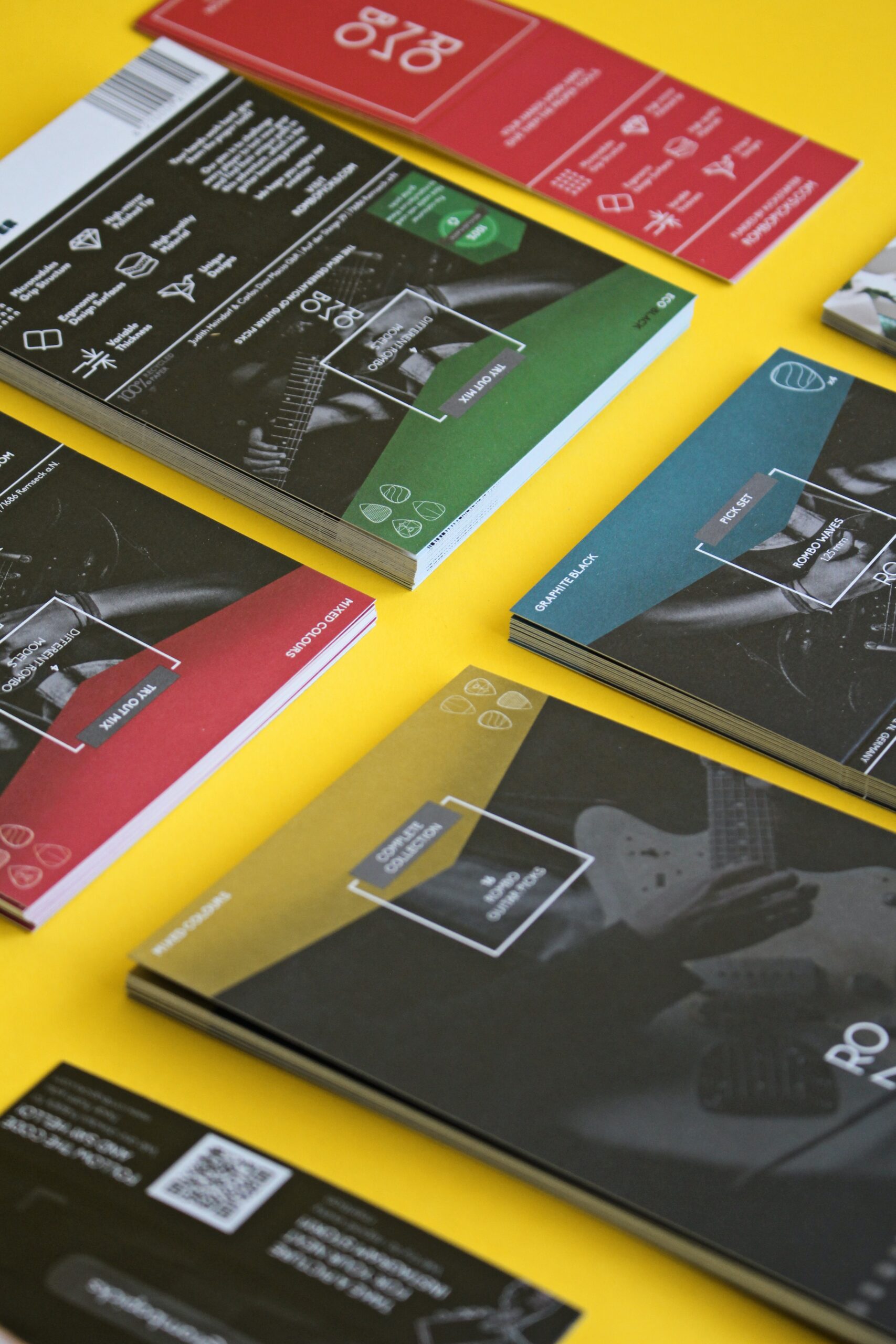
How do I make a graphic design flyer?
A flyer can be an effective way to advertise a business, promote an event, or even spread awareness about a cause. Graphic design flyers can be especially effective in catching the attention of potential customers or viewers.
However, creating and designing a graphic design flyer that looks professional and conveys the desired message can be intimidating if you don’t have any previous experience with graphic design. The good news is that there are certain steps you can take in order to make a great-looking graphic design flyer that will stand out from the rest.
Introduction: What is a flyer?
A flyer is a type of graphic design that is used to spread awareness or information about an event, service, product, or idea. Flyers are typically simple and easy to understand, containing only essential information. They are printed on one or both sides of a sheet and can be distributed by hand or through the mail. Graphic designers use flyers to create visually appealing and effective communications that stand out from the competition.
Creating an effective graphic design flyer requires careful consideration in terms of layout and content. When designing a flyer it is important to consider who your target audience is and what message you want them to take away from the piece. A designer must also select the right images, fonts, colours, shapes, and text elements to draw attention to the most important points while making sure all elements work together harmoniously.
Step 1: Choose a template
The first step in creating a great graphic design flyer is choosing a template. There are many different template designs that can be used to create an eye-catching and unique flyer. When selecting a template, it’s important to consider the purpose of the flyer and how it should look visually.
For example, if you’re creating a promotional flyer for an event, you’ll want to choose a template with bright colours and bold fonts that will draw attention to the information on the page. For more professional flyers, such as those created for job postings or business services, opt for clean lines and simple graphics that let your text stand out without taking away from its impact. Consider what type of image best fits your message before selecting a template as this will help ensure you make the most effective design choice possible.
Step 2: Gather content
Creating a graphic design flyer is a great way to promote an event or service. Once you have your concept and visual ideas, it’s time to gather the content to include in your flyer. This can be broken down into two main categories: text and visuals.
For the text portion of your flyer, start by writing out a draft that includes relevant information such as the name of the event or company, contact details, date and time of the event, any special offers or discounts being offered, etc. Be sure to use clear and concise language so that readers will be able to quickly comprehend its purpose.
Additionally, consider adding some brief background information about why this event/service is important in order for readers to learn more about what you are offering them.
Step 3: Design layout
The third step in creating a graphic design flyer is designing a layout. When it comes to the layout, there are several considerations to take into account. Firstly, think about the message you want your flyer to convey and then decide on an appropriate layout based on this. For example, if you want your flyer to be informative then consider using a single column format with plenty of text boxes and images.
Alternatively, if you prefer a more visual approach opt for multiple columns that feature larger images with captions or other attention-grabbing visuals.
Next, determine what elements should be included in each section of your flyer such as titles and subtitles, body copy, images, contact information etc. Additionally make sure that the various elements are aesthetically pleasing and work together to create an eye-catching design overall.
Step 4: Add graphics
Step 4 of the process to make a graphic design flyer is to add graphics. Graphics can be added in various ways, including pre-made templates, illustrations, and imagery. If you are creating a flyer for business purposes or an event, consider using branded colours and fonts that reflect your brand’s identity. This will help create consistency and recognition for your brand when someone sees the flyer.
Additionally, consider adding visual elements such as charts and diagrams if it would help explain complex topics you are trying to communicate on the flyer. In addition to visuals that communicate specific information, use photos or illustrations to make the overall design more eye-catching and engaging. Finally, keep in mind how text will fit into your graphic design; look at the layout of text elements like headings and body copy so they balance out with graphics on the page.
Step 5: Proofread
Proofreading is an important step in the process of making a graphic design flyer. After you have gathered all the information, images and colours that you need and have completed the layout, it’s time to proofread your flyer. This will help ensure that all the information is accurate and that there are no typos or other mistakes.
The first thing to do when proofreading your graphic design flyer is to read through all of the text on each page from start to finish. Make sure there are no spelling errors or incorrect grammar usage. Also check for any spacing issues between words or lines of text.
Additionally, be sure that none of the words have been cut off due to incorrect margins or spacing within a paragraph. Finally, look out for any inconsistencies in font size and typeface throughout the entire document.
Showcasing graphic design trends
Graphic design trends are always changing and it can be difficult to keep up. There are a few key elements to consider when showcasing the latest in graphic design trends. First, focus on simplicity. Many of the graphic design trends today involve minimalistic designs that rely on negative space or simple geometric shapes. This allows the eye to focus on the main message without getting overwhelmed with too many details.
In addition, look for ways to make your flyer stand out using bold colours and textures. Bright colours draw attention while interesting textures add depth and dimension to your flyer. Designers also often incorporate gradients and high-contrast palettes as well as different typefaces for a unique look that’s sure to draw attention.
Creative ideas for a stand-out logo
When creating a graphic design flyer, one important factor to consider is the logo. A stand-out logo can draw attention to your flyer and help it stand out from the competition. Here are some creative ideas for a unique logo:
Incorporate different shapes or symbols that relate to the message of your flyer. For example, if you’re promoting an event related to music, use musical notes in your logo design.
Additionally, consider using bright colours and bold fonts for greater impact. If possible, try to make the most of negative space by including shapes or objects within a larger shape that stands out from its background.
Finally, don’t be afraid to get creative with typography and layout! Use different font sizes and styles in combination with icons or illustrations so your logo looks dynamic and eye-catching when printed on the flyer.
5 Ways to create stunning logos
Creating stunning logos is an important part of any graphic design project. Logos are often the first thing customers remember and make a lasting impression. Here are 5 ways to create stunning logos:
- Utilise colour theory – When creating a logo, it’s important to select colours that work together harmoniously and enhance the message behind the design. Researching colour theory can help you understand how different hues interact and how to combine them effectively for maximum impact.
- Incorporate visual hierarchy – Place greater emphasis on certain elements within your logo by making them larger or more prominent than other details in order to guide viewers’ eyes throughout the design. This will help keep your logo clean and organised while still communicating its intended message clearly.
- Keep it simple – Logos should be simple enough to reproduce in a variety of sizes and mediums. If your design doesn’t work well at small sizes, it’s not going to look good on a billboard or in a magazine ad.
- Use the right typefaces – Font choice is just as important as colour or size when it comes to creating an impactful logo. Fonts that are too thin, too thick or have serifs (the little lines at the ends of letters) instead of sans-serifs (without serifs) will not reproduce well.
- Use the right colours – While colour choice may seem like an obvious element of logo design, there’s a right and wrong way to pick your colours. Don’t use red for a sports team logo because it looks good on the field.
Branding 101: Tips for a winning design
Branding is a fundamental component of graphic design and creating a winning design for your flyer. To ensure that your flyer stands out, here are some tips to help you create an effective branded look:
- Establish the purpose: Before starting the design process, it’s important to have a clear idea of what message you want to communicate with the flyer. This will help guide all other decisions related to content, graphics, and colour scheme.
- Incorporate logos: Logos are essential elements in branding, as they capture attention and give people an immediate visual representation of your brand identity. Make sure that any logos used on the flyer are consistent with those used throughout your other marketing materials – this will reinforce a unified vision while standing out from competitors’ designs.
- Choose a colour scheme: Colour is important in communicating your message to the potential client. You want to choose colours that are appropriate for your target audience, while also representing your brand. The best way to do this is through research into ad campaigns that have previously been successful with your target demographic.
Unleash creativity with colour theory
For those looking to make a graphic design flyer that stands out from the rest, colour theory is an effective way to bring attention and interest to your design. Colour theory can be used in a variety of ways to create visual impact, depending on the mood and message you are trying to convey. For example, warm colours such as red will draw attention and evoke strong emotions, while cool colours like blue will create a calming atmosphere. You can also use contrasting colours like yellow and purple for a high-energy look or complementary colours like orange and blue for harmony.
You don’t have to be an experienced artist or designer in order to take advantage of colour theory; all you need is some creativity! Start by choosing one primary colour as the foundation of your flyer and then experiment with different shades of that colour.
What is the difference between graphic design and web design?
Graphic design and web design are two distinct yet related fields of visual communication. Graphic design involves creating print-based artwork, such as posters, magazines, books and logos. Web design is focused on digital media, such as websites and apps.
Graphic designers use traditional tools like pen and paper to create art for printed materials. They must have a keen eye for detail in order to make sure everything looks perfect before it goes to print. Graphic designers also need strong typography skills to create attractive text-based designs.
Web designers work with HTML, CSS and other coding languages that allow them to build user interfaces for websites or apps. They must have a good understanding of how the technology works so that they can create visually appealing designs that are also functional and responsive across different devices or browsers.
What is the difference between graphic design and web development?
Graphic design and web development are two distinct skillsets that have different purposes. Graphic design, which is the focus of this article, is an artistic practice focused on creating visual elements for print or digital use. This typically involves creating logos, illustrations, typography, and other visuals to convey a message or brand identity. Web development, on the other hand, focuses on building functional websites with HTML, CSS and Javascript. It requires programming knowledge to create interactive elements such as dynamic menus and content management systems.
Graphic design is a creative process that requires a deep understanding of colour theory, composition principles and branding techniques in order to create visually pleasing designs that stand out from the crowd. Web development requires more technical knowledge in order to build websites with a modern look and feel that can adapt to any device or platform used by users to access it.
What are some of the most important principles of graphic design?
Graphic design is an important element of creating effective flyers. There are several principles of graphic design that can help you create a visually appealing and impactful flyer. The most important principles include balance, contrast, unity, hierarchy, repetition, and alignment.
Balance refers to the arrangement of elements in a composition such that no one part dominates over any other parts. Contrast is the use of different colours or shapes to draw attention to certain parts of the flyer. Unity is achieved when all the elements in a composition are unified by a central theme or concept. Hierarchy helps organise information by prioritising content according to importance so readers can easily interpret it. Repetition involves repeating certain elements in order to emphasize them and make them easier for viewers to remember.
Finally, alignment ensures that all elements are arranged on an even plane so they appear neat and professional-looking.
Graphic design: The key to aesthetic & successful brands
Graphic design is a powerful tool for creating aesthetically pleasing and successful brands. The right combination of colours, fonts, and shapes can give any message an air of professionalism and help capture the attention of potential customers. When it comes to creating a flyer to advertise your brand or business, graphic design elements are essential in ensuring your message stands out from the crowd.
Achieving an eye-catching design requires careful consideration of various factors such as colour palette, typeface selection, and layout. colour has a strong impact on how we perceive messages and can be used strategically to elicit certain emotions from viewers.
Additionally, choosing the right typeface for your message helps create visual hierarchy that guides readers through the content with ease. Finally, having a well-thought-out layout ensures that all important information is given enough emphasis without overwhelming viewers with clutter or superfluous details.
Discover how graphic design enhances any project
Graphic design is an essential element of any project. Whether you are creating a flyer for your business, designing a logo for your website, or crafting an event invitation, graphic design can help make your project stand out from the crowd. With its unique ability to combine visuals, text and colours into one cohesive piece, graphic design can turn any ordinary project into something extraordinary.
Graphic design can add meaning and context to projects by visually communicating key messages in creative ways. Through typography, illustrations and photographs, designers are able to create designs that evoke emotions and convey concepts that words alone could not express. Additionally, by utilising strategic layout techniques such as contrast and alignment, designers can draw attention to important details on a page while simultaneously unifying elements together into one compelling composition.
Transform your ideas through graphic design mastery
Graphic design is a powerful way to communicate your ideas. With the right elements and techniques, you can transform an ordinary flyer into something that stands out. To achieve graphic design mastery, there are several key areas to consider.
First, think about colour. colour can be used to evoke emotion, draw attention, and help guide the reader’s eye through the design. Choose colours that reflect the message of your flyer and create visual harmony with a complementary palette. Make sure to use high quality images as well for maximum impact.
Next, focus on typography. The font you choose should be easy to read and appropriate for the content of your flyer—avoid overly decorative fonts that may distract from the message or make it difficult to scan quickly. Experiment with different type sizes and weights until you find a layout that works best for your text.
The last step is to edit your design and double-check the spelling and grammar. Make sure there are no typos or grammatical errors. This will ensure that your flyers message is delivered clearly and professionally.
Essential graphic design tools
Graphic design is a vital component of creating successful flyers. The right graphic design tools can help you create a captivating design that will draw attention from potential customers. Here are some essential graphic design tools to consider when designing your flyer:
Adobe Photoshop is one of the most popular and versatile tools for graphic designers. It allows you to manipulate images, adjust colours, add text or graphics and even create custom logos. Additionally, with its powerful layers feature, Adobe Photoshop offers ultimate flexibility for creating complex artwork in vector or raster formats.
Adobe Illustrator is another great tool to have in your arsenal as it provides a wide range of features for creating vector art. When you need to create logos, illustrations, and even 3D models, Adobe Illustrator gives you the flexibility to create anything.
Adobe InDesign is a powerful tool for designing flyers and other marketing materials. It offers the ability to import and export PDFs, along with a large range of features for creating marketing materials.
Creative graphic design techniques
Graphic design flyers can be an effective way to promote an event or product. Creative techniques are a great way to make your flyer stand out from the crowd.
One option is to use layers of imagery and typography, creating depth and texture in the design. Using multiple fonts also adds interest, but make sure they complement each other, rather than compete for attention. Play around with brightness and contrast settings too; this can create eye-catching effects that draw viewers in.
Using interesting shapes and patterns can give your flyer a modern look while still allowing you to get across important information. You could also experiment with colours; bright shades often show enthusiasm, while pastel hues suggest sophistication and elegance. Whatever creative techniques you decide to use, remember that the goal is always to create something visually appealing that will keep viewers engaged for longer periods of time.
Benefits of hiring a professional graphic designer
When creating a graphic design flyer, it is important to consider hiring a professional graphic designer. Professional graphic designers are experienced in designing and producing effective graphics that will attract readers’ attention. Hiring a professional designer can provide numerous benefits to your project.
For starters, professional designers have extensive experience in the field and know what works best when creating flyers for various occasions. They also have access to an array of tools and resources that can be used as part of the design process, such as software programmes, special fonts and colour palettes. Professional designers can also assist with developing creative concepts for the flyer, so that it stands out from others in the marketplace.
Another benefit of hiring a professional designer is their ability to stay on top of current trends in design and marketing so that your graphics are up-to-date with regards to style and messaging effectiveness.
Popular trends in graphic design 2023
Graphic design is a rapidly evolving field and it’s important to stay up-to-date on the latest trends in order to create attractive, eye-catching flyers. In 2023, some of the most popular graphic design trends will be the use of bold colours and geometric shapes. Bright colours will be used to draw attention to the flyer and create an energetic feel. Geometric shapes can help add visual interest and structure, creating striking designs that stand out from all the other flyers.
The incorporation of 3D elements into graphic design is also expected to become increasingly popular in 2023 as these elements can help make complex concepts easier for viewers to understand at a glance. For example, layers or gradients could be used with type or images for dramatic effect.
Natural elements will continue to be used in graphic design in 2023, adding a more organic feel that contrasts with the bold geometric shapes. In addition to nature-inspired images, there will be a move toward the use of natural materials such as wood and leather.
Tips for maximising the impact of your graphic design
When it comes to making a powerful graphic design flyer, there are certain tips you can use to make your design more effective.
First, be sure to choose the right visuals and colours. Selecting the right combination of visuals and colours can help draw attention to your message. Be sure that the graphics you choose accurately reflect your message, do not overwhelm or distract from it. Additionally, be mindful of colour psychology when selecting hues – different colours evoke different emotions in viewers.
Second, ensure that you have clear text hierarchy on your flyer. Utilise fonts of varying sizes and styles such as bold or italicised font to further emphasise important information while keeping everything easy to read. This will help guide readers’ eyes through your content so they absorb all of the key points without becoming overwhelmed by too much information at once.
Join Blue Sky Graphics online graphic design school today to learn how to create beautiful graphics, including flyers and logos.









