

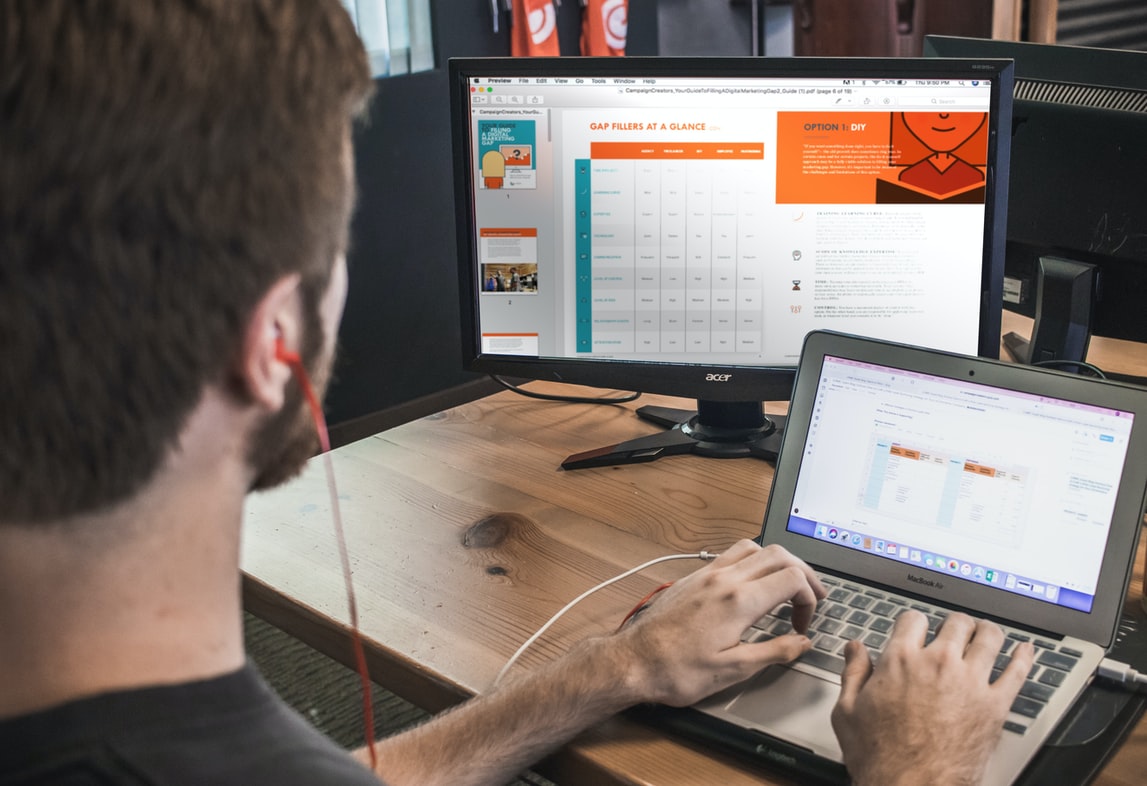
Graphic Design One Year Learning – How to Master Graphic Design in a Year
Learning any new skill takes a great deal of time and patience, and it’s something which will not happen overnight. If you are serious and committed however, it needn’t take too long either.
Graphic design one year learning courses for example, emphasise this fact beautifully as you can go from being a literal beginner to a fully qualified and experienced graphic designer in as little as just one year’s time.
Graphic design is an art and a skill in very high demand at the moment, and when you stop and look around you, it’s very easy to see why. Whether you’re browsing a website or admiring the packaging on your breakfast cereal in a morning, all of these artistic creations and designs had to be made by somebody, and that somebody was almost certainly a graphic designer.
If you’re thinking of a career change, or if you just want to become better at graphic design, signing up for a graphic design one year learning course is a great place to begin, but what else can you do?
Here’s a look at how to master graphic design in a year.
Find a graphic design one year learning course
First off, if you are in a hurry, or if you’re somewhat impatient, you’re going to need to find somewhere that offers graphic design one year learning courses.
If you want to master the art of graphic design, it doesn’t matter how artistic and creative you are, you’re going to have to learn the various skills and techniques needed to turn it into a career.
Of course, knowing the basics of programs and applications such as Adobe Photoshop and Illustrator will prove useful, but it certainly isn’t a necessity. Taking a graphic design learning course will teach you everything there is to know about graphic design and the various skills and techniques it requires.
Your online tutor will teach you the history behind graphic design, they’ll assess your abilities, they’ll teach new skills and techniques, and they’ll set various tasks and assignments.
Watch tutorials
Without learning graphic design from a skilled and qualified professional, you won’t learn everything there is to learn to become a pro designer yourself, but that doesn’t mean that you can’t also teach yourself when you aren’t in class.
Thanks to the wonders of the web, we can head to sites like YouTube and watch tutorials and how-to videos on a whole variety of different topics, including graphic design.
Whenever you aren’t officially learning, use free time that would ordinarily be spent scrolling through social media to watch instructional videos and tutorials on basic graphic design skills and techniques.
Know that practice makes perfect
When you decide to study graphic design, you need to ensure that you realise that becoming a graphic designer will not happen overnight.
When you first begin making designs and utilising popular graphic design techniques, don’t be disheartened if the final designs don’t turn out how you envisioned them looking in your head. In truth, your first designs will likely suck, and that’s okay because you’re learning a new skill.
The thing to remember with graphic design is the fact that you will get considerably better as time goes by, especially once you really get the hang of the skills and techniques that your online tutor has taught you.
To start with your designs may not be great, but as we’re talking about graphic design one year learning courses, a year from now you’ll be in a completely different place and your designs will look considerably better.
Get to grips with graphic design programs
This next tip might indeed sound a little too obvious, but you’d be surprised by just how many people attempt graphic design without familiarising themselves with some of the most popular graphic design programs.
Adobe Illustrator, Photoshop and InDesign for example, are nearly all used by graphic designers, so get to grips with these and really get to know them. Obviously you’ll need a subscription to utilise all of the features, but as the saying goes ‘you have to spend money to make money’.
These programs and applications, as well as others such as Sketch and Lightroom will help you design everything from logos and backgrounds to complex website designs and illustrations. Remember, graphic design is still an art, so you can get as creative as you would like.
Again, your tutors will show you how to use these programs and applications, though you can also familiarise yourself with them in your own time as well, to help speed up the process.
Reproduce your favourite designs
Imitation is the sincerest form of flattery, and while we are certainly not encouraging you to copy somebody else’s work for financial gain, in terms of getting experience and mastering graphic design, that’s a different story entirely.
Look for designs that you like the look of, whether they be on a website, on a product’s packaging or label, on the front of a book, or anywhere else. Once you have a design that you like, study it, look at what it is about the design that you like, and then go ahead and reproduce the design.
Be honest with yourself and once you have finished your attempt, compare the two and look at what you got right, and look at where you happened to go wrong.
Remember, this is purely for practice and to make you a better designer. Never, ever even consider copying another designer’s work as this is not only immoral, it could also land you in hot water from a legal perspective as well.
Find projects to work on
When studying to become a graphic designer, your main goal will obviously be to one day be hired and paid to create various designs. When starting out however, you will have a long way to go before you get there.
Once you’ve signed up for a graphic design one year learning course however, to keep you busy between lessons, find projects to work on just like you would if you were getting paid. Your tutor will of course give you tasks and assignments, but even so, it never hurts to use your own initiative and to work on projects in your own time too.
You could, for example, practice a logo for your graphic design business? Or maybe work on a business card layout to advertise your services when you’re qualified. The more designs you create, the better you will become at graphic design, and surely that’s exactly what you want, right?









