

Graphic Design College Reading
Graphic designers today have access to a wide range of creative and technological tools centred on visual contact and presentation. Graphic designers typically use a variety of strategies to create symbols, images, and phrases that creatively represent their concepts and messages in fields such as market analysis, corporate identity/branding, logo design, advertising layouts, book layouts, motion picture graphics, clothing/tea design, food design, and so on.
We look at hundreds of designs every minute of the day. Graphic artists create each of them for the purpose of visual communication. Graphic designers create advertisements, posters, news, and stories in a variety of formats, including newspapers, book covers, and digital media such as online browsers and social applications. Graphic designers’ duties and talents, like those of other professions, vary as technology advances.
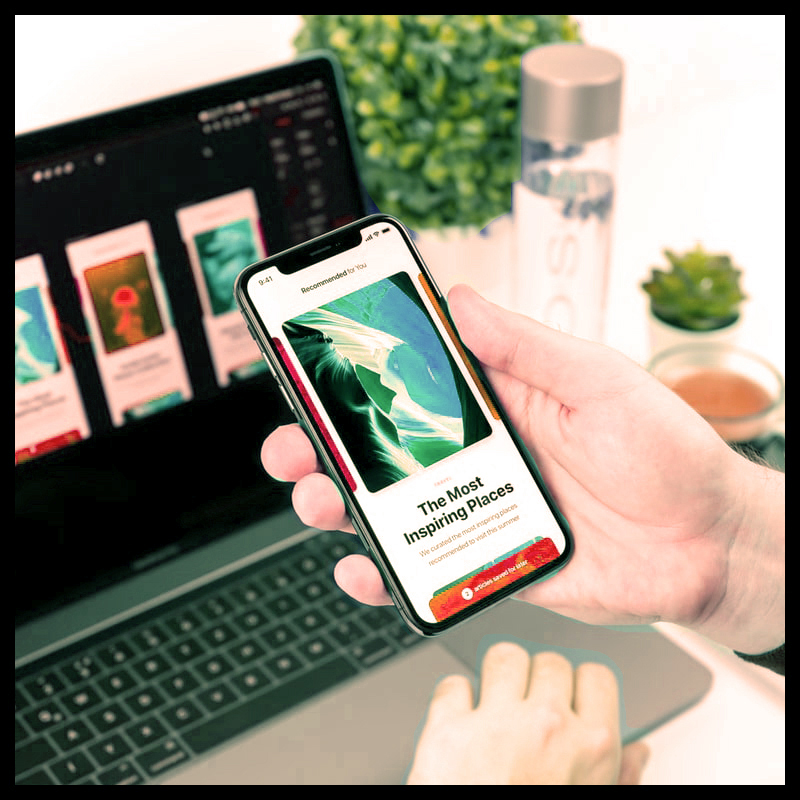
Graphic Design College Reading
Blue Sky Graphics graphic design college Reading teaches graphic and web design, as well as how to build your own logos and much more!
Distance learning
Distance education is one of the finest ways to learn graphic design tools while also learning a variety of other skills. If you have children, a family, a career, or friends, this might make attending a regular institution extremely difficult. Nonetheless, online courses make it simpler to advance in your work. You may study design ideas from the comfort of your own home or wherever else you feel comfortable!
When it comes to distance learning, Blue Sky Graphics graphic design college Reading provides you with all the abilities you need to be an amazing graphic designer.
What Does a Graphic Designer Do?
In advertising, brochures, and other public relations media, graphic designers add exciting and instructive concepts. Many graphic designers work together with professional design firms, while others are self-employed or work individually. Text, pictures, animations, and colours are all handled by print and visual artists using complex graphics techniques.
Graphic artists’ jobs rely around substantial work with pictures and text, since they must express a certain message, call-to-action, or emotion based on the demands of the customer. Many graphic designers, on the other hand, like working with several customers, i.e., as freelancers. You can become a freelancer once you learn graphic design from BSG graphic design college Reading. Because of the job’s flexibility, freelancing opens the door to a variety of alternative options.

Branding
Your company’s brand is the public’s impression of the products or services it provides. Customers’ opinions and feelings about your brand shape your brand; the appropriate image is what gives it significance. Branding is generally used to refer to all acts aimed at positioning the brand.
It is critical to develop a firm’s identity, and the image you create must reflect the organisation in the best possible manner. As a designer, it is best to sit down with the client and obtain a thorough grasp of their goals as well as insight into the industry in which they operate. All of this will contribute to the development of a powerful brand that both you and, more importantly, your customer will be pleased with.
Logo
Your company’s logo is a graphical depiction of it. It is one of the most important aspects of any brand and is generally one of the first assets to be developed. Your logo, like your business’s signature, is a simple graphic that you use to symbolise your brand.
Logos come in a variety of forms, including characters, pictures, symbols, and simple geometric shapes. An excellent logo, on the other hand, is memorable and uncomplicated, allowing it to be immediately associated with your business. You also want it to be adaptable enough to be utilised in a variety of commercials, goods, and other contexts. The logo is only the starting point. Working on a brand allows the designer to be involved and provide guidance on other elements of the process, such as advertising campaigns and marketing.
Website Development
The building of a website on the Internet is referred to as website design. Instead of building apps, website components are typically related to the user interface. Web design has traditionally been focused on desktop browser sites, but designs have grown more important to smartphone and tablet browsers since the mid-2010s.
The interface, layout, and text are all priorities for the site designer. The design, for example, comprises the colours, typefaces, and pictures utilised. The style relates to organised and categorised data. The robust web foundation is acceptable, elegant, and appropriate for the website’s user base and brand.
Adobe XD for Web Design
Adobe XD is one of the most comprehensive and dependable UX design tools for creating a wide range of prototypes. It is completely free to install and use on both Mac and Windows platforms.
Adobe XD has an extremely simple and efficient interface, which it inherits from a partner programme in the Creative Cloud bundle. It provides prototype tools for a variety of platforms, including websites, mobile phones, laptop computers, and others.
When the programme is deployed, the Welcome page contains a variety of conventional screen size templates as well as the file size you choose. In addition, the welcome page includes several tools that may be used as a starting point for learning this software, as well as interface design elements such as iOS and Android mobile apps.
Adobe XD Layout Fundamentals
Adobe XD is separated into two views, which may be accessed from the top left of the app: the design view and the prototype view.
Designers may utilise a range of tools and capabilities in design view to build design layout components, add artboards to show layout pages, and import resources from other apps like Adobe Illustrator and Adobe Photoshop.
Designers may copy idea pieces straight from these tools and put them as vectors into the artboard of choice. This allows you to modify the colour of the imported artwork as well as the path anchor.
The other feature of Adobe XD is a prototype view, which allows designers to construct linkages between artboards (pages) and specify the connections between them through interaction. When the project is finished, the designer may preview it by clicking the preview icon in the upper right corner or share it with the team via a web-based link. Designers may also save a variety of pages as bitmaps or vectors.









