

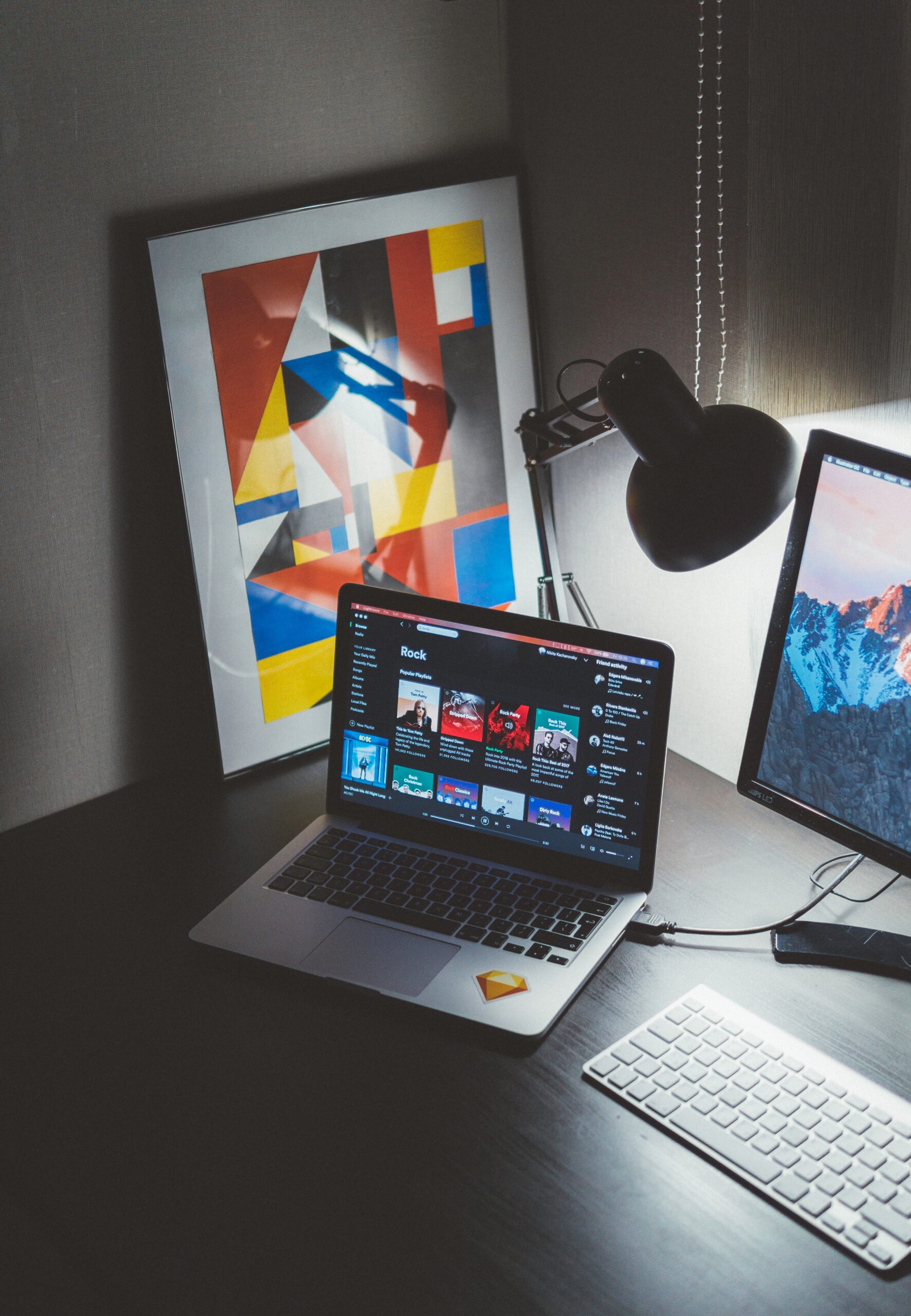
Gradient map effect with Adobe Photoshop
Have you ever wondered how some images and designs have that mesmerising colour transition effect? Well, wonder no more! Adobe Photoshop’s gradient map feature is here to unlock a world of possibilities for your creative projects. Whether you’re a seasoned graphic designer or just starting out on your artistic journey, this powerful tool can transform any ordinary image into a captivating masterpiece. From subtle gradients to bold and vibrant transitions, the gradient map effect allows you to effortlessly manipulate colours and create eye-catching compositions that will leave your audience in awe. In this article, we will explore the ins and outs of using gradient maps in Adobe Photoshop, providing you with the knowledge and inspiration needed to take your designs to new heights. So grab your digital paintbrushes and get ready to embark on an exciting adventure through the realm of colour!
What is the gradient map effect?
The gradient map effect is a powerful tool in Adobe Photoshop that allows you to easily transform the colour tones of your images. It’s like giving your photos a brand new coat of paint, but with infinitely more possibilities. With just a few clicks, you can completely change the mood and feel of an image by mapping the colours to different points on a gradient spectrum.
One of the great things about the gradient map effect is its versatility. You can choose from predefined gradients or create your own custom ones to achieve exactly the look you desire. Whether you want to give your image a vintage sepia tone, create a high contrast black and white effect, or even experiment with surreal colours, the gradient map effect has got you covered.
What makes this effect even more exciting is that it allows for precise control over which colours are mapped and how they transition between each other. You can easily adjust the opacity of certain colours if they’re too overpowering or fine-tune transitions between shades for smoother blending. This level of customisation makes it perfect for photographers and graphic designers who want to add their own unique touch to their work.
Understanding the basics of Adobe Photoshop
Adobe Photoshop is a versatile and powerful software that allows users to manipulate images and create stunning graphic designs. However, understanding the basics of Adobe Photoshop can be overwhelming for beginners. One of the fundamental features of Photoshop is the gradient map effect, which can add depth and dimension to an image.
The gradient map effect in Photoshop involves mapping colours from one image onto another based on their luminosity values. This technique can be used to completely transform the mood and atmosphere of an image. By applying a gradient map, you can enhance shadows and highlights, create dramatic black-and-white conversions, or even produce surreal colour effects. It’s a tool that opens up endless possibilities for creativity.
To apply a gradient map effect in Adobe Photoshop, simply go to the Image menu and select Adjustments, then choose Gradient Map. From there, you can select predefined gradients or create your own custom gradients by adjusting the colours and stops along the gradient bar. Experimenting with different gradients will give you a better understanding of how this feature works and what kind of effects it can achieve.
Understanding the basic concepts behind Adobe Photoshop is essential for unlocking its full potential as a design tool. Whether you are just beginning to explore graphic design or have been working with Photoshop for years, incorporating advanced techniques such as the gradient map effect into your workflow will undoubtedly take your designs to new heights. So dive into this fascinating world of digital artistry with Adobe Photoshop!
Applying the gradient map effect in Photoshop
The gradient map effect in Photoshop is a powerful tool that can transform your images in ways you never thought possible. By mapping specific colours from a gradient onto the tonal values of your image, you can create stunning visual effects and evoke different moods. What sets the gradient map effect apart from other colour adjustments is its ability to retain the original tonal values, making it a versatile tool for photographers and graphic designers.
One of the key benefits of using the gradient map effect is its ability to enhance contrast and add depth to an image. By applying a high-contrast gradient map, you can create a dramatic effect that brings out every detail in your photo. Conversely, by using a low-contrast gradient map, you can achieve a dreamy or vintage look that adds a nostalgic touch to your images.
Additionally, experimenting with various gradients allows for endless creative possibilities. Whether you want to create an ethereal landscape or give your portrait a vibrant and surreal appearance, the gradient map effect offers limitless options for expressing your artistic vision. So go ahead and explore this incredible feature in Photoshop – unleash your creativity today!
Customising and adjusting the gradient colours
Customising and adjusting the gradient colours is a crucial step in creating a captivating and visually appealing gradient map effect using Adobe Photoshop. This process allows you to have full control over the colours used in your design, ensuring that it perfectly matches your desired look and feel. By customising the gradient colours, you can create unique effects that are tailored to your specific needs.
One of the most exciting aspects of customizing and adjusting gradient colours is the ability to experiment with different colour combinations. You can explore contrasting or complementary colour schemes to make your design pop, or opt for monochromatic tones for a more subtle and minimalist look. Additionally, by adjusting the opacity and blending modes of each colour in the gradient, you can create stunning visual effects that add depth and dimension to your artwork.
Furthermore, customising and adjusting gradient colours offers endless possibilities when it comes to expressing creativity. From vibrant neon hues to muted pastel shades, there are no limits to what you can achieve with this technique. It allows you to inject personality into your designs while also ensuring cohesiveness throughout your project. So go ahead, unleash your imagination, experiment with different colour combinations, and let your creativity soar as you dive into the world of customizing and adjusting gradient colors in Adobe Photoshop!
Enhancing images using the gradient map effect
The gradient map effect is a powerful tool in Adobe Photoshop that can completely transform the mood and atmosphere of an image. By applying this effect, you can enhance colours, add depth, and create a visually striking aesthetic. One of the key advantages of using the gradient map effect is its versatility – it allows you to experiment with different colour combinations and create customised gradients to achieve your desired look.
When used strategically, the gradient map effect can breathe new life into dull or flat images. For example, by mapping darker colours to shadows and lighter colours to highlights, you can instantly add dimension and contrast to your photographs. Moreover, you have the freedom to choose any range of colours along the spectrum for your gradient map, allowing for endless creative possibilities.
Additionally, the gradient map effect is not limited to just enhancing photographs – it can also be used effectively in graphic design projects. Whether you are working on digital illustrations or creating promotional materials for a business, this effect can help bring cohesion and harmony to your artwork by tying together disparate elements with a unified colour palette. Overall, incorporating the gradient map effect into your editing process will undoubtedly elevate your images from good to great by adding that extra touch of visual appeal.
Tips and tricks for using the gradient map effect
One of the most powerful tools in Adobe Photoshop for adding interesting and dynamic effects to your images is the gradient map effect. This tool allows you to easily apply a range of colours to your image based on its tonal values. But did you know that there are some tips and tricks that can take your use of the gradient map effect to the next level?
Firstly, don’t be afraid to experiment with different gradients and colour combinations. The gradient map effect provides endless possibilities, so try exploring various options and see which ones best enhance your image’s mood or theme. Additionally, remember that you can adjust the opacity of the gradient map layer to achieve a more subtle or dramatic effect.
Another useful tip is to try using multiple gradient map layers for a layered effect. By adding multiple layers with different gradients, you can create complex and visually striking images that have depth and dimension. This technique works especially well when blending different colour schemes together.
Finally, consider using custom gradients instead of relying solely on the default Photoshop presets. Creating your own unique gradients allows you to have full control over how colours are applied to your image. Try experimenting with different colour combinations and creating gradients specifically tailored for each image to truly make it stand out.
In conclusion, mastering the gradient map effect in Adobe Photoshop opens up a world of creative possibilities for transforming your images into stunning works of art.
Top must-have tools for graphic designers using Adobe Photoshop
One of the top must-have tools for graphic designers using Adobe Photoshop is the pen tool. This tool allows designers to create precise and clean vector shapes, which are essential for creating logos, icons, and other graphics. The pen tool’s versatility also makes it ideal for creating smooth curves and paths that can be easily adjusted and manipulated.
Another important tool for graphic designers using Adobe Photoshop is the brush tool. Not only does this tool allow designers to paint with various textures and shapes, but it also offers a wide range of customisations. Designers can choose from different brush sizes, hardness levels, opacity settings, and blending modes to achieve their desired effects. Whether they want to add texture to an image or create unique illustrations, the brush tool provides endless possibilities.
In addition to the pen and brush tools, graphic designers using Adobe Photoshop should also take advantage of the shape tools. These tools make it easy to create geometric shapes such as rectangles, circles, polygons, and more. By combining these shapes with various layer styles and effects in Photoshop, designers can quickly create professional-looking graphics without having to start from scratch.
Overall, graphic designers using Adobe Photoshop need a variety of tools at their disposal in order to bring their creative visions to life effectively. The pen tool offers precision and control over vector shapes while the brush tool provides endless possibilities when it comes to painting textures and illustrations. Finally, shape tools help save time by creating geometric elements that can be further customised with layer styles and effects.
Essential tips and tricks for mastering Adobe Photoshop in graphic design
When it comes to graphic design, mastering Adobe Photoshop is essential. This powerful software offers endless possibilities for creating stunning visuals, and knowing the tips and tricks can take your designs to the next level. One important aspect of graphic design that Photoshop excels in is creating gradient map effects.
To achieve a gradient map effect in Photoshop, start by opening the image you want to apply the effect to. Then, go to the Adjustments panel and click on Gradient Map. You will see a list of pre-set gradients, but don’t limit yourself to those options – experiment with creating your own unique gradients by clicking on the gradient preview box.
Another useful trick when working with gradient maps is adjusting the opacity of the effect. By lowering or increasing the opacity, you can create subtle or bold colour transformations that enhance your design. Don’t be afraid to play around with different opacities until you achieve the desired effect.
Additionally, remember that overlaying multiple gradient maps can produce even more striking results. By using layer masks and blending modes such as Multiply or Screen, you can combine different gradients seamlessly for a more dynamic visual impact.
Mastering Adobe Photoshop in graphic design requires practice and exploration. So don’t be afraid to experiment with various tools and techniques to find what works best for your specific project. Remember that creativity knows no bounds when it comes to utilizing gradient map effects in Photoshop – let your imagination run wild!
The ultimate guide to typography in Adobe Photoshop for graphic designers
Typography is a powerful tool in graphic design, and Adobe Photoshop offers a plethora of options to enhance and manipulate text. Whether you’re creating a poster, website banner, or social media graphics, understanding how to make the most of typography will take your designs to the next level.
In Adobe Photoshop, you can experiment with various fonts, sizes, and styles to create visually appealing and impactful text. One tip is to pair contrasting fonts for titles and body text to create an interesting visual contrast while maintaining readability. Additionally, utilising effects like drop shadows or strokes can add depth and dimension to your typography.
Another great feature is the ability to warp text into different shapes. This allows for creative compositions where your typography flows seamlessly within your design elements. Transferring these skills from basic type formatting to more advanced techniques like blending modes or applying textures can unlock even more possibilities for unique typographic designs.
By mastering the vast array of typographic options available in Adobe Photoshop, graphic designers can truly elevate their work by adding stunning and eye-catching textual elements. The versatility offered by this software provides endless opportunities for creating captivating designs that effectively convey messages through well-designed typography. So go ahead and explore the world of typography in Adobe Photoshop – let your creativity run wild!
The power of Adobe Photoshop in graphic design
One of the most powerful tools in a graphic designer’s arsenal is Adobe Photoshop. With its wide range of features and capabilities, this software has revolutionised the way designers create and manipulate images. One highly effective technique that can be achieved using Photoshop is the gradient map effect.
The gradient map effect allows designers to apply a smooth transition of colours to an image, creating a striking and visually appealing result. This effect can completely transform the mood and tone of an image, giving it a unique and personalised touch. By simply adjusting the gradient map layer’s blending mode or opacity, designers have full control over how intense or subtle they want the effect to be.
Not only does Adobe Photoshop offer countless possibilities for design manipulation and creativity, but it also provides users with an intuitive interface that makes these tasks relatively simple to execute. From enhancing photos to creating complex illustrations, there seems to be no limit to what can be accomplished with this powerful software. Whether you’re a beginner or an experienced professional, Adobe Photoshop has proven time and again its ability to empower graphic designers with endless creative possibilities.
Advanced features for professional graphic designers
One advanced feature that professional graphic designers should be aware of in Adobe Photoshop is the ability to create custom brushes. Custom brushes allow designers to add unique textures and effects to their designs, giving them a distinctive and creative edge. By creating their own brushes, designers can experiment with different shapes and patterns, allowing for endless possibilities when it comes to adding depth and dimension to their work.
Another advanced feature that professional graphic designers can take advantage of in Adobe Photoshop is the ability to apply layer styles. Layer styles are pre-set effects that can be applied to individual layers or entire groups of layers, saving valuable time during the design process. With layer styles, designers can easily add shadows, glows, gradients, and other effects without having to manually create each element from scratch. This not only speeds up the workflow but also ensures consistency across multiple designs by allowing designers to save and reuse customized layer styles.
In conclusion, while gradient maps are a powerful tool for professional graphic designers in Adobe Photoshop, there are many other advanced features available that can enhance their creativity and productivity. By exploring custom brushes and layer styles, designers can unlock endless possibilities for adding unique textures and effects to their designs while also streamlining their workflow. Being familiar with these advanced features will give graphic designers a competitive edge in producing high-quality work efficiently.
Tips for efficient workflow in Adobe Photoshop
When working with Adobe Photoshop, it’s essential to establish an efficient workflow to optimize your productivity and achieve the best results. One tip is to make use of keyboard shortcuts. Learning and utilizing shortcuts for frequently used tools and commands can save you valuable time in navigating through menus and submenus. Additionally, organising your workspace by customising the toolbar, panels, and workspace layout allows for a more streamlined workflow.
Another way to enhance your efficiency is by creating and using presets. For example, when applying the gradient map effect, you can save your custom settings as a preset for future use. This means that instead of manually adjusting the same parameters each time you want to create this effect, you can simply apply your preset with a single click. By making use of presets throughout various editing processes in Photoshop, you’ll find yourself saving significant amounts of time.
Lastly, take advantage of non-destructive editing techniques such as adjustment layers and layer masks. These allow you to make changes without permanently altering your original image or design elements. With adjustment layers specifically tailored for colour grading effects like gradient maps, it becomes easier to experiment with different combinations until achieving the desired result. Furthermore, layer masks enable you to selectively apply adjustments or hide certain areas without affecting others within the same layer composition.
Exploring the limitless possibilities of graphic design
Graphic design is a field that knows no bounds. It’s a realm where creatives can let their imaginations run wild, exploring the limitless possibilities of visual communication. From logos and branding to website designs and advertisements, graphic designers have the power to shape how we perceive and interact with the world around us.
One of the most exciting aspects of graphic design is the ability to experiment with different techniques and effects. One such effect that has gained popularity in recent years is the gradient map effect. With Adobe Photoshop, designers can create stunning visuals by mapping colours based on brightness levels, resulting in a mesmerizing blend of hues that adds depth and dimension to any image.
What makes the gradient map effect so captivating is its versatility. Whether you want to create an ethereal landscape or a moody portrait, this effect allows you to transform your photos into works of art. By adjusting the colour stops on the gradient map layer, designers can control which colours are applied at different tonal ranges, opening up endless creative possibilities.
In conclusion, graphic design offers an extraordinary playground for artists looking to push boundaries and break free from convention. The gradient map effect with Adobe Photoshop exemplifies this notion by giving designers an innovative way to bring their visions to life. So go ahead – explore the limitless possibilities of graphic design and let your creativity soar!









