

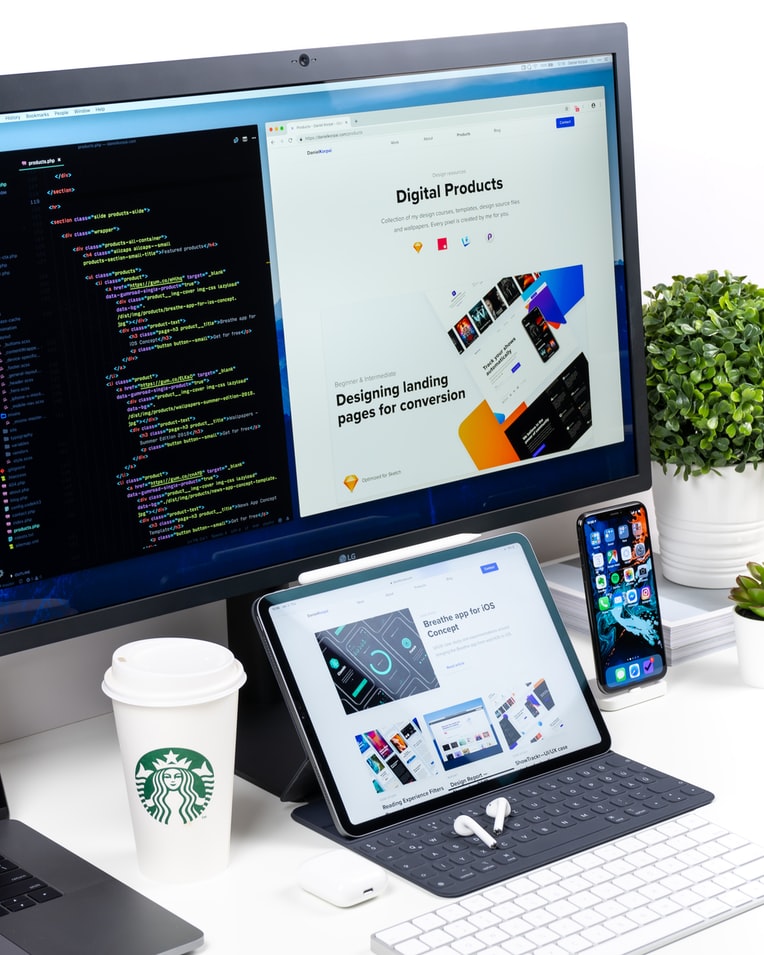
Computer Skills Needed For Graphic Design – Graphic design is a versatile form of art that can be used in a variety of ways.
Design is all around us, and it can be used in a variety of ways. Graphic design, in particular, is a versatile form of art that can be used to communicate a message or tell a story. It can be used in advertising, marketing, and web design, among other things. Graphic designers use typography, colour, and images to create designs that are both beautiful and effective.
What to study: Elements of graphic design, such as colour theory, typography, and layout.
In order to create a visually appealing graphic design, you must understand the basic principles of graphic design. These principles include colour theory, typography, and layout. Colour theory is the study of how colours affect moods and emotions. Typography is the study of typefaces and how they are used to convey a message. The layout is the arrangement of elements on a page in order to create a visually appealing composition. By studying these elements, you will be able to create designs that are both attractive and effective.
How to study: Experiment with different mediums and techniques to find what works best for you.
One of the keys to effective studying is finding the method that works best for you. That might mean experimenting with different mediums and techniques, or it might mean finding a specific place or time when you’re most productive. Whatever approach you take, be sure to tailor it to your individual needs and preferences. Here are a few tips to help get you started:
1. Find a comfortable place to study. This could be your bedroom, a quiet corner of the library, or even a park bench. Wherever you choose, make sure the environment is free from distractions and conducive to concentration.
2. Establish a regular study routine. This could involve setting aside certain days and times each week for homework or taking a break after every hour of work. Whatever pattern you choose, be sure to stick to it as much as possible so that studying becomes second nature.
Where to study: Look for programs that offer a well-rounded curriculum and plenty of hands-on experience.
Choosing where to study can be a daunting task. With so many colleges and universities to choose from, how can you know which one is the best fit for you? One important factor to consider is the curriculum. A well-rounded curriculum will offer a variety of courses in different disciplines, while a focused curriculum will have more classes in one specific area. Hands-on experience is also important. Look for programs that offer plenty of opportunities for students to get involved in research or clinical work.
What to do with your certificate: There are many careers available to graphic designers, so think about what you want to do and start building your portfolio.
Graphic design is a fun and challenging art form that can be used in many different ways. If you’re interested in studying graphic design, be sure.
If you’re looking for a creative and challenging art form, graphic design may be perfect for you. Graphic designers use their creativity and visual skills to create graphics for a variety of purposes, such as advertisements, websites, or logos. While the work can be demanding, it can also be very rewarding when your designs are successful.
Graphic design is a field that is constantly growing and changing. It is important to be aware of the latest trends and techniques in order to stay competitive.
History of Graphic Design: Learning about the history of graphic design can give you a better understanding of the development of the field.
When most people think about graphic design, they think about the slick, modern designs that they see every day on websites, in magazines, and on product packaging. However, graphic design is not a new phenomenon; in fact, it has been around for centuries.
The history of graphic design can be traced back to ancient Greece and Rome when artists and designers began using text and images to communicate ideas. Over the years, the field of graphic design has evolved and changed dramatically, but the basic principles have remained the same. By learning about the history of graphic design, you can gain a better understanding of how this art form has developed over time and gain some insight into the minds of some of its greatest pioneers.
Types of Graphic Design: There are many different types of graphic design, each with its own unique set of skills and techniques.
Graphic design is a very broad term that can encompass a variety of different types of designs. Some of the most common types of graphic design include corporate design, advertising design, web design, and editorial design. Each type has its own unique set of skills and challenges that must be mastered in order to create successful designs. Corporate graphic designers, for example, must have strong branding and marketing skills in order to create cohesive designs that represent the company’s image.
Advertising designers must be able to create eye-catching and effective ads that will grab attention and persuade people to buy the product or service. Web designers must have strong coding skills as well as an understanding of user experience in order to create websites that are both visually appealing and easy to use. Editorial designers must be able to layout text and visuals in a way that is both visually appealing and easy to read.
Graphic Design Tools: In order to create effective graphic designs, you need to be familiar with the tools that are available to you.
In order to create effective graphic designs, you need to be familiar with the many different graphic design tools available to you. In this article, we’ll take a look at some of the most popular graphic design tools and how they can help you create beautiful and effective designs. We’ll also take a look at some tips for using each tool effectively.
Graphic Design Trends: Keep up with the latest trends in graphic design so that your work is up to date.
With the world constantly changing, it’s important to keep up with the latest trends in your industry. Graphic design is no exception. In order to create effective and visually appealing designs, you need to be aware of the current trends. Here are a few graphic design trends that you should be keeping an eye on in 2022:
1. Bold colours
2. Geometric Shapes
3. Minimalism
4. Hand-Drawn Graphics
What is the average salary for a graphic designer?
In order to become a graphic designer, you need to have completed some form of postsecondary education, such as an associate’s certificate or a certificate in graphic design. Graphic designers with less than three years of experience earn an average annual salary of £41,000. Those who have been in the field for more than ten years earn an average of £72,000 per year. The median salary for all graphic designers is £50,000 per year.
What is the difference between a graphic designer and an illustrator?
A graphic designer and an illustrator both use images to communicate ideas, but there is a big difference between the two jobs. A graphic designer’s main focus is on the layout and organization of text and images, while an illustrator’s focus is on creating original artwork. Graphic designers typically work with software programs to create designs for logos, websites, and advertisements, while illustrators often use traditional mediums such as paints and pencils to create their illustrations.
What are the benefits of being a graphic designer?
There are many benefits to being a graphic designer. Perhaps the most obvious benefit is that you get to be creative and use your imagination on a daily basis. Graphic designers are also in high demand, so there are plenty of job opportunities available. Additionally, graphic designers often have the opportunity to work from home, which can be a great perk.
What are the benefits of hiring a freelance graphic designer?
There are many benefits to hiring a freelance graphic designer. Perhaps the most obvious benefit is that you can get high-quality design work at a fraction of the cost of hiring a full-time designer. Freelance designers are also more likely to be up-to-date on the latest design trends and technologies, so you can be confident that your project will look cutting-edge.
Another big advantage of working with a freelance designer is that you can easily find one with the exact skills and experience you need. This means that you won’t have to spend time training or managing them, which can save you a lot of time and hassle.
Finally, hiring a freelance designer gives you more flexibility and control over your project.
What are the drawbacks of hiring a freelance graphic designer?
When it comes to graphic design, many business owners think that hiring a freelance graphic designer is the best way to get the job done right and on time. While there are some benefits to working with a freelance designer, there are also several drawbacks that should be taken into consideration before making a decision.
One of the main benefits of working with a freelance designer is that they can offer a fresh perspective and new ideas. They are not attached to the company or its employees and can therefore provide an unbiased opinion. Additionally, freelancers are often more affordable than hiring an in-house graphic designer, which can save businesses money.
However, there are also several drawbacks to consider before hiring a freelance graphic designer. One of the biggest is that there is no guarantee that they will be available when needed or meet deadlines.
How does a company find a great graphic designer to hire?
A company looking to hire a graphic designer needs to first determine what it is they are looking for in a designer. They need to decide the level of experience they are seeking, what type of designs they need to be created, and what their budget is. Once they have a good idea of what they are looking for, they can begin to research designers and agencies that match their criteria.
It is important for companies to take the time to research potential designers and ask for referrals from friends or colleagues who may have had a positive experience working with a designer in the past. Once they have found a few designers that interest them, the company can reach out to them directly to see if they would be interested in working together. If all goes well, the company can then move on to signing a contract and starting work with their new designer!
What is the difference between an agency and a freelance graphic designer?
Agency graphic designers are typically employees of the agency. They may work on a variety of projects for different clients, or they may be assigned to work on a specific project. Freelance graphic designers are self-employed and work on a project-by-project basis. They may do design work for businesses, individuals, or other freelance designers. There are pros and cons to both working arrangements, but most people would agree that the quality of the final product is what matters most.
What is the current demand for graphic designers in today’s society?
The graphic design industry is booming. Every company, small or large, needs a graphic designer on staff to create visually appealing and on-brand materials. Graphic designers are needed to create everything from logos and marketing collateral to social media graphics and web pages. As a result, the demand for talented graphic designers is high, and salaries are correspondingly high. If you’re interested in a career in graphic design, there’s no better time than now to get started.
What are the challenges faced by graphic designers?
Graphic designers are responsible for the look and feel of a product or company. They create the overall design of a project and work with clients to ensure that their vision is executed. This can be a challenging job, as graphic designers must be able to balance the needs of their clients with their own artistic sensibilities. Additionally, they must be able to keep up with new technologies and trends in order to create designs that are visually appealing and on-trend.
How can you become a graphic designer?
In order to become a graphic designer, you will need to have an eye for detail, be creative, and have strong computer skills. A graphic designer typically has a certificate in graphic design or a related field. They may also have experience working in a design firm or as part of a team. Some of the tasks of a graphic designer include creating logos, designing brochures and other marketing materials, and developing website designs.
UI UX Graphic Design
User Interface (UI) and User Experience (UX) are two important aspects of Graphic Design. UI is what the user sees and interacts with, while UX is how the user feels when using a product. A good Graphic Designer will pay close attention to both aspects to create an engaging and satisfying experience for the user. UI should be easy to use and visually appealing, while UX should be intuitive and not frustrating. By designing a product with both UI and UX in mind, a Graphic Designer can create a more successful product that users will love.
UI Graphic Design
UI Graphic Design is an important aspect of web design. It is the first thing people see when they visit a website, and it can be used to create a positive or negative impression. Good UI graphic design makes a website look professional and easy to use, while bad UI graphic design can make a website look cluttered and confusing.
As technology advances, so must the user interface (UI) designs that we use to interact with it. Graphic designers are constantly challenged to come up with new and innovative ways to make our lives easier. Here are some examples of recent UI graphic design trends.
UX Graphic Design
UX Graphic Design is a process of designing user interfaces that are both effective and appealing to users. Good UX design makes using a product or service an intuitive and satisfying experience. By taking into account the user’s needs and wants, as well as the business goals of the company, a skilled UX designer can create a product that is not only visually appealing but easy to use and navigate.
WordPress for Designers
WordPress is a content management system (CMS) that enables you to create a website or blog from scratch or to improve an existing website. WordPress is free and open-source software released under the GPL. It is used by millions of people around the world, including many large organizations, such as The Guardian, Forbes, and The New York Times.
WordPress Elementor for Designers
Elementor is a popular WordPress plugin for designing pages and posts. It allows you to add custom widgets and design elements to your posts and pages. You can also use it to create custom templates and save them as reusable blocks. Elementor is easy to use and has a variety of features that make it a great choice for designers.
Visual Communications
There is no doubt that the visual world has a profound impact on how we communicate. The use of images, videos, and other forms of visual media is essential to effective communication. They can be used to capture attention, convey information, and stimulate emotions. Good visual communication can help people understand complex topics, make decisions, and take action.
What is Visual Communications in graphic design?
Visual communication is the practice of transmitting ideas and information through visual images. Graphic designers use visual communication to create persuasive, informative, and decorative designs for a variety of media. The purpose of visual communication is to engage the viewer and communicate a message in the most effective way possible.
Application of Graphic Design: Adobe Photoshop, Adobe Illustrator, Adobe InDesign
Adobe Photoshop, Adobe Illustrator, and Adobe InDesign are three of the most popular graphic design applications in use today. They allow users to create and edit graphics for print or web publishing, as well as videos and other multimedia projects. Each application has its own strengths and weaknesses, so it’s important to choose the one that will best suit your needs.
Adobe Photoshop Graphic Design
In the early days of computing, computers were used mainly for business and scientific purposes. But people soon began to see the potential for using computers to create art. In 1973, a man named John Whitney created the first computer-generated animation.
Adobe Illustrator Graphic Design
Graphic design is the process of visual communication and problem-solving through the use of typography, photography, and illustration. Adobe Illustrator is software used by graphic designers to create vector illustrations, logos, icons, and Complex graphics.
Adobe InDesign Graphic Design
Adobe InDesign is a software program used by graphic designers to create layouts for magazines, posters, and other promotional materials. It allows users to create complex designs with ease and provides a wide range of tools for customizing fonts, colours, and other elements. InDesign also exports files in a variety of formats, making it compatible with a variety of printing and online publishing platforms.
Web Design Graphic Design
As technology advances, more and more businesses are transferring their advertising to the Internet. In order to compete in this market, it is important for your website to have an attractive and professional design. Graphic design is what will make or break your website. A well-designed website will grab attention and keep visitors engaged, while a poorly designed website will likely be ignored.
Hiring a professional graphic designer is the best way to ensure that your website looks great. However, if you are on a tight budget or are designing your own website, there are some tips that you can follow to create an attractive and effective web design. First, choose a simple layout that is easy to navigate. Use basic fonts and colours that are easy to read, and make sure all of your content is relevant and up-to-date.
Graphic Design websites
As a graphic designer, you know that the web is an important part of your business. But with so many graphic design websites out there, how do you know which one to choose? Here are some things to consider when choosing a website to showcase your work.
First, think about what you need the website to do. Do you need a portfolio website where potential clients can see your work? Or do you need a blog where you can share your latest projects and ideas? There are a variety of websites available that cater to both of these needs.
Next, think about how much you want to design the website yourself or whether you want to hire someone else to do it for you. Some websites are very easy to use and allow you to create a custom portfolio without any coding or design experience.
Graphic Design Typography
Typography is the art and technique of arranging type to make written language legible, readable and appealing when displayed. The arrangement of type involves the selection of typefaces, point size, line length, line spacing, and letter spacing. The term typography is also applied to the style of a typeset text.
Graphic Design colour Theory
Graphics designers use colour theory to create cohesive and consistent designs. Colour theory is the study of how colours interact with one another and how they are perceived by humans. By understanding colour theory, graphic designers can create colour palettes that work together harmoniously and convey the desired mood or message of a design. There are three primary colours- red, blue, and yellow- which can be combined to create secondary colours. There are also tertiary colours which are made up of primary and secondary colours.
Graphic designers often use a colour wheel to help them choose colours that will work well together. The wheel is divided into 12 segments, each representing a different hue. The primary colours are located in the centre of the wheel, with the secondary and tertiary colours around them. Colours opposite each other on the wheel are complimentary, while those next to each other are analogous.
Graphic design in demand
As technology advances, so does the field of graphic design. In order to keep up with the latest trends, businesses are hiring graphic designers at an alarming rate. Due to the high demand, those with graphic design skills can command a high salary. Graphic designers are in high demand for their ability to take complex ideas and communicate them through visually stunning graphics. In order to stay competitive in the job market, it is important for graphic designers to be well-versed in the latest software and technologies.
What are the benefits of visual branding?
Visual branding is one of the most important aspects of any business, yet it is often one of the most overlooked. A strong visual brand can help your business to stand out from the competition, and it can also help to build trust with your customers. There are a number of benefits that can be gained from having a strong visual brand, and below are just a few of them.
A strong visual brand can help you to stand out from the competition. If you have visually appealing logo and branding elements, then your business will be more likely to stick in people’s minds. When people see your logo or branding, they will instantly associate it with your company, which can help to boost your reputation.
A strong visual brand can also help to build trust with your customers.
What are the different types of visual branding?
Visual branding is the use of visuals to create a unique and recognizable brand. There are many different types of the visual branding, including logos, fonts, colours, and images. Each type of visual branding can be used to create a unique brand identity.
Logos are one of the most important elements of visual branding. A good logo can help customers quickly identify your brand. Logos can be created using text or images, and they can be simple or complex. Fonts are also an important part of visual branding. Different fonts can be used to create a unique look for your brand. Colours are another important part of visual branding. Colours can be used to create a mood or feeling associated with your brand. Images can also be used in visual branding. Images can help convey the message or ethos of your brand.
Visual branding is the use of visuals to create a unique and recognizable brand. There are many different types of the visual branding, each with its own advantages and disadvantages. The most common types of visual branding are logos, typography, and colour schemes.
What is the difference between visual branding and traditional brand design?
Visual branding is a relatively new term that is used to describe the use of visuals in marketing and advertising.
Traditional brand design, on the other hand, is a term that has been around for many years and is used to describe the use of typography, colour, and images to create a unique and recognizable brand. Although both visual branding and traditional brand design are used to create a unique brand identity, they are not the same thing. Visual branding uses visuals to create an emotional connection with the target audience, while traditional brand design uses visuals to create a recognizable and unique brand identity.
Branding is one of the most important aspects of a business. It can be the difference between success and failure. There are two main types of branding: visual branding and traditional brand design.
How can I create a strong visual identity for the company?
When starting a company, it is important to create a strong visual identity. This will help customers and clients remember your company and what it represents. There are a few things to keep in mind when creating a visual identity:
Your logo should be simple and memorable. It should also accurately represent your company. Your branding should be consistent across all platforms, from your website to your social media pages. Make sure your colour palette is cohesive and reflects the tone of your company. Keep your fonts consistent and easy to read. Finally, make sure all of your marketing materials are high-quality and professional. By following these tips, you can create a strong visual identity for your company that will help it stand out from the competition.
Who is the target audience for visual branding?
Visual branding is the use of images and graphics to create a unique and recognizable visual identity for a company or product. While the use of visual branding is growing in popularity, many businesses are still unsure of who their target audience is.
There are a few things to consider when determining your target audience for visual branding. The first step is to understand your company’s goals and mission. Once you have a clear understanding of what you want to achieve, you can begin to develop visuals that will help you reach those goals.
Your target audience can vary depending on your industry and the products or services you offer. It’s important to think about who your ideal customer is and what appeals to them. You also need to consider your competition and how you can differentiate yourself from them.









