

Are There Any Online Courses That Teach Graphic Design Software? In graphic design, one of the most important skills is the ability to communicate information effectively.
In graphic design, effective communication is crucial. Through design, information can be conveyed in a way that is engaging and easily understandable. Designers must have strong visual communication skills to create designs that communicate messages clearly and effectively. They must also have a deep understanding of the principles of design, such as typography, colour theory, and composition.
In addition to technical skills, designers also need to be adept at understanding their audience. The ability to empathize with the target audience helps designers create designs that speak directly to them. This includes considering factors like age range, gender, culture and language barriers.
Overall, a successful graphic designer needs to be able to convey complex ideas through visually stunning graphics while keeping in mind who they are trying to reach. With so much competition for attention in today’s world of constant stimulation from technology and social media platforms, it’s important for designers to stay up-to-date on new developments while honing their existing skills.
Graphic Design: The process of designing a document or image using a set of rules and principles.
In a graphic design course, students learn various elements of visual communication, such as typography, colours, shapes and images. The course teaches the principles of design, including balance, contrast, alignment and proximity, which are crucial in creating visually appealing documents or images. They also learn the use of different software applications such as Photoshop, Illustrator and InDesign to create digital designs.
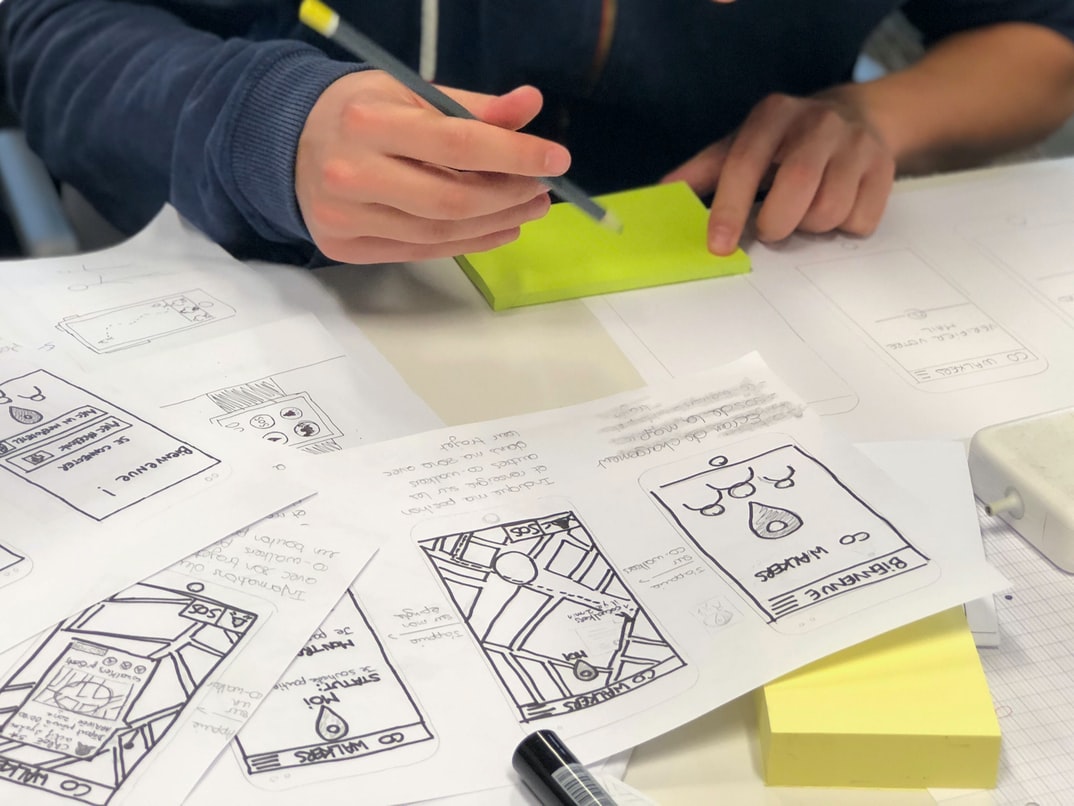
The process of designing starts with understanding the intended message and target audience. The designer then creates sketches or drafts to plan the layout of the document or image. This helps them determine the placement of different elements and how they will interact with each other. Once this is done, they move on to creating a final version using their preferred software.
In conclusion, graphic design is an essential skill for anyone who wants to communicate effectively through visual media. Whether you are designing for print or digital platforms, understanding the principles of design can help you create visually appealing documents that convey your message accurately.
The Elements of Graphic Design: These include shapes, colours, fonts, typefaces, and images.
When learning graphic design and visual communication, understanding the elements of design is crucial in creating effective visual content. Shapes are fundamental building blocks that can convey different meanings depending on their form and context. Circles suggest unity or infinity, squares represent stability or reliability, triangles indicate direction or movement, and irregular shapes can evoke emotions such as chaos or playfulness.
Colours are another important element that can affect the mood and tone of a design. Different colour combinations can convey different emotions and meanings. For instance, warm colours like reds and oranges tend to elicit excitement or passion, while cool colours like blues and greens create a calming effect. Additionally, choosing appropriate fonts and typefaces is essential in ensuring legibility and readability for viewers.
Finally, images play a significant role in conveying messages through visual communication. The use of photography, illustrations, infographics, and icons, among others, adds depth to designs by supplementing text with visual cues that aid comprehension. Overall, mastering these elements is critical for designers to effectively communicate ideas visually while conveying specific messages to their target audience.
Graphic Communication: The ways in which a document or image can be used to influence people’s behaviour.
In graphic design and visual communication, it is crucial to understand the ways in which a document or image can be used to influence people’s behaviour. A well-designed graphic can evoke emotions, create a sense of urgency, and ultimately persuade the viewer to take action.
One way that graphic communication can influence behaviour is through the use of colour. Certain colours have been shown to elicit specific emotional responses from viewers. For example, red can symbolize passion or danger, while blue often represents trust and reliability. By strategically using colour in a design, a designer can create an atmosphere that encourages the viewer to act in a certain way.
Another important aspect of graphic communication is typography. The font chosen for a design can greatly impact how the message is received by viewers. Different fonts convey different tones and emotions – for example, serif fonts tend to feel more traditional and serious, while sans-serif fonts are often seen as modern and approachable. Understanding how typography affects perception is key to creating effective designs that will influence behaviour in the desired way.
What are the benefits of graphic design and visual communication?
Studying graphic design and visual communication offers a multitude of benefits, both personally and professionally. Firstly, it teaches you how to communicate visually with an audience in a creative and effective way. This includes understanding the principles of typography, colour theory, composition, and layout. These skills are highly valuable for anyone working in the marketing or advertising industries.
Additionally, studying graphic design helps you develop problem-solving skills as you’re constantly challenged to come up with unique solutions for different projects. You’ll also learn how to work with clients, take their feedback constructively and deliver the final product on time.
Moreover, pursuing a certificate in this field can lead to a wide range of career opportunities, such as graphic design, art director or web designer. In conclusion, learning about graphic design and visual communication not only develops your creativity but also opens doors to exciting job prospects.
Definition of a graphic design concept: What is it?
A graphic design concept is a visual representation of an idea or message that communicates to the audience through graphics, images, typography, and colour. It is a central theme around which all the design elements revolve. Visual communication provides structure and direction to the designer by defining what needs to be communicated and how it should look.
The process of developing a graphic design concept involves research, brainstorming, sketching ideas on paper or digitally, and refining those ideas into more refined concepts with feedback from others in the field until finally arriving at a final product. A well-designed concept tells a story that can resonate with viewers and evoke emotions while being aesthetically pleasing.
Learning how to create effective graphic design concepts is an integral part of any graphic design program. By understanding the principles behind successful designs and learning various techniques for creating them, students develop skills that will allow them to create designs that are both visually appealing and meaningful in their purpose. Ultimately this skillset enables designers to meet client needs for real-world applications across multiple industries, including advertising, marketing communications, publishing and more.
Elements of good graphic design: Can you use them in your own designs?
One of the key elements of good graphic design is typography. Typography involves selecting and arranging typefaces to create a visual hierarchy that communicates effectively with the audience. A good designer must choose fonts that are legible and appropriate for the message they want to convey. They must also consider factors such as font size, line spacing, and colour to ensure that the text is easy to read.
Another important element of graphic design is colour theory. Colours can evoke different emotions and have an impact on how people perceive a design or brand. A skilled designer should understand how different colours work together and use them strategically to create a desired effect. Furthermore, designers must be mindful of accessibility concerns when it comes to colour, like ensuring sufficient contrast between background and foreground colours for people with visual impairments.
In conclusion, learning about these elements in graphic design can be very useful in creating one’s own designs. By understanding typography, colour theory, and other key concepts in visual communication, designers can develop more effective designs that communicate their message clearly while also being aesthetically pleasing.
How to choose the right graphic design tools for your needs: Can you mix and match?
As a graphic designer, it is essential to have the right set of tools at your disposal. The choice of tools will depend on your needs and preferences. Some popular design tools include Adobe Illustrator, Photoshop, Sketch, and Figma. While each tool has unique features that make it suitable for particular tasks, you can also mix and match them.
Adobe Illustrator is ideal for creating vector graphics, while Adobe Photoshop is great for editing raster images. A sketch is a perfect tool for designing user interfaces (UI), while Figma offers real-time collaboration features that are useful in team projects. To get the best results from your work, you may find that using a combination of these tools works better than relying on just one.
In summary, choosing the right graphic design tool(s) depends on what you aim to achieve with your designs. While some programs may be more specialized in certain areas than others, mixing and matching different software packages can help create more professional-looking designs with greater ease and flexibility.
The anatomy of a graphic design project: What goes into it?
The process behind a successful graphic design project can be complex and multi-faceted, involving a number of different stages and elements. Typically, these will include research and planning, concept development, visual design and layout, typography selection and integration, colour scheme development, image selection and manipulation (if applicable), user testing or feedback gathering (if applicable), refinement and iteration based on feedback received.
In terms of the skills necessary to execute these steps effectively – both in terms of technical ability with software tools like Adobe Creative Suite as well as more conceptual skills related to aesthetics, composition, information hierarchy etc. – graphic designers require a solid grounding in visual communication theory. This might involve studying the principles of colour theory or developing an understanding of how different typefaces impact meaning, for example.
Ultimately though, what goes into any given graphic design project will depend heavily on its specific context: the goals it is trying to achieve (e.g. conveying information vs selling products vs building brand awareness) as well as the target audience it is designed for (e.g. teenagers vs middle-aged professionals). Understanding these factors is critical to delivering effective results that meet client needs while also creating visually engaging work that resonates with users in meaningful ways.
The marketing side of graphic design: How do you go about getting your message out there?
Graphic design is not just about creating aesthetically pleasing designs; it is also about effectively communicating a message to the audience. In visual communication, students learn various techniques and strategies to convey messages through visuals. These skills come in handy when it comes to marketing a product or service.
When marketing with graphic design, one of the key considerations is understanding the target audience. Researching and analyzing your target market will help you create a design that speaks specifically to them. The next step is choosing the right platform for your message. Social media, email marketing, and print materials are all effective channels depending on your goals.
Once you have created an eye-catching design that resonates with your audience and chosen the best platform for your message, it’s time to measure its success. Analyzing engagement rates can help you tweak future campaigns and make adjustments based on what works best for your brand. In short, getting your message out there with graphic design requires a strategic approach that involves understanding target audiences, channel selection, and measuring results to optimize future efforts.
High Demand
The high demand for graphic designers and visual communication professionals is a result of the ever-evolving digital world we live in. With businesses relying on visually appealing content to attract and retain customers, there is a constant need for creative individuals who can produce compelling designs that capture attention. Graphic design courses teach students how to use various software tools to create unique visuals, while visual communication courses focus on how to convey messages effectively through images.
Furthermore, with the rise of social media platforms, brands need to maintain an online presence that stands out from their competitors. This has resulted in an increased demand for digital marketing experts who specialize in creating engaging visuals for social media campaigns. Graphic design and visual communication courses provide students with the necessary skills to excel in this field and fulfil this high demand.
In conclusion, as more businesses continue to leverage digital channels for marketing purposes, there will always be a high demand for talented graphic designers and visual communication professionals who can create captivating content that resonates with audiences. Pursuing a career in this field offers exciting opportunities for those who are passionate about creativity and innovation.
Learn To Design Apps And Websites
In a graphic design and visual communication course, you will learn the fundamental concepts of design principles such as colour theory, typography, layout, and composition. These principles are essential in creating visually appealing and effective designs for websites and apps. Understanding how to use these elements helps to create designs that not only look good but also communicate the intended message clearly.
Additionally, you will learn how to utilize different software tools like Adobe Photoshop and Illustrator. These programs allow designers to create mockups of website or app designs, edit images, and create vector graphics or icons, among others. Being proficient in these tools is crucial for any aspiring web or app designer, as they are industry-standard software.
Lastly, you will gain knowledge of user interface (UI) and user experience (UX) design which is essential in designing interfaces that enable users to navigate through the website or app effortlessly while enhancing their overall experience. By understanding how users behave when using technology applications, today’s designers can craft designs that cater precisely to their needs while providing solutions that solve problems affecting them during usage.
What is UI design?
UI design, or User Interface design, is an integral aspect of graphic design and visual communication. It is the process of designing digital interfaces such as websites, mobile apps, software interfaces and other digital products for people to interact with. The goal of UI design is to create user-friendly and visually appealing interfaces that enhance the overall user experience.
UI designers use a range of techniques, including wireframing, prototyping, testing and refining their designs to create functional, intuitive experiences for users. They work closely with UX designers who focus on the overall user experience, ensuring that all elements of a product interface are aligned towards meeting users’ needs.
In order to excel in UI design, one must possess strong skills in typography, colour theory, and layout composition, as well as knowledge about current trends in web and mobile app design. Good UI designers also have an understanding of how technology works, so they can develop designs that are practical and feasible.
What is UX design?
One of the key aspects of graphic design and visual communication is understanding user experience (UX) design. UX design refers to the process of designing digital interfaces, products or services that are easy to use and provide an enjoyable experience for users. This involves creating wireframes and prototypes and testing various versions to ensure that users can easily navigate through a website, app or another digital interface.
In UX design, it’s important to consider how users will interact with the product or service being designed. Designers need to consider factors such as ease of use, accessibility, and visual appeal when creating their designs. This includes considering how colour schemes will impact user attention spans, font sizes for readability on different devices or screen resolutions and overall layout structure.
Ultimately, effective UX design can help businesses increase engagement levels among users by providing them with a more seamless online experience. Understanding UX principles is essential in today’s digital age, where companies need to constantly adapt their online presence in order to remain competitive in the market. As such, graphic designers must also learn about this topic in order to meet client demands for effective digital marketing strategies.
Visual Communication
In graphic design and visual communication, you will learn the principles of design that serve as a foundation for creating effective visual communication. These principles include typography, colour theory, composition and layout. You will also learn how to use various software tools such as Adobe Photoshop, Illustrator and InDesign.
In addition to understanding design principles and software tools, you will also learn how to communicate visually in different mediums such as print, web and mobile devices. This includes learning how to create branding materials like logos, business cards and brochures; designing websites with user experience in mind; and creating graphics for social media platforms.
Overall, the skills learned in graphic design and visual communication are essential for anyone interested in pursuing a career in marketing or advertising. The ability to communicate visually is becoming increasingly important in today’s digital age, where attention spans are short, and competition for consumers’ attention is high.
Visual Communication Vs Graphic Design
Graphic design and visual communication are two different fields that share some common ground. While graphic designers primarily focus on creating visual elements that communicate a message, visual communication experts take a broader approach to the use of images to convey information. Graphic design is more concerned with creating designs for logos, brochures, websites, and other materials that require visually appealing layouts. Visual communication involves developing engaging images and graphics that tell a story or explain complex ideas in an easy-to-understand way.
In graphic design courses, students learn how to create designs using software like Adobe Photoshop and Illustrator. They also study typography, colour theory, branding principles, and layout design best practices. In contrast, visual communication courses teach students how to use different types of visuals (such as photographs, infographics or videos) to precisely communicate messages.
Both disciplines are important for businesses that want to create effective marketing materials or companies looking for ways to communicate critical information in an easily digestible format. Ultimately it comes down to understanding the differences between the two approaches so you can pick the right one based on your goals and target audience.
Graphic Design And Branding
In graphic design and visual communication, you learn how to create effective branding strategies that convey the essence of a company or product. This involves understanding the target audience and creating a visual identity that resonates with them. You also learn about colour theory, typography, composition, and other elements of design that contribute to building a strong brand.
Moreover, graphic designers are responsible for creating various marketing materials such as logos, brochures, websites and social media graphics. They must ensure that these materials align with the overall branding strategy while also being visually appealing and easy to understand. In addition to technical skills like using design software such as Adobe Illustrator or Photoshop, graphic designers must have strong communication skills to work effectively with clients and team members.
Overall, studying graphic design and visual communication can prepare you for a career in branding, where you will be tasked with creating compelling visuals that communicate the values of an organization or product to its target audience.
Visual Communication And Branding
In graphic design and visual communication, you learn how to create a visual representation of a brand that resonates with its audience. This includes designing logos, websites, social media graphics, packaging, and other marketing materials that reflect the brand’s values and message. Effective visual communication is essential in establishing the brand’s identity in the market.
Branding through visual communication involves understanding the target audience and crafting designs that appeal to them. For instance, if the target audience is younger people who love technology, then using bright colours and modern fonts would be ideal. On the other hand, if it’s an older demographic or luxury market, branding might include more elegant and refined designs.
Visuals are powerful tools for building customer loyalty as they help consumers recognize brands easily. This leads to better recall rates and increased brand recognition in crowded markets where competition is high. A successful branding strategy through visual communication can be achieved by creating designs that are unique yet relatable to customers’ needs while also aligning with their value systems.
Graphic Design Vs Web Design
Graphic design and web design are two separate fields, each with its own set of skills and knowledge. In graphic design, you learn how to create visual concepts using typography, colour theory, imagery, and layout techniques. Graphic designers create designs for print media such as brochures, business cards, and logos or digital media such as social media graphics.
On the other hand, web design focuses on designing for the web. Web designers use coding languages like HTML and CSS to bring their designs to life on websites. They also need to have an understanding of user experience (UX) and user interface (UI) design principles in order to create visually appealing websites that are easy to navigate.
While there may be some overlap between the two fields – such as creating graphics for a website – they require different skill sets. A successful graphic designer may not necessarily be a good web designer if they don’t have a solid understanding of coding languages or UI/UX principles. Ultimately it comes down to what type of work you want to do and which field aligns more with your interests and strengths.
Graphic Design Vs Digital Illustration
Graphic design and digital illustration are two sides of the same creative coin. Both disciplines require a combination of technical expertise, imagination, and visual aesthetic sensibility. Graphic design is often associated with branding and marketing collateral, while digital illustration tends to be used for editorial content creation or artwork.
In graphic design courses, students typically learn about designing logos, creating layouts for print media like brochures and magazines, and selecting fonts and colours that communicate brand identity effectively. Visual communication studies also focus on the principles of composition as well as typography techniques that help convey messages clearly. Digital illustration courses delve into developing drawing skills through software programs such as Adobe Illustrator or Photoshop.
Both skill sets complement each other in many ways; graphic designers can incorporate digital illustrations into their work to add an extra layer of creativity to their designs, while illustrators can leverage graphic design knowledge to create more effective visual communication pieces. Ultimately, mastering both disciplines requires practice and dedication- but they offer lucrative career opportunities in industries spanning from advertising to entertainment.
Graphic Design Vs Application
Graphic design and application are two distinct fields that require different skill sets. While graphic designers focus on creating visual content for various platforms, application developers work on building software that can be used across devices.
In graphic design, students learn how to use various tools such as Adobe Photoshop, Illustrator, and InDesign to create digital designs like logos, brochures, posters and websites. They also learn about colour theory, typography and user experience design. On the other hand, application development involves learning programming languages like Java or Python alongside software development frameworks such as React Native or Flutter.
Despite their differences in approach and techniques used in each field of study, there is some overlap between the two fields with regard to user interface design. Both designers and developers need an understanding of how users interact with technology to create effective interfaces that are intuitive and easy to use. Ultimately both fields offer exciting opportunities within the creative industry for those interested in shaping technology experiences through visuals or coding.
Graphic Design Vs Motion Graphics
Graphic design and motion graphics are two different fields in the world of visual communication. While graphic design focuses on creating static visuals such as logos, brochures, posters etc., motion graphics involves creating animated visuals for video productions such as commercials, explainer videos and films. Graphic designers work with typography, colour theory, composition and layout to create visually appealing designs that convey a message or idea. They may use software like Adobe Photoshop or Illustrator to draw images or manipulate photos.
On the other hand, motion graphics designers use software like Adobe After Effects and Cinema 4D to create animations using text, shapes and illustrations, which can be added to video projects. They also need skills in storyboarding and animation techniques to bring their ideas to life. While both fields require an eye for design aesthetics and a creative mindset, they differ significantly in terms of the tools used and the end products created.
Overall, graphic design focuses on creating visually compelling designs that communicate effectively, while motion graphics adds another layer of creativity by animating these designs through storytelling techniques. Both fields are essential in enabling effective communication through visual mediums, whether it’s print advertising or digital media campaigns.
Graphic Design Vs UI UX
In graphic design, students learn how to create visually appealing designs using various elements like typography, colour theory and composition. Graphic designers focus more on creating graphics that capture the viewers’ attention and evoke emotions without necessarily prioritizing functionality.
UI UX (User Interface/User Experience) design is a subset of graphic design that focuses on designing user interfaces for digital platforms. Students in UI/UX courses learn how to develop user-friendly experiences that prioritize usability over aesthetics. The goal is to make sure users can easily navigate through digital platforms with minimum effort.
In conclusion, while both graphic and UI/UX designs involve creating visually striking designs, their approach differs significantly. Graphic designers prioritize aesthetics, while UI/UX designers aim to make digital platforms easy to use for users while maintaining an aesthetically pleasing interface as well.
Graphic Design Vs Branding
Graphic design and branding are two closely related concepts that often get confused with one another. Both deal with visual communication, and they serve different purposes in the marketing world. Graphic design is primarily concerned with creating visually appealing designs that communicate a message or idea to the viewer. It involves the use of typography, colour theory, composition, and other design elements to produce a cohesive visual product.
On the other hand, branding goes beyond just creating aesthetically pleasing designs. It is about developing a unique identity for a company or product that can be easily recognized by consumers. Branding involves creating a consistent message across all aspects of an organization’s communication strategy, including its logo, website, social media presence, advertising campaigns and more.
In graphic design courses, students learn how to create effective visuals using different tools and techniques while focusing on aesthetics alone. However, in branding courses, students learn how to create brand identities that align with customer perception through market research and analysis, which plays an important role in creating brand loyalty among customers. Understanding the differences between graphic design and branding is crucial for anyone looking to establish their business in today’s competitive market, as it helps businesses develop strategies for building brand recognition that truly resonates with their target audience.
Web Design is in demand.
Web design has become increasingly popular in recent years due to the rise of e-commerce and the internet’s widespread use. Web designers are responsible for creating visually appealing and user-friendly websites that effectively communicate a brand’s message. They must also consider factors such as website speed, mobile responsiveness, and search engine optimization.
Students pursuing graphic design and visual communication certificates learn a variety of skills that contribute to successful web design. These include typography, colour theory, layout composition, and image manipulation using software like Adobe Photoshop or Illustrator. Students must also have a strong understanding of HTML/CSS coding languages and be familiar with content management systems like WordPress or Joomla.
With the growth of technology and online business opportunities, web designing is becoming an essential skill set across industries. Career prospects in this field are numerous since every business needs an online presence for survival today. As more businesses transition into e-commerce models post-pandemic era, web designers will be highly sought-after professionals who can help organizations establish their digital footprints while adhering to evolving consumer demands for quality user experience (UX).
Graphic design is in demand.
Graphic design is a profession that involves combining text and graphics to create visually appealing designs. It involves learning the principles of design, colour theory, typography, software skills such as Adobe Photoshop and Illustrator, and visual communication. As more companies invest in their marketing efforts, graphic designers are becoming increasingly valuable in the job market.
In addition to learning technical skills, graphic design students learn how to communicate effectively through visual media. They study how people interact with design elements and how to use them to convey messages clearly and effectively. These skills are especially relevant in today’s digital age, where companies need to stand out from competitors online.
Overall, pursuing a career in graphic design offers many opportunities for growth and creativity. Not only is it an exciting field because of its constant evolution with technology but also because of the demand for skilled professionals who can produce visually engaging content across all industries, from advertising agencies to corporations or even working freelance.
Graphic Designer Software: Adobe Photoshop, Adobe Illustrator, Adobe InDesign
In the world of graphic design and visual communication, being proficient with software is crucial. Adobe Photoshop, Illustrator, and InDesign are the most commonly used programs by graphic designers. Each has its own unique features that cater to different aspects of design.
Adobe Photoshop is primarily used for photo editing and manipulation. It allows designers to enhance images, change colours or backgrounds, add text overlays, and create custom graphics. Adobe Illustrator is a vector-based program that enables designers to create logos, icons, illustrations and other scalable graphics using lines and shapes rather than pixels.
Lastly, Adobe InDesign is used for layout design, such as creating brochures or magazines. This program enables designers to easily arrange text, images and graphics in an aesthetically pleasing way while maintaining consistency throughout the document.
In conclusion, learning how to use these three essential software programs will greatly benefit any aspiring graphic designer looking to succeed in their field.
Website And Application Builder Software: Figma, WordPress, Elementor.
In graphic design and visual communication, students learn how to create visually appealing designs that effectively convey a message. This includes designing websites and applications, which requires knowledge of website and application builder software. Three popular options in this category are Figma, WordPress, and Elementor.
Figma is a collaborative design tool that allows multiple designers to work on the same project simultaneously. It offers features like real-time collaboration, prototyping, and vector networks for creating complex shapes. WordPress is a content management system (CMS) that powers over 40% of all websites on the internet. It offers thousands of templates and plugins to customize your website’s look and functionality without needing coding skills. Elementor is a popular page builder plugin for WordPress that enables users to build custom pages using drag-and-drop elements.
Overall, proficiency in these tools can greatly enhance one’s ability to create effective designs for websites and applications. Whether working solo or as part of a team, knowing how to use these software options can make your work more efficient and impactful.
Motion Graphics
Motion graphics is a crucial aspect of graphic design and visual communication. It involves creating animated visuals, often used in videos or promotional materials. In this field, designers must possess skills such as animation, video editing, sound design and storytelling to create visually stunning and engaging content.
One significant advantage of motion graphics is that they can convey complex information in an easily understandable way. Designers use animations and illustrations to explain difficult concepts or data to viewers quickly. The use of motion graphics has become increasingly popular due to its ability to captivate audiences’ attention while communicating the message effectively.
Lastly, motion graphics are widely used across different industries ranging from advertising, entertainment, and education to healthcare. As such, mastering this skill is essential for any graphic designer or visual communicator who wants to remain competitive in today’s job market. Being proficient in motion graphics can significantly boost your career prospects by making you more versatile and valuable within the industry.
Motion Graphics After Effects
One of the most important skills that you can learn in graphic design and visual communication is motion graphics using After Effects. This software allows designers to create animations with visual effects and audio. Motion graphics are widely used in marketing materials, television shows, movies, and other media.
In order to create effective motion graphics with After Effects, designers must have a solid understanding of keyframe animation, compositing techniques, typography, and colour theory. They should also be able to work efficiently with layers and understand how to use masks and effects to create complex animation sequences.
Overall, mastering motion graphics using After Effects is an invaluable skill for anyone interested in pursuing a career in graphic design or visual communication. With the increasing demand for high-quality video content online, there has never been a better time to learn this powerful tool.
What is a graphic designer portfolio?
A graphic designer portfolio is a collection of the best works of a graphic designer. It showcases their skills and expertise in various design disciplines, such as branding, typography, illustration, web design, and print design. A portfolio can be presented in different formats, such as physical or digital.
In graphic design and visual communication courses, students learn how to create and present their portfolios effectively. They learn how to curate their work and showcase it in a way that reflects their style and personality while also highlighting their strengths. Students are also taught to update and maintain their portfolios regularly to keep them relevant and up-to-date with industry trends.
A strong graphic designer portfolio not only helps professionals secure new clients but also opens up opportunities for employment or freelance work. It serves as proof of one’s capabilities beyond just having a certificate in the field. Therefore, having an impressive portfolio is crucial for success in the competitive world of graphic design.
Digital Illustration
Digital Illustration is a crucial part of Graphic Design and Visual Communication. It involves creating art using digital tools like Adobe Illustrator, CorelDRAW, Sketch, Procreate, and others. The digital medium allows for easy editing, resizing or scaling of designs without losing quality. Digital illustration can be used for various purposes, such as advertising, branding, web design, book covers and more.
In graphic design and visual communication courses or programs, students are taught the basics of digital illustration, such as creating shapes with vector tools and using colour palettes effectively to create mood and tone in the artwork. Students also learn how to use different brush settings to make lines thick or thin and add textures that give illustrations depth. They are introduced to typography concepts that help in choosing appropriate fonts for specific designs.
With the increasing demand for digital content across various industries, including marketing and advertising, students pursuing graphic design and visual communication careers must master digital illustration techniques, as it is an essential skill in today’s market.
What should I include in my portfolio?
When it comes to building a portfolio, there are a few key things you should include to showcase your skills and abilities in graphic design and visual communication. First, be sure to include a variety of projects that demonstrate your range of skills. This can include anything from branding and logo design to web design and print collateral.
Additionally, consider including some case studies or examples of how you approached specific design challenges. This can help potential clients or employers understand your thought process and problem-solving skills. And don’t forget to highlight any relevant experience or education in the field, as well as any awards or recognitions you’ve received for your work.
Overall, the goal of a portfolio is to show off your strengths as a designer while also demonstrating your versatility and adaptability. By including a mix of different types of projects, showcasing your approach to problem-solving, and highlighting relevant experience and accolades, you’ll be well on your way to creating an impressive portfolio that will catch the eye of potential clients or employers.
What are some tips for designing an effective portfolio?
Designing an effective portfolio is crucial for any graphic designer or visual communication professional. The portfolio is essentially a showcase of the designer’s work, and it should highlight their skills, creativity, and style. The first tip for designing an effective portfolio is to keep it simple yet impactful. Use clean lines, white space, and high-quality images to create a visually appealing layout that showcases your work.
The second tip is to tailor your portfolio to your target audience. If you’re applying for a job at a specific company or industry, make sure your portfolio reflects the type of work they do. For example, if you’re applying for a job in advertising, include samples of ads you’ve created rather than illustrations or web design projects.
Lastly, it’s important to constantly update your portfolio with new projects and remove outdated ones. This demonstrates growth and progression as a designer while keeping your portfolio fresh and relevant. Overall, an effective portfolio should be well-organized, visually engaging, tailored to the target audience, and regularly updated with new content.
Digital Painting
Digital painting is an essential skill that graphic design and visual communication students must master. Digital painting involves the use of digital tools to create artwork, just as traditional painters use canvas and paint. The primary difference between digital painting and traditional painting is that digital artists use a computer or tablet to create artwork using specialized software.
Digital painting offers several advantages over traditional painting. Artists can easily undo or modify their work without damaging the original, they can experiment with different colours and techniques without worrying about waste, and they can work more quickly than with traditional media. Additionally, digital paintings are easy to share online, making them perfect for social media platforms, design portfolios or galleries.
To learn digital painting in graphic design courses, students will need access to specialized software such as Adobe Photoshop or Corel Painter. These programs provide a range of tools needed for creating stunning works of art digitally. Students will learn how to sketch ideas on paper before moving on to create detailed paintings using brushes, textures and layers in these programs. Moreover, they will be taught how to manipulate colour values through blending modes that give artworks depth and dimensionality – one of the most critical aspects of any great piece of artwork.
Adobe
Adobe is a crucial tool for graphic designers and visual communicators alike. It provides a suite of software that allows users to create, edit, and publish designs across various platforms. In graphic design, Adobe Illustrator is a popular choice for creating vector graphics such as logos, icons, and illustrations. Meanwhile, Adobe Photoshop is preferred by many designers for photo manipulation and digital painting.
Visual communication also heavily relies on Adobe products such as Adobe Premiere Pro for video editing and After Effects for motion graphics. These tools allow users to create engaging content with animations, special effects, and sound design. Furthermore, Adobe InDesign has often been used in both fields to layout print materials such as brochures or magazines.
Overall, mastering Adobe software is essential in the field of graphic design and visual communication. Understanding each program’s capabilities can enhance creativity while effectively communicating messages to audiences through various mediums.
Adobe Photoshop
In the field of graphic design and visual communication, Adobe Photoshop is one of the essential tools to learn. It is a powerful software used for image editing, graphic design, and digital art. With Photoshop, designers can create stunning visuals and manipulate images with precision.
One of the key features of Photoshop is its ability to work with layers. This means that different elements of an image can be separated into individual layers, making it easier to make changes without affecting the entire image. Additionally, Photoshop has a wide range of tools for colour correction and adjustment, which are essential skills in graphic design.
Along with these technical skills, learning how to use Photoshop also requires creativity and an understanding of composition principles such as balance, contrast, and hierarchy. These skills are important for creating impactful designs that effectively communicate a message or brand identity. Overall, mastering Adobe Photoshop is a valuable asset for anyone pursuing a career in graphic design or visual communication.
Adobe Illustrator
In graphic design and visual communication, Adobe Illustrator is an essential tool for creating vector graphics. It provides a platform for designers to create logos, illustrations, and other digital art with precision and flexibility. The software’s features include customizable brushes, live trace, and typography tools that allow designers to manipulate text in unique ways.
In addition to its creative capabilities, Adobe Illustrator also offers practical benefits for graphic design and visual communication students. It allows you to export files in various formats, such as PNG or SVG files which are necessary for web design or printing purposes. This versatility makes it an ideal tool to use across different media types, from print materials like business cards or brochures to websites and mobile applications.
Overall, learning Adobe Illustrator is a valuable skill for any aspiring graphic designer or visual communicator. With its powerful set of tools at your disposal, you can create stunning designs that stand out in today’s ever-increasingly competitive digital world.
In the digital world, graphic design and visual communication are crucial skills that can help you express yourself creatively and professionally. Through these disciplines, you can learn how to communicate ideas visually using a combination of typography, colour, imagery, and layout. You’ll also discover how to create engaging designs for various mediums, such as websites, social media platforms, mobile apps, and print materials.
In graphic design classes or courses in visual communication, you will learn about the principles of good design, such as balance, contrast, and scale/proportion/size relationships, among other things. You will also explore different software applications, such as Adobe Suite (Photoshop/Illustrator/InDesign), that allow you to manipulate images or create graphics from scratch. Moreover, you will gain hands-on experience implementing design concepts by working on projects where you’ll apply your knowledge of branding/logo creation or designing marketing collateral like flyers/posters.
Ultimately though these studies in graphic design and visual communication, you acquire an understanding of how visuals can impact consumer behaviour, influencing them to take action–either purchasing products/services or subscribing/following brands on social media platforms which is what most businesses aim for nowadays.
Adobe InDesign
One of the essential tools for graphic designers and visual communicators is Adobe InDesign. It is a desktop publishing software that allows users to create and publish print and digital media such as magazines, books, brochures, flyers, and more. InDesign provides a range of features that help designers produce professional-looking layouts with ease. These include typography tools, colour management features, image editing options, and layout adjustment controls.
InDesign also offers an intuitive user interface that makes it easy for beginners to create designs quickly. The software includes pre-built templates that can be customized to fit any design needs. Moreover, InDesign integrates seamlessly with other Adobe applications like Photoshop and Illustrator. This integration enables users to import images or graphics from these programs into their InDesign document with just a few clicks.
Moreover, learning how to use Adobe Indesign can open up many career opportunities in the field of graphic design or visual communication. Many employers seek out candidates who have experience using this industry-standard software when hiring for positions such as graphic designer, art director or even marketing manager.









