

Are There Any Certifications I Can Receive After Completing An E-Learning Graphic Design Course? What do graphic design and visual communication teach you?
In graphic design, you learn how to convey messages through visual elements such as typography, colour, and imagery. You also develop skills in layout and composition that help create a cohesive and visually appealing design. Additionally, graphic design teaches you how to use software tools like Adobe Creative Suite, which are essential for creating digital designs.
Visual communication focuses on using images and graphics to communicate messages effectively. You learn how to use visuals to tell stories or convey complex information in a clear and concise manner. Understanding the principles of visual communication can help you create compelling presentations or infographics that grab people’s attention and keep them engaged.
Both graphic design and visual communication teach you the importance of considering your audience when designing. Whether it’s a logo for a business or an infographic for a marketing campaign, knowing who your target audience is can make all the difference in creating an effective design that resonates with them. Ultimately, these fields offer valuable skills that are applicable across various industries where creativity plays an important role in communicating ideas.
Graphic Design: History, Theory and Practice
Graphic design is an art form that combines visual communication and aesthetics to create effective messages through typography, imagery, colour, and composition. The history of graphic design dates back to the invention of writing and the earliest forms of visual communication. Ancient civilizations used pictograms and symbols as a means of conveying ideas and information.
In modern times, graphic design has become a crucial part of marketing campaigns, branding efforts, and user experience design. As such, it has evolved into a multidisciplinary field that requires designers to have a solid understanding of theory as well as practical skills. Students pursuing this field can expect to take courses in traditional arts like drawing, painting or illustration alongside more technical subjects like software applications for creating digital graphics.
The practice of graphic design may vary depending on one’s area of specialization, such as print or web, but formal training provides students with the foundational knowledge they need to create compelling designs that communicate effectively across different mediums. Mastery in this field involves continuous learning and experimentation with new tools and techniques, given how much technology is constantly evolving.
Graphic Design Tools
One of the most important aspects of graphic design and visual communication is learning how to effectively use graphic design tools. In today’s digital age, there are a plethora of tools available that can help designers create stunning graphics for all kinds of purposes. These tools range from simple online platforms such as Canva and PicMonkey to more advanced software like Adobe Photoshop, Illustrator, and InDesign.
One advantage of using these graphic design tools is that they allow designers to experiment with different colours, fonts, layouts, and images until they find the perfect combination for their project. This not only saves time but also makes it easier to communicate ideas visually to clients or team members. Additionally, many graphic design tools come with pre-designed templates that can be easily customized according to one’s creative needs.
Overall, having a good understanding of different graphic design tools can enhance one’s proficiency in visual communication by enabling one to produce high-quality designs quickly and efficiently. It is important for aspiring designers to familiarize themselves with different software programs and online platforms so they can choose the right tool for each project based on its unique requirements.
Graphics & Animation
In graphic design and visual communication, you learn the art of creating visuals that can communicate a message or idea. Designers use various elements such as colour, typography, images, and layout to create a visual representation of an idea or concept. One important aspect of graphic design is the animation which involves creating moving graphics.
Animation in graphic design is used to add life and motion to designs. Animations are created by manipulating digital images to create the illusion of movement. In visual communication, animations are often used in advertising campaigns, explainer videos, and even social media posts. They help catch the viewer’s attention and make content more engaging.
In addition to animation, designers also use other forms of graphics, such as infographics which combine data with visuals like charts, diagrams, icons or illustrations to convey information in a clear and concise manner. Overall, learning about graphics & animation is an essential part of a designer’s education as it helps them effectively communicate their creative ideas visually while keeping audiences engaged at all times.
Web Design
In graphic design and visual communication, you will learn about the principles of design that are crucial to creating effective web designs. These principles include balance, contrast, hierarchy, proximity, and repetition. Understanding these principles will help you create web designs that are visually appealing and easy to navigate.
In addition to learning about design principles, you will also learn about colour theory and typography. Choosing the right colours and fonts can greatly impact how a website is perceived by its users. You will learn how to choose colours that complement each other and how to select fonts that are legible and appropriate for the content.
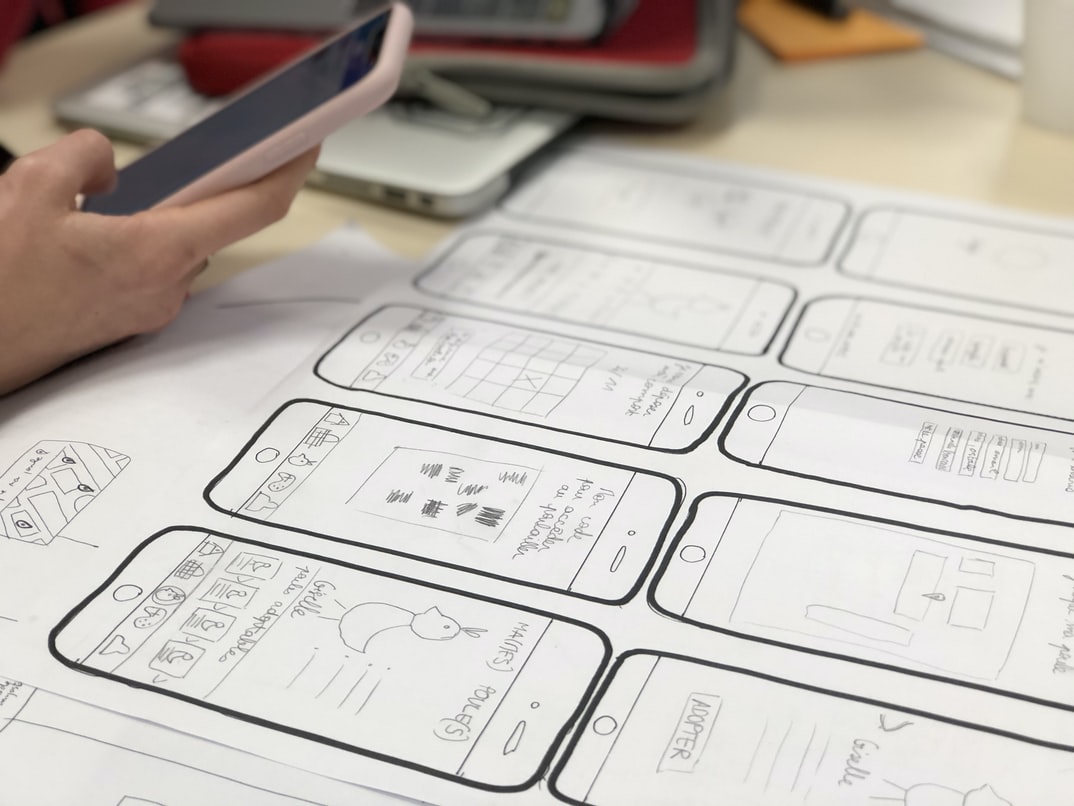
Finally, you will also learn about user experience (UX) design. This involves designing websites with the end user in mind so that they have a positive experience when interacting with your site. You will study topics like navigation design, usability testing, and wireframing in order to ensure that your website is intuitive and easy for users to use.
Visual Communication: Theory and Practice
In graphic design and visual communication, students learn the theory and practice of using images, colours, typography, and other visual elements to communicate ideas effectively. They study the principles of design, such as balance, contrast, rhythm, proportion, and unity, to create visually appealing compositions that convey a message or evoke emotions. They also learn how to use different software tools to manipulate images and produce various types of graphic design work, such as logos, brochures, posters, websites, and social media content.
Besides technical skills related to software usage or image manipulation techniques, there are specific areas that designers must master in order to communicate effectively through their work. For instance, understanding the cultural context of their audience is essential for creating designs that resonate with them. The ability to tell a story through visuals is another vital skill that students develop during their studies. Lastly, they learn how to evaluate the effectiveness of their designs by measuring metrics like engagement rates or conversion rates, which helps them improve future projects based on real results rather than assumptions alone.
Overall, graphic design and visual communication courses equip students with a wide range of skills needed for success in this field – from creative problem-solving abilities to technical proficiency with industry-standard software applications – providing graduates with an edge in today’s competitive job market.
How to Use Graphics & Animation in Your Blog or Website
In graphic design and visual communication, you learn how to use graphics and animation effectively on your blog or website. Graphics can be used to draw the reader’s attention to a specific area of your content. You can use graphics such as infographics, charts, and images to illustrate key points in your article. Make sure that your graphics are high-quality and relevant to the topic at hand.
Animation can also be a powerful tool for engaging readers on your website or blog. Animated videos or GIFs are an effective way to communicate complex ideas in a fun and engaging way. When using animation, it is essential that you keep it simple and avoid overwhelming the viewer with too many moving elements.
In conclusion, learning how to use graphics and animation effectively is critical in today’s digital landscape. By using high-quality visuals that are relevant to your content, you can attract more readers to your site while making it easier for them to understand complex ideas. Remember always; less is often more when it comes to animations, as they should complement rather than distract from the content being presented.
What Do I Need To Get Started With An E-Learning Program For Graphic Design?
When it comes to starting an e-learning program for graphic design, there are a few key things that you will need. First and foremost, you will need access to a computer or other device with internet connectivity. This will allow you to access the online courses and resources that make up the e-learning experience.
In addition to a computer and internet connection, you will also need software and tools that are specific to graphic design. This may include programs like Adobe Photoshop, Illustrator, or InDesign, as well as tools like graphics tablets or stylus pens that can help you create digital artwork more easily.
Finally, it’s important to have an understanding of what exactly you want to learn in terms of graphic design and visual communication. Are you interested in learning about colour theory? Typography? Layout design? Understanding your goals can help guide your choice of e-learning courses and ensure that you get the most out of your learning experience.
How Can Learn About Graphic Design Impact My Career Prospects?
In graphic design and visual communication, you learn the art of communicating visually through various media such as print, digital and interactive platforms. You get to develop your skills in designing logos, illustrations, typography, layouts and other creative elements that are essential for branding, advertising and marketing.
Learning graphic design can significantly impact your career prospects by opening up doors to a range of opportunities across diverse industries. With the increasing demand for visual content in today’s digital age, companies are looking for professionals who can create compelling designs that capture their target audience’s attention. By learning the principles of graphic design, you can become a valuable asset to organizations looking to build their brand identity or improve their marketing strategies.
Moreover, mastering graphic design skills also allows individuals to take on freelance work or start their own businesses as a designer. As more people turn towards entrepreneurship and self-employment opportunities increase with advancements in technology, having knowledge of graphic design can be an added advantage for those looking to make a name for themselves in the creative field.
What Skills Do Students Learn In An E-Learning Course For Graphic Design?
When taking an e-learning course for graphic design, students will learn a diverse range of skills that they can apply to various industries. Firstly, they will learn the basics of visual communication and how to use typography, colour theory, and other design elements effectively. These skills are key in developing a strong brand identity for businesses or creating aesthetically pleasing designs for personal projects.
Furthermore, students will also learn how to use popular software programs such as Adobe Photoshop and Illustrator. These tools are essential in the graphic design industry, and being proficient in them can open up job opportunities or freelance work. From photo retouching to vector artwork creation, these programs allow designers to bring their creative ideas to life.
Lastly, a crucial skill that students learn is how to think critically about design briefs and project requirements. They develop problem-solving abilities by tackling complex design challenges while keeping the client’s goals in mind. By learning these skills through an e-learning course, students gain practical knowledge that can help them advance their careers in graphic design or pursue other creative endeavours with confidence.
How is graphic design evolving with the rise of digital media?
Graphic design has been an essential part of visual communication for years. With the rise of digital media, the field is constantly evolving to keep up with technological advancements. The way that graphic designers approach their work has shifted as well. They must now take into account how designs will appear across various devices and screen sizes.
One significant change in graphic design is the increased emphasis on web design and user experience. Designers must create visually appealing websites that are also functional and easy to navigate. Additionally, social media platforms have become a crucial component in marketing strategies, requiring designers to create eye-catching graphics that can capture users’ attention as they scroll through their feeds.
Furthermore, advancements in technology have led to new forms of graphic design, such as augmented reality (AR) and virtual reality (VR). These technologies allow designers to create immersive experiences for users by combining digital elements with real-world environments. As these technologies continue to develop and become more accessible, they will undoubtedly play a more significant role in the future of graphic design.
Is a formal education required to break into the field of graphic design?
In the field of graphic design, formal education is not always required to break in. However, it can be beneficial as it provides you with the necessary skills and knowledge that can make you stand out from other candidates. A certificate program in graphic design or visual communication covers various areas of study, such as typography, colour theory, layout design, digital media production, and web design.
One key advantage of pursuing a formal education in graphic design is that it allows you to gain hands-on experience using industry-standard software like Adobe Photoshop, Illustrator, and InDesign. These skills are highly valued by employers and can give you an edge over other applicants who may not have this experience. Additionally, attending college can provide opportunities for internships or networking events that allow students to connect with professionals already working in the field.
While a certificate may not be essential for success in this field – some designers are self-taught or have pursued alternative paths – taking courses on specific areas related to graphic design, such as coding language HTML and CSS, could also prove valuable when breaking into the industry without any formal qualifications ultimately though your portfolio will speak mostly for itself within graphic designing, so it’s always important to build up an impressive body of work regardless of whether you choose to pursue higher education formally or not.
Are there opportunities for freelance or independent work in the field?
One of the great things about studying graphic design and visual communication is that it opens up a wide range of opportunities for freelance or independent work. With the rise of digital media, there has been an increasing demand for creative professionals who can create compelling visual content across various platforms. As a result, many companies are now looking to hire freelance designers to support their marketing and branding efforts.
Freelance graphic designers have the freedom to choose their own clients and projects, which allows them to build a diverse portfolio of work. They can work with businesses of all sizes, from startups to established brands, across a variety of industries. Additionally, they have more control over their schedules and workload, making it easier to balance personal life with professional responsibilities.
Overall, there are plenty of opportunities for freelance or independent work in the field of graphic design and visual communication. By developing strong skills in areas such as branding, typography, layout design and digital media production during your studies, you will be well-equipped to pursue these opportunities once you graduate.
Does working as a graphic designer require extensive software knowledge?
Yes, working as a graphic designer requires extensive software knowledge. As technology continues to advance, the design industry is becoming more and more reliant on digital tools to create graphics and layouts. These tools include popular programs such as Adobe Photoshop, Illustrator, and InDesign. Understanding how to use these programs is essential for any graphic designer looking to succeed in the field.
In addition to software knowledge, graphic designers also need a strong foundation in visual communication principles. This includes understanding colour theory, typography, composition techniques, and other design fundamentals. While software skills can be learned through courses or workshops, developing a deep understanding of visual communication requires experience and practice.
Overall, working as a graphic designer involves both technical skills and creative abilities. Successful designers must be able to use the software effectively while also applying their knowledge of design principles to create compelling visuals that communicate effectively with their audience.
Are there different types of specializations in graphic design?
Yes, there are different types of specializations in graphic design. Graphic design is a broad field that encompasses many areas of expertise, including web design, print design, branding and identity design, packaging design, environmental and exhibition design, and motion graphics. Each of these specializations requires a unique set of skills and knowledge.
Web designers specialize in designing websites for businesses or individuals. They must have an understanding of user experience (UX) and user interface (UI) principles to create visually appealing sites that are easy to navigate. Print designers specialize in creating designs for printed materials like brochures, flyers, and catalogues. They must be familiar with colour theory and typography to create designs that are legible and eye-catching.
Branding and identity designers work on developing brand identities for companies or organizations. This includes creating logos, business cards, letterheads – everything necessary to establish the visual representation of a brand. Packaging designers focus on designing the packaging for products; they need to consider factors like product safety while still making it attractive enough to sell effectively. Environmental/exhibition designers work within public spaces such as museums or trade shows; their job is more focused on creating experiences rather than just visuals, while Motion Graphics Designers use animation software like Adobe After Effects to create animated videos featuring moving graphics which can be used as promotional material among other things.
Graphic design is in demand.
In today’s digital age, graphic design has become an essential skill set for businesses and organizations of all sizes. With the increase in online presence, companies are seeking ways to stand out from their competitors and attract more customers. Graphic designers are experts in creating visual content that can enhance a brand’s identity through logos, packaging, advertisements, websites and more.
Graphic design programs cover a wide range of topics, including colour theory, typography, composition and layout. Students also learn software skills such as Adobe Photoshop, Illustrator and InDesign, which are industry-standard tools used to create digital designs. Visual communication is another key aspect of graphic design education, where students develop the ability to convey messages through images and graphics.
The demand for skilled graphic designers continues to grow, with new technologies constantly emerging in the field. More businesses are recognizing the importance of investing in good design to build brand recognition and stand out from competitors. As such, pursuing a certification in graphic design can lead to lucrative career opportunities across various industries, both locally and globally.
Web Design is in demand.
Web design is currently in high demand, and with good reason. With the advent of digital technology, it has become increasingly important for businesses to have an online presence. This means that web designers are needed to create not only visually appealing websites but also those that are user-friendly and easy to navigate. A good designer needs to understand how people interact with websites and how they can be optimized for better performance.
Graphic design and visual communication are critical elements of web design. Students studying these subjects learn about colour theory, typography, layout design, and other essential aspects of creating compelling visuals that communicate effectively with audiences. By mastering these skills, designers can create engaging designs that will capture the attention of viewers and hold it long enough for them to take desired actions.
In conclusion, web design is a rapidly growing field that requires creative problem-solving skills as well as technical expertise. Those who pursue a career in this area should strive to continually learn new techniques and stay up-to-date on industry trends. By doing so, they will be able to provide their clients with cutting-edge designs that meet their specific needs while also standing out in today’s crowded digital landscape.
What is UI design? What is UX design?
In graphic design and visual communication, the key concepts to master are UI (User Interface) design and UX (User Experience) design. UI design refers to the process of designing a website, app or software interface that is visually appealing and user-friendly. It involves selecting colours, fonts, images, icons and other elements that create an attractive and easy-to-use interface for users.
On the other hand, UX design refers to the overall experience a user has with a product or service. It focuses on designing products that are intuitive, efficient, easy to use and enjoyable. This means considering factors such as accessibility, functionality and ease of navigation. UX designers work closely with UI designers to ensure that the look of a product aligns with its usability.
Together, UI design and UX design play an important role in creating engaging digital experiences for users. By mastering these concepts in graphic design and visual communication programs or courses, students can develop their skills in crafting visually compelling designs while also ensuring optimal usability for end-users.
Visual Communication
Visual communication is a field that encompasses different techniques and tools aimed at delivering messages through visual means. In graphic design and visual communication courses, one of the key skills learned is how to effectively use typography, colour schemes and images to create visually appealing designs. The courses will teach students how to take abstract ideas or concepts and turn them into cohesive visuals that communicate a message.
Another crucial aspect of visual communication that is taught in these courses is the ability to identify and understand target audiences. Students are taught how different demographics respond to various design elements such as colours, fonts, shapes, etc. This knowledge helps designers in creating designs that resonate with their intended audience.
Furthermore, they learn about the importance of consistency when it comes to branding across all mediums (print and digital). They learn about logo design principles, colour combinations for branding purposes (such as complementary colours) and how brand identity can help distinguish a company from its competitors. Overall, graphic design and visual communication emphasize the power of effective storytelling through visuals as well as the importance of understanding your audience for maximum impact.
Visual Communication Vs Graphic Design
Graphic design and visual communication are two different but related fields. Graphic design is the art of creating visual content to communicate messages through various forms of media like print, digital, or multimedia. It involves designing logos, brochures, advertisements, websites, and other marketing materials. Visual communication is a broader field that encompasses all forms of visual expression used to communicate ideas or convey a message.
In graphic design courses, students learn skills in typography, colour theory, layout design, and image editing software like Adobe Photoshop and Illustrator. They also study branding strategies and marketing techniques to create effective designs that meet the client’s needs. Visual communication courses focus on developing skills in photography, videography, and animation techniques as well as understanding how visuals can be used for storytelling purposes.
While graphic design focuses more on the creation of specific designs for particular projects or campaigns, visual communication provides a deeper understanding of how people process information visually across multiple platforms. Both disciplines have their unique strengths and methods; however, they share common themes, such as creativity and problem-solving skills, that are necessary for success in both fields.
Visual Communication Vs Web Design
In graphic design and visual communication, you learn how to effectively communicate ideas and messages through visual elements such as typography, colour, layout, and imagery. Visual communication is the practice of using these elements to convey information or emotions visually. Web design, on the other hand, is the creation of digital interfaces that allow users to interact with content in a way that is both visually appealing and user-friendly.
While there is some overlap between visual communication and web design, they are distinct disciplines with unique skills and expertise required for each. Visual communication focuses on creating graphics for a variety of mediums like posters, advertising campaigns, packaging designs, etc., whereas web design requires knowledge of coding languages like HTML/CSS/JavaScript to build interactive websites or apps.
Both fields require creativity and an understanding of composition principles but in different ways. In conclusion, while there are similarities between visual communication and web design regarding aesthetics and usability functions, they cater to different purposes within their respective industries.
Visual Communication Vs UI UX
In graphic design and visual communication, you learn the art of creating visually appealing designs that communicate a message effectively. Visual communication is all about using images, graphics, and other design elements to convey information or tell a story. It is an important aspect of marketing and advertising as it helps businesses attract customers by capturing their attention.
On the other hand, UI UX (User Interface/User Experience) focuses on designing interactive software applications that provide users with a seamless experience. It involves creating interfaces that are intuitive and easy to navigate so that users can quickly find what they need without getting frustrated. The goal of UI UX is to create an enjoyable user experience that encourages repeat usage.
While both visual communication and UI UX involve designing for aesthetics and functionality, they differ in their focus areas. Visual communication prioritizes conveying messages through images, while UI UX prioritizes providing users with effective tools for achieving specific tasks in digital environments. Both skills are essential in today’s digital age, where businesses rely heavily on digital mediums for marketing, sales, customer service and more.
Graphic Design And Branding
Graphic design plays a crucial role in building strong brand identities. It involves the creation and combination of visuals such as typography, images, shapes, and colours to communicate ideas or messages effectively. In visual communication, you learn how to use these elements to create visually appealing graphics that convey clear messages to your target audience.
In branding, graphic design is used as a tool for creating and maintaining brand identity. A well-designed logo is the backbone of any brand’s recognition strategy. Logos are created by combining typography with unique symbols or icons that represent your company’s values and mission statement. Additionally, branding involves using consistent colour schemes across all advertising materials, such as business cards, websites, and social media pages, among others.
Overall, graphic design and branding are essential components of any successful marketing campaign. By using creative visuals along with strategic messaging to develop a strong brand identity that resonates with your target audience, you can build trust within your customer base while increasing sales and revenue for your business.
Visual Communication And Branding
In graphic design and visual communication, you’ll learn the importance of branding in making an impression on your audience. A brand is a set of elements that distinguish one company’s products or services from another. These elements include logos, colours, typography, imagery, and messaging. By carefully crafting these elements to create a cohesive identity for your brand, you can communicate what your company stands for and build trust with potential customers.
Visual communication plays a crucial role in branding because it is often the first thing people see when they encounter your company. Whether it’s a logo on a website or an advertisement in a magazine, the visuals used to represent your brand need to be eye-catching and memorable while also conveying your message clearly. This requires an understanding of how different design principles work together to create effective visuals that resonate with your target audience.
In short, graphic design and visual communication are essential tools for creating successful brands that leave lasting impressions on consumers. Through careful attention to detail and an understanding of how design principles can be used effectively, businesses can differentiate themselves from competitors and build strong relationships with their customers.
Application of Graphic Designer: Adobe Photoshop, Adobe Illustrator, Adobe InDesign
In graphic design and visual communication, students learn how to use various software programs to create visually appealing designs. Adobe Photoshop is a popular program used by graphic designers for editing and manipulating images. With Photoshop, designers can remove backgrounds from images, adjust lighting and colour, and retouch photos.
Adobe Illustrator is another essential software program in graphic design. It is primarily used for creating vector graphics such as logos, icons, and illustrations. Unlike raster images (like those created in Photoshop), vector graphics can be scaled up or down without losing quality.
Lastly, Adobe InDesign is a layout program that allows designers to create print materials such as brochures, posters, magazines, and books. It offers advanced typography tools that allow designers to manipulate text creatively while maintaining readability. Understanding how these three software programs work together is critical for any aspiring graphic designer looking to excel in the industry.
Application of Web Designer: Figma, WordPress, Elementor.
As a web designer, being proficient in different software and tools can be instrumental in creating visually stunning websites. Figma is one such tool that allows designers to work collaboratively on design projects. It offers a range of features, such as vector networks, prototyping, and team libraries, that make it an excellent choice for designing user interfaces. Besides, Figma’s intuitive interface makes it easy for beginners to learn.
WordPress is another popular tool used by many web designers worldwide. It is an open-source content management system (CMS) that allows developers to create websites with ease. WordPress has thousands of templates and plugins available that can be used to build custom websites quickly. Additionally, the platform is flexible enough to allow developers to tweak the code or add new features as needed.
Elementor, a drag-and-drop page builder plugin for WordPress sites, has gained widespread popularity among web designers for its ease of use and flexibility. With Elementor, designers can create responsive pages without coding knowledge or hiring developers. The plugin offers an extensive library of widgets and templates, which saves time while enhancing creativity during website development.
Motion Graphics
In graphic design and visual communication, motion graphics play a vital role in conveying complex ideas and concepts. Motion graphics are essentially digital animations that combine dynamic typography, illustrations, and other elements to create engaging stories. This form of visual communication is used extensively in marketing and advertising campaigns to capture the attention of audiences quickly.
In addition to being visually appealing, motion graphics also serve a functional purpose by helping viewers understand complex information more easily. By using animation techniques such as zooming in on details or highlighting important points with text overlays, designers can guide viewers’ attention towards the most critical elements of their message.
To become proficient in motion graphics design, students must learn various software tools such as Adobe After Effects and Cinema 4D. They also need to possess strong storytelling skills to create engaging animations that connect with their target audience. Ultimately, a successful motion graphics designer should be able to blend creativity with technical proficiency effectively.
Motion Graphics After Effects
Motion graphics are an essential part of visual communication and graphic design. After Effects is a powerful tool that enables designers to create dynamic motion graphics, animations, and visual effects, it allows designers to bring their designs to life by animating text, shapes, images, and video footage with various effects and transitions.
In motion graphics after effects classes, students learn how to use this software effectively. They learn how to incorporate animated elements into their designs that communicate complex ideas more effectively than static images alone. Additionally, they learn how to use After Effects in conjunction with other Adobe Creative Suite applications such as Photoshop and Illustrator.
Motion graphics after-effects courses teach students the foundations of animation principles such as timing, spacing, and easing in/out motions as well as the importance of good storytelling when creating animations for any given project. As a copywriting assistant or professional writer working alongside a designer who uses these tools in their work, you will come across these terms regularly, which is why it’s important to have an idea about what they mean!
Digital Illustration
Digital illustration is an essential aspect of graphic design and visual communication. It involves the creation of digital artwork using software such as Adobe Illustrator or Sketch. With digital illustration, designers can create high-quality graphics and illustrations that are easily scalable without losing their resolution.
In a graphic design course, students learn how to use various tools and techniques for creating digital illustrations. They learn how to use shapes, lines, colours, gradients, and textures to create visually appealing designs. They also learn about the different file formats used in digital illustration and when to use each one.
Digital Illustration is a key part of visual communication as it enables designers to convey complex ideas through images, symbols or infographics. In addition to creating art for marketing materials such as flyers, posters or social media banners, Digital Illustrations can be created for educational purposes like textbooks or e-learning modules where visuals help learners better understand complex concepts. By mastering this skillset within Graphic Design education, individuals are better equipped with skills needed in today’s workforce, where companies require more compelling visuals for their marketing campaigns on social media channels.
What is a graphic designer portfolio?
A graphic designer’s portfolio is a collection of a designer’s best work that showcases their skills and abilities. It should include examples of their design work, such as brochures, logos, websites, or any other projects they have worked on. A well-crafted portfolio not only exhibits the quality of work but also reflects the designer’s unique style.
In graphic design and visual communication classes, students learn how to develop an effective portfolio by selecting pieces that are visually appealing and communicate clear messages. The goal is to show the breadth of their skills rather than simply displaying a variety of projects without context. Students may also learn how to tailor their portfolios for different audiences, such as potential employers or clients in specific industries.
The process of creating a graphic designer portfolio involves selecting the appropriate pieces that showcase the designer’s strengths while demonstrating versatility across various mediums. This requires careful thought about what should be included and how it will be presented visually. Ultimately, a strong portfolio can help designers stand out from their competition when seeking employment or freelance opportunities in today’s competitive job market.









