

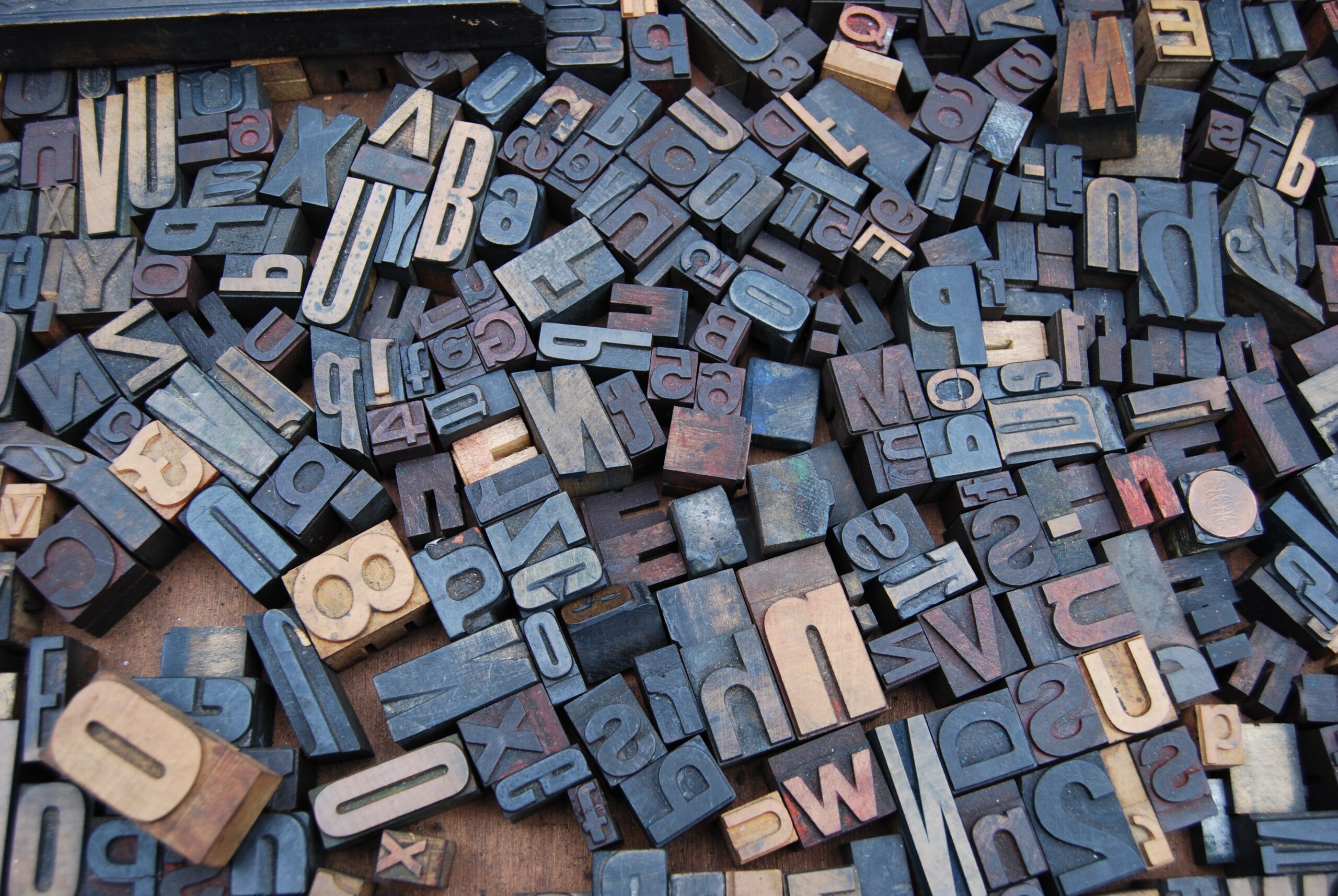
Create A Harmonious Typographic System Tutorial
Typography is an important component of any design, and having a harmonious typographic system can make the design look more professional and balanced. In this article, we will provide a tutorial on how to create a harmonious typographic system that can be used in all sorts of projects. We will discuss the basics of typography as well as some advanced concepts that can help you to determine which fonts work best together.
What is typography?
Typography refers to the art and technique of arranging type in order to make written language legible, readable, and appealing when displayed. It involves choosing typefaces, point sizes, line lengths, line-spacing or leading (the distance between the baselines of successive lines of type), letter-spacing (the amount of space between individual letters), and adjusting the space within pairs of letters.
Creating a harmonious typographic system is essential to produce an effective design. A well-designed typographic system can help balance visual hierarchy while ensuring that body copy is easy to read. To create a harmonious typography system, designers must take into account various factors such as font size, spacing between letters and lines, contrast levels between typeface styles used for headings and subheadings, as well as colour schemes.
Designers can use a variety of tools available online that offer different typesetting solutions to create harmonious typography systems. These tools come with features like automatic kerning which adjusts the spacing between certain characters; italics which are useful for introducing emphasis or structuring text hierarchically; tracking which adjusts letter-spacing across entire sections or paragraphs; swashes which add decorative flourishes at the beginning or end of words; ligatures which join two or more characters together in a single glyph. All these elements come together seamlessly when creating designs with great typography.
Benefits of harmonious typography
When it comes to creating a harmonious typographic system, there are numerous benefits that can be achieved. Firstly, having a consistent and cohesive set of typography throughout your design or website helps to establish a clear visual hierarchy. This allows the user to navigate through the content with ease and find what they are looking for quickly.
Secondly, using harmonious typography creates a sense of professionalism in your design work or branding. Consistent use of font styles, sizes, and colours ensures that all aspects of the design come together seamlessly and create an overall polished look.
Lastly, good typography enhances readability and comprehension. A well-structured typographic system is easier on the eyes, making it more enjoyable for users to read lengthy pieces of text. This also increases engagement with your content by keeping readers interested for longer periods.
Overall, taking the time to create a harmonious typographic system can greatly benefit any designer or brand looking to enhance their visual identity and user experience.
Step 1: Choose typefaces
Choosing the right typefaces is a critical step in creating a harmonious typographic system for any design project. The first thing to consider is the brand personality and message you want to convey, as different typography can evoke different emotions or moods. For example, serif fonts are commonly used in traditional or formal designs, while sans-serif fonts are often seen as modern and clean.
Another important factor to consider is readability. When selecting typefaces, it’s crucial to ensure that they are legible at various sizes and on different backgrounds. A good rule of thumb is to choose typefaces with contrasting weights and styles to create visual interest without sacrificing readability.
It’s also essential to keep consistency in mind when choosing typefaces. Limit the number of fonts used in a project and stick with them throughout all design elements, including headlines, subheadings, body copy, and captions. This approach helps establish hierarchy within your design while maintaining coherence across all elements of your typographic system.
Step 2: Consider hierarchy
Hierarchy is an essential element of any design, and it helps create a visual hierarchy that guides the viewer’s eye through the content. When designing a typographic system, it is crucial to consider hierarchy as it aids in creating contrast between different sections of text or information. A well-designed typographic hierarchy allows readers to quickly scan a page and find what they’re looking for.
Typographic hierarchies are created by varying type sizes, weights, colours, and other styling techniques such as leading and tracking. The goal is to emphasize the most important elements on the page while de-emphasizing others. For example, headings should be larger than body copy to indicate their importance visually. Additionally, using bold or italicised typefaces can further differentiate sections of text.
When considering hierarchy in your typographic system design process, it’s important to think about the overall structure of your document or website layout. You should identify which pieces of information are most critical and ensure they stand out with appropriate font treatments such as size or colour. An effective approach to creating a harmonious typographic system tutorial will involve experimenting with various hierarchical styles until you find one that works best for your content presentation needs without sacrificing readability or aesthetics.
Step 3: Determine compatibility
Once you’ve defined your design goals and established a typographic hierarchy, the next step to creating a harmonious typographic system is to determine compatibility. This involves selecting typefaces that work well together and complement each other’s strengths.
When choosing typefaces, consider factors such as style, weight, contrast, and proportions. The goal is to create a cohesive system where each typeface has a distinct role but still feels like part of the same family. It’s important to avoid using too many different typefaces as this can lead to confusion and an inconsistent look.
One approach is to choose one primary typeface for headlines and another for body copy. These two typefaces should complement each other in terms of style and weight while also providing enough contrast for easy reading. Additionally, consider using variations of the same typeface (such as bold or italic) within the system for added versatility.
Step 4: Define colour palette
The colour palette is a crucial component of any typographic system. Once you have decided on the typefaces you will use, it’s time to select the colours that will complement them. The goal is to create a harmonious relationship between the typography and colours, so they work together seamlessly.
When selecting a colour palette, consider your brand guidelines and the emotions you want to evoke in your audience. Do you want to convey trustworthiness? Then blues and greens may be your go-to colours. Are you looking for something more energetic? Consider bright yellows or oranges. Whatever direction you choose, make sure it aligns with your message and overall branding.
Finally, keep in mind that less is often more when it comes to colour palettes. Stick with 2-3 primary colours and their variations instead of overwhelming users with too many options. A simple yet effective colour scheme can make all the difference in creating an impactful typographic system for your brand.
Step 5: Implement consistency
Consistency is a crucial element in creating a harmonious typographic system. It helps establish an overall visual hierarchy and create a sense of order throughout the design. When implementing consistency, it’s important to consider factors such as font sizes, line spacing, and kerning.
One way to ensure consistency is by using a grid system. This allows designers to align elements and maintain consistent proportions across multiple pages or designs. Another method is to establish a style guide that outlines specific guidelines for typography, including font choices, sizes, and colours.
It’s also important to consider the context in which the typographic system will be used. For example, if designing for web or mobile platforms, it’s necessary to ensure legibility on smaller screens and optimise for various devices. By implementing consistency throughout the design process and considering all relevant factors, designers can create an effective and visually appealing typographic system.
Achieving harmony
When it comes to creating a harmonious typographic system, there are several things that you should consider. First, choose a typeface that is versatile enough to be used in various settings and sizes. You want to avoid using too many different fonts as this can create confusion and lack of consistency.
Next, pay attention to the hierarchy and spacing of your typography. Use font weights, sizes, and colours intentionally to guide the viewer’s eye through the content. Also, make sure there is enough white space between text blocks so that they don’t feel cramped or overwhelming.
Lastly, ensure that your typography is legible across all devices and mediums. Test your designs on multiple screens and print materials to make sure they maintain their clarity and readability.
By following these steps, you can achieve a harmonious typographic system that elevates your design work while providing clarity for the reader/viewer.
The art of merging typography and graphic design
When it comes to designing for the web, typography and graphic design go hand in hand. Understanding how to merge these two elements is crucial in creating a harmonious typographic system. The first step is to choose a typeface that complements the overall aesthetic of your design. Consider the mood you want to convey and select a font family that matches this tone.
Once you’ve chosen your typeface, experiment with different weights, sizes, and styles within the same family to create hierarchy and contrast. Utilising white space is also important in ensuring legibility and enhancing visual appeal. Try incorporating shapes or images into your design that complement your typography choices. Be mindful of alignment, spacing, and consistency throughout your layout.
The art of merging typography and graphic design takes practice, but with these tips in mind, you can create a harmonious typographic system that elevates the overall look of your design. Remember to keep experimenting until you find what works best for each individual project while maintaining consistency across all elements.
Exploring creative uses of fonts & graphics
A harmonious typographic system is a key aspect of any successful design. Choosing the right fonts and graphics can make or break your design, which is why exploring creative uses of fonts and graphics is so important. When creating a typographic system, it’s essential to consider how different typefaces work together and how they complement each other.
One way to ensure that your typography is cohesive and harmonious is by using a limited number of typefaces. Using too many fonts can be overwhelming for the viewer and make your design appear disjointed. Instead, try sticking with two or three complementary typefaces that have distinct characteristics.
Another aspect to consider when designing with typography is hierarchy. Hierarchy refers to the visual arrangement of text in order of importance. By utilizing different sizes, weights, and styles of fonts, you can create a clear hierarchy that guides the viewer through your content.
Finally, don’t forget about the power of graphics when it comes to enhancing your typography! Whether it’s adding icons or illustrations as part of your text layout or incorporating graphic elements into individual letters or words themselves – creative use of visuals can take your typography from good to great!
Innovative ways to combine style with visuals
One of the most effective ways to combine style with visuals is through a harmonious typographic system. This involves choosing different fonts and styles that complement each other, creating visual interest without overwhelming the viewer. One key technique is to use a mix of serif and sans-serif fonts, which can add depth and contrast to your design. Another important consideration is hierarchy – using font size, weight, and spacing to guide the eye through your content in a logical manner.
To create a harmonious typographic system, it’s also essential to consider colour choices carefully. This can mean opting for contrasting colours for different elements such as headlines or body text. Similarly, using white space effectively can help keep your design looking clean and uncluttered while emphasizing key elements.
Ultimately, combining style with visuals requires careful attention to detail and an understanding of how different elements work together. By following these tips for creating a harmonious typographic system in your designs, you can create compelling visuals that will capture attention and leave a lasting impression on viewers.
Unlocking font-inspired creativity
Creating a harmonious typographic system can be a daunting task, but it can also unlock font-inspired creativity. The key to achieving this is by establishing clear guidelines for typography and sticking to them consistently throughout all design elements. Start by selecting fonts that complement each other and align with the brand’s tone and message.
Once the fonts are selected, establish clear rules for their usage, such as which font is used for headlines versus body copy or what size each should be at different breakpoints. This creates consistency across all designs and helps readers easily navigate through content.
By following these guidelines, designers can then play with the selected fonts creatively, experimenting with unique layouts or using bold typography in unexpected ways to create visually stunning designs that remain harmonious within the established typographic system. Whether designing for print or digital media, unlocking font-inspired creativity through a harmonious typographic system can elevate any design project.
Graphic design’s power to tell stories
A harmonious typographic system is essential for effective communication in graphic design. It is the arrangement of typefaces, sizes, colours, spacing, and other elements to create a visually pleasing hierarchy that guides the reader’s eye through the content. A well-designed typographic system can communicate tone and mood, emphasize key ideas, and evoke emotions.
When creating a typographic system, it’s essential to consider the audience and purpose of the design. For example, if designing for a children’s book cover or toy packaging, playful fonts with bright colours might be appropriate. In contrast, serious business documents may require more traditional serif fonts in neutral tones.
It’s also important to establish consistency throughout all design elements to ensure clarity and avoid confusion. Consistent typography creates a sense of cohesion across different pieces of content while reinforcing brand identity. By carefully crafting a harmonious typographic system that complements your message and style choices can increase its effectiveness in telling stories through graphic design.
The beauty of lettering & typefaces
When it comes to design, lettering and typefaces play a vital role in communicating the intended message. Choosing the right ones can make or break a design’s effectiveness. The beauty of lettering lies in its ability to convey personality and mood through hand-drawn elements. It adds a personal touch that cannot be achieved with digital typefaces alone.
Typefaces, on the other hand, provide structure and hierarchy in design. They come in various styles and weights that can be combined harmoniously to create an effective typographic system. Knowing how to choose complementary typefaces helps establish visual hierarchy and guide the reader’s eye through the content.
Creating a harmonious typographic system involves careful consideration of factors such as font size, spacing, contrast, and alignment. It requires understanding typography principles like legibility, readability, contrast ratio, and font pairing rules. When done correctly, it results in an aesthetically pleasing composition that conveys the intended message effectively while providing an exceptional user experience for readers.
The basics of typography
Typography is one of the most important elements in design, especially for creating a harmonious typographic system. It is the art and technique of arranging type to make written language legible, readable, and appealing when displayed. Typography involves not only choosing the right font but also setting it correctly with appropriate line spacing and paragraph spacing. The overall goal is to make sure that the typography enhances the message rather than distracts from it.
To create a harmonious typographic system, designers should start by selecting typefaces that complement each other well. This means choosing fonts that have similar styles or characteristics such as weight, serif or sans-serif types, and x-heights. It’s best to limit the number of fonts used so as not to overwhelm readers with too many different styles.
Another important aspect of typography is considering readability. This means choosing font sizes and line spacing that are easy to read for your intended audience. Additionally, designers should focus on making sure their text has proper contrast against its background so it can be easily read regardless of lighting conditions or screen resolution. With these basic principles in mind when designing typography systems, you can create visually cohesive designs with ease!
How to choose the right fonts for your projects
Choosing the right font for your project is crucial to create a harmonious typographic system. The first step in selecting the perfect font is to understand the context of your design and its purpose. For instance, if you are designing a formal document such as an annual report or an invitation, a serif font like Times New Roman or Baskerville might be more appropriate. On the other hand, sans-serif fonts like Helvetica or Arial work well in modern and minimalist designs.
The next factor to consider when choosing a font is legibility. No matter how beautiful a font looks, it’s pointless if it’s unreadable. Legibility depends on factors such as letter spacing, line height, and contrast between text and background colour. It’s essential to choose fonts that have good readability at different sizes because some fonts may appear great when used for headlines but become illegible when used for body text.
Finally, consistency is key in typography. A harmonious typographic system means using complementary fonts consistently throughout your design. Limiting yourself to two or three complementary fonts can help achieve consistency and coherence in your design while avoiding visual clutter and confusion for the reader. By following these simple tips on choosing the right fonts, you can create an elegant typographic system that enhances your message’s overall impact while ensuring readability and legibility across all mediums – print or digital!
Tips and tricks for creating beautiful typefaces
When it comes to creating beautiful typefaces, there are a few tips and tricks that can help you achieve the best results. First and foremost, it is important to choose a harmonious typographic system. This means selecting typefaces that complement each other in terms of style, weight, and size. Choosing contrasting fonts can create an interesting visual effect, but make sure they don’t clash with each other.
Another important factor to consider is the use of white space. Giving your typography some breathing room will not only make it easier to read but also add a touch of elegance and sophistication to your design. Use line-spacing and kerning tools wisely to achieve the perfect balance between letters.
Lastly, don’t be afraid to experiment with different font sizes and weights. Try using bold or italic fonts sparingly for emphasis and use lighter weights for body text. The key is finding a balance between consistency in design while still maintaining interest through variation in typography. By following these simple tips and tricks, you can create beautiful typeface designs that are both effective and visually pleasing!
To find out more about graphic design and typography design then get in touch with Blue Sky Graphics online design school today!









