

What Courses Are Available In Graphic Design Training In London? – What do graphic design and visual communication teach you about yourself?
1. Through graphic design and visual communication, you learn how to express yourself creatively. Whether it’s designing a logo, creating a poster or developing a website interface, you have the opportunity to flex your creative muscles and explore different aesthetics.
2. Additionally, graphic design and visual communication teach you the value of attention to detail. As a designer, every element matters – from typography to colour scheme – and it’s up to you to ensure that all aspects work together cohesively.
3. Finally, these fields also teach you problem-solving skills. Clients may come with specific requests or problems that need solving through design solutions. You must be able to analyze the issue at hand and develop effective solutions that meet their needs while still maintaining an artistic vision.
Graphic design: What are the most important skills for a graphic designer?
Graphic design is a visual communication field that combines art, technology, and creativity to convey messages or ideas through images, typography, and other visual elements. To become a skilled graphic designer, one must possess several essential skills. Firstly, they need to have a strong foundation in the principles of design, such as colour theory, composition, hierarchy, spacing and balance. This knowledge will help them create visuals that are aesthetically pleasing to the eye and effectively communicate the intended message.
Secondly, proficiency in software tools such as Adobe Creative Suite (Photoshop, Illustrator), Sketch or Figma is essential for any graphic designer. These tools enable designers to translate their ideas into digital formats efficiently and with precision.
Last but equally important is the ability to think creatively – having an imaginative outlook on concepts that can be translated visually. They should possess problem-solving skills and a deep understanding of user needs while also considering technical constraints when designing projects while keeping up-to-date with industry trends and best practices.
In conclusion, being skilled in these areas not only sets exceptional designers apart from average but also allows them to create designs that evoke emotion and connect with audiences on deeper levels which makes them stand out from others in their field.
The role of graphics in visual communication: What is the difference between visual communication and design?
Visual communication and design are two fields that are closely related but serve different purposes. Design is the art of creating a plan or blueprint for an object, system or process. Visual communication, on the other hand, is the use of images to convey information.
In graphic design courses, students learn how to create visual solutions for various problems using typography, colour theory and layout techniques. They study how to make designs that communicate effectively with their intended audience. On the other hand, in visual communication courses, students learn about various mediums used to transfer information visually, such as photography and storytelling.
Graphics play a significant role in both these fields as it helps in conveying ideas more effectively through visual representation. Using graphics not only makes content attractive but also helps in making complex concepts simpler and easier to understand. Therefore understanding graphics and their application is crucial for professionals working in design or visual communication domains.
Principles of visual design: How do they influence your work as a Graphic Designer?
As a graphic designer, understanding the principles of visual design is essential to creating effective designs. The principles include balance, contrast, emphasis, movement, pattern, proportion and unity. Each principle plays a vital role in guiding the designer on how to arrange elements in a composition.
Balance ensures that all elements are distributed evenly across the design. Contrast adds visual interest to the design by highlighting differences between elements such as colour or size. Emphasis helps to make specific parts of the design stand out, while movement creates a sense of flow within the composition. Pattern refers to the repetition of an element in a design, while proportion ensures that each element has proper sizing relative to one another. Unity brings together all these principles into one cohesive and harmonious design.
By applying these principles effectively, designers can create designs that are visually appealing and communicate their intended message clearly and efficiently. Understanding these principles is crucial when it comes to designing logos, branding materials or even websites, as they guide designers on how best to utilize space and create a visual hierarchy within their work.
The use of typography in visual communication: How does it affect your work as a Graphic Designer?
As a graphic designer, typography plays an essential role in visual communication. Typography is the art of arranging type to make written language legible, readable and appealing when displayed. As such, it is critical that designers have a deep understanding of typography and how it affects their work.
The right typography can evoke emotions and create an entirely new mood for your design project. It can help convey the message you are trying to communicate with your audience while also complementing other design elements like colour schemes and images used. On the other hand, poor typography choices can negatively impact brand identity, reduce readability, and cause confusion.
Therefore, as a graphic designer or anyone working in visual communication fields, it is crucial to learn about typography principles such as font selection, leading (line spacing), kerning (letter spacing), tracking (word spacing), hierarchy use of typefaces among others since these are fundamental factors that will affect your work’s overall appeal.
What lessons do you learn from working as a Graphic Designer?
As a graphic designer, you learn a variety of skills that go beyond simply creating visually appealing designs. One of the most important lessons is the ability to communicate effectively through visuals. You learn how to use different design elements such as colour, typography, and layout to convey information and create meaning. This skill is highly transferable and can be applied in various industries, from marketing to user experience design.
Another valuable lesson learned in graphic design is attention to detail. As a designer, every element on the page needs to be placed with intention and purpose. You must make sure that everything aligns correctly, the text is legible, and the images are high quality. This level of meticulousness translates into other areas of life, such as time management or organization.
Lastly, graphic design teaches you how to take constructive criticism and work collaboratively with others. Every project involves feedback from clients or team members, which requires you to adapt your designs based on their input while still maintaining your vision for the piece. Through collaboration with others, designers can produce more impactful pieces that meet everyone’s needs and goals in the end product.
High Demand
In today’s digital age, the demand for skilled graphic designers and visual communicators has skyrocketed. With the increasing use of social media and online marketing, businesses are constantly seeking innovative ways to capture their audience’s attention through visually appealing content. This has resulted in high demand for individuals who possess a strong understanding of design principles and can create impactful visuals.
In graphic design and visual communication courses, students learn how to utilize various software programs such as Adobe Photoshop and Illustrator to create stunning designs that effectively communicate a message or brand identity. They also develop skills in typography, colour theory, layout design, and photo editing. These skills are essential in creating engaging visuals that stand out among the sea of information on the internet.
Moreover, with businesses expanding globally, there is an increased demand for designers who can create culturally sensitive designs that resonate with diverse audiences. Therefore, learning about different cultures’ art styles and aesthetics is becoming increasingly important for designers looking to succeed in today’s market. Overall, studying graphic design and visual communication provides individuals with the tools needed to thrive in this high-demand industry while driving innovation through creative problem-solving approaches.
Learn To Design Apps And Websites
In the world of technology, graphic design and visual communication skills are in high demand. Learning to design apps and websites is an essential skill set that can help you break into this field. With the right training, you can learn how to create engaging user interfaces that will attract users and keep them engaged.
One of the fundamental principles of graphic design is understanding how to use colour, typography, and layout effectively. By mastering these elements, you’ll be able to create visually appealing designs that are easy to read and navigate. Additionally, it’s important to understand the different programming languages used for web development so you can create functional designs that work seamlessly across a variety of devices.
In addition to technical skills, it’s also important for designers to have a strong sense of creativity and problem-solving abilities. Whether you’re working on an app or website redesign project or creating a new product from scratch, being able to think outside the box and come up with innovative solutions is key. By taking courses in graphic design and visual communication techniques specifically tailored for app and website designers, you’ll be well-equipped with all the necessary tools needed for success in this exciting field.
What is UI design?
UI design, also known as user interface design, refers to the process of designing the visual elements and layout of a digital product, such as a website or mobile app. The goal of UI design is to create an intuitive and easy-to-use interface that allows users to easily navigate and interact with the product.
In graphic design and visual communication courses, students learn about the principles of UI design, such as typography, colour theory, grid systems, and information hierarchy. They also learn about usability testing techniques to ensure that their designs are effective in meeting user needs.
UI designers work closely with UX designers who focus on the overall user experience. Together they collaborate to create a seamless interaction between the user and the digital product. A well-designed UI can greatly enhance a user’s experience while using a digital product, leading to increased engagement and satisfaction.
What is UX design?
In graphic design and visual communication, you will likely come across the term UX design. UX stands for user experience, and it refers to the way a user interacts with a product or service. UX design is all about creating products that are easy to use, intuitive, and enjoyable for the end user.
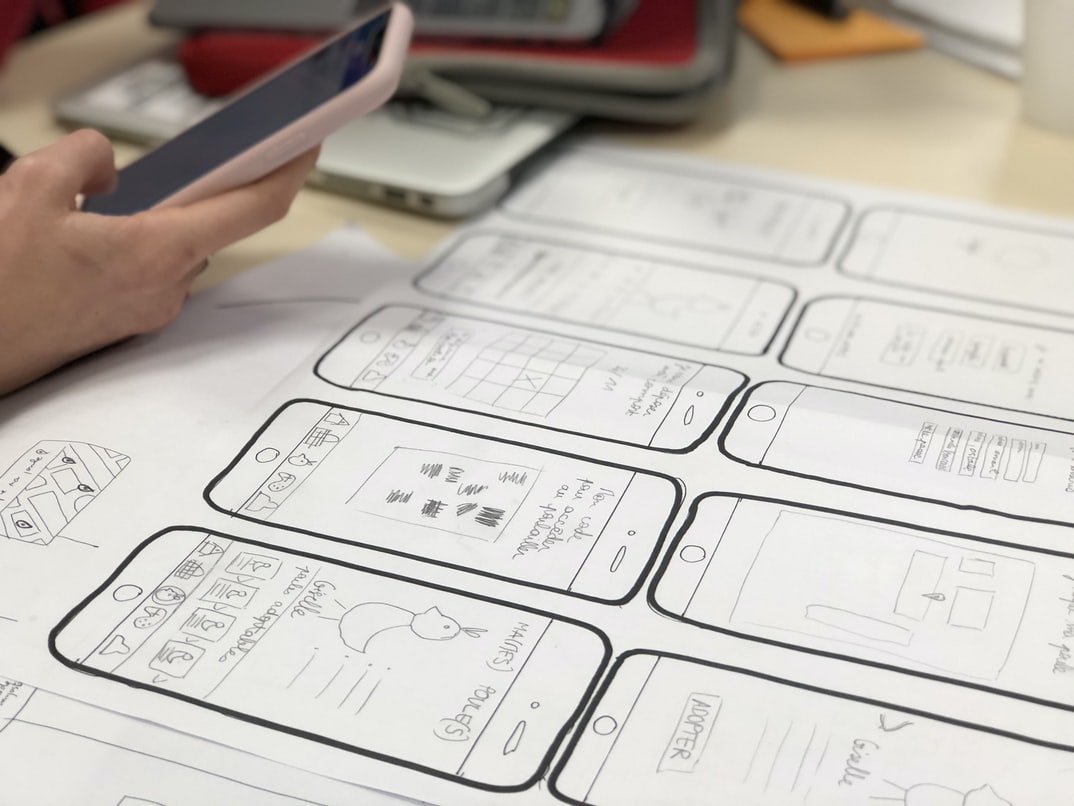
To achieve this goal, UX designers conduct extensive research into their target audience. This includes things like analyzing user behaviour, conducting surveys and interviews, and studying market trends. Armed with this information, they can then create wireframes or prototypes of a product that takes into account the needs of their users.
Overall, learning about UX design is an essential part of any graphic designer or visual communicator’s education. By understanding how to create products that meet users’ needs effectively, you can help your clients succeed in today’s competitive digital landscape.
Visual Communication
In graphic design and visual communication, you’ll learn how to use various tools and techniques to convey messages visually. This includes understanding colour theory, typography, layout principles, and image composition. You’ll also gain proficiency in various software programs like Adobe Photoshop, Illustrator, and InDesign.
One of the most critical skills in visual communication is the ability to create a clear hierarchy of information. This means organizing text and visuals in a way that guides the viewer’s eye through the piece from start to finish. Effective hierarchy allows designers to communicate complex ideas quickly and efficiently.
Another essential aspect of visual communication is creating a consistent brand identity across different mediums. From logos to social media graphics or print ads, your designs should be easily recognizable as belonging to your brand. You’ll need to understand how different design elements work together cohesively while still being adaptable for different applications.
Visual Communication Vs Graphic Design
In graphic design, students learn how to create visual elements that communicate a particular message or idea. This involves using typography, colour theory, and layout design to create an aesthetically pleasing and effective final product. Graphic designers often work on projects such as logos, branding materials, brochures, and websites.
Visual communication, on the other hand, focuses more broadly on conveying information through visuals. This may include traditional graphic design techniques as well as photography, videography, and various types of digital media. Visual communication professionals may work in fields such as advertising or journalism, where they need to effectively communicate complex ideas or data quickly and succinctly.
Both graphic design and visual communication require a strong understanding of how visuals can be used to convey meaning effectively. However, while graphic design is primarily concerned with creating static visual elements for specific projects or purposes, visual communication is focused more broadly on the use of images across a variety of mediums to achieve different goals.
Graphic Design And Branding
In graphic design and branding, you learn how to visually communicate a message or idea. You will study the principles of design, including colour theory, typography, composition, and layout. By understanding these principles and applying them effectively, you can create designs that are visually appealing and easy to understand.
Moreover, in this field of study, you will also learn about branding – the process of creating a unique name and image for a product or company. You will be taught how to develop brand guidelines that establish consistent visual elements across all marketing materials. This includes logos, fonts, colour schemes and imagery that represent the brand’s values.
Lastly, graphic design is an industry where technology plays a significant role in developing your skills. You will learn various software programs like Adobe Illustrator or Photoshop, which are essential tools for creating digital designs. Hence learning graphic design not only helps one convey ideas efficiently but also equips one with the technical expertise that is required in today’s market scenario.
Visual Communication And Branding
In graphic design and visual communication, you learn how to create a visual identity for a brand that is consistent across all platforms. This includes designing logos, selecting colour schemes, choosing typography, and creating graphics that represent the personality of the brand. Visual communication plays an important role in the branding process because it’s often the first thing customers see and can make or break their perception of a company.
Furthermore, mastering design principles like composition, balance, and symmetry helps create visually pleasing designs that communicate the right message effectively. Understanding how to use white space appropriately can also help bring attention to important elements in a design. With these skills in mind, designers can create effective marketing materials, such as website layouts or print ads, that capture audiences’ attention and positively impact brand perception.
Overall, branding through visual communication is essential for any business looking to establish its identity in today’s digital world, as it creates recognition & loyalty among consumers while fostering trust with stakeholders.
Graphic Design Vs Web Design
In graphic design, students learn about the fundamentals of layout, typography, colour theory, and composition. These skills are essential in creating visual designs for print media such as brochures, business cards, billboards, and other marketing collateral. Graphic designers also create logos and branding materials that remain consistent across multiple platforms.
On the other hand, web design emphasizes designing for digital platforms such as websites and mobile applications. Web designers must have a strong understanding of user experience (UX) design principles to ensure visitors can easily navigate through the site or app. They also need to know coding languages like HTML, CSS, and JavaScript to bring their designs to life on the web.
While there is some overlap between graphic design and web design skills, such as colour theory and typography usage, these two fields require different sets of skills due to their different mediums. However, both graphic designers and web designers excel in communication with clients to understand their needs while staying up-to-date with current trends in technology and design practices.
Graphic Design Vs Digital Illustration
Graphic design is a creative discipline that involves designing visual content to communicate messages to the audience. It encompasses various elements like typography, colour theory, layout design, and visual hierarchy. In graphic design courses, you learn how to create logos, brand identities, packaging designs, and marketing collaterals like brochures and flyers. Graphic designers use software like Adobe Photoshop and Illustrator to create these designs.
On the other hand, a digital illustration is a form of art where illustrators use software such as Adobe Illustrator or Procreate to create illustrations on a digital platform. Illustrators usually work with clients in fields such as book publishing or editorial illustration for magazine articles or websites. They are responsible for creating visuals that convey complex information in an engaging way.
While there might be some overlap between graphic design and digital illustration in terms of skills required (such as knowledge of colour theory), they are two distinct disciplines with different focuses. In graphic design courses, you will learn about branding strategies and marketing principles, while in digital illustration courses; you will develop your drawing skills and techniques specific to digital platforms.
Graphic Design Vs Application
In graphic design, you’ll typically learn the principles of visual communication and how to create designs that convey a message effectively. You’ll study concepts like colour theory, typography, layout, and composition. These skills will enable you to create designs for print or digital media, such as logos, brochures, websites, social media posts and more.
On the other hand, an application development course focuses on programming languages like Java or Python to build mobile applications or software programs. You’ll learn about designing user interfaces (UI) and user experience (UX), but in a very different context than graphic design. In this field, it’s less about creating visually stunning images and more about functionality.
While both fields require creativity and problem-solving skills, there are significant differences between them. Graphic designers create visual elements that communicate messages through various mediums, while application developers focus on creating functional software solutions that meet specific needs. Ultimately both fields complement each other as they work together to bring ideas to fruition, whether it be through print collateral or digital technology.
Graphic Design Vs Motion Graphics
Graphic design and motion graphics are two separate but related fields within the realm of visual communication. Graphic designers focus on creating still images, typography, and layouts for print and digital media. They use software such as Photoshop and Illustrator to create logos, posters, packaging designs, websites, and more. In contrast, motion graphics involve animating those same elements to create video content with movement.
Graphic designers need to have a strong sense of aesthetics, colour theory, composition, typography rules and principles in order to communicate their message effectively through their work. They often work with clients from various industries, such as advertising agencies or marketing departments, who want their brands represented in a visually appealing way. On the other hand, motion graphic artists add an extra layer of storytelling by bringing those static designs into movement.
Both graphic designers and motion graphic artists rely heavily on creativity as well as technical skills when it comes to creating visual content that resonates with the target audience. While they share some similar foundational knowledge regarding composition principles and design fundamentals, each field requires specific techniques unique to itself that may require different tools or software programs for effective results.
Graphic Design Vs UI UX
Graphic design and UI/UX are two closely related fields, yet they require different skill sets. Graphic design is primarily concerned with creating visually appealing designs for various mediums, such as print, digital media or packaging. This includes designing logos, ads, brochures and other marketing materials.
UI (User Interface) and UX (User Experience), on the other hand, focus on the user’s interaction with a product or service. A UI designer creates interfaces that are easy to use and navigate, while a UX designer researches how users interact with the product to ensure it meets their needs.
In graphic design courses and programs, students learn skills such as typography, colour theory, layout design and branding. In contrast, UI/UX courses cover topics like user research methods, wireframing techniques and prototyping tools. While there is some overlap between these fields – both require strong visual communication skills – they serve different purposes in the design process. Ultimately both fields play important roles in creating effective marketing campaigns that resonate with target audiences.
Graphic Design Vs Branding
Graphic design and branding may seem like two sides of the same coin, but they are distinct in their own right. While graphic design focuses on creating visual content for various mediums, branding is a more encompassing process that involves developing a unique identity for a business or product. In graphic design courses, students learn how to create visually pleasing designs using typography, colour theory, and composition techniques. They also get an understanding of different software tools such as Adobe Illustrator and Photoshop.
On the other hand, branding courses focus on creating a brand’s personality by developing its vision and mission statements. Students learn how to make a brand stand out from competitors through consistent messaging across all touchpoints, such as logos, packaging design, advertising campaigns and more. Branding also deals with the emotional connection between customers and brands by creating experiences that build loyalty among consumers.
Both graphic design and branding are essential components of successful marketing strategies. Understanding these concepts can help businesses develop their creative direction while maintaining brand consistency across all channels. Whether it be designing promotional materials or crafting effective messaging campaigns – knowing how to use both aspects together will help you succeed in today’s competitive market environment!
Web Design is in demand.
Web design has become an increasingly in-demand skill as businesses and individuals alike recognize the importance of having a professional and visually appealing online presence. In graphic design and visual communication courses, students can expect to learn the fundamental principles of design, colour theory, typography, and user experience (UX) design that are essential for creating effective websites.
A good web designer must have an eye for detail, be able to think creatively and understand how to create a website that is both aesthetically pleasing and functional. The demand for web designers is increasing as more businesses seek to establish their online presence or update their existing websites. With the rise of e-commerce platforms, social media networks, and mobile devices – all of which require well-designed websites – it’s no wonder that web design has become such a sought-after skill.
By learning about graphic design and visual communication in these courses, individuals can take advantage of this growing demand by developing skills that are highly valued in today’s job market. Whether you’re looking to start your own business or work for someone else as a web designer or developer, gaining knowledge about web design will undoubtedly set you apart from others without these valuable skills.
Graphic design is in demand.
In today’s digital world, graphic design and visual communication have become vital skills to possess. As businesses and organizations compete for attention in a crowded online space, the need for eye-catching graphics has never been higher. Through studying graphic design, you will learn the fundamentals of creating visually appealing designs that communicate a message effectively.
In addition to learning technical skills such as Photoshop and Illustrator, graphic design courses also teach students about colour theory, typography, composition and layout. By understanding these elements of design, you will be able to create designs that are not only aesthetically pleasing but also convey a clear message to your audience.
Furthermore, graphic designers must stay current with trends and technologies in order to remain competitive in the job market. Therefore, by taking courses in graphic design and visual communication, you will develop the ability to adapt quickly to new technologies while maintaining creativity and innovation in your work. Overall, learning graphic design is an excellent investment for anyone looking to pursue a career in this growing field or improve their skills as creative professionals.
Graphic Designer Software: Adobe Photoshop, Adobe Illustrator, Adobe InDesign
Graphic design and visual communication are essential aspects of modern marketing, advertising, and branding. To become a successful graphic designer, one must master various software applications designed for designing and editing graphics. Adobe Photoshop is one such application that is widely used by graphic designers to create images from scratch or edit existing images. It comes with advanced features like layer management, colour correction tools, filters, and special effects that make it easy to create stunning visuals.
Another popular software for graphic designers is Adobe Illustrator. Illustrator is mainly used for creating vector graphics that can be scaled up or down without losing quality. Its user-friendly interface allows users to create logos, icons, and infographics easily, among others. Last but not least is Adobe InDesign which provides the flexibility to design layouts for print or digital media publishing projects such as brochures, books or magazines.
Overall, knowing how to use these three applications opens up numerous possibilities in the field of visual communication and graphic design while boosting your employability chances in the industry, regardless of whether you are working as a freelancer or employed by an agency.
Website And Application Builder Software: Figma, WordPress, Elementor.
In today’s digital world, graphic designers and visual communication professionals are expected to be proficient in designing websites and applications. With the abundance of website and application builder software available, it is important for them to choose the right ones that suit their needs.
Figma is a popular web-based interface design tool that allows designers to create interactive prototypes, collaborate with team members in real time, and share designs easily. WordPress is another widely used platform for building websites, offering a variety of customizable templates and plugins that allow users to create responsive sites without coding expertise. Elementor is a drag-and-drop page builder plugin for WordPress that enables users to build professional-looking web pages without any technical knowledge.
Designers who have honed their skills in these website and application builder software can bring valuable expertise to any project they work on. By mastering these tools, they can create visually appealing and user-friendly designs while also saving time during the development process. Overall, mastering these software options prepares graphic designers for success in today’s increasingly digital landscape.
Motion Graphics
In today’s fast-paced digital world, motion graphics have become increasingly popular among designers and visual communicators. Motion graphics refer to any form of animation or video that uses graphic design elements such as typography, illustrations, and icons to convey a message. These animations are often used in advertising, social media campaigns, explainer videos, and even film and television.
In graphic design courses or visual communication programs, students learn the fundamentals of creating motion graphics through software such as Adobe After Effects or Cinema 4D. They also learn about developing storyboards, creating characters and assets for animations, timing and pacing of movements, and sound design. Additionally, they explore how to effectively communicate messages through this dynamic medium while keeping the brand identity consistent.
With the rise of social media platforms like Instagram and TikTok emphasizing short-form video content as well as the growing demand for digital marketing strategies that capture audience attention quickly, Motion Graphics has become an essential skill set within Graphic Design & Visual Communication education. As technology advances rapidly, so too does creative expression through mediums like Motion Graphics which makes it all the more important for designers to keep up with trends in order to create engaging content that resonates with their audiences.
Motion Graphics After Effects
Motion graphics is an essential component of visual communication and graphic design. It involves creating animated designs, illustrations, and typography to convey a message or story. Adobe After Effects is one of the most popular software used by motion graphics designers to create stunning animations.
In After Effects, you can create complex motion graphics using keyframes and presets. You can also import images, videos, and audio files into your project to give it a more dynamic feel. With the help of various effects, such as colour correction, blur, and distortion, you can add depth and realism to your animations.
Moreover, Motion Graphics allows designers to make their content more engaging for viewers. With its ability to bring static designs to life through animation or video editing techniques that include sound design elements like voice-overs or music scores in order to enhance the viewing experience – making the message clear and understandable while being visually captivating at the same time. In conclusion, learning Motion Graphics in Adobe After Effects is highly beneficial for anyone interested in pursuing a career in visual communication or graphic design, as it opens up new opportunities for creative expression that go beyond traditional print media.
What is a graphic designer portfolio?
A graphic designer portfolio is an essential tool for any professional in the visual communication industry. It is a collection of work samples that showcase a designer’s skills, experience, and creativity to potential clients or employers. The portfolio typically includes various design projects such as branding, web design, packaging design, illustrations, and more.
In graphic design and visual communication courses, students learn how to create effective portfolios that communicate their unique abilities and style. They are taught how to organize their work samples in a visually appealing manner that highlights their strengths. Additionally, they learn about the importance of including case studies and project descriptions that explain their process and problem-solving skills.
Creating an excellent graphic designer portfolio takes time and effort but can be a powerful tool for career advancement. A well-curated portfolio can demonstrate your versatility as a designer while showcasing your ability to produce high-quality work across multiple mediums. In summary, learning how to create an impressive portfolio is one of the most important aspects of studying graphic design and visual communication.
Digital Illustration
Digital illustration is a crucial component of graphic design and visual communication. It involves creating artistic images using digital tools such as Adobe Illustrator, Photoshop, or CorelDRAW. In this field, designers use their creative skills to create unique, eye-catching illustrations that can be used for various purposes, such as advertising campaigns, book covers, logos, and more.
To become proficient in digital illustration, it’s essential to understand the principles of design and colour theory. Designers must also have good drawing skills because they need to convey ideas through their illustrations. Additionally, they should be familiar with different digital software applications used in this field and learn how to work efficiently with them.
In conclusion, digital illustration is an essential aspect of graphic design and visual communication. Aspiring designers must develop their drawing skills and knowledge of the principles of design to excel in this field. With continuous practice and dedication towards learning new techniques on various software applications like Adobe Illustrator or Photoshop etc., one can master the art of digital illustration successfully.
What should I include in my portfolio?
When it comes to graphic design and visual communication, students learn a wide range of skills and techniques that are essential for creating a strong portfolio. Some of the most important things to include in your portfolio include your best work, as well as examples that showcase your ability to think creatively and problem-solve. Additionally, you may want to include pieces that demonstrate your proficiency in specific software programs or tools.
Another key aspect of creating an effective portfolio is showcasing a variety of styles and mediums. This can help potential employers or clients get a sense of your versatility as a designer, which could be particularly valuable if you’re interested in working on projects across different industries or with diverse audiences.
Ultimately, the most important thing is to create a portfolio that accurately reflects who you are as a designer and what you can bring to the table. As such, it’s always helpful to ask for feedback from peers and mentors as you develop your portfolio, so you can ensure that it’s both compelling and representative of your unique strengths and abilities.
What are some tips for designing an effective portfolio?
As a graphic design or visual communication student, the portfolio is one of the most important things you will work on throughout your education. A great portfolio showcases your skills and abilities as a designer and helps potential employers see what you’re capable of. However, designing an effective portfolio can be challenging. Here are some tips to help you create a portfolio that stands out:
1. Keep it simple: Your portfolio should be easy to navigate and visually appealing. Avoid cluttering it with too many images or text.
2. Make sure it’s user-friendly: Your portfolio should be easy to access and view online, especially if you plan on sending potential employers a link.
3. Showcase variety: Be sure to include a variety of projects in your portfolio so that potential employers can see your versatility as a designer.
4. Highlight your best work first: Put your best foot forward by showcasing your strongest pieces at the beginning of your portfolio.
5. Provide context: Include brief descriptions for each project that explain its purpose, scope, and any challenges you faced during its creation.
6. Show process work: Including sketches or drafts of designs in progress shows how you approach design problems and how solutions evolve over time.
7. Tailor it to fit the job you want: Customize your work samples according to the type of job or company you are applying for.
Digital Painting
Digital painting is a popular art form that has revolutionized the way artists create their works. In graphic design and visual communication, digital painting is an important skill to develop. This technique enables artists to use digital tools to create stunning images, illustrations, and designs.
One of the key benefits of digital painting is that it allows for greater precision and control compared to traditional methods. Artists can easily undo mistakes, adjust colours and details with ease, and experiment with different techniques without wasting time or materials.
In addition, digital painting also offers a wide range of options in terms of style, texture, and effects. By using various software programs such as Adobe Photoshop or Corel Painter, artists are able to create unique pieces that reflect their individual styles while also adapting to specific project requirements. Overall, mastering digital painting skills can help designers communicate their ideas more effectively through visually appealing graphics that resonate with audiences.









