

What Are The Essential Skills Necessary To Become A Successful Graphic Designer? What do graphic design and visual communication teach you about design?
In graphic design and visual communication, one of the most critical aspects you learn is to create a visually compelling design. You understand how colours and typography play an essential role in communicating your message effectively. You learn about colour theory, font combinations, and contrast ratios that help you to make informed decisions about your design choices.
Another important thing that graphic design teaches you is to develop a keen eye for details. You learn about alignment, spacing, and hierarchy, which are necessary elements for creating successful designs. These skills help you create designs with clarity and effectiveness, as well as improve user experience.
Moreover, understanding how to use various software tools like Adobe Creative Suite is an integral part of graphic design education. Proficiency in these tools enables designers to manipulate images or create illustrations while utilizing the principles learned during their studies in visual communication. This way, they can produce high-quality outputs that meet industry standards consistently.
What are the benefits of graphic design?
Graphic design is an essential skill in visual communication that involves the creation of visually appealing designs using different tools, techniques, and software. There are numerous benefits of graphic design that make it a highly sought-after skill in various industries. For starters, graphic design enhances the visual appeal of the content and makes it more engaging to the audience. This, in turn, helps to create a lasting impression on potential customers, which can increase brand loyalty.
In addition to enhancing visual appeal and increasing brand awareness, graphic design also improves communication by making complex information easier to understand through visuals such as infographics or charts. This is particularly useful when presenting data-driven reports or statistics, which can be difficult to comprehend without visual aids. Additionally, with advances in technology and digital media platforms becoming increasingly popular for marketing purposes, having solid graphic design skills has become even more critical for businesses looking to stand out from their competitors.
Overall, learning graphic design provides you with practical skills that are relevant across many industries. You will learn how to communicate effectively through visuals while creating dynamic designs that are both aesthetically pleasing and informative. Whether you’re interested in branding or marketing yourself as an independent designer, or working within a company’s creative team – understanding graphic design is key!
How do you become a good Graphic Designer?
To become a good graphic designer, one must have a strong foundation in design principles and visual communication. These include colour theory, typography, layout, composition, and branding. A deep understanding of these concepts is essential in creating designs that are not only aesthetically pleasing but also communicate effectively.
A good graphic designer should also have a strong knowledge of industry-standard software such as Adobe Creative Suite (Photoshop, Illustrator, InDesign) and Sketch. Familiarity with these tools allows designers to create professional-grade designs efficiently and effectively.
Moreover, being up-to-date with the latest design trends and technology is crucial for any aspiring graphic designer. This involves attending workshops or conferences on new techniques or styles as well as staying updated on emerging software or hardware that can help streamline the design process. Ultimately, becoming a good graphic designer takes time and practice to develop the skills needed to excel in the field.
What types of graphic design tools are available to you?
Graphic design and visual communication are all about creating visually appealing content that effectively communicates a message to the intended audience. To achieve this, designers have access to a wide range of graphic design tools. These include software such as Adobe Photoshop, Illustrator, and InDesign. Each of these tools has unique features that designers can use to create high-quality designs.
In addition to software-based tools, there are also numerous online tools for graphic design that are accessible from any device with internet connectivity. Examples of these include Canva, Piktochart, and Venngage, among others. These platforms often offer pre-made templates for various types of designs along with customizable features like fonts, colours and images.
Overall, whether you’re using traditional software or online platforms, choosing the right graphic design tool is essential. Designers should consider not only their budget but also their specific needs when selecting which tool to use for their project, as each tool has its advantages and disadvantages depending on what you want to achieve with your designs.
What are the different aspects of designing a website or app?
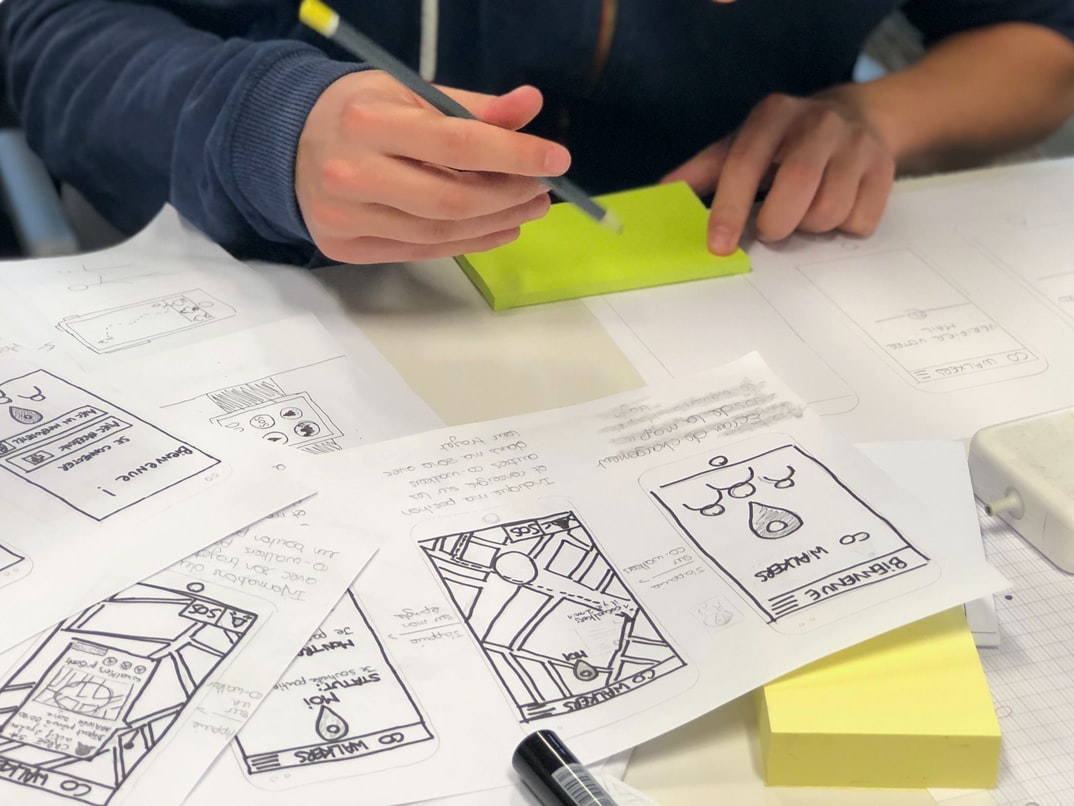
When it comes to designing a website or app, there are a variety of different aspects to take into consideration. One of the most important is user experience (UX), which involves creating an easy-to-use interface that helps users navigate the site or app efficiently. This includes things like organizing information in a logical way, providing clear calls to action, and minimizing distractions.
Another important aspect is visual design, which involves creating an attractive and cohesive look and feel for the site or app. This includes choosing appropriate colour schemes, typography, and imagery, as well as ensuring consistency across all pages.
Finally, accessibility is another key consideration when designing websites and apps. It’s important to ensure that your site can be used by people with disabilities such as vision loss or mobility impairments. This includes things like ensuring proper contrast between text and background colours, using alt tags for images so they can be read by screen readers and providing keyboard shortcuts for navigation. Taking these considerations into account will help you create a more effective and user-friendly website or app.
High Demand
In today’s digital age, graphic design and visual communication are high-demand skills that are essential in various industries. With the rise of social media platforms and e-commerce businesses, companies need to create visually appealing content to attract their target audience. In graphic design courses, you will learn how to use software like Adobe Photoshop and Illustrator to design logos, flyers, posters, and other marketing materials.
Moreover, visual communication is crucial in fields such as advertising and journalism. In these industries, professionals need to create compelling visuals that convey a message effectively. Through studying visual communication principles such as colour theory and typography, designers can communicate ideas through images or graphics more effectively than words alone.
Lastly, the demand for remote work increasing due to the ongoing pandemic situation worldwide has created an additional demand for graphic designers who have skills in creating virtual presentations using different tools like Canva or PowerPoint slides which have become a necessity nowadays for every business organization. Therefore learning graphic design and visual communication not only opens up diverse career opportunities but also equips you with valuable skills that are highly sought after by employers across various industries.
Learn To Design Apps And Websites
In graphic design and visual communication, you will learn the fundamental principles of design, such as colour theory, typography, layout, and composition. You will also develop skills in design software like Adobe Photoshop, Illustrator and InDesign. These tools are commonly used in designing apps and websites to create visual elements like logos, icons, banners or illustrations.
Moreover, you will also learn how to conduct user research to understand the target audience better. This is crucial for designing apps and websites that meet their needs effectively. Additionally, you’ll gain a deeper understanding of what makes an app or website user-friendly through modules on UI/UX (User Interface/User Experience) design. From navigation menus to data input forms to search bars—the course is designed to give budding designers a well-rounded skill set.
Overall, learning graphic design and visual communication equips you with various techniques that are useful in creating aesthetically pleasing designs for apps and websites while still being functional for users.
What is UI design?
UI design, or User Interface design, is a critical aspect of software development that involves designing the visual elements of an application, website, or other digital products that people use to interact with a system. UI designers create the layout, graphics, and interactive components of digital products to ensure they are visually appealing and easy to use. They develop user-centred designs that cater to users’ needs while also providing a seamless experience.
In graphic design and visual communication courses, students learn about the principles of UI design, including colour theory, typography, grid systems for layout creation, and user research techniques. Students learn how to work with design tools like Sketch or Adobe XD and collaborate with developers to create functional prototypes. The course curriculum emphasizes creating designs that prioritize usability by testing usability through various scenarios, such as conducting A/B tests.
UI designers must adhere to accessibility standards set forth by the W3C (World Wide Web Consortium) so that people with disabilities can use their products seamlessly. This makes it essential for UI designers to stay up-to-date on new technologies and trends in the field continually.
What is UX design?
UX design, also known as user experience design, is a crucial aspect of modern graphic design and visual communication. In its simplest terms, UX design refers to the process of designing digital products that are easy to use and navigate. This process involves creating wireframes, mockups, and prototypes to ensure that users can interact with a product in an intuitive and effective way.
At its core, UX design is all about putting yourself in the shoes of your target audience. It requires designers to consider how users will interact with a product on a fundamental level – from the layout of buttons and menus to the colour schemes used throughout. By understanding these nuances of user behaviour, designers can create products that not only look good but are also easy for consumers to use.
Effective UX design is particularly important in today’s digital landscape, where users have high expectations for seamless experiences across all devices. As such, those studying graphic design and visual communication should learn the basic principles of UX design if they hope to succeed in this industry.
Visual Communication
In graphic design and visual communication, you will learn the importance of conveying messages through images, colours, typography, and other visual elements. You will also be taught how to use various tools and software to create visually appealing designs that resonate with your target audience. Additionally, you will develop skills in conceptualizing ideas and translating them into an effective visual language.
One key aspect of visual communication is understanding the psychology behind the design. You’ll learn how to use colour theory and typography effectively to evoke emotions from viewers. In turn, this will help brands create a unique identity that stands out in the market. Besides aesthetics, visual communication also includes user experience (UX) design principles. UX designers focus on creating interfaces that are intuitive for users while ensuring they deliver value.
In summary, graphic design and visual communication are crucial in today’s digital world, where imagery plays a vital role in storytelling across different platforms, such as social media. A combination of technical skills and artistic creativity is required to produce compelling visuals that capture audiences’ attention while communicating a message effectively.
Visual Communication Vs Graphic Design
In graphic design, students learn how to create visual content using software and tools such as Adobe Photoshop, Illustrator, and InDesign. They also learn about colour theory, typography, composition principles, and branding. Graphic design focuses more on creating aesthetic designs that appeal to an audience in a visually stunning manner.
On the other hand, visual communication teaches students how to communicate messages effectively through visuals. Students learn about the various forms of visual communication, including photography, video production, animation, comics/cartoons and infographics etc. Visual communication involves not only creating beautiful designs but also communicating specific ideas/messages in a clear way by making use of different elements like symbols or icons.
While both fields have similarities and overlap with each other in many ways (as graphic design is often used in visual communication), they are not interchangeable terms. The main difference between them is that graphic design is more focused on aesthetics, while visual communication aims to convey information effectively through visuals, irrespective of whether it is attractive or not.
Graphic Design And Branding
In graphic design and branding, you learn how to communicate visually through the use of typography, colour, imagery, and layout. You will be taught how to create a brand identity that represents the values and personality of a company or product. This includes designing logos, business cards, packaging, website layouts, and advertising campaigns.
As a graphic designer or branding expert, you must understand the psychology behind colours and fonts to create effective designs that evoke certain emotions or perceptions. Additionally, you’ll get familiar with various software programs like Adobe Photoshop and Illustrator for creating stunning visuals.
Graphic design is not just about making things look pretty; it’s about solving problems visually. Your goal as a graphic designer is to deliver clear messaging that attracts attention from your target market while delivering the intended message efficiently. Ultimately, your work will help establish your client’s brand identity in their respective markets.
Visual Communication And Branding
In graphic design and visual communication, you will learn how to effectively use images, typography, colour, and other design elements to communicate a brand’s message. This includes creating logos and other visual assets that reflect the brand identity and values. You will also learn how to use design software like Adobe Creative Suite to create digital graphics for web pages or social media posts.
One of the most important aspects of visual communication in branding is consistency. A strong brand requires a consistent look and feel across all platforms. This means using the same colours, fonts, and imagery throughout all marketing materials. Consistency not only helps build brand recognition but also establishes trust with customers.
Visual communication can make or break a brand’s success as it plays a crucial role in attracting potential customers. The right typography, imagery, and colour palette can evoke emotions from your audience and leave a lasting impression on them. By mastering the fundamentals of graphic design and visual communication principles, you can help your clients convey their brand messages effectively across various mediums – from print ads to social media campaigns – giving them an edge over competitors who may lack these skills.
Graphic Design Vs Web Design
Graphic design and web design are two different yet interconnected fields of visual communication. While both share similarities in terms of using design principles to create visually appealing and effective designs, the key differences lie in their respective mediums.
Graphic designers primarily work on creating designs for print media, such as business cards, brochures, posters, billboards, packaging, and more. They focus on designing layouts that tell a story or convey a message through typography, imagery, colour theory and composition.
Web designers apply graphic design principles to digital platforms like websites. They use various tools such as HTML/CSS code and content management systems (CMS) like WordPress to create interactive user interfaces that deliver engaging online experiences.
The skills required for each field can overlap but require different levels of technical expertise. A graphic designer may have a strong understanding of branding, while a web designer may be proficient in coding languages like JavaScript or PHP. Ultimately, both graphic and web designers strive to communicate effectively through visuals while adapting their skillset accordingly based on the medium used.
Graphic Design Vs Digital Illustration
Graphic design and digital illustration both involve creating visual content; however, they differ in their approach and purpose. Graphic design is primarily focused on communicating a message effectively through visuals such as typography, colour, layout, and images. A graphic designer uses these elements to create designs that can be used for branding, advertising, or marketing purposes. On the other hand, digital illustration focuses on creating artwork using software tools that replicate traditional media like drawing or painting.
In graphic design courses, students learn about various design principles such as balance, rhythm, contrast, hierarchy and more. They also learn how to use industry-standard software like Adobe Photoshop and Illustrator to create designs that meet specific briefs or target a particular audience. In visual communication courses where digital illustration is taught, students are trained in techniques for creating illustrations, including drawing freehand digitally with a tablet or stylus pen.
In conclusion, while graphic designers work towards translating information into visually pleasing documents such as logos, posters, websites, brochures etc., digital illustrators focus on creating pieces of art for editorial publishing of children’s books, comics, video games, animations etc. Ultimately it’s important to remember that both skills overlap since many graphic designers incorporate illustrations into their designs while some illustrators need knowledge in graphic design, especially if they wish to sell products like prints or merchandise featuring their art online.
Graphic Design Vs Application
In graphic design, students learn the principles of design and how to use different tools and software to create visual content. They study typography, colour theory, composition, and layout techniques. The goal is to create aesthetically pleasing and effective designs that communicate a message.
On the other hand, application development focuses on creating software programs or applications for mobile devices or computers. In this field, students learn programming languages such as Java or Python and how to use different frameworks like React Native or Flutter. They also gain skills in user experience and interface design to ensure their applications are intuitive and easy to use.
While both fields involve creating visual content, graphic design focuses more on aesthetics, while application development prioritizes functionality. However, there is considerable overlap between these two areas as many designers now incorporate coding skills into their repertoire while app developers must have strong design skills for creating visually appealing interfaces.
Graphic Design Vs Motion Graphics
In graphic design, you learn how to communicate visually using typography, colour, and imagery. You also learn how to create logos, brochures, websites, and other visual materials that help businesses communicate with their customers. Graphic designers use static images to convey a message or tell a story. They are experts in creating layouts that are aesthetically pleasing while conveying information effectively.
On the other hand, motion graphics combines traditional graphic design elements with animation techniques. It involves creating moving images for film titles, television shows, music videos or commercials. Motion graphics designers use animation software like Adobe After Effects to create designs that move and interact with the viewer. They use sound effects and music along with visuals to create an immersive experience for the audience.
In conclusion, both graphic design and motion graphics have their own unique advantages when it comes to visual communication. While graphic design is focused on creating static images for print or digital media such as logos or websites, motion graphics creates moving images using animation techniques for film titles or TV shows etc. Ultimately it all comes down to what kind of message you want to convey and what medium would be best suited for it – static visuals or animated visuals?
Graphic Design Vs UI UX
In graphic design, students learn skills such as typography, colour theory, composition and layout. These skills are essential in creating visually appealing designs that convey a message to the audience. Graphic designers work on print media such as brochures, packaging, flyers and billboards.
On the other hand, UI/UX design focuses on the user experience of digital products like websites and mobile apps. In UI/UX courses, students learn how to create wireframes and prototypes for websites and apps with an emphasis on usability testing. They also study trends in web design, such as responsive design for various devices.
While both graphic design and UI/UX share some common principles, like visual communication and aesthetics, they differ in their approach towards designing for different mediums. While graphic designers may focus more on the visuals of a product or service branding itself, UX/UI designers prioritize functionality over pure aesthetics by understanding the way users interact with it. Ultimately both disciplines are complementary but set out to achieve different objectives through distinct methods of research and experimentation.
Graphic Design Vs Branding
In graphic design, a designer learns about the fundamental principles of design, which include colour theory, typography, composition and layout. They also learn how to use software such as Adobe Photoshop or Illustrator to create digital designs for various mediums like marketing materials or website graphics. On the other hand, branding is more focused on creating an identity that reflects the values and personality of a company. This can include designing logos, choosing brand colours and creating guidelines for consistent messaging.
While graphic design focuses on creating aesthetically pleasing visuals that are visually appealing, branding goes beyond aesthetics and aims to create a lasting emotional connection with customers. Branding requires a deep understanding of customer values and behaviour in order to create an identity that resonates with them. Graphic designers can contribute to branding efforts by implementing brand guidelines into their designs and ensuring consistency across all visual touchpoints.
In conclusion, while there is certainly overlap between graphic design and branding skills, they are ultimately different disciplines with distinct objectives. Both fields are necessary for successful marketing efforts; however, businesses should recognize that strong branding will ultimately drive loyalty among customers over simply having strong visuals alone.
Web Design is in demand.
Web design has become one of the most in-demand skills in recent years. With the increasing importance of digital presence, businesses and organizations are looking for professionals who can create visually appealing and user-friendly websites. In graphic design and visual communication courses, students learn how to use various tools and software to design websites that not only look great but also function well.
Students in these courses will learn about website layout, colour theory, typography, and user experience (UX) design. They will also gain knowledge on responsive web design, which is essential as more people are accessing the internet via mobile devices. Understanding SEO (Search Engine Optimization) is another important aspect that students will be introduced to so that they can optimize their designs for search engines like Google.
Overall, a solid understanding of web design principles is crucial for anyone interested in pursuing a career in graphic design or visual communication. As businesses continue to rely on their online presence to reach customers, web designers will remain highly sought-after professionals.
Graphic design is in demand.
In today’s digital age, graphic design has become an essential skill that can be applied to various industries. Graphic designers create visual concepts using computer software or by hand to communicate ideas that inspire and captivate consumers. They are responsible for designing logos, brochures, websites, brand identities, and other marketing materials.
In a graphic design program, students learn not only the technical skills needed to create visually appealing designs but also the principles of good design. These principles include colour theory, typography, layout techniques and composition. Additionally, students learn how to research their target audience and create designs that cater specifically to them.
Visual communication is also crucial in today’s fast-paced society, where people have short attention spans. Designers must be able to convey messages quickly and effectively through their designs. A good designer knows how to use visual cues such as colour palettes and shapes to give off certain emotions or feelings in their work.
Overall, graphic design is an exciting field that offers endless opportunities for creativity while also being highly practical in business contexts. As more companies recognize the importance of having strong branding and marketing materials in this increasingly competitive world we live in, it’s no wonder why the demand for graphic designers continues to grow.
Graphic Designer Software: Adobe Photoshop, Adobe Illustrator, Adobe InDesign
As a graphic designer, you will need to learn how to use various software tools that can help you create stunning designs. Adobe Photoshop, Illustrator, and InDesign are some of the most popular software programs used by graphic designers worldwide. Each program has its own unique features and strengths that make them ideal for different design projects.
Adobe Photoshop is primarily used for photo editing and manipulation. It allows designers to crop images, add filters and effects, and adjust colour balance and hue/saturation levels. Its user-friendly interface makes it easy for beginners to use while also providing advanced features for professionals.
Adobe Illustrator is geared towards creating vector graphics such as logos or illustrations. With its precise drawing tools and scalable vector graphics, it’s an excellent choice for designing intricate graphics easily.
Lastly, Adobe InDesign is ideal for layout design, such as in magazines or books where pages contain text-heavy documents with images incorporated throughout the page layout. Its tools allow designers to control typography settings precisely while maintaining visual consistency across multiple pages of a document.
As a student learning graphic design or visual communication courses at the college or university level, mastering these three software programs will give you a significant advantage in your career path as they are widely used in the industry today.
Website And Application Builder Software: Figma, WordPress, Elementor.
In graphic design and visual communication, students not only learn about the fundamentals of design but also how to apply them in various mediums. One such medium is a web design, which includes creating websites and applications using various software. Figma, WordPress, and Elementor are three popular websites and application builder software that many designers use.
Figma is a cloud-based tool that allows designers to create user interfaces for websites and mobile applications collaboratively. It has built-in prototyping capabilities that enable users to create interactive designs. WordPress, on the other hand, is an open-source content management system (CMS) that powers millions of websites worldwide. It offers a wide range of themes and plugins that allow users to customize their websites easily. Finally, Elementor is a drag-and-drop page builder plugin for WordPress that enables users to create custom pages without any coding knowledge.
Overall, learning these website and application builder software can be beneficial for graphic design students as it equips them with the skills necessary to design engaging digital experiences for their clients in the future.
Motion Graphics
Motion graphics is one of the most dynamic and engaging forms of graphic design. In motion graphics, designers create animations that move and change over time, using a combination of typography, imagery, colour, and sound to communicate complex ideas in a visually compelling way. Motion graphics can be used for everything from explainer videos to brand identity animations to film title sequences.
In addition to technical skills like animation software proficiency and video production techniques, motion graphics designers must also have a strong visual sense and an understanding of design principles such as composition, colour theory, and typography. They must also be able to work collaboratively with clients and other creative professionals to bring their vision to life.
Overall, studying motion graphics as part of a graphic design or visual communication program can provide students with valuable skills that are in high demand across many industries. By mastering the art of creating engaging animations that tell stories and communicate ideas effectively, students can launch successful careers in fields ranging from advertising and marketing to entertainment media production.
Motion Graphics After Effects
Motion Graphics After Effects is an essential skill that graphic designers and visual communicators need to learn. This software allows users to create stunning animations and 2D and 3D graphics easily. It offers a wide range of features that make it possible to create complex animations with ease. From kinetic typography to explainer videos, motion graphics have become an integral part of the digital marketing landscape.
To master Motion Graphics in After Effects, one needs to understand the basic principles of animation and design. A designer needs to have a clear understanding of timing, composition, colour theory, layout, and typography. When these elements are combined effectively in After Effects, the workflow can be created, which will ultimately result in a visually appealing final output.
Furthermore, learning Motion Graphics in After Effects opens up various career opportunities for graphic designers and visual communicators. They can work as animators or motion graphic artists within advertising agencies or production houses, creating engaging content for their clients’ websites or social media channels. In conclusion, mastering Motion Graphics in After Effects is not only essential but also adds value to a designer’s professional growth by enhancing their skill set within the industry.
What is a graphic designer portfolio?
A graphic designer portfolio is a collection of works that showcases the creative and technical skills of a graphic designer. The portfolio contains various visual communication pieces such as posters, logos, brochures, and websites that demonstrate the designer’s ability to communicate effectively through design.
In graphic design and visual communication programs, students learn the principles of design, including typography, colour theory, layout composition, and image manipulation techniques. They are also taught how to use software applications such as Adobe Photoshop, Illustrator, and InDesign to create visually appealing designs.
Having a strong portfolio is essential for any graphic designer looking to land a job in the industry. A well-curated portfolio not only demonstrates a designer’s technical abilities but also showcases their style and creative vision. It is an important tool for designers to market themselves professionally in the competitive world of design.
Digital Illustration
Digital illustration is a vital aspect of graphic design and visual communication. It involves the use of digital tools to create high-quality illustrations that can be used in various forms of media, such as advertising, publishing, and entertainment. In the digital illustration, artists make use of software like Adobe Illustrator and Photoshop to create images that can be easily edited, resized, or modified.
One key skill you learn in graphic design and visual communication when it comes to digital illustration is how to effectively use colour. Colour is an important element in any form of art, but it’s especially crucial in digital illustration since it helps communicate emotions and ideas more effectively. A good understanding of colour theory will enable you to mix colours correctly for your illustrations.
Another essential technique taught during a graphic design course in regard to digital illustration is the effective use of shapes and lines. Shapes are critical elements because they help define objects within your artwork, while lines add texture and depth by providing different shades that contrast with each other. Understanding these techniques will allow you not only to produce high-quality illustrations but also to bring them alive by adding depth or dimensionality through these fundamental principles of design.
Digital Painting
Digital painting is an aspect of graphic design that involves creating works of art on a computer or digital device. It involves the use of software such as Adobe Photoshop or Corel Painter to create images. Digital painting shares some similarities with traditional painting, but it also has its unique features.
In graphic design and visual communication, learning digital painting can help you develop skills in colour theory, composition, and storytelling. With digital painting, you have access to a wider range of tools and techniques that allow you to experiment with different styles and effects. You can also work faster and more efficiently compared to traditional mediums.
Overall, mastering digital painting can open up various career opportunities in the creative industry. Whether you want to become an illustrator or concept artist for video games or animation studios, having solid skills in digital painting will set you apart from the competition.









