

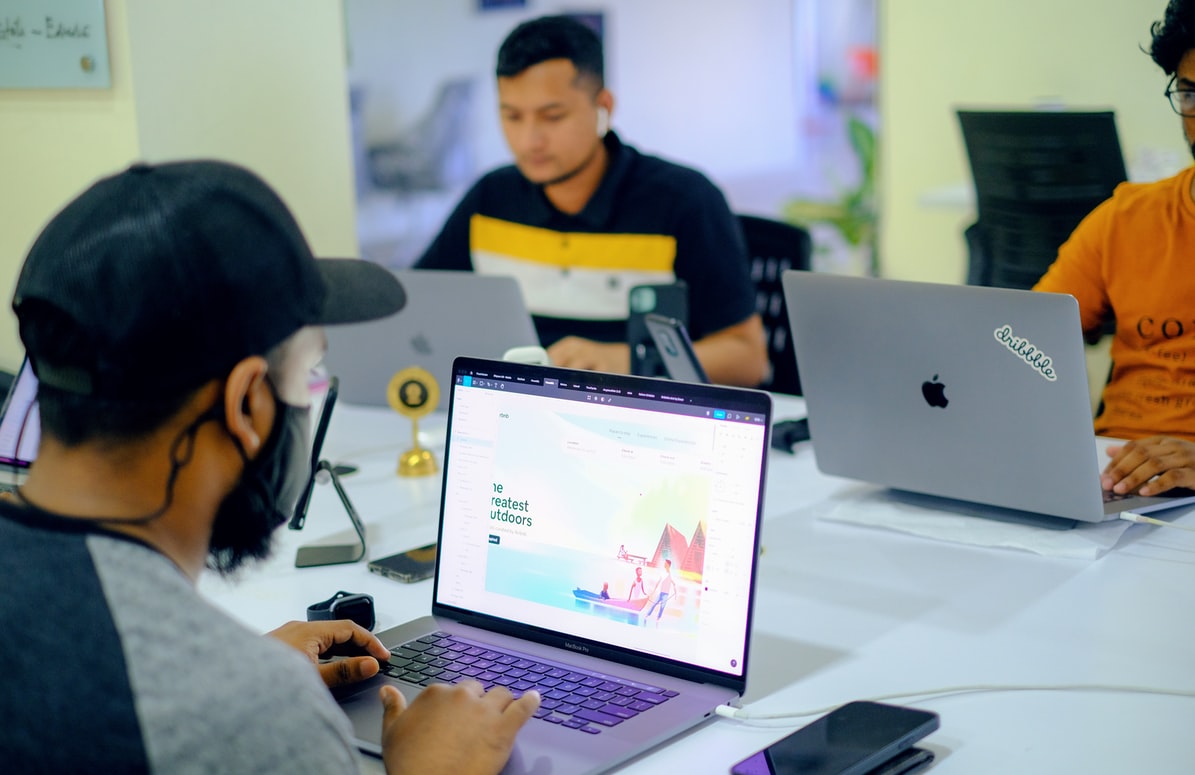
What Software Is Used In Graphic Design? What do graphic design and visual communication involve?
In graphic design and visual communication, students learn the art of communicating visually through various mediums such as print, digital media, advertising and branding. This involves understanding the components of visual language like typography, colour theory, layout, composition and design principles. Graphic designers use these elements to create a cohesive message that resonates with their target audience.
Effective graphic design is not just about aesthetics but also about solving problems creatively. Students are taught how to analyze client needs and develop design solutions that communicate complex ideas in a simple manner. This requires critical thinking skills and an ability to visualize abstract concepts.
In addition to technical skills involved in creating designs using software tools such as Adobe Photoshop or Illustrator, students learn to work collaboratively on projects with clients or team members. They develop good communication skills necessary for presenting ideas effectively during pitches or project meetings. The foundation of a strong designer-client relationship is built on the trust established through clear communication throughout the creative process, which ultimately results in successful outcomes.
The process of designing or creating a document or image: Creation
Graphic design and visual communication are two interconnected fields that involve the creation of various types of media using images, text, and other visual elements. In graphic design, designers create layouts for print or digital media such as posters, brochures, websites, logos and packaging. Whereas in visual communication, they align these creations with a specific message to convey information or evoke a response from their audience.
The process of designing or creating a document or image involves several steps. First, it starts with research to understand the target audience and define the project’s purpose. Then comes brainstorming ideas for the design – this includes sketching out concepts for layout and selecting colour schemes that will resonate with potential users. Once an idea has been chosen, designers use specialized software like Adobe Photoshop or Illustrator to create high-resolution images before moving on to designing prototypes.
Designers then refine their work based on feedback received from clients or colleagues through critiques so as to ensure that it’s aligned with both what they want to say and how it should be presented visually while keeping up-to-date with current trends in today’s society.
In conclusion, graphic design is a creative process where designers take abstract ideas and turn them into tangible pieces of media which can be used for marketing campaigns targeted at consumers all over the world. The process of creating documents/images requires research skills coupled with an eye towards aesthetics so as not only to convey information effectively but also to leave an impact on viewers’ minds long after they have seen it.
The use of graphics and images in communication: advertisement, brochures, website design, social media posts
In visual communication, the use of graphics and images is crucial in conveying messages effectively. In the advertisement, it’s essential to capture the viewer’s attention quickly and make a lasting impression. The right graphics can communicate more than words ever could in a shorter amount of time. Brochures are similar to advertisements but tend to be more informative. Graphics can help break up large amounts of text and make it easier for readers to understand complex ideas.
Website design is another area where graphics are critical in communicating with users. Websites that are visually appealing tend to have lower bounce rates compared to those with plain designs. Professional-looking graphics create an impression of credibility that visitors respond positively to.
Lastly, social media posts rely heavily on graphic design elements because they’re designed for quick viewing by users scrolling through their feeds. With numerous posts competing for attention, using striking visuals increases the chances of getting noticed and read by users. Good communication is about engaging people visually as well as verbally, so knowing how to use images effectively is an essential skill for anyone studying graphic design or visual communication.
Use of layout and design to improve readability and presentation
In graphic design and visual communication, one of the most important skills you’ll learn is how to use layout and design to improve readability and presentation. This involves understanding how different elements of design work together to create a cohesive whole, as well as how to use typography, colour, spacing, and other visual elements to convey information effectively.
One key aspect of using layout and design effectively is creating a clear hierarchy of information. This means organizing content in a way that makes it easy for readers to follow along and understand the main points. For example, you might use headings and subheadings to break up text into smaller sections or use bullet points or numbered lists to highlight key information.
Another important consideration when it comes to layout and design is choosing the right typeface (font) for your project. Different fonts can convey different moods or tones – for example, serif fonts are often seen as more traditional or classic, while sans-serif fonts are more modern and clean. Additionally, you’ll need to think about factors like font size, line spacing (leading), and letter spacing (tracking) in order to ensure that the text is both readable and visually appealing.
Use of colour and lighting in order to achieve a desired effect
In graphic design and visual communication, the use of colour and lighting is crucial in achieving the desired effect. Colour has the power to evoke emotions and convey different meanings depending on the context. For instance, red can symbolize passion, love, or danger, while blue can represent calmness, trustworthiness, or sadness. Choosing the right colour palette can help communicate a message effectively and create an appropriate mood.
Similarly, lighting plays a significant role in setting the tone of an image or scene. Different types of lighting, such as natural light, artificial light or even shadows, can affect the overall look and feel of a design or photograph. For example, low-key lighting with deep shadows creates mystery and drama, while high-key lighting with minimal shadows gives off a bright and cheerful atmosphere.
Overall, understanding how to use colour and lighting in graphic design is essential for creating visually effective designs that accurately communicate messages to their intended audience. It’s important as a copywriting assistant to understand these principles so that you can work collaboratively with designers to develop compelling content that meets your client’s objectives.
What do graphic design and visual communication all mean?
In essence, graphic design is the art of combining images, text, and colour to create compelling visual content. It is a multifaceted discipline that encompasses various areas such as branding, advertising, web design, and print media. As a student of graphic design, you will learn how to use different tools such as Adobe Creative Suite, Sketch or Figma to create visually appealing designs. You will also get an understanding of typography – the art of arranging typefaces – and its impact on effective communication.
Visual communication is a broader concept that goes beyond just designing graphics. It involves using images, symbols and other visual aids to convey messages in different contexts. In visual communication courses, you’ll explore how visuals can influence emotions and perceptions and how they can be used for storytelling purposes. You’ll learn about visual hierarchy – the arrangement of elements on a page – which plays an important role in guiding viewers’ attention across different parts of the design.
Overall studying graphic design and visual communication provides students with the essential skills required to develop their creative ideas into tangible designs that communicate effectively in today’s digital world.
Background: Graphic design is the process of designing products, websites, and other graphic works.
In graphic design and visual communication, you will learn a variety of skills that are essential for creating visually appealing designs. These include colour theory, typography, layout design, and image manipulation. You will also learn how to use software such as Adobe Photoshop and Illustrator to create digital designs.
Additionally, you will gain an understanding of branding and marketing principles, as well as the psychology behind the effective design. This knowledge is crucial for creating designs that look not only great but also effectively communicate a message or idea.
Furthermore, in graphic design courses, you may explore different specializations, such as motion graphics or web design. This allows students to develop their skills in specific areas of interest within the field of graphic design. Ultimately, studying graphic design provides individuals with a versatile skillset that can be applied across various industries, including advertising, publishing, and entertainment, among others.
Design basics: What you need to know in order to design well.
As a copywriting assistant, it is important to understand the basics of design in order to effectively create content that complements visual elements. One key aspect of the design is understanding colour theory and how colours can evoke emotions and convey messages. Additionally, typography plays a crucial role in design as the font used can influence legibility and overall aesthetic appeal.
Another fundamental concept in design is the composition or the arrangement of visual elements within a layout. This includes principles such as balance, contrast, and hierarchy, which help guide the viewer’s eye through the piece. Furthermore, understanding the importance of white space or negative space can greatly enhance the impact of a design.
Overall, it is essential for both copywriters and designers to have a foundational knowledge of design principles in order to work collaboratively towards creating cohesive and effective marketing materials.
How to design for different types of audiences: Different needs when designing for different types of audiences.
When it comes to designing for different types of audiences, it’s important to consider the unique needs and preferences of each group. For instance, younger audiences may prefer more vibrant colours and bold typography, while older audiences may prefer more traditional designs with muted colours. Similarly, if you’re designing for an international audience, you’ll need to consider cultural differences and adjust your design accordingly.
To effectively design for different types of audiences, it’s important to conduct research beforehand. This can include gathering demographic information on your target audience or studying the competition to see what design elements they use successfully. Additionally, user testing can be invaluable in ensuring that your design is effective for its intended audience.
Overall, designing for different types of audiences requires a combination of creativity and strategic thinking. By understanding the unique needs and preferences of each group, conducting thorough research before starting a project, and being willing to adapt as needed based on feedback from users or stakeholders, designers can create visually compelling designs that resonate with their target audience.
Types of graphics: What are the different types of graphics?
In graphic design and visual communication, you will learn about the different types of graphics that can be used to convey information. One type is vector graphics, which are created using mathematical equations to produce sharp and clear images that can be resized without losing their quality. Another type is raster or bitmap graphics, which are made up of pixels and are more suitable for photographs.
Infographics are also a popular type of graphic. They combine text and visuals to present complex information in an easily digestible way. Charts, graphs, and diagrams fall under this category as well. These types of graphics help the viewer understand data better than just plain text alone.
Lastly, typography is another important aspect of graphic design that involves the use of fonts and layouts to create appealing written content. The right choice of font can make a significant difference in how a message is perceived by its audience. Understanding these different types of graphics will allow you to effectively communicate your message through various visual mediums.
Fluorescent lighting: How to use fluorescent lighting in your designs?
One of the key elements that graphic designers and visual communicators must consider when creating designs is lighting. Fluorescent lighting is a popular choice, as it is cost-effective, energy-efficient, and long-lasting. However, it can also be challenging to work with due to its unique colour temperature and potential for flickering.
When using fluorescent lighting in your designs, it’s important to consider the colour temperature of the bulbs you are using. Standard cool white fluorescent bulbs have a temperature of around 4100K, which can give designs a blue-ish tint. To combat this, designers may opt for warm white or daylight bulbs with temperatures closer to 2700K or 5000K, respectively.
Another consideration when working with fluorescent lighting is its potential for flickering. This can cause visual discomfort or even headaches for some people. To minimize this issue in your designs, use high-quality fixtures and ensure that they are properly installed and maintained. Additionally, avoid high-contrast patterns or rapidly moving images that may exacerbate any flicker effects.
Typography: How to use the typeface in your designs?
Typography is an essential element in graphic design and visual communication. It involves the arrangement of typefaces to create visually appealing designs. The selection of fonts can significantly impact the message you are trying to convey. Therefore, designers must choose appropriate typefaces that suit their target audience and represent their brand.
When choosing a typeface, it is crucial to consider legibility and readability. A font that looks great but is difficult to read will not be effective in conveying your message. Additionally, designers must understand the different classifications of typefaces, such as serif, sans-serif, script, display, and handwriting styles. Each classification has its unique characteristics suitable for specific use cases.
Lastly, typography requires proper placement and space management for maximum impact on the viewer. Designers should use kerning (adjustment of space between letters), leading (space between lines), and tracking (uniform spacing between all letters) to optimize readability while creating aesthetic appeal in their designs.
Colourblindness: Tips on using colours correctly in your designs.
In graphic design and visual communication, designers must understand the importance of colour in creating effective designs. However, it’s essential to keep in mind that approximately 8% of men and 0.5% of women worldwide suffer from some form of colour blindness or deficiency. This means that using colours incorrectly can result in a significant number of people being unable to read or interpret your designs correctly.
To avoid this issue, designers need to consider several tips when using colours for their projects. One such tip is ensuring proper contrast between background and foreground colours to enhance visibility. Additionally, avoiding the use of red and green together can help reduce confusion for those with red-green colour blindness.
Moreover, designers should rely on other means beyond just colour to communicate information or data effectively. For instance, they could use symbols or patterns as additional forms of visual communication where necessary.
Graphic Design Mobile App
In a Graphic Design Mobile App, users can learn design fundamentals, colour theory, typography basics, and composition techniques. These concepts are crucial in visual communication as they help designers create effective and visually appealing graphics that convey messages to their intended audience.
The app can also offer tutorials on using design software like Adobe Photoshop or Illustrator. This is important for designers who want to create high-quality designs efficiently. Additionally, the app can provide inspiration through showcases of successful graphic designs across different industries.
Overall, the Graphic Design Mobile App provides an accessible platform for aspiring and established designers to enhance their skills and stay up-to-date with current design trends. With this app at their disposal, designers can take their creative visions from concept to reality while effectively communicating ideas to clients or audiences.
Application Design By Graphic Designers
Graphic designers are equipped with a unique set of skills that make them well-suited to design applications. They have a keen eye for detail and the ability to craft aesthetically pleasing designs. Additionally, they understand how to create user-friendly interfaces that improve the overall user experience. Graphic designers learn all about typography, colour theory, and layout design during their studies in visual communication.
In application design, typography plays an important role in both the aesthetic appeal and usability of the app. By using appropriate typefaces, font sizes, and spacing between text elements, graphic designers can make an application more visually appealing while also making it easier to read for users. The use of colour is also critical in application design as it helps convey important information and creates a visual hierarchy within the app.
Finally, layout design is essential in creating a smooth flow throughout the application. When designing an interface or screen layout for an app, graphic designers need to consider factors such as balance and proportionality while keeping usability at the forefront of their minds. Overall, graphic designers bring valuable skills to application design that help enhance its aesthetic appeal and usability for end-users.
Learn To Design Apps And Websites
In a graphic design or visual communication course, you’ll learn how to create visually appealing designs for websites and apps. You’ll be taught the principles of typography, colour theory, layout design, and image manipulation. The aim is to create designs that are not only aesthetically pleasing but also functional.
In addition to learning about the technical aspects of designing an app or website, you’ll also be taught about user experience (UX) and user interface (UI) design. UX focuses on how users interact with an app or website, whereas UI focuses on how the app or website looks. You’ll learn how to create a seamless experience for users by designing interfaces that are easy to navigate.
Furthermore, you will get hands-on experience using popular software such as Adobe Photoshop, Illustrator, and Sketch. These tools will assist in creating high-quality designs quickly while adhering to industry standards. Ultimately, studying graphic design and visual communication provides valuable skills necessary for designing successful apps and websites that can stand out in today’s crowded digital landscape.
Graphic design is in demand.
One of the reasons graphic design is in demand nowadays is the growing importance of visual communication in various industries. Graphic designers create visual content that helps businesses communicate with their target audience effectively. This includes designing logos, packaging, advertisements, websites, and social media posts. In addition to technical skills such as software proficiency and colour theory, graphic design courses also teach students about branding strategies and marketing principles.
Aside from being a versatile skill set for career opportunities, learning graphic design can also enhance one’s creativity and problem-solving abilities. Graphic designers are often tasked with finding solutions to complex visual challenges while balancing aesthetic appeal and functionality. By taking courses in graphic design, individuals can learn how to think outside the box and come up with innovative ideas that stand out in today’s competitive market.
Overall, pursuing a career in graphic design offers endless possibilities for individuals who have a passion for art and creative expression combined with strong technical skills. The demand for skilled graphic designers continues to grow as companies seek ways to stand out from their competitors through effective visual communication strategies.
Web Design is in demand.
As the world continues to transition into a digital age, web design has become an increasingly important field. With more and more businesses moving online, there is a high demand for skilled web designers who can create visually appealing and user-friendly websites. In graphic design and visual communication courses, students are taught the skills they need to succeed in this dynamic field.
Web design involves much more than simply creating attractive visuals; it also requires a deep understanding of user experience and how people interact with websites. Students in graphic design and visual communication programs learn about topics such as typography, layout design, colour theory, and branding – all important elements that contribute to effective web design.
In addition to technical skills, successful web designers must also possess strong critical thinking abilities. They must be able to analyze data on website traffic and user behaviour in order to make informed decisions about how best to optimize their designs for maximum engagement. As the demand for talented web designers continues to grow, those with backgrounds in graphic design and visual communication will be well-positioned for success in this exciting field.
What is UI design? What is UX design?
UI design and UX design are two of the most crucial concepts in graphic design and visual communication. While both terms may seem similar, they refer to two distinct aspects of design. UI or User Interface Design revolves around the look and feel of a product, such as an app or website, that users interact with. It includes designing elements like buttons, icons, menus, etc., to make the user experience smooth and intuitive.
On the other hand, UX or User Experience Design is more focused on the overall experience a user has while interacting with a product. It aims to create an experience that is easy to use, efficient, and enjoyable for the user. This involves understanding user behaviour patterns through research and data analysis and redesigning products accordingly.
In conclusion, UI and UX designs are interdependent on each other as they both contribute towards creating a visually appealing yet functional end product that provides great user experiences. The successful designer must have expertise in both areas to deliver superior results in their work.
Visual Communication
In a graphic design and visual communication course, students learn the art of storytelling through visuals. They are taught to effectively communicate ideas and messages using images, typography, colour schemes, and various graphic elements. Through hands-on projects and assignments, students learn how to create visually appealing designs that convey meaning and evoke emotions.
Apart from designing logos, posters, brochures, and other marketing materials for businesses, students also explore the world of web design. They learn how to create user-friendly websites that are not only aesthetically pleasing but also functional. By learning about user experience (UX) principles such as navigation design and information architecture, they can create websites that are easy to use for visitors.
On top of technical skills like using software such as Adobe Photoshop or Illustrator for design purposes, there is an emphasis on developing critical thinking skills in this field. Students must analyze their audience’s needs and preferences when creating designs so that they can tailor their work effectively. It is crucial for them to understand the importance of effective communication in visual messaging when it comes to branding, content creation or advertising campaigns.
Visual Communication Vs Graphic Design
Visual communication and graphic design are often used interchangeably, but they are not the same thing. Graphic design is a subset of visual communication that deals specifically with designing graphics for marketing, advertising or other commercial purposes. Visual communication, on the other hand, is a broader field that encompasses different forms of communication using visuals like images, symbols, and videos to convey information.
When you study graphic design, you learn the technical skills needed to create designs using software like Adobe Photoshop and Illustrator. You’ll also learn about typography, layout design, colour theory and other principles that make up effective visual communication in order to create eye-catching designs that capture attention. In contrast, studying visual communication focuses more on understanding how visuals can be used to communicate ideas effectively across different mediums, such as print media or online platforms.
In conclusion, while there is some overlap between graphic design and visual communications in terms of skill sets and knowledge base required, they each approach the use of visuals in distinct ways depending on their intended purpose. Therefore it’s important for anyone interested in pursuing a career in either field to understand these differences before deciding which one best suits their goals and interests.
Visual Communication Vs Web Design
Visual communication and web design are related fields, but they have distinct differences. Visual communication encompasses a wide range of mediums, including print, packaging, advertising, and digital media. This field focuses on creating visual messages that communicate information effectively to a specific audience. In contrast, web design is the process of designing websites with a focus on user experience and functionality.
In graphic design and visual communication courses, students learn about colour theory, typography, composition, branding strategies and image manipulation techniques. They also learn how to use software such as Adobe Photoshop and Illustrator to create visually compelling content for different mediums. Web design courses teach students about coding languages such as HTML/CSS/JavaScript, responsive design principles for mobile devices or desktop views, and content management systems (CMS) like WordPress, which allow users an easier way to publish their own content online without having extensive technical knowledge.
Ultimately, while both visual communication and web design require an understanding of the principles of good design aesthetics, the skills required to excel in each field can be quite different. A strong foundation in visual communication may help someone excel in web design if they choose to go down that path, but it’s important not to mistake one for the other as they have unique skill sets essential for success in each field.
Visual Communication Vs UI UX
In graphic design and visual communication, you learn about the power of images, typography, and colour to communicate a message effectively. Visual communication is all about conveying information through visuals that are easy to understand and memorable. On the other hand, UI UX or user interface/user experience design, is focused on creating interfaces that are functional, intuitive, and user-friendly.
While both fields share some similarities in terms of aesthetics and design principles, they have distinct differences. Visual communication focuses more on the creative aspect of design, such as developing logos or branding materials, while UI UX concentrates on designing interfaces for digital platforms like websites or mobile applications.
Moreover, visual communication relies heavily on artistic elements like composition and aesthetics, while UI UX puts users at the centre of the design process by prioritizing usability and functionality. In essence, both fields work together to create visually appealing designs that also serve practical purposes in real-world scenarios.
Graphic Design And Branding
In graphic design and branding, you will learn the fundamental principles of visual communication. This includes typography, colour theory, composition, and layout design. You will also be taught how to use various software tools, such as Adobe Creative Suite, to create designs that effectively communicate a brand’s message.
Furthermore, branding is an essential aspect of graphic design. It involves creating a distinct identity for a company or product through the use of logos, slogans, and other visual elements. A strong brand helps build trust with customers and creates long-term loyalty.
As a graphic designer focused on branding, you will learn to develop creative ideas that are consistent with the brand’s values while also meeting its marketing goals. You will also gain an understanding of the target audience and how to tailor your designs to best reach them. Ultimately, this knowledge will allow you to create effective designs that elevate brands above their competition in today’s marketplace.
Visual Communication And Branding
In graphic design and visual communication, you learn how to create a brand identity that speaks to your target audience. You will learn the importance of typography, colour theory, composition, and imagery in creating a cohesive brand message. These elements are essential in conveying your brand’s values, personality, and vision.
Visual communication plays an integral role in branding as it helps to create an emotional connection with the audience. A well-designed logo or website can make a lasting impression on potential customers, instilling trust and loyalty towards the brand. In today’s digital age, social media platforms such as Instagram have become significant channels for businesses to showcase their visual identity and communicate with their followers.
In conclusion, graphic design and visual communication are crucial components of branding that help businesses stand out from competitors. By creating a unique visual identity that resonates with your target audience using typography, colour theory, along with other design elements, you can effectively convey your brand’s messaging and values through various mediums like websites or social media platforms.
Graphic Designer Software: Adobe Photoshop, Adobe Illustrator, Adobe InDesign
In graphic design and visual communication, software proficiency is essential. Three of the most commonly used software programs in the field are Adobe Photoshop, Adobe Illustrator, and Adobe InDesign.
Adobe Photoshop is a raster graphics editor that allows designers to create and edit digital images. It is widely used for photo retouching, image manipulation, and creating web graphics. For instance, posters or social media posts with text overlays can be created using this tool.
Adobe Illustrator is a vector-based graphics editor that enables designers to create scalable illustrations, logos, icons or typography designs. This program is ideal for creating posters or printing materials because it retains its quality when scaled up or down.
Lastly, Adobe InDesign is a desktop publishing software designed to produce printed documents such as brochures or magazines. Its features include layout design tools like grids and guides, which make it easier to arrange elements on a page. Overall, understanding these programs will help you become proficient in graphic designing and visual communication tasks.
Website And Application Builder Software: Figma, WordPress, Elementor.
In graphic design and visual communication, website and application builder software have become an integral part of the curriculum. Figma, WordPress, and Elementor are three popular tools that allow designers to create websites without needing to know how to code. Figma is a web-based interface design tool that enables designers to work collaboratively on projects in real time. It offers features such as prototyping, vector editing, and commenting. Its user-friendly interface makes it ideal for both beginners and advanced designers.
WordPress is another popular website builder that powers around 40% of all websites globally. It provides users with a wide range of customizable themes and plugins which can be used to enhance the functionality and appearance of a website. Elementor is a drag-and-drop website builder plugin for WordPress which allows users to easily create custom pages without any coding knowledge.
Overall, learning how to use these website-building tools helps students develop skills in digital design while also preparing them for careers in web development or UI/UX design.
Motion Graphics
Motion Graphics is an essential skill in the graphic design and visual communication field. It involves creating animated visuals that communicate a message or tell a story through the use of text, images, and video. Motion graphics add depth and dimension to still designs and creates engaging content for websites, social media platforms, presentations, advertisements, and more.
In a graphic design course or program, you’ll learn how to create motion graphics using industry-standard software like Adobe After Effects. You’ll gain expertise in creating animations from scratch by manipulating keyframes or animating elements along paths. You’ll also learn about typography principles, colour theory, composition techniques as well as sound design for effective motion graphics production.
Moreover, with the rise of digital marketing tactics such as explainer videos and animated ads on social media platforms like Instagram and TikTok. A solid foundation in motion graphics will set you apart from other designers when seeking employment opportunities in this competitive market. Ultimately mastering motion graphics can help you create compelling visuals that enhance brand messaging while engaging audiences across various digital channels.
Motion Graphics After Effects
Motion graphics is a popular field in graphic design and visual communication that involves the use of digital animation to create engaging visual content. After Effects is one of the most widely used software for motion graphics creation. In this course, students learn how to design and animate graphics, text, and other multimedia elements using After Effects.
Through a variety of exercises and projects, students develop their skills in creating compelling visual narratives. They learn how to manipulate keyframes, apply effects and transitions, work with layers and masks, and incorporate audio into their projects. By the end of the course, students will have created several short animated videos that showcase their expertise in motion graphics.
Having knowledge of motion graphics can be a valuable asset for anyone who wants to pursue a career in graphic design or visual communication. Motion graphics are used extensively across different industries, such as advertising, film production, television broadcasting, and video game development, among others. These skills learned from After Effects’ training courses – can help designers create dynamic visuals that captivate audiences while also conveying important messages effectively.
Digital Illustration
Digital illustration is a crucial aspect of graphic design and visual communication. In this field, designers use digital tools to create images, illustrations, and graphics. These visuals can be used for various purposes, such as advertising, branding, web design, product packaging, and more.
A course in digital illustration teaches students how to create stunning visuals using Adobe Illustrator or other similar software. Students learn how to use various tools in the software to manipulate shapes and colours to bring their ideas to life. They also learn about composition techniques that help them balance their designs and ensure they are visually appealing.
Professionals who specialize in digital illustration work with clients from different industries, such as advertising agencies, marketing firms, publishers, game developers and animation studios. Illustrators must be able to understand client needs and provide creative solutions that meet project requirements within a given timeline. Overall digital illustration is an exciting field with endless possibilities for designers looking to express themselves creatively while providing practical solutions for businesses across a variety of industries.
Digital Painting
Digital painting is a popular medium among graphic designers and visual communication professionals. It involves using digital tools to create illustrations, paintings, and other forms of art. One advantage of digital painting is the ability to make changes easily without affecting the original artwork. This makes it ideal for creating mock-ups and experimenting with different ideas.
In graphic design and visual communication courses, students learn how to use digital painting software like Adobe Photoshop and Corel Painter. They also learn about colour theory, composition, lighting, and other elements that are critical in creating compelling visuals. In addition to mastering these technical skills, students develop their artistic abilities by studying different styles of art and learning how to apply them in their work.
Whether you’re interested in pursuing a career as a graphic designer or simply want to improve your skills in visual communication, digital painting is a valuable skill to have. By learning how to create stunning artwork using digital tools, you can take your creativity to new heights and produce designs that stand out from the crowd.
What is a graphic designer portfolio?
In graphic design and visual communication, creating a portfolio is one of the most important steps for any designer. A graphic designer’s portfolio is a collection of their best work that showcases their skills and expertise in different areas of design. It not only demonstrates their creativity but also helps potential employers or clients understand their strengths and abilities.
A typical graphic designer portfolio should include a variety of work samples such as logos, brochures, websites, packaging designs, illustrations, and other creative projects. The purpose of the portfolio is to demonstrate the range of skills that the designer brings to the table. It should be carefully curated to showcase not only technical proficiency but also conceptual thinking and problem-solving abilities.
Having a well-designed and thought-out portfolio can make all the difference when it comes to securing new clients or landing a job in the field. Therefore, it’s essential for designers to invest time and effort into crafting a compelling graphic designer portfolio that effectively represents their skills and experience in visual communication.
What should I include in my portfolio?
As a graphic designer, it is essential to have an impressive portfolio that showcases your skills and experience. While the content of your portfolio may vary depending on the type of design work you specialize in, there are a few things you should include in it to make it effective.
Firstly, you should showcase your best work. Choose pieces that demonstrate your creativity, technical abilities and problem-solving skills. Secondly, include a variety of projects that show off your range as a designer. This could be anything from branding and identity work to web design or print design.
Lastly, it’s important to provide context for each project in your portfolio. Explain the brief or challenge given by the client, what solutions were developed and how they were executed. Including this information will help potential clients understand how you approach different types of projects and why they should hire you for their own creative needs. By including these elements in your portfolio as a graphic designer or visual communicator, potential clients can get an idea of what kind of work they can expect from you if they decide to hire you.
What are some tips for designing an effective portfolio?
As a graphic designer or visual communication expert, creating an effective portfolio is crucial to showcase your skills and abilities. One tip for designing an effective portfolio is to focus on quality over quantity. It’s better to include a few of your best works rather than overwhelming the viewer with numerous mediocre designs.
Another key tip is to organize your portfolio in a logical and easy-to-navigate manner. You want the viewer to be able to quickly find what they’re looking for without getting lost in a sea of images. This can be achieved by categorizing your work into different sections, such as branding, web design, or print design.
Lastly, make sure that your portfolio reflects who you are as a designer or visual communicator. Use typography, colour schemes, and other design elements that align with your personal brand and style. This will not only make you stand out from other designers but also attract the right clients who appreciate your unique approach to design.









