

What Skills Do I Need To Develop To Be A Proficient Graphic Designer? What do graphic design and visual communication courses teach you about designing and communicating your ideas?
In graphic design and visual communication courses, you learn how to use various design tools, such as Adobe Creative Suite, to create visually appealing designs that communicate your ideas effectively. You also learn about colour theory, typography, layout design principles, and other essential elements that go into making a successful design.
Moreover, these courses also emphasize the importance of understanding your target audience and tailoring your designs accordingly. By learning how to analyze consumer behaviour and preferences, you can create designs that resonate with them and inspire them to take action. Additionally, you’ll also gain insight into effective communication strategies for presenting your ideas effectively through different mediums, such as print or digital.
Overall, graphic design and visual communication courses provide a comprehensive education on designing visuals that convey messages in a clear and compelling manner. Whether you want to build a career in advertising or simply improve your marketing skills for personal projects, these courses are an excellent way to develop essential skills that will set you up for success in any creative field.
Graphic Design: Basics
Graphic design is the art of creating visual content to communicate information, messages or ideas. As such, it encompasses a wide range of skills and practices that graphic designers must learn as part of their education or professional development. These include understanding colour theory, typography, composition and layout, among other things.
Colour theory refers to the principles behind how colours work together in visual communication. It involves understanding concepts like hue, saturation and value and how they impact the mood or tone of a design. Typography is another key element that graphic designers need to master, as it involves choosing the right fonts and typefaces for a particular project. Good typography can make the text more legible and engaging for readers.
Composition and layout are also crucial components of effective graphic design. They involve arranging images, text and other elements on a page in a way that makes sense visually while also communicating the intended message clearly. By mastering these basics of graphic design, professionals can create powerful visual communications that capture attention and convey information effectively to audiences.
Graphic Design: Types of Graphics
As a graphic designer, you will be working with different types of graphics to create visual content. The most common types of graphics in graphic design are raster and vector graphics. Raster images are made up of pixels, while vector images are made up of lines and shapes.
In addition to these two primary types of graphics, there are also various subcategories that designers work with. For instance, infographics are used to convey complex information in an easy-to-understand way using visuals like charts or graphs. Logos and branding materials use typography and symbols to visually represent a company or product.
Print design is another area where graphic designers work extensively, creating designs for everything from marketing brochures and business cards to billboards and posters. Finally, web design involves creating layouts for websites using visual elements like images, icons, buttons, forms, etc. Each type of graphic requires its own set of skills and techniques that must be mastered by the designer in order to create compelling visuals that effectively communicate the desired message.
Graphic Design: Graphics Principles and Practice
In studying graphic design, you will become well-versed in the principles and practice of graphics. These principles include composition, balance, contrast, colour theory, typography, and more. Understanding these concepts is essential to creating effective designs that communicate your intended message.
Practising graphic design involves utilizing various software programs to create visual representations of ideas and concepts. This can range from designing logos and branding materials for businesses to creating illustrations for books or magazines. As a designer, you must also consider the medium through which your work will be presented – print or digital – and how it will be viewed by its audience.
Ultimately, mastering the principles and practice of graphic design takes time and dedication. It requires not only a strong aesthetic sense but also an understanding of communication theory and psychology. But with the right training and experience, you can create impactful designs that effectively convey your message to your intended audience.
Visual Communication: Overview
Visual communication is a form of communication that uses visual elements to convey information. It involves the creation and use of graphics, images, videos, animation, and other visual aids to communicate messages. Visual communication plays an essential role in graphic design as well as in many other fields, such as advertising, marketing, journalism, and education.
In graphic design and visual communication courses, students learn about the principles of design, such as colour theory, typography, composition, and layout. They also learn how to use various software tools for creating digital designs, such as Adobe Photoshop or Illustrator. Additionally, they gain skills in creating visual content for different mediums, such as print publications or web pages.
Visual communication has become increasingly important with the rise of social media platforms, where visuals are often more effective than text-based posts. Therefore it is crucial for businesses and individuals alike to have a strong understanding of visual communication principles in order to create compelling content that resonates with their audience.
Visual Communication: Elements of Style
One of the fundamental principles of visual communication is the use of elements of style. These are the basic ingredients that make up any design and include line, shape, colour, texture and space. Each element has a role to play in creating a visually appealing and effective composition.
The line is used to define shapes, create patterns or convey movement in a design. It can be thick or thin, straight or curved, uniform or irregular. Shape refers to the two-dimensional area created by lines and can be geometric (circles, squares) or organic (natural forms). Colour is used not only for aesthetic purposes but also to convey emotions and meanings. Texture adds depth and dimensionality to an otherwise flat surface, while space refers to the distance between objects.
Understanding these elements of style is crucial for graphic designers as they form the basis on which all other design decisions are made. By employing them effectively, designers can create compositions that are visually engaging and communicate their intended message effectively.
Visual Communication: Graphics
In graphic design and visual communication, you learn how to create effective graphics that convey a message or idea. This includes learning the principles of design, such as balance, contrast, colour theory, typography, and composition. You also learn how to use software tools like Adobe Photoshop and Illustrator.
Visual communication is an essential part of marketing and advertising since it helps businesses connect with their audience through images rather than words. Graphics can be used in various mediums, such as social media posts, website designs, product packaging, billboards, and more.
As a graphic designer or visual communicator, your goal is to create visuals that captivate your audience’s attention while effectively delivering the intended message. By mastering the art of graphic design and visual communication, you can help businesses reach their target market in a more impactful way.
Best Field For A Graphic Designer
Graphic design and visual communication courses teach students how to convey messages using images, typefaces, colour schemes, and other design elements. This skill set is highly sought after in various industries such as advertising, marketing, publishing, multimedia production and web design. However, the best field for a graphic designer can vary according to their interests and strengths.
For those who enjoy working on branding projects or creating advertisements that capture people’s attention, advertising might be the best field for them. Advertising agencies are always looking for creative minds that can help them develop campaigns that resonate with their clients’ target audiences.
On the other hand, if a graphic designer enjoys typography and layout design, then editorial or publication design could be a great match. Editorial designers work on books, magazines or newspaper layouts in order to create visually appealing pages that complement the written content.
Last but not least, those who are passionate about digital media should consider exploring web or UI/UX design fields. With the rise of technological advancements such as smartphone applications and websites, there is an increasing need for designers that can build intuitive user interfaces while keeping brand aesthetics consistent across different platforms.
Job Opportunities For A Graphic Designer
Graphic design is a diverse field that encompasses many different skills and specializations. As a graphic designer, you will be trained to create visual communications through the use of typography, colour, imagery, and layout. You will learn how to develop concepts, visualize ideas and execute them in a way that resonates with your target audience.
The good news is that there are countless job opportunities for graphic designers across various industries. For example, you can work as an art director or creative director in advertising agencies or design studios where you’ll lead teams of designers to deliver innovative solutions to clients. You can also choose to specialize in branding, user interface (UI) design or user experience (UX) design for tech companies or startups.
Other job opportunities include working as an illustrator, where you’ll create illustrations for books, magazines and other forms of media. Alternatively, you could venture into freelancing, where you get the freedom to manage your own schedule while working on several projects from different clients at once. Ultimately, pursuing a career in graphic design offers endless possibilities if one has the passion and drive to succeed in this dynamic industry.
Junior Design Jobs, Freelance Graphic Design Work
In graphic design and visual communication, you learn how to use typography, colour theory, composition, and imagery to effectively communicate a message. As a junior designer just starting out in the industry, it’s important to have a strong foundation in these fundamentals.
When searching for junior design jobs or freelance work, don’t be afraid to start small. Look for internships or entry-level positions that will give you the opportunity to gain experience and build your portfolio. Don’t let rejection get you down – keep practising and refining your skills.
Freelance graphic design work can also be a great way to start building your portfolio and gaining experience while earning money on the side. Websites like Upwork and Fiverr provide opportunities for designers of all skill levels to connect with clients who need their services. Just remember to set realistic rates for yourself based on your experience level, and always deliver high-quality work that exceeds your client’s expectations.
Starting A Career In Graphic Design
In graphic design and visual communication, you learn a variety of skills that are essential for a successful career in the field. These include typography, colour theory, composition, layout design, and software proficiency in programs such as Adobe Photoshop, Illustrator and InDesign. You also learn how to interpret client briefs and how to communicate effectively with clients to build long-lasting relationships.
Additionally, you will be taught the importance of staying up-to-date with current trends and techniques within the industry. This includes learning about emerging technologies such as virtual reality (VR) and augmented reality (AR), as well as understanding the impact of social media on branding and advertising.
Overall, pursuing a career in graphic design requires dedication to constantly improving your craft through ongoing education and exposure to new ideas. With a solid foundation in these key skills and an eagerness to adapt to changing standards within the industry, you can position yourself for success as a graphic designer.
Free Lance Jobs For Graphic Designers, Employment
Graphic design is an ever-growing field that involves creating visual content for various digital and print media. As a graphic designer, you can work on logo design, website visuals, brochure layouts, advertising campaigns, social media posts and more. To become a successful freelance graphic designer, it is essential to have an excellent portfolio showcasing your skills.
Employment opportunities for graphic designers are increasing every day as the world becomes more digitally focused. With the rise of e-commerce stores, online businesses and social media marketing strategies, companies need to create visually appealing content to grab their customers’ attention. Freelance graphic designers are in demand as businesses often do not require a full-time in-house designer but may still need projects completed.
If you’re interested in pursuing a career as a freelance graphic designer, there are numerous ways to get started! You can begin building your portfolio by taking online courses or working on personal projects. Freelancing platforms such as Upwork or Fiverr offer many job opportunities for graphic designers where they can earn money while gaining experience working with clients from around the world!
Graphic Designer Job Responsibilities
As a graphic designer, your primary job responsibility is to create visually appealing designs that communicate a message effectively. This involves working closely with clients or creative directors to understand the project’s goals and requirements before starting on any design work. You will need to have a good understanding of typography, colour theory, layout design, and other essential elements of visual communication.
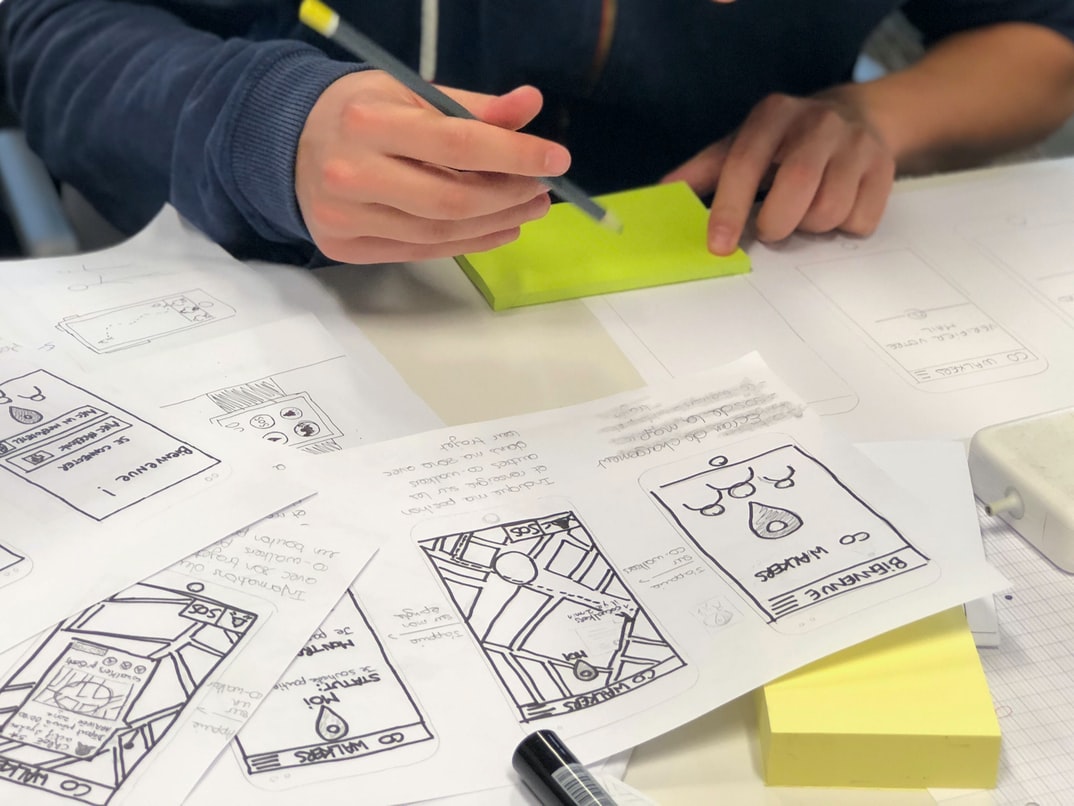
Once you have gathered all the necessary information about the project’s requirements and goals, you will begin creating sketches and draft designs. After getting feedback from clients or creative directors, you will refine your designs until they meet their specifications. Graphic designers may also be responsible for selecting images or photographs to use in their designs.
In addition to creating visuals, graphic designers must also be skilled at using various software programs like Adobe Photoshop and Illustrator. They should also stay up-to-date with industry trends in design technology so they can produce cutting-edge work that is relevant to today’s demands. Finally, they must ensure that all projects are completed within deadlines while maintaining high-quality standards.
Graphic Design Career Typical Day Of A Graphic Designer
A typical day for a graphic designer involves working with various design software and tools to create visually appealing designs. This includes designing logos, brochures, websites, social media posts, packaging and other marketing collateral. The designer must be able to conceptualize design ideas based on the client’s needs and industry trends.
In addition to creating visual designs, graphic designers also need to communicate with clients or team members about their projects. They may have meetings to discuss project briefs, present design concepts, or receive feedback on their work. Scheduling and managing deadlines for multiple projects is also a crucial part of their daily routine.
A strong foundation in graphic design principles and visual communication is essential in this role. Graphic designers should have a good understanding of colour theory, typography, composition and layout techniques. They should also stay up-to-date with the latest design trends by attending workshops or online courses that focus on mastering new software programs such as Adobe Creative Suite or Sketch.
Career Options In Graphic Design
Graphic design is a field that has been gaining popularity in recent years due to the rise of digital media. In graphic design courses, students learn about various aspects of visual communication, such as colour theory, typography, and layout design. They also develop skills in software programs like Adobe Photoshop and Illustrator to create visually appealing designs for web or print.
As for career options within the field of graphic design, there are many paths one can take. A person can work as an in-house designer for a company or organization, creating designs for their marketing materials or products. They could also work at an advertising agency where they would be responsible for creating designs that meet client’s needs and promote their brand image.
Lastly, some graphic designers choose to become freelancers who work on projects independently. This allows them to have control over their own schedule and choose which projects they want to take on. Regardless of the path chosen within graphic design, it is essential that designers possess strong communication skills and creativity to succeed in this competitive industry.
Graphic Design Profession
In graphic design and visual communication, you learn the fundamentals of design theory and how to apply it in practice. You’ll study basic art principles such as colour theory, composition, typography, and contrast. These concepts are essential for creating visually appealing designs that effectively communicate a message or brand identity.
As you progress through your studies, you’ll also learn how to use various software programs like Adobe Creative Suite to create digital designs. You’ll be introduced to industry-standard tools such as Photoshop, Illustrator, and InDesign. The skills gained from these programs will prepare you for real-world projects in designing logos, brochures, websites, advertisements and more.
In addition to technical skills development, graphic design education also teaches students the importance of understanding their audience when creating visual communications. This includes developing an understanding of user experience (UX) design principles which focus on creating intuitive interfaces that allow users to easily navigate digital products or services. Overall a certification in Graphic Design provides numerous opportunities for those seeking careers in creative fields along with personal growth and development within the arts field.
Graphic Designer Jobs
Graphic design and visual communication is a vast field that involves various aspects such as typography, colour theory, branding, art direction, and more. Formal education in graphic design typically includes learning software applications like Adobe Creative Suite or Sketch to create designs for print and digital media. Additionally, students learn the principles of design, like composition, balance, hierarchy, and contrast, to create effective layouts.
With a certificate in graphic design or visual communication, you can find various job opportunities in multiple industries, such as advertising agencies, publishing houses, product packaging companies, and web development firms, among others. The roles in these industries include graphic designers who are responsible for creating logos and brand identities for businesses; art directors who oversee the overall look of websites or print publications; UX/UI designers who work on the user interface of digital products like apps or websites; motion graphics designers who create animations for ads or videos.
In conclusion, being a graphic designer requires not only creativity but also technical skills and knowledge about the different disciplines within visual communication. However, it does offer many career options across a range of fields, from traditional print media to modern-day website development.
Studying To Become A Graphic Designer
In graphic design and visual communication, you will learn a variety of skills that will help you create effective designs. You’ll start by learning the basics of design theory, including colour theory, typography, and layout. From there, you’ll move on to more advanced techniques like branding and identity design.
One critical aspect of graphic design is understanding how to use software tools such as Adobe Photoshop, Illustrator or InDesign effectively. These applications are essential for creating professional-quality designs that meet industry standards. As a result, most academic programs in graphic design require students to master these applications before graduation.
Along with technical proficiency in software tools, it’s also essential for aspiring designers to develop their creative problem-solving abilities. The best designers understand how to balance functionality with visual aesthetics while still meeting client needs and objectives. By honing your critical thinking skills and developing an eye for good composition and colour palette selection, you can set yourself apart from other designers in this competitive field.
Skills Needed To Be A Graphic Designer
Graphic designers are visual communicators who use their creativity and technical skills to create designs that communicate a message effectively. To become a successful graphic designer, there are several key skills that one must possess. Firstly, good communication skills are essential as the role of a graphic designer is to visually communicate information in an effective way. This requires the ability to understand client needs and translate them into compelling visuals.
Secondly, proficiency in design software such as Adobe Photoshop and Illustrator is crucial for creating high-quality designs. Graphic designers must also be skilled in typography, colour theory, and layout design principles to create visually appealing designs.
Lastly, creative problem-solving skills are important for graphic designers when they encounter challenges or limitations during the design process. They need to be able to think outside the box and come up with innovative solutions that will meet both aesthetic and functional requirements.
Overall, studying graphic design provides students with a strong foundation in these skills leading them to become proficient visual communicators capable of designing effective visual messages for various mediums like print media or digital platforms.
Graphic Design Vs Web Design
In graphic design, students learn the principles of art and design, colour theory, typography, and layout. They also study computer software programs such as Adobe Photoshop and Illustrator to create various designs such as logos, posters, brochures, and packaging. Graphic designers aim to communicate a message through visually appealing designs that attract the target audience.
On the other hand, web design involves designing websites with a focus on user experience (UX) and user interface (UI). Web designers use programming languages like HTML, CSS, and JavaScript along with software programs like Adobe Dreamweaver to create functional websites. They also consider factors like website speed optimization for better performance on different devices. In web design courses or certificates, students learn about responsive design techniques that help websites adapt to different screen sizes.
In conclusion, both graphic design and web design require creativity but are distinct fields with their specific set of skills needed for success in each industry.
Graphic Design Vs Digital Illustration
Graphic design and digital illustration are two of the most crucial components of visual communication. They both play a significant role in creating various forms of artwork, from logos to book covers and everything in between. While they share some similarities, there are also notable differences between these two fields.
Graphic design is more focused on arranging visuals and text in a way that communicates effectively with the audience. It involves using typography, colour theory, and layout techniques to create designs that convey specific messages. On the other hand, digital illustration is all about creating visual representations of concepts or ideas using digital tools like Photoshop or Illustrator. It requires a great deal of creativity and imagination to come up with unique illustrations that capture the essence of the message being conveyed.
In conclusion, both graphic design and digital illustration are important skills for any aspiring artist or designer to learn. Whether you want to create stunning print materials or engaging social media content, understanding the differences between these two fields will help you make informed decisions about which areas to focus on as you develop your skills in visual communication.
Graphic Design Vs Application
Graphic design and application both have their own unique skill sets and areas of focus. In graphic design, you learn the principles of design, colour theory, typography, and layout. You also learn how to use software programs like Adobe Photoshop or Illustrator to create visually appealing designs for print or digital media. Graphic designers often work on creating logos, brochures, posters, website designs or any other visual communication material.
On the other hand, application development involves learning programming languages such as HTML/CSS/JavaScript to build websites and mobile applications. Application developers focus on functionality rather than aesthetics but still require a basic understanding of design principles for creating user-friendly interfaces.
Both graphic design and application development are crucial parts of building an excellent user experience. While a graphic designer focuses more on the visual aspects of a product or service, an application developer focuses on developing interactive features that make it easy for users to navigate through the product or website. In conclusion, having knowledge in both fields can help create a well-rounded approach to designing products that look great while still being fully functional.
Graphic Design Vs Motion Graphics
Graphic design and motion graphics are two different fields of visual communication that share common techniques but differ in their application. Graphic design primarily focuses on creating static visuals that communicate a message or a brand’s identity through typography, colour schemes, layout and imagery. On the other hand, motion graphics combines graphic design with animation to create moving visuals for various purposes.
In graphic design courses, students learn how to use software tools like Adobe Illustrator and Photoshop to create designs for print media such as brochures, business cards or packaging. They also learn about typography principles and colour theory to create effective visual messages that convey information efficiently.
In contrast, motion graphics courses teach students how to use software programs like Adobe After Effects or Cinema 4D to enhance storytelling through the use of movement and special effects. Students learn about timing, pacing and sound design in order to produce impactful animations for commercials, films or web content.
In conclusion, both graphic design and motion graphics are important disciplines within visual communication. Graphic designers focus on creating effective static visuals, while motion graphics experts add an extra dimension of movement and interactivity which makes them ideal for modern digital media platforms.
Graphic Design Vs UI UX
Graphic design and UI/UX are both crucial components of digital communication that focus on delivering a compelling visual experience to the audience. While graphic designers primarily deal with creating visually appealing designs, UI/UX designers aim to design interactive interfaces that provide an intuitive user experience.
In graphic design, students learn about typography, colour theory, layout design, branding, and more. They use these skills to create eye-catching visuals that convey a message or evoke emotion in the audience. On the other hand, UI/UX designers emphasize user research and testing to create interfaces that meet users’ needs and expectations while being aesthetically pleasing.
Both fields require creativity and technical skills but differ in their approach. Graphic designers tend to work on static visuals, while UI/UX designers develop dynamic designs that adjust based on user interactions. In conclusion, while there is an overlap between graphic design and UI/UX design skills, they have distinct goals and methodologies for crafting effective visual communication experiences for audiences.
Graphic Design Vs Branding
In graphic design, students learn how to create visual solutions for a variety of communication problems. They are taught the principles of design and how to use various software tools to bring their ideas to life. The focus is on creating visually appealing designs that capture the viewer’s attention and convey a specific message.
Branding, on the other hand, is about creating a consistent image or identity for a company or product over time. It involves developing an overall strategy that includes everything from logos and colour schemes to messaging and advertising campaigns. The goal is to create a strong brand that resonates with customers and sets the company apart from its competitors.
While graphic design plays an important role in branding by helping to create visual elements such as logos, packaging, and advertisements, it is just one part of the larger branding process. Ultimately, successful branding requires not only great design but also strategic thinking and effective communication across all touchpoints with consumers.
Graphic Software Used By Graphic Designers: Adobe Photoshop, Adobe Illustrator, Adobe InDesign
In graphic design, students learn about different software programs that are essential for creating visually appealing designs. Adobe Photoshop is one of the most popular graphic design software used by designers. It is a versatile program that allows designers to manipulate and edit images, create graphics from scratch, and enhance photos with special effects.
Adobe Illustrator is another widely used program in the graphic design industry. It is primarily used for creating vector graphics such as logos, icons, and illustrations. The software’s flexibility allows designers to easily scale their designs without losing quality.
For layout and print design projects, Adobe InDesign is an indispensable tool. This program enables designers to create multi-page documents such as brochures, magazines, and books while maintaining consistency in typography and layout throughout the project.
Having proficiency in these three programs can significantly improve a designer’s skill set when it comes to creating high-quality visual content for various platforms. Mastering these tools will give students an edge in the competitive world of graphic design professionals.
Software Used By Web And App Designers: Figma, WordPress, Elementor.
As a copywriting assistant, it’s important to understand the various software used by web and app designers. One of the most popular tools in this field is Figma, which allows designers to create and collaborate on designs in real time. With its intuitive interface and powerful features, Figma has become the go-to choice for many design professionals.
Another widely-used tool among web and app designers is WordPress. This content management system (CMS) allows users to easily create and manage their own websites without any coding knowledge. It also boasts a wide range of plugins and themes that can be customized to fit any style or functionality.
Elementor is another popular software used by web designers as it enables them to create custom layouts, templates, and widgets for WordPress sites without having to write any code. With its drag-and-drop interface, Elementor makes it easy for designers to build visually stunning websites that are both functional and user-friendly. Overall, these three tools are essential for anyone looking to excel in graphic design and visual communication today.
Motion Graphics
Motion graphics is a rapidly growing field in graphic design and visual communication. It involves creating animated visuals that tell a story or convey information through movement, sound, and text. In order to master motion graphics, designers must have a strong foundation in traditional graphic design principles such as typography, colour theory, and composition.
In addition to technical skills like animation software proficiency and video editing capabilities, motion graphics professionals must also possess strong storytelling abilities. They need to be able to conceptualize ideas from scratch and turn them into compelling stories that engage their audience. This requires a keen understanding of pacing, rhythm, timing, sound effects, voiceover work and music selection.
Overall, mastering motion graphics requires both technical expertise and creative vision. With the right combination of skills and experience, designers can create stunning animated visuals that captivate audiences across various platforms, including social media ads, explainer videos for businesses or even full-length feature films.
Motion Graphics After Effects
Motion graphics and After Effects are crucial skills for anyone pursuing a career in graphic design and visual communication. Motion graphics refers to the use of animation, video, and other types of moving images to convey a message or tell a story. It is an essential aspect of modern marketing, advertising, and branding campaigns.
After Effects is one of the most widely used software programs for creating motion graphics, it offers an extensive range of tools and features that allow designers to create sophisticated animations with ease. Some of these features include keyframe animation, 3D modelling capabilities, motion tracking, compositing options, and much more.
By mastering motion graphics and After Effects as part of their graphic design education, students can add value to their skill set and increase their employability in the industry. With these tools under their belt, designers can create visually stunning and engaging content that captures the audience’s attention while conveying important messages effectively.
Digital Illustration
One of the most exciting and dynamic fields in graphic design is digital illustration. This field combines traditional drawing techniques with cutting-edge digital tools to create stunning visual designs. In a course on graphic design and visual communication, students can expect to learn the fundamental principles of digital illustration.
Digital illustration courses can teach students how to use software like Adobe Illustrator and Photoshop to create vector graphics, 3D modelling, and realistic textures. They will also learn about composition, colour theory, typography, and other essential elements that makeup quality designs. Additionally, students will gain an understanding of industry standards for print and web-based graphics.
Overall, digital illustration is a critical component of modern graphic design practice. By mastering this skill set in a certification course in graphic design and visual communication, aspiring designers can build impressive portfolios that showcase their talents as illustrators while also mastering vital creative skills necessary for success in the field.
What is a graphic designer portfolio?
A graphic designer portfolio is a collection of samples that showcase the skills and creativity of a graphic designer. This portfolio can include a range of visual materials, such as logos, posters, brochures, websites, social media graphics, and more. Portfolios are often used to demonstrate an individual’s strengths in particular areas or to show their overall versatility.
In graphic design and visual communication courses, students learn how to create visually compelling designs that communicate messages effectively. They develop skills in typography, colour theory, layout design, and image editing software like Adobe Photoshop and Illustrator programs. Students are taught how to think creatively and develop fresh ideas while also adhering to client briefs or brand guidelines. Through project-based learning activities such as designing logos for fictional companies or creating mock-up ad campaigns for popular brands, students build up their portfolios with practical experience in various design fields before entering the professional world, where this skill set can be applied to real-life projects.
A well-curated graphic designer portfolio not only demonstrates technical mastery of different tools but also showcases one’s style and creative vision, which sets one apart from others in the industry and ultimately helps one land clients or job offers they desire most. It is essential for any aspiring graphic designer to work on building their own creative identity by showcasing past successful projects while keeping up with current trends in the industry through exposure to established designers’ work online or attending local events related to art/design communities around you.









