

What Are The Advantages And Limitations Of Using Tools Like Adobe Photoshop Or Illustrator? – How graphic design and visual communication can help you improve your business
As a small business owner, it is easy to overlook the importance of graphic design and visual communication in your marketing efforts. However, investing in these areas can significantly improve your brand’s image and customer engagement. In graphic design, you learn how to use typography, colour theory, and composition to create visually appealing designs that communicate your message effectively.
Visual communication involves the use of images, videos, and other visual elements to convey information or ideas. By incorporating visuals into your marketing materials, such as social media posts or website content, you can capture people’s attention and leave a lasting impression on them. This can increase brand recognition, attract new customers and ultimately boost sales.
Moreover, proper branding through consistent visual communication helps build trust with your audience by creating a unified image of your business across all platforms. Investing in graphic design and visual communication may seem like an unnecessary expense at first, but it could set you apart from competitors in the long run.
The different types of graphic design
Graphic design is a highly creative field that encompasses various types of design styles. One of the most common types is branding and identity design, which involves creating visual identities for businesses or organizations. This may include designing logos, business cards, letterheads, and other marketing materials that are unique to the company’s brand.
Another type of graphic design is a web design, which focuses on creating websites that are both visually appealing and functional. Web designers use typography, imagery, colours, and layouts to create engaging websites that are easy to navigate.
Print design is another popular type of graphic design that involves designing materials such as brochures, posters, billboards, book covers, and product packaging. Print designers work closely with printers to ensure their designs translate well onto paper or other physical media.
In conclusion, graphic designers learn how to create impactful designs using different elements such as typography, colour palettes or imagery. The different types of graphic design open up diverse opportunities for them in the industry so they can specialize in a particular area depending on their interests or passions.
Graphic design principles
Graphic design principles are the foundation of visual communication. They are fundamental concepts that graphic designers use to create effective designs. There are many principles, but some of the most important ones include balance, contrast, hierarchy, and alignment.
Balance is the distribution of visual weight in a design. It can be symmetrical or asymmetrical and helps create harmony in composition. Contrast refers to the difference between elements such as colour, size, or texture. It adds interest and emphasis to a design. Hierarchy is the organization of information based on importance or order of importance. It guides the viewer’s eye through a design and helps them understand its message. Alignment is how elements in a design are positioned relative to one another. It creates structure and unity.
By understanding these principles and applying them effectively, graphic designers can create visually appealing designs that communicate their intended message clearly and effectively. Whether it’s designing logos, posters, brochures or websites, these principles play an essential role in every aspect of graphic designing to deliver compelling visuals that resonate with audiences across mediums!
Design thinking: How to use design thinking to improve your product or service
Design thinking is a creative problem-solving approach that focuses on understanding people’s needs, challenges, and desires. It is an iterative process that involves empathy, ideation, prototyping, and testing to create innovative solutions. By applying design thinking principles to your product or service, you can improve its user experience and increase customer satisfaction.
Firstly, design thinking encourages you to empathize with your customers by observing their behaviour and listening to their feedback. This helps you understand their pain points and identify opportunities for improvement. Secondly, it stimulates brainstorming sessions where diverse perspectives are welcomed to generate new ideas. These ideas are then refined into prototypes which can be tested with users before implementation in the real world.
Finally, design thinking advocates for continuous iteration based on feedback from users throughout the development process. This ensures that the final product or service meets the needs of its intended audience effectively. Therefore graphic designers should learn about design thinking because it helps them develop better solutions to visual communication problems using a human-centred approach.
In summary, Design Thinking offers a powerful framework for improving products or services through innovation while keeping user needs at heart.
Visual communication: How to create effective visuals that communicate your message
In graphic design and visual communication, you learn how to create effective visuals that communicate your message. Visuals are an essential part of any marketing campaign or branding strategy, as they help convey information in a more engaging and memorable way than text alone. To create effective visuals, it’s important to consider the purpose of the communication and the target audience.
One key aspect of creating effective visuals is choosing the right images or graphics that align with your message. You want to use high-quality images that are relevant to your brand and resonate with your target audience. Additionally, you should pay attention to colour schemes, fonts, and layout to ensure that everything is cohesive and visually appealing.
Another important consideration is the use of visual hierarchy – this refers to the arrangement of elements on a page in order of importance. This can be achieved by using size variations for headings, bolding or italicizing key phrases, or using different colours or shapes for emphasis. By implementing these strategies in your designs, you can create visuals that effectively communicate your message while also capturing attention and engaging your audience.
Art direction: How to choose the right art style for your project
One of the key elements of graphic design and visual communication is art direction. It involves choosing the right style, colour palette, typography and other visual aspects that will best convey your message to your audience. When selecting an art style for a project, it’s important to consider various factors such as the target demographic, brand identity, message tone and medium.
The first step in choosing an art style is understanding your target audience. What appeals to them? What type of visuals do they typically gravitate towards? Answering these questions will help you narrow down your options and select an appropriate style. Additionally, the tone and message of your project should be reflected in the chosen art style. For example, if you’re designing for a serious topic like financial planning, a playful, cartoonish art style may not be suitable.
Finally, it’s important to keep in mind how the chosen art style will translate across different mediums – print, digital or even physical spaces like billboards or murals. A busy or intricate design may work well on a large canvas but could become visually overwhelming when reduced in size for smaller formats like business cards or social media graphics.
In summary, selecting an appropriate art style is one of the most critical aspects of successful graphic design and visual communication. It requires careful consideration of various factors, including target audience demographics, messaging tone and medium translation capabilities, among others.
Typefaces and typefaces: How to choose the most appropriate typeface for your project
In graphic design and visual communication, the choice of typeface is crucial in conveying the right message to your audience. When choosing a typeface, you need to consider several factors, including legibility, readability, style, mood, and tone. You also need to consider the target audience and purpose of your project.
One way to choose an appropriate typeface is by considering its intended use. For instance, if you are working on a logo design for a law firm or government agency, you may want to use a serif font as it conveys authority and seriousness. On the other hand, sans-serif fonts are more modern and can be used for tech-related projects or anything that requires a clean look.
Another factor to consider when choosing an appropriate typeface is its legibility. Legibility refers to how easy it is for readers to distinguish individual letters in text blocks of different sizes. In general, good typography should be readable at any size without losing clarity or becoming illegible. Considering these factors when selecting a typeface for your project will ensure that your message comes across clearly while maintaining proper design aesthetics.
What Skills Are Needed To Get Started With Graphic Design?
Graphic design is a field that requires creativity, technical skills, and an eye for detail. One of the most important skills needed to get started with graphic design is proficiency in software like Adobe Photoshop, Illustrator or InDesign. These programs are essential tools for creating graphics and layouts.
Another crucial skill required is the ability to understand colour theory and typography. A basic understanding of how colours work together can help you create aesthetically pleasing designs that catch the viewer’s attention. Typography, on the other hand, involves selecting appropriate fonts and typefaces that convey the intended message effectively.
Lastly, having a strong sense of composition and layout is important when it comes to creating effective designs. This means knowing how to arrange elements on a page so that they not only look good but also communicate your message clearly to your audience. All these skills can be honed through practice, experimentation and taking courses in graphic design or visual communication.
How Can I Develop A Personal Style In Graphic Design?
In graphic design and visual communication, you learn about the fundamental principles of design, such as colour theory, typography, composition, and layout. These principles provide a solid foundation for creating visually appealing designs that effectively communicate the intended message. However, developing a personal style in graphic design involves going beyond these basics.
To develop a personal style in graphic design, it is essential to explore different design styles and techniques. This can be done by analyzing the work of other designers who have developed their own unique styles or experimenting with various design elements to create something that is uniquely yours.
Another important aspect of developing a personal style in graphic design is identifying your strengths and weaknesses as a designer. By recognizing what you excel at and what areas need improvement, you can focus on honing your skills and creating designs that showcase your strengths while working on improving weaker areas. With time and dedication to exploring different approaches to design, you can develop a signature style that sets you apart from other designers in the industry.
What Software Should I Use For Creating Graphics?
Graphic design and visual communication are essential skills for marketers, businesses, and designers who want to create visually appealing content. When it comes to creating graphics, there are various software options available that cater to different levels of expertise and budgetary requirements. One popular option is Adobe Photoshop, which is widely used by professionals due to its advanced tools and capabilities. Photoshop allows users to create high-quality images with intricate details and effects.
Another popular software option for graphic design is Canva, which offers a user-friendly interface that makes it easy for beginners to get started. Canva provides an extensive collection of pre-designed templates that can be customized according to individual preferences. In addition, the platform has several features, such as photo editing tools and social media templates, that make it a one-stop-shop for all your graphic design needs.
For those looking for free software options, GIMP (GNU Image Manipulation Program) is an open-source image editor similar in functionality to Photoshop but without the cost. GIMP has a plethora of features, including retouching tools, colour adjustment layers and more. Overall when choosing software for graphic design, you should consider the level of experience you have with image editors along with your budgetary constraints before deciding on what program will work best for you.
How Do I Decide Which Projects Are Worth Pursuing As A Graphic Designer?
As a graphic designer, it’s important to be selective about the projects you pursue. While it can be tempting to say yes to any opportunity that comes your way, taking on the wrong project can lead to frustration and burnout. One of the first things you should consider when deciding whether or not to take on a new project is its potential for growth. Will this project help you develop new skills or expand your portfolio? If not, it might not be worth your time.
Another factor to consider is whether or not the project aligns with your personal values and interests. Working on projects that inspire you and that align with your values will make work more enjoyable and fulfilling in the long run. Additionally, it’s important to assess whether or not the client is a good fit for you personally. Are they respectful of your time and expertise? Do they communicate well? Taking on clients who are difficult to work with can lead to unnecessary stress.
In conclusion, taking on any project as a graphic designer should never be taken lightly. It involves careful consideration of various factors such as the potential for growth, alignment with values/interests as well as client compatibility, amongst other things. By being selective about which projects you choose to pursue, you’ll be able to focus more intently on producing high-quality work while preserving both creativity & productivity levels over time!
Are There Particular Techniques Or Tips Used In Beginner’s Graphic Design?
As a beginner in graphic design, there are several techniques and tips that can help you get started. One of the most important things to keep in mind is to focus on the basics. Understanding the principles of design, such as colour theory, typography, and composition, is crucial in creating effective visuals.
Another important tip for beginners is to experiment with different software and tools. There are various graphic design programs available such as Adobe Photoshop, Illustrator, and InDesign, that offer different features and functions. It’s essential to find what works best for your personal style and needs.
Finally, it’s important to stay inspired by exploring other designers’ work through online resources such as Behance or Dribbble. Study their designs to gain inspiration on how they use colours, fonts, shapes and images in their work. By immersing yourself into the world of graphic design through learning basic principles and exploring other designers’ work, you’ll be off to a good start towards improving your skills in visual communication.
Are There Any Good Books To Read To Get Started With Graphic Design?
Learning graphic design and visual communication requires a lot of time, effort, and dedication. However, there are several good books that can help beginners get started with the basics of graphic design. One such book is “Graphic Design School: The Principles and Practice of Graphic Design” by David Dabner, Sandra Stewart, and Eric Zempol. This book covers all the essential concepts that every beginner should know to become proficient in graphic design.
Another excellent book for beginners is “Thinking with Type: A Critical Guide for Designers, Writers, Editors & Students” by Ellen Lupton. This book focuses on typography and how it plays a crucial role in graphic design. It provides an in-depth understanding of the various types of fonts and how to use them effectively.
Finally, “The Non-Designer’s Design Book” by Robin Williams is an excellent resource for beginners who want to learn about basic design principles without getting too technical or complicated. This book explains the fundamental concepts like contrast, alignment, repetition, and proximity that designers use to create visually appealing designs.
In conclusion, while these books won’t make you an expert overnight, they will provide a solid foundation for anyone looking to start their journey into the world of graphic design.
To Learn The Basics of Graphic Design
Graphic design and visual communication encompass a wide range of skills, techniques, and theories. It is essential to learn the basics before mastering more complex concepts. Graphic design basics include understanding colour theory, typography, composition, and layout.
Colour theory is foundational in graphic design because it allows designers to communicate emotions and messages effectively. Understanding how colours interact with each other can help create a harmonious or contrasting palette that enhances the message’s overall impact.
Typography plays an important role in graphic design as it conveys information through text. Choosing the right font for a project can dramatically change the tone of the message being communicated. A designer must understand how fonts’ shapes and sizes work together to achieve a cohesive look.
Composition refers to arranging elements within a design space. Designers use visual hierarchy principles such as size, contrast, proximity, alignment, repetition, and white space to create balance within their designs. This skill helps make sure that viewers focus on essential information while still appreciating the overall aesthetic quality of the piece.
What are the fundamentals of design?
In graphic design and visual communication, the fundamentals of design are essential aspects that you will learn. These fundamentals include colour theory, typography, composition, balance, contrast, hierarchy, and space. Understanding these principles is crucial to creating effective designs that communicate a message effectively.
The colour theory involves understanding how colours work together to create harmony or contrast in your designs. Typography is the study of fonts and their use in conveying meaning through text. Composition refers to arranging elements in a layout so that they work together seamlessly.
Balance is another important principle where you distribute the weight of visual elements evenly across your design. Contrast helps make certain elements stand out while others blend into the background. Hierarchy determines which parts of your design should grab attention first based on their importance or relevance. Finally, space is used to give breathing room for each element within a design.
Overall, mastering these fundamental principles will help you create visually engaging designs that can effectively communicate ideas and messages with little effort from the viewer’s end.
How does colour affect the design layout?
In graphic design and visual communication, colour is one of the most important elements to consider when designing layouts. Colour can evoke emotions, set the tone for a design, highlight important information, or even create contrast. A good designer understands how to use colour effectively to convey meaning and engage their audience.
There are many ways that colour can affect the design layout. For example, using complementary colours (colours opposite each other on the colour wheel) can create a strong contrast that draws attention to key elements in a design. Using analogous colours (colours next to each other on the colour wheel) can create a harmonious look and feel that is easy on the eyes.
The psychology of colour also plays an important role in design. Colours like blue and green can evoke feelings of calmness and relaxation, while red and yellow can be energizing and attention-grabbing. When designing layouts for different purposes or audiences, it’s crucial to consider how different colours may be perceived by viewers in order to achieve the desired effect.
How does typography influence design?
Typography plays a significant role in design as it is the art and technique of arranging type to make written language legible, readable, and appealing when displayed. The choice of typography affects the overall look and feel of a design piece. It can either enhance or diminish the message that is being communicated.
In graphic design and visual communication, students learn about the different types of fonts, such as serif, sans-serif, script, display, and more. They also learn how to choose appropriate font styles for specific design projects based on their target audience and purpose. For instance, if designing an ad for a luxury brand like Tiffany’s or Chanel, one may use a serif font to convey elegance and sophistication.
Moreover, typography helps establish hierarchy within design elements by emphasizing primary messages with larger-size fonts while using smaller sizes for secondary content. This improves readability by drawing attention to essential information first before other details are considered. Ultimately typography influences every aspect of design, from layout choices to colour schemes, thus making it an integral part of any designer’s toolbox.
What different elements make up a successful design process?
The design process is a crucial component of graphic design and visual communication. A successful design process comprises several elements that work together to create visually appealing and effective designs. The first element of the design process is research. This involves gathering information about the target audience, competition, and market trends to inform the design decisions.
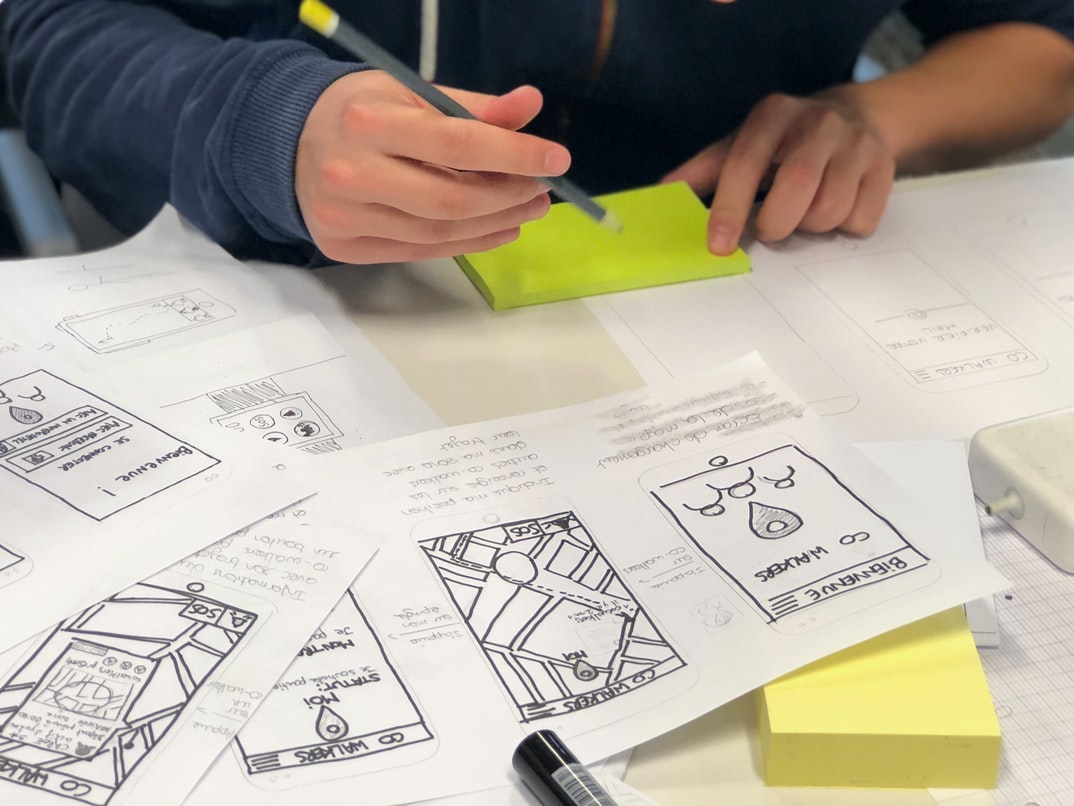
The second element is ideation, which involves generating ideas for the project. Sketching and brainstorming are essential in this phase to refine concepts before creating mockups or wireframes. The third element is prototyping, where designers create low-fidelity prototypes to test usability and functionality before moving on to high-fidelity designs.
The fourth element is a collaboration with stakeholders such as clients or team members for feedback and revisions. This allows designers to receive constructive criticism and make necessary adjustments based on their feedback. Lastly, implementation involves finalizing designs for publication, whether it be print or digital media formats such as websites or mobile apps. In conclusion, a successful design process requires thorough research, ideation, prototyping, collaboration with stakeholders, and proper implementation techniques.
How do light and shadow influence the way designs to look?
In graphic design and visual communication, one of the most crucial elements is understanding how light and shadow influence designs. Light and shadow can create depth, dimensionality, contrast, and texture in a design. It can create a sense of realism or abstraction depending on the intended effect of the designer.
For instance, when creating a logo for a client’s business card, it is essential to consider how light will affect the design since different printing methods can result in different effects. A flat logo design with no shadows or highlights may appear dull compared to one with subtle shading that creates depth and dimensionality.
Similarly, when designing a website or an advertisement for print media, understanding how light falls on objects, such as shapes and text, can make them more visually appealing to viewers by creating focal points that draw their attention towards critical information.
In conclusion, light and shadow are vital considerations in graphic design that contribute significantly to how designs look, which ultimately influences its impact on audiences’ perception. Therefore it is important for designers to have knowledge about lighting techniques so they can create effective designs that communicate effectively with their audience.
Are there specific principles of composition that should be followed when designing?
When it comes to designing, there are several principles of composition that should be followed. The first principle is balance, which refers to the distribution of elements within a design. A well-balanced design creates harmony and stability and can be achieved through symmetry or asymmetry.
Another principle is contrast. Contrast adds visual interest by creating differences in colour, size, shape, texture or value between elements in a design. This can help guide the viewer’s eye and create hierarchy within the composition.
Finally, there is the emphasis or focal point. This principle creates an area of focus within a design that draws the viewer’s attention. It can be achieved through techniques such as colour contrast or using larger typefaces for headlines.
In graphic design and visual communication courses, students learn these principles along with other essential techniques, such as typography and colour theory, to create designs that effectively communicate ideas and messages to their intended audiences. Mastery of these principles allows designers to create visually appealing works while also ensuring they remain effective at communicating their message clearly.
What are the roles of balance and contrast when constructing a layout?
Balance and contrast are two key elements that play a significant role when constructing a layout in graphic design and visual communication. Balance refers to the even distribution of elements within the design space, creating a sense of harmony and stability. It can be achieved through symmetry, asymmetry or radial balance. A well-balanced layout ensures that no single element dominates or overshadows others, allowing for an easy flow of information.
Contrast, on the other hand, is all about making certain elements stand out from the rest. This can be done by using different colours, sizes or shapes to create visual interest and grab the viewer’s attention. Contrast is important because it allows for differentiation between different areas of information within a layout while maintaining a cohesive overall look.
When used effectively together, balance and contrast help to create an aesthetically pleasing composition that delivers information in an organized and effective way. These principles are key learnings in graphic design and visual communication as they are essential tools for creating impactful designs that communicate messages clearly to their intended audience.
How can using white space help create a more aesthetically pleasing design?
When studying graphic design and visual communication, one of the fundamental principles taught is the use of white space. White space refers to the empty or negative space around a design element. It is not necessarily white in colour but rather any colour or texture that does not have any content or visual elements.
White space plays an essential role in creating a visually appealing design as it helps to create balance and harmony between different design elements. It allows for easier legibility and comprehension of the content displayed on your website or printed material as it breaks up busy areas with blocks of text or images.
Moreover, white space can help direct attention towards specific parts of a design by creating focal points where they are needed most. It also leads to better readability and improved user experience by making it easy for readers to navigate through your content without feeling overwhelmed. Overall, using white space effectively can help elevate your designs and make them more aesthetically pleasing while also improving their functionality.
Visual Communication Vs Graphic Design
In graphic design, students learn the technical skills and principles of creating visual designs for different mediums such as print, web or multimedia. They learn about typography, colour theory, composition and layout to create visually appealing designs that communicate a message effectively. Graphic designers use software like Adobe Photoshop and Illustrator to create graphics for various projects.
Visual communication focuses on understanding how people interpret visual information and how it can be used to convey a message effectively. It involves studying the psychology of perception, semiotics (the study of signs), cultural context and aesthetics. Students in visual communication courses learn how to create visuals that communicate complex ideas with clarity avoiding confusion or misinterpretation.
In summary, graphic design is more focused on creating visually stunning designs using digital tools, while visual communication encompasses a wider range of disciplines, including psychology, anthropology and sociology, in addition to design principles.
Visual Communication Vs Web Design
In graphic design and visual communication, you will learn how to create visually appealing designs that communicate a message effectively. Visual communication encompasses the use of images, typography, colour, and other design elements to convey information to an audience. On the other hand, web design involves creating websites that are functional and user-friendly while also being visually compelling.
While both fields involve creating designs that are aesthetically pleasing, there is a significant difference between visual communication and web design. Visual communication focuses on creating designs for various mediums like print ads or billboards, while web design is centred around designing for websites. Additionally, in web design, you must consider factors like responsive design and user experience as it affects how users interact with your website.
In conclusion, mastering the skills required in either field requires an understanding of key concepts such as layout composition or colour theory. However, visual communication and web design each have their own unique set of challenges that require specific skill sets to overcome successfully. Nonetheless, both fields require creativity combined with technical expertise to create effective designs that meet clients’ needs.
Visual Communication Vs UI UX
Visual communication and UI UX are two important concepts in the field of design. Visual communication encompasses various aspects such as typography, colour theory, composition, and image-making. It is all about creating a visual language that effectively communicates a message to the audience. On the other hand, UI UX involves designing interfaces that optimize user experience, making sure that users can easily navigate through digital products.
In graphic design and visual communication courses, students learn how to create engaging visuals by understanding different design elements like balance and contrast. They also learn how to use these elements in combination with typography and imagery to evoke emotions from their target audience. In contrast, UI UX courses focus on designing digital products with an emphasis on user research to determine what users need and ensure it’s easy for them to interact with the product.
Overall, while both visual communication and UI UX are critical components of design, they have different focuses within the realm of design education. Understanding both disciplines is important for any designer because it enables them to communicate messages in aesthetically pleasing ways while also ensuring usability for users who will interact with their work digitally.
Graphic Design And Branding
In graphic design and branding, it is important to learn the art of visual communication. Visual communication involves creating a message through the use of images, typography, colour, and other design elements. As a designer or branding expert, you need to understand how to communicate your client’s message effectively to their target audience. You also need to be able to create designs that appeal to your target market.
In addition to visual communication skills, graphic designers and branding experts also need technical skills such as proficiency in Adobe Creative Suite programs like Photoshop, InDesign or Illustrator. These tools are essential for creating high-quality designs that meet industry standards. It’s also important for designers and branding experts to have an understanding of brand strategy; this includes identifying target audiences and developing a unique brand identity that sets their clients apart from competitors.
Overall, studying graphic design and branding provides you with the knowledge you need to excel in the creative industry while helping businesses establish themselves visually in the marketplace.
Visual Communication And Branding
In the world of branding, visual communication plays a vital role in creating brand awareness and recognition. Graphic design and visual communication courses teach students how to effectively use typography, colour theory, composition, and other design elements to convey messaging through visuals. Through these courses, students learn how to create designs that look not only aesthetically pleasing but also communicate important information about the brand.
Additionally, branding is not just limited to logos or packaging design; it encompasses all aspects of a company’s visual identity. This includes website design, social media graphics, advertising campaigns, and even employee uniforms. With a strong understanding of visual communication principles learned through graphic design courses, professionals can develop cohesive and impactful brand identities across all touchpoints.
Ultimately, mastering visual communication as it relates to branding is crucial for any business looking to establish itself in today’s competitive market. A well-designed brand identity can signal trustworthiness and credibility while also creating an emotional connection with customers. By investing time into learning the principles of graphic design and visual communication within branding contexts – professionals will be able to create more effective campaigns that resonate with their target audience.
Graphic Software Used By Graphic Designers: Adobe Photoshop, Adobe Illustrator, Adobe InDesign
Graphic design and visual communication are two essential fields that require specific skills and knowledge to create stunning, visually appealing designs. One of the most important aspects of graphic design is knowing which software to use for different projects. Adobe Photoshop, Adobe Illustrator, and Adobe InDesign are three popular software programs used by graphic designers worldwide.
Adobe Photoshop is an image editing software preferred by many graphic designers for its versatility in editing images. It provides a range of tools to make changes like cropping, resizing, colour-correction, background removal or replacement, and adding filters & effects on photographs or digital artwork. On the other hand, Adobe Illustrator focuses on creating vector graphics that can be scaled up or down without losing quality because they are created using mathematical equations instead of pixels. It’s particularly useful when designing logos or illustrations that need to be printed in different sizes.
Lastly, Adobe InDesign is used mainly for layout design, such as creating brochures, magazines or books with multiple pages where you need to arrange text in columns and paragraphs while integrating images & illustrations seamlessly within your work. Its main feature includes managing typography stylesheets consistently throughout your project.
Overall, learning how this Graphic software works together enables designers to produce high-quality designs quickly, regardless if it’s a personal project or client-based work.
Software Used By Web And App Designers: Figma, WordPress, Elementor.
In graphic design and visual communication, students learn various software tools that are commonly used in the industry. One such tool is Figma, a web-based design tool that allows designers to collaborate in real time with other team members. It offers features such as vector editing, prototyping, and the ability to create responsive designs for multiple devices.
Another popular software tool used by web and app designers is WordPress. It is a content management system that enables users to create websites without needing extensive coding knowledge. With the help of plugins and themes, designers can customize their websites according to their specific needs.
Elementor is another software tool that has recently gained popularity among web designers. It is a drag-and-drop page builder plugin for WordPress that allows users to build custom website designs quickly and easily. Its intuitive interface makes it easy for beginners to get started with designing their own websites without any coding experience required.
Motion Graphics
Motion graphics is a valuable skill in the world of graphic design and visual communication. It involves creating animations, videos, and other multimedia content that combine text, images, and sound to tell a compelling story. By mastering motion graphics, designers can bring their designs to life and create engaging content that captures the attention of audiences across various platforms.
In graphic design courses focused on motion graphics, students learn how to use software such as Adobe After Effects and Cinema 4D to create animations with different effects like particle systems or 3D motion tracking. They also learn how to add music and sound effects to enhance the storytelling aspect of their creations. These courses emphasize both technical skills and artistic vision so that students can develop their own unique style while executing complex animation projects.
For visual communication professionals who want to stay ahead in an ever-changing industry, learning motion graphics is essential because it allows them to offer clients more dynamic solutions for their brand messaging needs. Whether it’s creating animated explainer videos or designing visually stunning social media campaigns, those who master motion graphics have limitless possibilities when it comes to creating impactful content that resonates with audiences.
Motion Graphics After Effects
In graphic design and visual communication, Motion Graphics After Effects is a key tool that designers use to create compelling and engaging multimedia content. This software enables users to add motion and animation effects to various types of media, such as pictures, videos, text, and sound files. With Motion Graphics After Effects, designers can produce stunning visuals with dynamic transitions and effects that captivate the audience’s attention.
Moreover, this software has made it possible for designers to create complex animations easily. They can manipulate multiple layers of objects simultaneously without affecting other layers in the composition. The program also provides a wide range of pre-built templates designed for different purposes, such as social media ads or explainer videos. These templates help users save time by providing ready-made designs which they can customize according to their needs.
In addition, Motion Graphics After Effects is also useful in creating 3D animations with its built-in camera features that simulate real-world movements. Designers have access to numerous plugins compatible with this program which further extends its capabilities beyond just traditional motion graphics rendering. Ultimately, learning how to use Motion Graphics After Effects is essential for anyone pursuing a career in graphic design or visual communication today due to its versatility and impact on modern-day digital media production trends.
Digital Illustration
Digital illustration is a vital aspect of graphic design and visual communication. It involves using digital tools to create drawings, paintings, and other artworks that can be used in various media. With digital illustration, designers can produce high-quality visuals that are not only aesthetically pleasing but also communicate specific messages.
As part of graphic design and visual communication studies, students learn how to use software programs such as Adobe Illustrator or Procreate to create digital illustrations. They also learn the principles of composition, colour theory, and typography, which are essential in creating effective designs.
Moreover, digital illustration plays a crucial role in branding and marketing strategies for businesses. From logos to social media graphics and website designs, digital illustrations have become an essential tool for conveying brand identity visually. Therefore, understanding how to create compelling digital illustrations is a vital skill for any designer or marketer who wants to succeed in today’s fast-paced digital landscape.
Digital Painting
Digital painting is a technique that has been extensively used in graphic design and visual communication. It involves creating digital artwork using software tools such as Adobe Photoshop, Corel Painter, or Procreate. Digital painting allows artists to create stunning illustrations, character designs, and concept art with precision and ease.
In graphic design programs, students learn the techniques of digital painting to develop their skills in creating visually appealing designs. They are taught to use different brushes and textures to create various effects such as watercolour, oil paint or pastel. Students also learn how to work with layers which provides them with greater control when editing their artwork.
The versatility of digital painting also makes it a popular tool in visual communication. Designers can use it to create graphics for websites, logos, posters and other marketing materials. Its ability to produce high-quality images that can be easily manipulated or resized without losing quality makes digital painting an essential skill for any designer looking to succeed in today’s market.
What is a graphic designer portfolio?
A graphic designer portfolio is a comprehensive collection of the artist’s best work. It showcases their creativity, skills, and experience in various fields of design. A well-organized portfolio not only demonstrates the designer’s versatility but also highlights their ability to work on different projects with unique requirements.
In graphic design and visual communication, you learn how to create a strong foundation for your portfolio by developing an eye for detail and understanding the principles of design. This includes mastering typography, colour theory, composition, and layout. You will also gain expertise in using industry-standard software such as Adobe Photoshop, Illustrator and InDesign to create high-quality designs.
A great graphic design portfolio should always be tailored to meet your specific needs as an artist. It should showcase your personal style while still being adaptable enough to cater to various clients’ requirements. Overall, a good portfolio serves as an essential tool for any aspiring graphic designer looking to land freelance or full-time positions in the industry.
What should I include in my portfolio?
Your portfolio is a visual representation of your skills and experience as a graphic designer or visual communicator. Hence, it must include your best works that showcase your proficiency in various techniques such as typography, layout, colour theory, and composition. It should be well-organized and easy to navigate for potential clients who are looking to hire you.
You can begin by selecting pieces that highlight your creative thinking ability and problem-solving skills. Include projects that demonstrate how you have tackled design challenges uniquely. You can also add any awards or recognition received for your work in the industry.
Moreover, including personal projects or passion projects can show off your versatility as a designer while allowing potential clients to see what drives you beyond the professional realm. By showcasing a range of styles and mediums, you can demonstrate adaptability, flexibility, and diversity in your craft. Ultimately, creating an impressive portfolio requires careful consideration of its contents to make sure that it accurately represents who you are as a designer.
What are some tips for designing an effective portfolio?
When it comes to designing an effective portfolio, there are several tips that graphic design and visual communication students should keep in mind. Firstly, the portfolio should be visually appealing and easy to navigate. This can be achieved by using clean layouts, consistent fonts and colours, and high-quality images. It’s also important to organize the work in a logical way, such as by project or medium.
Another tip is to showcase a variety of skills and styles. A good portfolio demonstrates versatility while still maintaining a cohesive aesthetic. Students should include their best work but also consider including personal projects that demonstrate creativity and passion for the field.
Lastly, students should remember that their portfolio is not just about showcasing their work; it’s also an opportunity to tell a story about themselves as designers. Including a brief bio or statement can help potential employers understand their background, goals and values as creative professionals. By following these tips, graphic design and visual communication, students can create portfolios that effectively showcase their skills and personality to potential employers or clients.









