

Are Any Discounts Available If I Sign Up For Multiple Graphic Design Courses At Once? – What do graphic design and visual communication entail?
Graphic design and visual communication are two interrelated fields that involve the use of art, images, text, and other elements to convey messages or ideas. In graphic design, you learn how to create visual content such as logos, brochures, posters, websites, and more. This field requires a combination of technical skills and creativity to create effective designs that communicate the intended message.
Visual communication involves the creation of visuals that convey information in a clear and concise manner. This can include infographics, charts or graphs used in presentations, instructional manuals with illustrations or diagrams etc. In this field, you learn how to make complex information easily understandable through visuals.
Both graphic design and visual communication are important in various industries, from advertising agencies to digital marketing companies. These fields require expertise in software like Adobe Creative Suite (Photoshop/Illustrator/InDesign) as well as an understanding of colour theory/design principles/marketing strategy.
Graphic design: What is it, and how is it used?
Graphic design is the art and practice of creating visual content to communicate information, ideas, or messages effectively. It involves combining typography, images, colours, and other elements to produce designs that are aesthetically pleasing and functional. In today’s digital age, graphic design has become an essential tool for businesses and individuals alike in promoting their products or services.
In a graphic design course, students learn about the principles of design, such as balance, contrast, proportion, and unity. They also learn how to use various software tools like Adobe Photoshop and Illustrator to create graphics for print and web media. Additionally, students gain an understanding of colour theory and its impact on visual communication.
Visual communication is an important part of our daily lives as it influences our decisions consciously or subconsciously. Thus graphic designers play a crucial role in shaping our world by designing logos for brands we recognize immediately; creating book covers that make us want to read more; laying out web pages that are both beautiful and easy to navigate, or designing advertisements that evoke powerful emotions within us. As such, it is no surprise that many institutions offer courses in Graphic Design because it can lead you down different paths, including editorial design, perhaps working with magazines or publishing companies, branding specialists working with companies on rebranding campaigns or marketing material, amongst many other options available!
Visual communication: What are its key concepts?
In graphic design and visual communication, there are several key concepts that designers must understand to create effective designs. One of the most important concepts is colour theory, which involves understanding how colours interact with each other and can be used to evoke different emotions or convey different messages.
Another key concept is typography, which involves selecting the right fonts and arranging them in a visually pleasing way to enhance readability and communicate information effectively. Designers must also understand composition or how elements like text, images, and negative space can be arranged on a page to create balance and hierarchy.
Finally, designers must have a solid understanding of visual hierarchy, which involves using size, colour, contrast, and other design elements to guide the viewer’s eye through a design in a logical order. By mastering these key concepts of visual communication and incorporating them into their work, designers can create compelling designs that effectively convey their intended message.
How to use graphic design and visual communication effectively in your work?
The study of graphic design and visual communication teaches one how to effectively use design elements such as colour, typography, images, and layout to convey a message or idea. It also involves understanding the principles of composition and how to create visually appealing designs that are easy for the audience to comprehend.
One key aspect of using graphic design and visual communication effectively in your work is knowing your audience. By understanding who your audience is and what their preferences are, you can tailor your designs to meet their needs and expectations. For example, if you’re designing an advertisement for a product that appeals primarily to seniors, you might opt for larger font sizes with high-contrast colours.
Another important factor is consistency. In order for visual communication to be effective, it’s crucial that all components of the design – from colour schemes to font choices – work together harmoniously. Consistency helps establish a brand identity while creating a cohesive look across various marketing materials, making it easier for consumers to recognize your brand at a glance.
What Are The Most Popular Applications Of Graphic Design?
Graphic design is a broad field that encompasses various applications, including branding and marketing, web design, editorial design, product packaging, and more. In graphic design courses, students learn to use typography, colour theory, composition techniques and other visual elements to create effective designs.
One of the most popular applications of graphic design is branding and marketing. Companies use graphic designers to create logos, business cards, brochures and other promotional materials that help them stand out from the competition. Graphic designers also work on ad campaigns for billboards or social media platforms.
Another application of graphic design is in web design. Web designers use their skills in typography and layout to create visually appealing websites that are easy to navigate. They also focus on user experience by designing graphics that are optimized for different screen sizes.
In addition to these applications, graphic designers can also work on editorial projects such as magazines or books. They typically work with art directors or editors to ensure that the visuals complement the text and enhance the overall reading experience. Overall, there are many possible career paths within the field of graphic design due to its versatility across industries.
What Skills Do Successful Graphic Designers Possess?
Successful graphic designers possess a combination of technical, creative, and communication skills. Technical skills are essential when it comes to designing and creating graphics. A graphic designer must be able to work with various design software such as Photoshop, Illustrator, Sketch, and InDesign to create visually appealing designs.
Creativity is another key skill that successful graphic designers possess. They should have the ability to think outside the box and come up with unique concepts that can capture the attention of their target audience. Having an eye for detail is also crucial, as even a small mistake can affect the entire design.
Communication skills are equally important in graphic design since designers frequently collaborate with clients, other designers, or other departments within their organization. Being able to articulate ideas clearly and effectively is crucial for ensuring that everyone involved in the project understands what needs to be done. Additionally, having strong interpersonal skills helps build relationships with clients enabling them to communicate their needs more effectively, which results in better collaboration hence better end products.
How Has Technology Revolutionized The Field Of Graphic Design?
One of the most significant ways technology has revolutionized the field of graphic design is through software and tools. The rise of digital platforms like Adobe Creative Suite, Sketch, and Figma has given designers more access to creative software than ever before. This means that designers can create designs faster and more efficiently than ever before. Additionally, collaboration is made easier with these digital tools – designers can easily share their work with clients or team members regardless of location.
Another way technology has impacted graphic design is through the rise of automation tools. These automated tools help streamline repetitive tasks such as resizing images or creating layouts. By automating these tasks, designers can focus on more important aspects of the design process, like creativity and innovation.
Lastly, technology has enabled graphic designers to explore new mediums for creating visual communication. With advancements in virtual reality (VR) and augmented reality (AR), designers can now create immersive experiences that were not possible in traditional media. This opens up new opportunities for brands to connect with customers in unique ways beyond just a static image or a video advertisement.
What Are The Advantages And Limitations Of Using Tools Like Adobe Photoshop Or Illustrator?
As a copywriting assistant, I can say that graphic design and visual communication are essential skills in the digital age. Knowing how to use tools like Adobe Photoshop or Illustrator opens up new opportunities to create amazing artwork, illustrations, logos, and marketing materials.
However, using these tools also has its limitations. For one, not everyone has access to such advanced software due to its cost. Additionally, some designers may find it challenging to learn how to use these tools optimally without proper training or experience. Moreover, some designs created through the software may end up looking generic or uninspired since many other people also have access to the same templates and effects.
Overall, while the advantages of using Adobe Photoshop or Illustrator are vast for graphic designers and visual communicators alike – including access to a broad range of features and functionalities – there are still limitations that must be taken into account when creating quality content.
Are There Any Additional Software Packages I Should Be Aware Of To Further My Career In Graphic Design?
As a graphic designer, it is crucial to remain up-to-date with the latest software packages available in the market. While Adobe Creative Suite is the industry standard, there are several other options worth exploring that can further your career prospects in design. One such example is Sketch, which has gained massive popularity among UX and UI designers for its intuitive interface and advanced prototyping features. In contrast, Affinity Designer offers robust vector illustration tools similar to Adobe Illustrator but with a one-time purchase fee.
Additionally, as graphic designers often work collaboratively with developers and other professionals in the field, familiarity with coding languages such as HTML and CSS can significantly enhance your skillset. Learning these skills can allow you to create more interactive designs or even build websites from scratch alongside web developers.
Ultimately, keeping an open mind towards learning new software packages and additional skills beyond traditional design techniques will help you stand out in a highly competitive industry continually evolving towards digital transformation.
What Trends Can We Expect In The Field Of Graphic Design Over The Next Few Years?
The field of graphic design is constantly evolving, and it’s essential to stay up-to-date with the latest trends. In the next few years, we can expect to see a continued focus on minimalism and simplicity in design. Flat designs and simple colour palettes will be more popular than ever before.
Another trend that is likely to grow in popularity is the use of 3D design elements in graphic design projects. With advancements in technology, designers are now able to create stunning 3D designs that were once impossible. This trend will result in more visually striking and engaging content across all mediums.
Finally, we can also expect an increased emphasis on personalization in graphic design. Brands are becoming more focused on creating personalized experiences for their customers, and this trend will extend into the visual realm as well. Personalized graphics will become more common as brands seek to connect with consumers on a deeper level through their visual communications.
What Type Of Jobs Can A Graphic Designer Pursue?
Graphic design is a versatile field with a wide range of career options. A graphic designer can work in various industries like advertising, marketing, media, print or digital publishing, web development and more. With the right skillset and experience, there are different types of jobs that a graphic designer can pursue.
One of the most common job roles for graphic designers is working as an art director or creative director in an advertising agency or design firm. In this role, you would be responsible for overseeing the development and execution of visual concepts across different platforms, from print to digital media. Other job options include working as a branding specialist, where you create logos and brand identities for clients or companies. Additionally, you could become an illustrator designing graphics for book covers, editorial illustrations or packaging designs.
During your certificate or course in visual communication and graphic design, you will learn technical skills such as software expertise in Adobe Photoshop, Illustrator etc., colour theory principles necessary for creating effective visuals appealing to specific target audiences, such as balance & contrast techniques used in layout designs etc. Learning about typography also plays a critical role where understanding how fonts impact readability and conveying emotions through certain typefaces aids in creating impactful designs. The combination of these technical skills with creativity opens up numerous job opportunities across industries giving graduates plenty of room to grow their careers based on the interests & strengths they develop over time.
What Types Of Industries Benefit From Graphic Design?
Graphic design is a crucial aspect of visual communication that has become increasingly important in today’s digital age. Graphic designers create visual content, including logos, brochures, websites, and social media graphics. Many industries benefit from graphic design because it helps them to communicate their message effectively and attractively.
One industry that benefits greatly from graphic design is branding and marketing. Companies rely on visual communication to connect with their target audience and build brand recognition. A well-designed logo can help businesses stand out in a crowded marketplace, while effective marketing materials can increase sales and customer engagement.
Another industry that relies heavily on graphic design is web development. Web designers use graphic design skills to create visually appealing websites that are easy to navigate and reflect the brand’s identity. They also incorporate elements such as colour schemes, typography, images, videos, and animations into website designs to enhance user experience and engagement. In conclusion, learning graphic design opens up many opportunities across various industries where you can utilize your creativity while adding value through communication strategies that improve the overall user experience for people interacting with products or services offered by these industries.
How Is Graphic Design Evolving With The Rise Of Digital Media?
Graphic design has always been an integral part of visual communication. However, the rise of digital media has led to a significant evolution in the field. Nowadays, graphic designers are required to be proficient in various software and tools for creating designs that can be used across different platforms.
One of the biggest changes brought about by digital media is the shift from print to online mediums. This has resulted in a higher demand for web designers who not only have a good understanding of design principles but also have knowledge of coding languages such as HTML, CSS, and JavaScript. In addition to this, social media platforms like Instagram and Facebook have become crucial for businesses looking to promote their products or services. Graphic designers must now create visually appealing content that can grab the attention of potential customers scrolling through their feeds.
Another way in which digital media has impacted graphic design is through interactivity. With advancements in technology, designers can now create immersive experiences using augmented reality (AR) and virtual reality (VR). This allows them to engage with audiences on a whole new level by providing interactive experiences that were not possible with traditional print media. As such, it’s more important than ever for graphic designers to stay up-to-date with technological advancements and continuously improve their skills to keep up with industry trends.
Is A Formal Education Required To Break Into The Field Of Graphic Design?
In the field of graphic design, formal education is not always necessary to break in. Although certification can provide you with valuable skills and knowledge, it is not mandatory for success. Graphic designers need to have a strong foundation in visual communication, typography, layout design and colour theory which can be learned through self-study and practical experience.
However, formal education in graphic design can offer many advantages that may make it easier for individuals to enter the field. One of these advantages is access to specialized training and mentorship from experienced industry professionals who teach students how to use software tools like Adobe Photoshop or Illustrator effectively. Additionally, attending school gives you an opportunity to build your portfolio by working on projects that you might not have had access to otherwise.
Ultimately, whether or not formal education suits your needs depends on various factors such as financial resources and time constraints. The beauty of the graphic design industry is its flexibility; there are no hard-and-fast rules about how one enters the field. However, having some form of training will help you develop essential skills that will serve you well throughout your career as a graphic designer.
Are There Opportunities For Freelance Or Independent Work In The Field?
Graphic design and visual communication are versatile fields that offer many opportunities for freelance or independent work. With the rise of online marketplaces like Fiverr, Upwork, and Freelancer, there is now a global platform for graphic designers and visual communicators to showcase their skills and earn money. These platforms allow designers to set up their profiles, display their portfolio of work, and bid on projects that match their expertise.
Moreover, social media has opened up a whole new world of possibilities for graphic designers and visual communicators to establish themselves as independent professionals. Platforms like Instagram offer an excellent opportunity to showcase your designs to a broad audience while growing your network. Additionally, you can use LinkedIn as an effective tool by reaching out to potential clients or employers directly.
In conclusion, the field of graphic design and visual communication is one that offers many opportunities for freelance or independent workers. Whether you choose to focus on creating designs through online marketplaces or utilize social media platforms as marketing tools – the options are vast. By taking advantage of these opportunities in this ever-evolving industry, you can build a rewarding career doing what you love most: designing creative solutions!
Does Working As A Graphic Designer Require Extensive Software Knowledge?
Graphic designers are responsible for creating visual concepts that communicate ideas, inspire action and captivate audiences. As such, they must have extensive software knowledge to create designs using various tools and techniques. In addition to mastering design principles such as colour theory, layout, typography and composition, graphic designers need to be proficient in industry-standard software programs like Adobe Creative Suite (Photoshop, Illustrator, and InDesign), CorelDRAW or Sketch.
Graphic design curriculums usually provide comprehensive training on the use of different software applications used in the field. This includes an introduction to vector graphics creation with Adobe Illustrator, image manipulation with Photoshop and desktop publishing using InDesign. Students learn how to create logos, brochures, flyers, posters and other marketing materials that effectively convey messages through visuals.
In conclusion, working as a graphic designer requires more than just creativity; it demands technical proficiency in various digital art tools. Graphic designers must have extensive knowledge of design software to produce visually appealing content that meets their client’s needs. Thus proficiency in these applications is an essential requirement for successful graphic designing careers.
Are There Different Types Of Specializations In Graphic Design?
Yes, there are several specializations in graphic design that one can choose to pursue based on their interests and skills. Some of the most popular ones include branding and identity design, web design, UX/UI design, packaging design, print and editorial design, motion graphics, and advertising.
Branding and identity designers focus on creating logos, typography systems, colour palettes, and other visual elements that represent a brand’s personality. Web designers specialize in designing websites by using various software tools such as HTML/CSS/JavaScript. UX/UI designers work on improving the user experience (UX) of digital products such as mobile apps or websites while ensuring their interfaces (UI) are visually appealing.
Packaging designers create designs for product packages that stand out from competitors while communicating information effectively. Print and editorial designers work with publications such as magazines or newspapers to create layouts for articles that catch readers’ attention. Motion graphics artists specialize in creating animated visuals or videos for various purposes using software tools like After Effects, while advertising/marketing specialists use different techniques to create advertisements across different mediums.
In essence, what you learn in graphic design is how to communicate your ideas visually through the use of symbols, colours, shapes, text photos, illustrations etc., which can be applied across many specialities depending on personal preference.
Learn To Design Apps And Websites
In the field of graphic design and visual communication, you will learn how to create visually appealing designs that communicate a message effectively. This includes learning about colour theory, typography, layout design, and composition techniques. You will also learn how to use various software tools such as Adobe Illustrator and Photoshop.
Designing apps and websites requires a strong understanding of user experience (UX) design principles. This involves designing interfaces that are easy to navigate and use for the end user. Through UX research, you’ll gain insights into user behaviour and preferences which can guide your design decisions.
In summary, mastering graphic design and visual communication are crucial if you want to become an effective app or website designer. By combining your creativity with technical knowledge in these fields, you’ll be able to develop designs that are both aesthetically pleasing and functional for users.
Graphic design is in demand.
Graphic design is one of the fastest-growing fields in today’s digital landscape. With the rise of social media and the need for businesses to establish their brand identity, graphic designers have become an essential part of any marketing team. In a graphic design program, you will learn how to create visually appealing graphics that communicate a message effectively.
One key aspect of graphic design is understanding colour theory and typography. You will learn how different colours evoke different emotions and how to use them strategically in your designs. Typography plays a crucial role in creating visual hierarchy and conveying tone, so you will also learn about font pairing and layout composition.
In addition to technical skills, you’ll also develop critical thinking skills as a designer. You’ll learn how to research target audiences, analyze competitors’ branding strategies, and iteratively refine your designs based on feedback. Overall, studying graphic design will equip you with both creative and analytical skills that are highly valued in today’s job market.
Web Design is in demand.
Web design is undoubtedly in demand right now, and for a good reason. With more and more businesses and individuals needing a strong online presence, web designers are becoming an integral part of the modern business world. A career in web design can be incredibly rewarding as you get to create visually appealing websites that help businesses grow and achieve their goals.
When it comes to graphic design and visual communication, web design is just one aspect of a much larger field. In these programs, students learn important skills such as typography, colour theory, layout composition, branding strategies, digital illustration techniques, and user experience (UX) design principles, among others. These skills are not only essential for creating stunning website designs but also for developing effective marketing materials such as brochures, flyers or social media posts.
Graphic designers with knowledge in web designing have the upper hand over other professionals who don’t possess this skill set which makes them stand out from the crowd. They have the ability to work both within print publications and in digital media, making them versatile enough to handle any job that comes their way while providing valuable contributions to their team’s success. Ultimately mastering this art is no easy feat, but with hard work and dedication, anyone can become proficient at designing beautiful websites that cater specifically towards client needs while improving user experience.
What is UI design? What is UX design?
UI design, short for user interface design, refers to the process of designing interfaces that people interact with when using a digital product. This includes everything from the arrangement of elements on a screen to the colour scheme and typography used. The goal of UI design is to create an intuitive and visually appealing interface that makes it easy for users to navigate through a product.
On the other hand, UX design stands for user experience design. It involves creating products or services that provide positive experiences for users by focusing on their needs and behaviours. This includes conducting research into user behaviour, mapping out user journeys, and designing interactions that are intuitive and enjoyable.
In graphic design and visual communication programs, students learn about both UI and UX design concepts as they pertain to digital products such as websites and mobile apps. They gain skills in areas such as wireframing, prototyping, information architecture, usability testing, and visual design principles. Understanding these concepts is essential in creating successful digital products that meet the needs of their intended audience.
Visual Communication
In graphic design and visual communication, you learn how to effectively communicate a message through the use of images, typography, and colour. You study different design principles such as balance, contrast, proximity, repetition, and alignment, which help create visually appealing layouts that grab the viewer’s attention. Additionally, you learn about composition techniques like the rule of thirds or the golden ratio that assist in creating well-structured designs.
Moreover, a critical aspect of visual communication is understanding your audience. The design should be tailored to connect with the intended target demographic by considering factors such as age range, cultural background or gender. It is also essential to comprehend how different mediums can impact the user experience; for example: designing for the web versus print requires different considerations.
In conclusion, if you’re interested in pursuing a career in graphic design or visual communication, mastering these fundamental concepts will give you an excellent foundation from which to launch your profession.
Visual Communication Vs Graphic Design
Visual communication and graphic design share a lot of similarities, but they are also distinct in their own ways. Both fields involve the use of visual elements to convey a message or idea, but graphic design is more focused on creating visual content for specific purposes, such as branding or advertising.
In contrast, visual communication deals with broader aspects of conveying ideas through images and other visual media. It includes various forms of visual storytelling like photography, film-making, animation, and even data visualization.
In terms of education and training, graphic design programs focus on teaching students how to create designs that effectively communicate a message while meeting specific client requirements. On the other hand, visual communication courses offer broader instruction on how to communicate visually in different contexts using various mediums.
Visual Communication Vs Web Design
In graphic design and visual communication, you learn how to create visually appealing designs that communicate a message effectively. However, visual communication goes beyond just creating aesthetically pleasing designs; it involves using various elements such as colour, typography, imagery, and layout to convey information in the most efficient way possible.
Web design encompasses all aspects of designing for digital platforms. It includes creating layouts for websites and mobile applications, developing user interfaces (UI), and ensuring that the design is optimized for different devices. While there are similarities between web design and visual communication in terms of using colours, typography, imagery etc., web design has a more technical aspect that requires knowledge of coding languages such as HTML and CSS.
In conclusion, while both graphic design/visual communication and web design involve creating designs that communicate a message effectively through various elements like colour, typography etc., web designers have an additional technical skillset required for designing on digital platforms.
Visual Communication Vs UI UX
In graphic design and visual communication, you will learn how to create visually appealing designs that convey a message effectively. This includes understanding colour theory, typography, layout design, and the principles of visual hierarchy. On the other hand, UI (user interface) and UX (user experience) are focused on designing digital products that are easy to use and navigate.
While there may be some overlap between the two fields, they serve different purposes. Visual communication is about creating compelling visuals that capture attention and communicate a message effectively, while UI/UX focuses on providing a seamless user experience through intuitive navigation and functional design.
In essence, visual communication is concerned with aesthetics, while UI/UX prioritizes functionality. Both fields are important in their respective ways as they contribute to creating engaging designs that offer users an enjoyable experience, whether it be through print or digital mediums.
Graphic Design And Branding
Graphic design and branding are two intertwined concepts that every marketer and business owner should understand. In graphic design, one learns to use images, typography, colour palettes and other elements to communicate a message or idea visually. Graphic designers create marketing materials such as logos, brochures, banners, and social media graphics, among others. The goal of this is to make the content more attractive and engaging for the target audience.
On the other hand, branding is all about creating a unique identity for your company. It involves developing an image that resonates with your clients or customers. Branding aims at creating a positive perception in people’s minds about your products or services. A well-designed brand communicates trustworthiness, quality and professionalism, which helps businesses differentiate themselves from competitors.
In conclusion, understanding graphic design and branding are critical for any business looking to establish itself within its industry. By mastering these concepts, business owners can create memorable visual experiences that will help them stand out from their competition while building a consistent brand identity across all platforms they operate on.
Visual Communication And Branding
In graphic design and visual communication, students learn the principles of branding and how to create effective visual identities for businesses. Branding is about creating a unique image for a business that sets it apart from its competitors. This includes designing logos, colour schemes, typography, and other visual elements that reflect the company’s values and personality.
Students also learn how to use different mediums to communicate a brand’s message effectively. In addition to traditional print media like brochures and billboards, designers must be adept at creating digital content such as websites, social media graphics, and email newsletters. They also need to understand user experience (UX) design principles to ensure that their designs are accessible and easy to navigate across various devices.
Overall, graphic design and visual communication play an essential role in building a brand’s reputation and connecting with its target audience. By mastering these skills, designers can help businesses establish a distinctive identity that resonates with customers and drives growth.
Graphic Software Used By Graphic Designers: Adobe Photoshop, Adobe Illustrator, Adobe InDesign
Graphic design and visual communication courses teach students to create visually appealing designs for a variety of mediums. A big part of this involves learning how to use graphic software. Adobe Photoshop is one such tool that is widely used by graphic designers. It is a sophisticated graphics editor with robust editing features that allow designers to manipulate images, create collages, and add special effects.
Another popular software among graphic designers is Adobe Illustrator. This vector graphics editor allows artists to create logos, icons, typography, and other graphical elements. With its powerful set of drawing tools, Illustrator enables designers to produce scalable artwork that can be easily resized without losing quality.
In addition to these two programs, Adobe InDesign is also commonly used by graphic designers in the creation of print and digital publications such as magazines, newspapers, books and brochures. It has intuitive layout features that make it easy for users to arrange text and images in an aesthetically pleasing way while maintaining consistency throughout the document. Overall, learning these software tools is essential for anyone looking to pursue a career in graphic design or visual communication.
Software Used By Web And App Designers: Figma, WordPress, Elementor.
In graphic design and visual communication, students learn about the software used by web and app designers. Figma is a popular design tool that allows users to create wireframes, prototypes and designs collaboratively. It offers real-time collaboration features, making it easy for teams to work together on projects. With its intuitive interface and powerful vector editing tools, Figma has become a favourite among designers.
WordPress is another popular software used by web designers. It’s a content management system (CMS) that allows users to easily create websites without any coding knowledge. WordPress offers thousands of themes and plugins that can be customized to fit any need. Web designers can use WordPress to build responsive websites with custom designs.
Elementor is a page builder plugin for WordPress that enables users to create custom layouts using drag-and-drop functionality. This software provides advanced design options such as CSS control, custom fonts, animations, and more. Elementor makes it possible for web designers to create professional-looking websites quickly without having to write any code manually. Overall, these three software options are essential tools for any aspiring web or app designer looking to stay ahead in the industry.
Motion Graphics
Motion graphics is a crucial aspect of graphic design and visual communication. It refers to the use of animation or digital footage to create the illusion of motion or rotation, making it an effective tool for storytelling, advertising, and explaining complex concepts. In motion graphics, designers use various software tools such as Adobe After Effects and Cinema 4D to create compelling visuals that enhance the user experience.
One key benefit of motion graphics is their ability to capture audiences’ attention more effectively than static images or text. With motion graphics, designers can add sound effects, music, and other audio elements to make their work more engaging. Motion graphics can be used in a variety of contexts, such as explainer videos, tutorials, product demos, social media ads and brand campaigns.
In conclusion, studying motion graphics in graphic design and visual communication opens up numerous job opportunities across industries such as film production companies and marketing agencies. It provides designers with valuable skills that enable them to communicate complex ideas clearly through visually appealing animations while also enhancing the user experience on websites or applications they develop for clients.
Motion Graphics After Effects
In the field of graphic design and visual communication, motion graphics is an essential component. Motion graphics is a form of animation that combines text, graphics, and audio to create visually engaging content. It can be used in various mediums, such as film and television, advertising, social media marketing, and even video games.
After Effects is a popular software program for creating motion graphics, it offers various tools and features that allow designers to create dynamic animations with ease. Some of these features include keyframe animation, 3D compositing, particle effects, and more. With After Effects, designers can bring their creative vision to life by adding depth and dimensionality to their designs.
In addition to learning the technical skills required for motion graphics created in After Effects or other similar software programs during graphic design courses, students also learn about the importance of storytelling through visual media. Effective storytelling involves determining a narrative structure for the piece being created while conveying ideas effectively through colour schemes and typography choices, among other things. Combining technical skills with creativity in designing motion graphics pieces using software like After Effects can help one succeed in this field that is continuously growing in demand across industries today.
Digital Illustration
Digital illustration is a crucial aspect of graphic design and visual communication. It involves creating digital artwork using various software and tools such as Adobe Illustrator, CorelDRAW, Sketchbook Pro, and more. Digital illustrations are versatile and can be used for a range of purposes including advertising, branding, web design, book covers, animation, and more.
In graphic design courses, students learn how to use software like Adobe Illustrator to create vector-based designs. They also learn about colour theory and composition rules that help them create visually appealing illustrations. Additionally, they learn about the importance of creating original illustrations that reflect the values of the brand they are designing for.
Visual communication courses teach students the art of communicating ideas through visuals such as images, symbols or graphics. In these courses, students learn how to develop visual concepts that communicate effectively with their intended audience. They also get insights on the latest trends in a digital illustration which enables them to stay up-to-date with current practices in the industry. Through these programs, students gain skills necessary for success in diverse fields ranging from advertising to publishing industries, among others.
Digital Painting
One of the most exciting and creative areas of graphic design is digital painting. This technique involves creating art on a computer using specialized software and tools. Unlike traditional painting, digital painting offers an almost limitless range of possibilities, including the ability to easily correct mistakes, experiment with different styles and colours, and create highly detailed images.
To become proficient in digital painting, students must first learn the basics of graphic design and visual communication. They need to understand colour theory, typography, layout design, and other fundamental concepts before they can begin to create their own digital artworks. In addition to these core skills, students must also master the use of specialized software such as Adobe Photoshop or Corel Painter.
Overall, learning how to create stunning digital paintings requires both technical skill and artistic talent. With practice and dedication, however, anyone can become a skilled digital painter capable of producing truly amazing works of art that rival those created using traditional mediums like oil paints or watercolours.
What is a graphic designer portfolio?
A graphic design portfolio is a collection of a designer’s best work. It is an essential tool that showcases their skills, creativity, and versatility to potential clients or employers. A well-organized and visually appealing portfolio can help designers stand out in a competitive industry where first impressions matter.
In graphic design and visual communication courses, students learn how to create effective portfolios that highlight their strengths as designers. They are taught how to curate and present their work in a way that aligns with their personal brand and style. Students also learn the importance of incorporating various mediums, such as digital designs, print layouts, logos, typography samples, illustrations, animations, and web designs.
Ultimately, building a strong graphic design portfolio is an ongoing process that requires consistent practice and refinement. The right skills learned through education and experience, plus a great portfolio presentation, will enhance one’s chances of landing new clients or job opportunities in the field.
What should I include in my portfolio?
When building your portfolio as a graphic design and visual communication student, there are several key elements to consider. First, be sure to include a variety of projects that showcase your diverse skill set. This can include branding materials, website designs, social media graphics, print advertisements, and more.
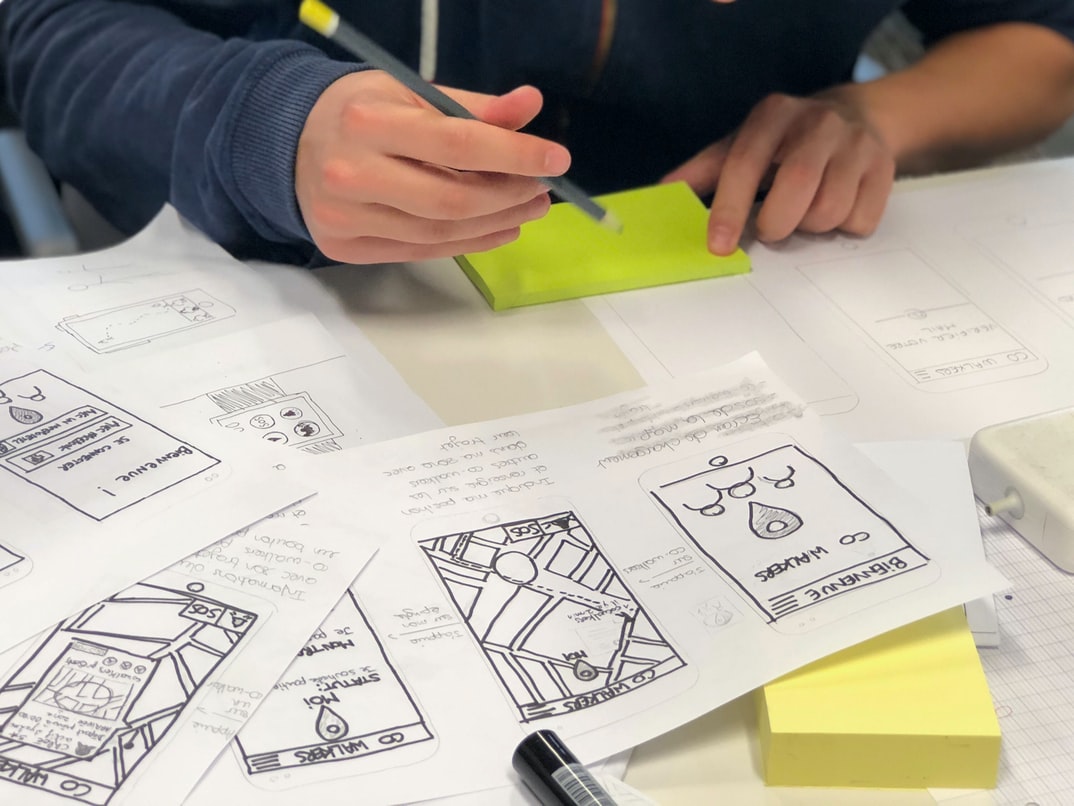
It’s also important to highlight the process behind each project in your portfolio. This can include sketches, wireframes, colour palettes, and any other relevant design research or inspiration. By showing how you approach projects from beginning to end, potential employers or clients will get a better understanding of your creative process.
Finally, don’t forget to include any industry experience you have gained through internships or freelance work. This can demonstrate not only your technical skills but also your ability to work collaboratively with others in a professional setting. Ultimately, creating a well-rounded portfolio that showcases both your creativity and professionalism are key to landing the job or client of your dreams in the graphic design and visual communication field.
What are some tips for designing an effective portfolio?
When it comes to designing an effective portfolio, there are a few key tips that can help you showcase your work in the best possible way. Firstly, make sure that your portfolio is easy to navigate and visually appealing. This means using clean layouts, high-quality images and a consistent design aesthetic throughout.
Another important tip for designing an effective portfolio is to highlight your best work first. You want to capture the attention of potential clients or employers right away, so be sure to include your strongest pieces at the beginning of your portfolio.
Finally, consider tailoring your portfolio to the specific audience you are targeting. If you are applying for a job in a particular industry or working with clients in a specific niche area, make sure that your portfolio showcases relevant examples of your work within this context. By following these tips, you’ll be well on your way to creating an impressive and impactful graphic design or visual communication portfolio.









