

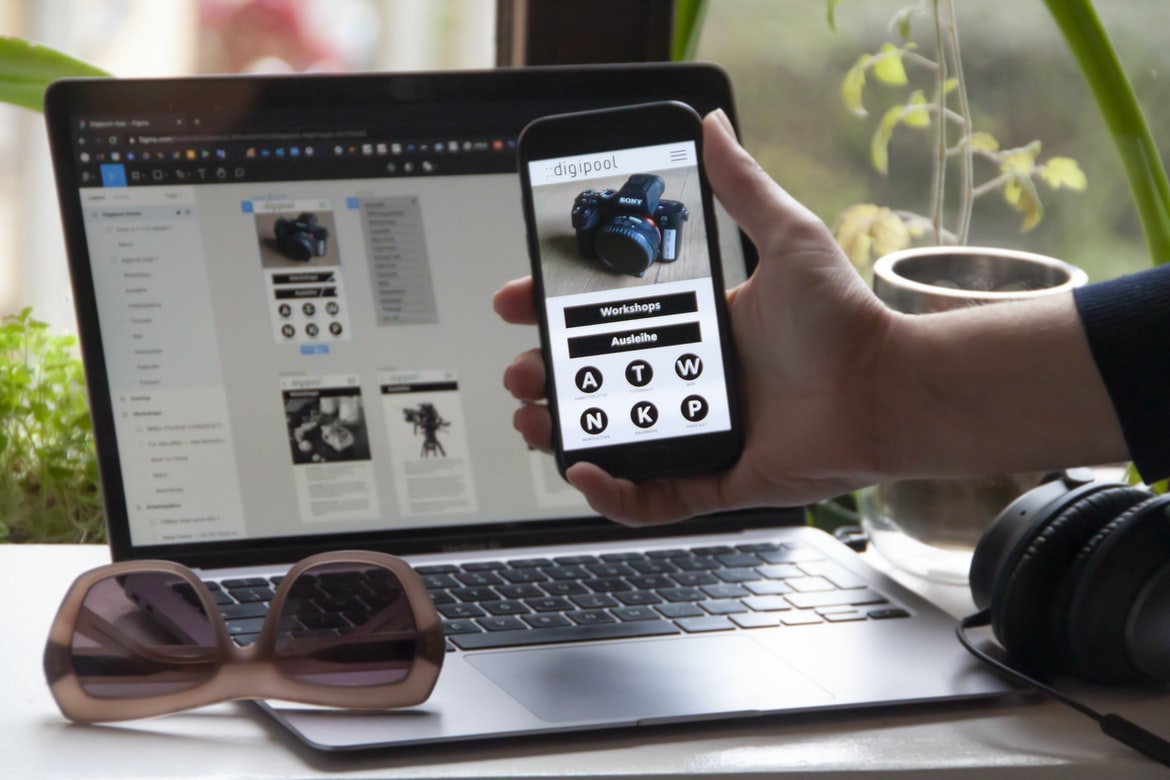
Custom Application Development – Application Development Process – What mobile app development process and design should you follow?
Mobile app development is a rapidly growing industry, with more and more people looking to develop their own applications.
In order to create a successful mobile application, you will need to follow a number of specific steps and design principles. However, there is no one-size-fits-all approach – so it’s important to get started on the right foot and learn the basics before moving on to more complex tasks.
Here are some tips for developing a mobile app:
1) Decide what type of application you want to build – from simple apps for everyday use to larger enterprise solutions.
2) Assign a creator – someone who will be responsible for creating user interface designs, codebase management, and overall project management.
3) Get involved in the development process – make sure you are always available for input and help with debugging or other support needs.
4) Stay up-to-date on new technology – keep an eye on evolving industry trends and be prepared to adapt your app design accordingly.
What are the benefits of using mobile apps?
According to a recent study, mobile apps are now the most popular way to consume content across different platforms. This is due to the numerous benefits that mobile apps offer:
They’re quick and easy to use: Mobile apps let you quickly access information and make changes without having to visit a website or try to open an application.
They’re simple to navigate: Mobile apps are designed in a way that makes them easy to navigate. This means that you can find what you want quickly and get it right away.
They’re lightweight and portable: Mobile apps don’t require as much space on your device as traditional websites or applications. This means that you can carry them with you wherever you go.
How to choose the right mobile app development platform?
Most mobile app development platforms are designed to simplify the process of creating and launching mobile apps. In general, these platforms allow developers to create apps quickly and easily while also providing a variety of features and tools that can help improve the quality and efficiency of app development.
Some popular mobile app development platforms include Google Play, Apple’s App Store, and Microsoft’s Windows Phone platform. However, there are many others out there that are worth exploring if you’re looking to build a successful mobile app. Here are three examples:
1) Android Studio – This software is used by many professional developers to create Android apps. It’s easy to use and provides a wide range of features for developing mobile apps.
2) Maya – Maya is another popular mobile development platform that is used by professionals in the video game industry. It offers a variety of features for creating 3D games and menus, as well as for developing user interfaces and animations.
3) Unity – Unity has become increasingly popular over the years because it offers an extremely versatile API that allows developers to create 3D games and applications with ease.
What are the different types of mobile apps?
There are many types of mobile apps, but the most common are phone applications and web applications. A phone application is a simple software program that you download on your phone. It contains the user’s data and can be used to make or receive calls, send text messages, or access online services. A web application is a website that you access using your phone. It can be used to view information, contact people, or make purchases.
What are the different design principles for mobile apps?
A mobile app is a software application that runs on a personal computer or phone and provides access to the user’s favourite content and applications. Mobile apps are becoming increasingly popular due to their convenience and versatility.
Design principles for mobile apps include making the app visually appealing, using efficient code, and designing for simplicity. Additionally, designers should consider how the app will be used by users, including its layout, navigation, and user interface (UIs).
Why should you use a mobile app development company?
There are many reasons why someone might want to use a mobile app development company. There are a few reasons that come to mind:
1. You can save time and money by working with a company that has a well-developed mobile app development process and design. This will ensure that your project is completed in a timely manner, and you won’t have to worry about any deficiencies in the final product.
2. You can be sure that the company you work with will be dedicated to meeting your needs and satisfying your expectations. They will take the time to understand your requirements and make sure that their products meet them exactly. This means that you can rest assured that your project will be of the highest quality possible – no matter how demanding it may be.
3. A mobile app development company can provide you with access to world-class experts who are familiar with the latest mobile technology. This will allow you to achieve maximal results without any hassle – perfect for busy people who need an Agency That Can Help Them Conquer Their Goals!
Introduction: What You Need to Know Before Starting Your App Project
The mobile app development process and design vary depending on the company and developer you work with.
There are different approaches to creating a mobile app, such as using an online application builder, starting from scratch or using an existing app.
Nowadays, most mobile developers prefer to use online application builders such as Appcelerator or Apprise because they offer a more user-friendly development process and provide access to a wide range of templates and programming languages.
Additionally, many companies provide ready-made applications that can be customized to meet the specific needs of their employees.
Step 1 – Evaluate the Need for Your App and Establish Goals
When it comes to mobile apps, one of the most important factors to take into consideration is the need for your app. Once you have a good idea of what your app needs, it’s important to establish goals and objectives for your project. Once you have those goals in mind, it’s then easier to choose the right development tools and methodologies.
One of the most important aspects of mobile app development is the design process. There are a few key elements that need to be considered when designing an app: user experience (UX), accessibility, and performance. UX is all about making sure users can use your product correctly and efficiently. Accessibility is another important factor when creating an app for different devices and platforms. If a user can’t use your product because of a lack of capabilities or an incorrect input format, that could affect customer confidence and loyalty. Performance refers to how quickly users can load and navigate through your app.
Step 2 – Gather Requirements & Plan the Project Scope
In today’s digital world, the development of mobile apps is becoming more and more popular. There are many different ways to develop mobile apps and many different app designers. In order to create an effective mobile app development process, it is important to have a clear idea of what you want your app to achieve. Additionally, it is also important to plan the project scope and make sure that the required resources are available before starting the project.
Step 3 – Design a Winning User Experience
When designing a mobile app, it is important to consider the user experience. The user experience is the identifier of a product or service, and it refers to how easy or difficult it is for people to use and enjoy your app. There are different aspects to consider when designing an app’s user experience, such as the design, layout, navigation, and tutorials.
There are a few key elements that should be considered when designing an app’s user experience. First, the design should be simple and intuitive. Second, the app should be easy to navigate and find what you need quickly. Third, the interface should be clear and concise so that users can understand what they are looking at. Finally, every step of the process must be well documented so that users can follow along easily. In order to achieve these goals, it is important to have a clear plan for each step before starting development. This will help ensure that all steps are completed correctly and without any problems.
Step 4 – Choose the Right Technology Stack for Your App
There are a variety of technologies you can use for mobile apps. Some popular choices include Objective-C, Swift, and Java. However, which technology stack is right for your app depends on the specific needs of your project.
For example, if you’re developing an iPhone or iPad app, you’ll want to choose Objective-C as your development language. This language is easy to learn and can be used to create high-quality mobile apps.
On the other hand, if you’re developing an Android app, you’ll want to use Swift instead. This language is more advanced and can be used to create better-looking mobile apps that look good on any device.
Choosing the right technology stack also depends on the type of app you’re creating: a website or a phone application. For website applications, Swift is more efficient than Objective-C because it doesn’t require web development frameworks like Flash or HTML5. However, for phone applications, Objective-C will be more powerful and efficient because it requires greater resources (like processing power) to run efficiently on devices like Android and iOS.
What tools are used in app development and graphic design?
In today’s world, there are many ways to build mobile apps. One way is to use a mobile development platform such as PhoneGap or Cordova. Another way is to use a graphic design tool such as Photoshop or Sketch.
One popular graphic design tool is Adobe Photoshop. It has been used for years in app development and has a wide range of features for designing applications. For example, Photoshop can be used to create designs for the front end of an app, the back end of an app, or even an entire website.
Another popular graphic design tool is Apple Garageband. It was first developed for GarageBand for iOS devices and now works on Macs as well. It can be used to create tracks and songs, play them back live, and export them as albums or videos.
How does the process of developing apps and graphics differ?
Developing mobile apps is a very different process from traditional desktop applications. For one, app development typically starts with designing the user interface and user experience (UX) first. Next, the developers create the code that will run on a mobile device. Lastly, they need to make sure the app runs correctly and looks great on different devices.
Designing an app typically involves four steps:
1. Establish what you want your app to look like
2. Define how users will use your app
3. Choose features that will make your app popular
4. Optimize your app for performance.
The first step of designing the UX is to decide which device you are going to target.
How complicated is it to develop an app or graphic design?
Developing an app or graphic design can be quite complicated if you don’t have experience in the field. It can take a lot of time and effort to get your project done well, and sometimes it feels like there’s just too much on your plate. If you’re someone who’s always looking for ways to cut corners or who isn’t really comfortable with difficult tasks, then developing an app or design can be a challenge.
What type of skills are required to create an app or graphic design?
An app is a software program that helps users do something on their mobile devices. Graphic design is the process of designing and creating visuals for an app or website. Graphic designers use a variety of skills and abilities to create beautiful and useful apps and websites. Some of the most common skills needed to become a graphic designer include experience with Adobe Photoshop, Illustrator, Inkscape, and Dreamweaver; an excellent eye for detail and creativity; good communication and organizational skills; as well as strong problem-solving abilities.
How long does it take to create a successful app or graphic design?
Now that we know a little bit about the mobile app development process and design let’s take a look at some tips on how to create an app or graphic design that will be successful.
First and foremost, it is important to have a clear plan for your project. This means creating objectives and goals for your app and working towards these in parallel with developing the code and design. Secondly, make sure you are familiar with different software tools and frameworks used for mobile app development. These tools can speed up the process by making coding easier and reducing the amount of time needed to complete the project. Thirdly, pay attention to user needs in order to develop an app that meets those needs as closely as possible. Once you have a good understanding of what users want, it is easy to develop features that support this need. Finally, make sure you keep your costs low when designing mobile apps – budgeting is critical in order to achieve success!
What are the trends in the app and graphic design development?
There are a few main trends in the app and graphic design development. These trends can be broken down into two categories: user experience and design. User experience is concerned with how the user feels when using an app or website. Design is concerned with the look and feel of an app or website.
User experience trend:
As users become more accustomed to using mobile apps, they are looking for a distraction-free experience. This includes easy navigation, efficient loading times, and high-quality visuals. One way to achieve this is by using a responsive design approach that keeps pages updated as the device changes.
Design trend:
Mobile apps have become more important in today’s society, as people rely on them more than ever before. They are also becoming more complex and require higher levels of design skills than traditional websites or applications. In order to meet these demands, developers need to use a variety of design approaches, including clean lines, light text, modern typography, and colourful images.
With the increase in the popularity of mobile devices, developers are turning to apps for a variety of purposes. From entertainment to work, there is no doubt that apps play an ever-growing role in people’s lives. In addition, app design has become increasingly important in today’s industry because users are often accessing apps from a variety of devices, including watches and other portable electronics.
There are several trends that we can expect to see in app development over the next few years. Here are key trends:
Apps and Wearables. Apps are already being used in wearable devices, such as Google Glass and the Apple Watch, and will continue to be used for many years to come. The devices that deliver the most compelling experiences can transform mobile users into more productive individuals than ever before. “We see a great future for apps and wearables,” said Steve Berman, CEO of Rovi. “Their increasing ubiquity and growing value as an increasingly dominant form of mobile connectivity will create a virtuous cycle that will help propel our industry forward. “The fact that wearable devices are now not only accepted by consumers and employers but also by large enterprises is a major reason why Rovi is excited to support this new marketplace.
What skills are necessary for developing successful apps?
Mobile apps have become increasingly popular due to their convenience, ease of use and ability to provide a variety of features. However, developing successful mobile apps requires a number of valuable skills. In this blog post, we will explore some key skills necessary for any app developer.
How does graphic design help to make an app successful?
A mobile app is a software application designed to be used on a mobile device, such as a smartphone. It typically contains interactive or entertainment content and can be used to conduct business or conduct other activities.
The development process of a mobile app usually starts with the design phase, which includes the selection of an appropriate platform and typeface for the app’s design, as well as the creation of basic user interface elements. In order to make sure that the user experience is top-notch and consistent across all devices, it is important that developers adhere to best practices when designing for different platforms and devices. During the development phase, developers must also take into account user feedback in order to improve the overall app experience. After completion of the development phase, it is time for testing and deployment. Testing includes ensuring that users are able to use the app correctly and enjoy its features without any issues; however, there can be some challenges during testing that need to be overcome, such as crash rates or device incompatibility issues. Deployment means making sure that users have access to the app on their devices; however, some challenges associated with this process include bad network connections or low battery life. Mobile apps often require more than just design and coding skills in order to be successful; they also require a good understanding of business principles in order to ensure efficient functioning and long-term growth.
What kinds of apps are most popular in the market today?
Mobile apps are becoming increasingly popular, with more and more people using them for a variety of purposes. Here are three types of mobile apps that are commonly used today:
1) Social Apps: Facebook, Twitter, Instagram, and others. These apps allow users to connect with friends and family through shared photos and posts.
2)messaging Apps: WhatsApp, Messenger, LineageOS Messaging App. These apps provide an easy way for users to communicate with each other without having to use a traditional phone messaging system.
3) Gaming Apps: Casino games, sports games, and others. These apps allow users to indulge in their favourite activities while on the go.
What are the most important elements of app design for user experience?
Mobile apps are becoming increasingly popular, and in order to create an app that is user-friendly, it is important to have a well-designed process and design. A few key factors to consider when designing an app include the following:
-The user interface (UI)
-The user experience (UX)
-User Engagement
-Integrity and security
When creating an app, it is important to take into account the intended audience as well as the needs of your users. For example, if you are creating an app for children, then the UI must be age-appropriate and reassuring. If you are developing an app for people with disabilities, then it is important that the UX features are accessible to users without assistance.
How does graphic design help to improve user engagement?
Mobile app design is essential in today’s society. It gives users quick and easy access to the information they need, whether it be for work, shopping, or casual activities. However, user engagement can improve greatly when the app looks great and has an engaging user interface.
Graphic design can help to achieve this goal by adding a touch of personality and visual appeal to the app. For example, using vector illustrations or icons instead of traditional images can make for an easier and more efficient development process. Additionally, adding eye-catching typography can help users get lost in the app for longer periods of time.
All of these changes will have a significant impact on user experience – so it’s important that you take note of what goes into designing an effective mobile app!
What types of software and tools are used for app development and graphic design?
Are you looking to create mobile apps? Do you need the best tools and software for the job? Well, here are some great options to consider:
1. Apple App Store – If you’re looking for a well-known and popular platform to develop your app on, then the Apple App Store is a great place to start. With over 100 million apps available, it’s sure to have what you’re looking for.
2. Android Market – While the Android Market isn’t as well known as the Apple App Store, it’s definitely worth checking out if you want to develop an app for an Android phone. Over 350 million apps are available on Android, so there are plenty of choices if you want to find something good.
3. Microsoft Windows Phone Marketplace – If you’re looking for mango developing an app for windows phones, then the Microsoft Windows Phone Marketplace is a great option. They have a wide range of programs and tools available, as well as a lot of familiar faces from app development across different platforms (Windows, MacOS X etc.).
Are there any tips to make sure apps are well-optimized for all platforms?
Mobile apps present unique challenges when it comes to optimization. Each platform has its own strengths and weaknesses, so making sure your app is well-optimized for all platforms is a critical part of successful mobile app development. Here are a few tips to get you started:
1. Make sure your app’s code is thoroughly tested – testing your app on as many different devices as possible will help ensure that your app runs smoothly on all platforms.
2. Use the correct platform-specific library – many mobile apps use libraries written in English or other languages that may not work on other platforms. To ensure compatibility, use the right library and make sure it’s included in your application’s source code.
3. Use appropriate Don’t Repeat Yourself (DRP) techniques – if an element in your app is being used multiple times, make sure you reuse the same code where possible and use DRP styles to avoid potential incompatibilities.
4. Take advantage of cloud-based services – using cloud-based services can improve performance and help reduce costs associated with developing mobile apps. Examples include Amazon Web Services (AWS) and Google Cloud Platform (GCP).
Is there a way to measure the impact of graphic design on app performance?
There is no one answer to the question of how effective graphic design can be in improving app performance. However, some factors that could influence the impact of good design on app performance include:
-the overall look and feel of an app;
-the user interface (UI) and appearance;
-the layout and organization of content;
-the use of colours and graphics;
-and the overall tone and style of an app.
Graphic Design
When it comes to developing mobile apps, there are many things that one needs to take into account. From the design and development process itself to the end-user experience, making sure that your app is successful will require a lot of thought and planning. In this blog post, we’ll take a look at one of the most common mobile app development processes – creating a design for an existing application.
One important factor when designing an app is to make sure that it’s easy for users to use. This can be done by ensuring that the interface is simple and intuitive, as well as by providing clear instructions on how to use your app. Another important factor when designing an app is its usability – how easily can users access information and functions? This can be done by making your interface intuitive, organized and easy to navigate.
The final thing that one needs to consider when developing an app is its UX. UI design plays a big role in user experience and should be designed with this in mind. It should be easy for users to find what they need, navigation should be simple and straightforward, and buttons or other elements should be clearly marked so that users know what action they need to take next. In addition, it’s important that your app’sUXlookandfeel modern and sleek – not just something someone would have on their phone today (or even five years ago).
Mobile apps are becoming increasingly popular, and as a result, developing them has become easier than ever before. However, with so many different types of app development platforms out there, it can be hard to know where to start. In this blog post, we’ll take a look at some of the most common mobile app development platforms and how they work. We’ll also discuss some of the design choices that you need to make when developing an app for these platforms.
When it comes to developing mobile apps, there are a few general tips that everyone should keep in mind. One of the most important things to keep in mind when designing for mobile is the process of development and design.
First and foremost, always make sure that your designs are simple and sleek. This will help users focus on what they’re trying to achieve rather than getting lost in the details. Additionally, think about the user experience when it comes to your designs. Make sure that your app is easy to use and navigate so users feel confident using it. Lastly, make sure that your designs match the overall look and feel of your app. This will help users fall into place once they start using your app and come up with better ideas for future iterations!
Graphic Design Mobile App
Mobile App development is one of the most popular and rapidly growing application development segments. This has led to an increased demand for excellent mobile app design capabilities and services.
However, when it comes to designing a perfect mobile app, there are a few key factors that must be considered. First, the user interface (UI) should be easy to understand and use. Second, the design should be attractive and sleek looking. Third, the app should provide comprehensive features and accessibility requirements for different devices – both traditional and modern ones. Finally, the overall look and feel of the app should be consistent with that of other companies’ web applications.
To get started with creating mobile apps, it is important that you have a good understanding of the mobile App Development Process & Design. This blog will go over some key points that will help you better understand how this process works:
The Mobile App Development Process:
The Mobile Apps development process typically starts with rumour milling and eventually takes shape as a plan or proposal. After finalizing the concept, design and coding are finalized. While various stages are essential for creating a great Mobile App, here are some of the most important:
1. Research- This phase focuses on understanding the needs of your target market, analyzing user behaviour and understanding app touching points. In order to accurately gauge what kind of Mobile App they would want, it’s important to understand their wants and expectations before beginning any design work—in other words, ground-up research!
2. Prototype- Once the research has been completed, it’s time for prototypes! These may be simple or complex sketches that showcase how your app will look and function on different devices (and in different languages). (For more details about prototyping, check out our previous blog post:). After you’ve created prototypes that meet your target market’s needs and expectations, it’s time to move on to 3rd party testing, which can last anywhere from weeks up to months, depending on the size of your project.
3. Release- Once all testing is complete and you’re confident that everything looks perfect on both devices (and in different languages), it’s released onto the market! There are many factors to consider when releasing an app, such as ratings, compatibility with other apps etc., but once everything goes well, you should expect ecstatic feedback from users who just experienced your product for the first time!
The first step in developing an app is identifying your target audience – who your users are likely to be. Once you know who your target market is, you need to determine what type of app they would like to purchase or use – either through In-App Purchase (IAPs) or as a stand-alone application. From there, you’ll need to create a plan – which specific tools/steps do you want to take in order to develop an effective mobile app?
What is UI design?
UI design is the process of designing and creating the appearance, layout, and behaviour of an app’s user interface. It can be used to create interfaces for both mobile apps and web applications. In order to create an appetizing user interface that will interest users, designers oftenPremium Design Agencies-need to have a strong understanding of computer science and graphics programming, as well as some basic design principles.
What is UX design?
UX design is the process of designing a user interface for a mobile app. It encompasses everything from the layout and design of the application to how users interact with it.
When designing an app, it’s important to consider how people will use and interact with it. This means taking into account what users want and need, as well as the needs of the app’s target audience.
UX design can be broken down into two main categories: user interface and content. User interface designs impact how users access and interact with an application, while content can be anything from tutorials to eBooks.
While there are many different types of UX design, one key difference is that user interface designs are typically created in response to the specific needs or wants of a specific audience. For example, Google Play provides guidelines for applying user Interface Design (UAD) principles in order to create intuitive and engaging interfaces for their various apps.
While UAD principles can be applied in any context, using them when creating an app may give you a competitive edge in the marketplace.
UX design is the process that oversees how a mobile app looks and feels to users. It encompasses everything from designing the interface to making sure each individual screen experience is tailored to the user’s needs.UX design is critical in any mobile application, as it sets the tone and feel of an app and affects how people interact with it. In order to create a great user experience, designers need to be able to identify and understand different user needs; accordingly, their work requires a lot of creativity, intuition and experience.
Visual Communication
Mobile app development is an ever-growing field. It has become a necessary part of our lives, and the industry has grown to be incredibly competitive. So, how do you go about creating a mobile app that will stand out from the rest?
One way to do this is by using visuals to communicate your app’s features and functionality. By making your app look good, you’ll ensure that potential users are more likely to want to download and use it.
Here are tips for visual communication in mobile app development:
1) Showcase your app’s features in beautiful screenshots. This will create a great first impression for potential customers and help them understand what your app does and why it’s different from the rest.
2) Use cool graphics or illustrations to represent important aspects of your app. For example, if you’re developing an ebook reader, consider using diagrams or illustrations to depict the various functions of the device.
3) Make use of fonts and typography that are unique culturally or nationally. This can help players feel like they’re interacting with an authentic product – something that might not be possible with just text alone.
4) Create attractive & informative videos featuring your app as well as interviews with users about their experience with it. These videos can help drive traffic back to your site or even inspire future development!
When it comes to developing mobile apps, the process of design is just as important as the product. In order to ensure your app is both beautiful and functional, you first need to understand the various stages in the development cycle.
In this subtopic, we will discuss how to design a mobile app and how to be efficient in completing your project. We will also cover some tips on how to make sure your app looks great and works flawlessly.
Mobile apps are growing in popularity, and as such, developers are finding themselves increasingly reliant on mobile app design and development processes. Herein, we’ll provide an overview of the various steps involved in developing a mobile app and how they can be improved to make your process smoother and more efficient.









