

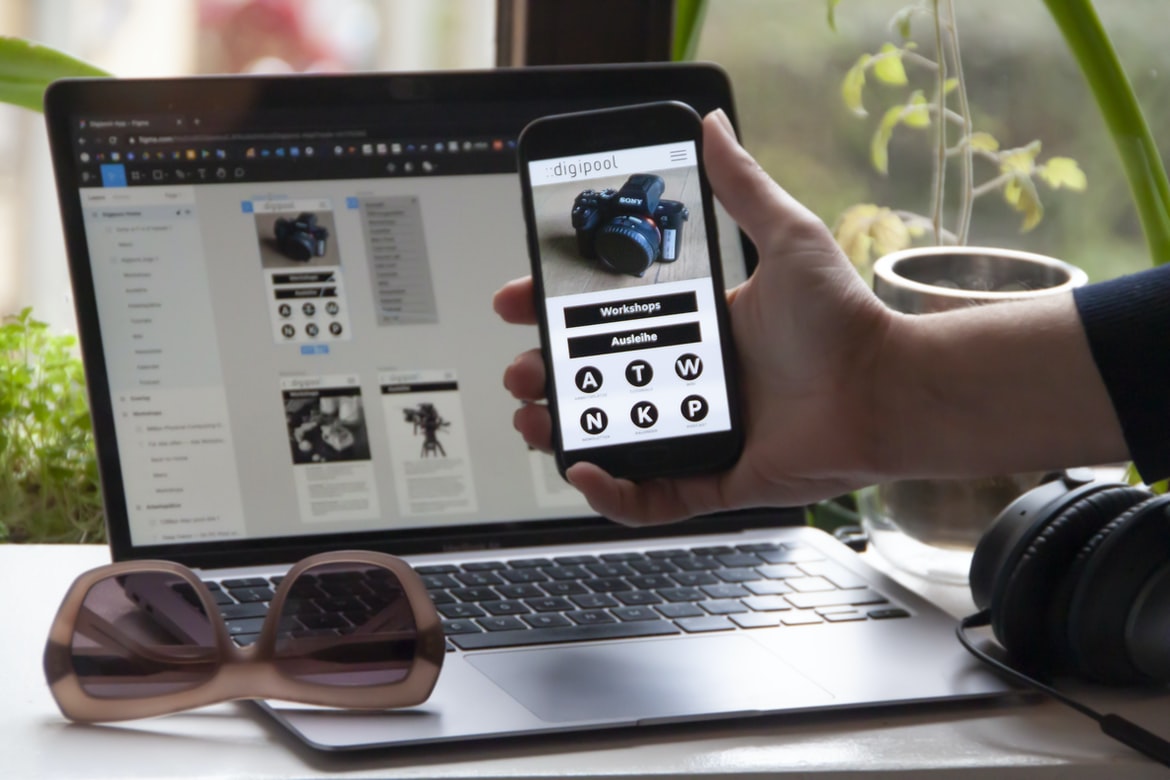
How To Learn App Development – What are the different types of application building and design?
Application building and design are the different types of design and engineering that are used to create and build software applications. Application building is the process of designing, creating, testing, and deployable software applications. It includes designing user interfaces, developing algorithms, writing code for business processes, and more. Designing an application typically involves several steps, such as gathering information about the target market and their needs, coming up with a proposal for various solutions, taking into account financial considerations, reviewing the results before making a decision, and finally deploying the application to achieve desired results.
What are some common construction methods for application building and design?
In recent years, the use of technology in the construction industry has exploded. Buildings are now built with a greater reliance on advanced computer-based design software combined with traditional construction techniques.
One common construction method used in application building and design is the use of a shell or frame. Shells are typically created from pre-fabricated components, and they are then assembled to form part of a larger structure. This method is often used when the builder does not have access to a specific location or when there is a shortage of available resources.
Another common construction method is infill. Infill involves using smaller pieces of material to fill in empty spaces within a structure. This technique is often used when there are limited resources or when it is difficult to find a specific location for an installation.
Neither of these methods is without its challenges, though. For example, shells can be difficult to assemble correctly if not done correctly, and infill can be challenging to track down and place correctly if not done correctly.
Style: How do you choose the right style for an application?
There are a few general tips that you can follow when it comes to choosing the right style for an application.
When creating an application, always consider the overall look and feel of the product. This includes choosing the right font, colour, and layout options. Additionally, keep in mind what type of user interface (UI) is desired. For example, if your application is intended to be used on a computer or phone, then a responsive design would be ideal. If your application is meant to be used on a mobile device such as an iPhone or Android device, then you should use a Droid or Tablet UI design approach. There are endless options when it comes to designing an application – choose one that best suits your needs and interests!
Technology: What are some common technology aspects for application building and design?
There are many different technical aspects that can be used in application building and design. Some common areas of technology that can be used in this context include:
-Application software development and use: This includes software development tools such as Git, SVN, and CVS. It can also include the use of frameworks such as Django or Ruby on Rails.
-Hardware engineering and use: This includes the use of hardware such as computers, smartphones, scanners, or other devices to create applications.
-Software testing and use: This includes the use of testing tools such as Selenium or unit testing frameworks.
There are many aspects of technology that can be used in application building and design. One common aspect is the use of technologies like Java, JavaScript, and CSS to create web applications. Another common aspect is the use of mobile technologies like iOS, Android, and Windows Phone to build mobile apps. And still another common aspect is the use of big data analytics to improve business processes.
Navigation: How do you make sure your user interface is efficient and easy to use?
A user interface is one of the most important aspects of an application. It should be easy to use and efficient, so users can quickly and easily find what they need. To make sure your user interface is efficient and easy to use, you should consider the following factors:
Layout: How your user interface is organized will have a major impact on how quickly and easily users can find what they need. Make sure the layout is clear and concise so users know where they are in the application.
How your user interface is organized will have a major impact on how quickly and easily users can find what they need. Make sure the layout is clear and concise so users know where they are in the application. Navigation: Your user interface must be designed to be easy to navigate through. This means having all of the essential elements placed in an easily accessible location, such as top levels, menus, or buttons.
Your user interface must be designed to be easy to navigate through. This means having all of the essential elements placed in an easily accessible location, such as top levels, menus, or buttons. Graphics: Your user interface should include high-quality graphics that help ensure users understand what they are seeing. You also want to make sure all of your visuals are consistent across different devices and browsers – this will help make it easier for users to find what they’re looking for when browsing your app.
Why you should build an application
Applications are essential for businesses of all sizes, whether they’re small startups or large corporations. They can be used to process data, provide customer service, or make decisions. But building an application is a complex and time-consuming process, and not everyone has the time or resources to do it themselves. There are plenty of app builders out there that offer templates and tools that make application building a breeze. But if you’re looking for something more special or unique, there’s no need to look any further: app builders can also create their own applications.
Why build your own application? There are several reasons:
1) You have control over the development process: A builder will allow you to choose the language, frameworks, and options available to them. This allows you to focus on the development of your application rather than on learning a new platform or framework.
2) You get to be in charge: A builder will work with you directly to finalize your project – meaning that you’ll have full ownership and control over everything from start to finish. This allows you to set your own priorities and deadlines, which can lead to faster and more reliable results.
3) You Can Be More Creative: Unlike other app builders who only offer templates and tools, a builder will allow you to create your own applications using custom languages, frameworks, options, etc.
Types of applications: business, personal, entertainment, etc.
There are many different types of applications that can be built and designed. Some examples of these applications include business applications, personal applications, and entertainment applications. Each application has its own unique requirements and challenges that need to be taken into account when designing it.
One of the most important aspects when designing an application is to ensure that it is able to support multiple users. This means having a system in which users can interact with the application in different ways, including synchronously and sequentially. In order to support this requirement, the design must be able to handle multiple input sources, such as text input, mouse input, or touch gestures.
Another important factor when designing an application is ensuring that it is easy to use. This means having a system in which users can easily access the features of the application without having to learn specific coding techniques. In order to meet these requirements, the design must be able to be easily customized and extended by users.
There are endless types of applications: business, personal, and entertainment. However, there are a few key types that are more common and important for most businesses. These include:
-Business Applications: This type is all about making money and shipping products. They typically use software that helps managers track data and make decisions.
-Personal Applications: This is where people use the applications to do things like email, manage their finances, or control their pets.
-Entertainment Applications: These can be used to watch videos, listen to music, or play games.
There are many different entertainment applications available today. Some of these applications can be used to watch videos, listen to music, or play games. When choosing an application for your needs, it is important to select an application that will fit the needs of your individual lifestyle.
Software development process: from idea to finished product
In today’s world, software development is a process that starts with an idea and culminates in a product that meets the user’s needs. In order to create high-quality solutions, developers must have a clear understanding of the various stages of the software development process.
The following are some general steps in the software development process:
1. Pre-Development: This stage is where developers develop rough concepts of an application or system. This may involve working on specific features or ideas for the product.
2. Development: This stage is when developers start creating code and functionality for an application or system. Code can be written in any language, but it typically contains more complicated tasks than during pre-development.
3. Release: After all code has been created, it is Tested and Released into Production for Use by Users. This involves making sure that everything works as expected and that no issues occur during use.
Software development is an intricate and time-consuming process that starts with the idea and progresses through the design, testing, and release of a product. In order to ensure that the software is developed in a timely manner and that it meets customer requirements, developers use various tools and techniques. One important tool used in software development is code reviews. Code reviews are an essential part of the software development process because they help identify potential defects early on and help improve the quality of the product.
One important thing to note when conducting code reviews is to be aware of your own time limitations. You should not spend hours reviewing code if you can do it in a shorter time period. Additionally, make sure to ask questions that pertain to the code you are reviewing. By doing so, you will be able to get a better understanding of how it works and how it can be improved.
The design process: from idea to finished product
Design is a critical step in any application development. It allows for efficient and effective communication between developers, users, and other team members. In order to create an effective and user-friendly application, designers need to be well-grounded in both software development principles and user needs. This article will provide an overview of the design process from idea to finished product.
Design is the process of creating a product or design that meets the needs of a customer. In order to create an effective and efficient application, it is important to have a clear understanding of the customer’s needs before beginning the design process. This clears the way for better analysis and development during the application-building phase. In this blog post, we will take you through the general steps involved in designing an effective application: from idea to finished product.
How to choose the right application design
There are many different application design options available to developers. Some options are more popular than others, but there is no wrong answer when it comes to choosing the right option.
One of the most important factors when choosing an application design is the focus that the application should have. If the application is focused on solving a specific problem, then it will be easier to develop and maintain. However, if the application is unfocused and doesn’t have a clear goal, then it can be more difficult to maintain and grow the application over time.
In order to make sure that our applications are focused, we need to decide what our goals are for the application. Our goals might be different from everyone else, so it’s important to get input from other stakeholders before making any decisions. Once we have a good understanding of our goals, we can start looking at different design options and see which ones would best meet those goals.
What are some common app design choices?
When it comes to choosing the right application design, there are many factors to consider. Some of these factors might include your target market, the user experience you want to achieve, and how your app will be used. However, there are a few key things that you can do in order to help make the best decision for your app:
1. Identify your target market
First and foremost, it’s important to identify your target market. This will help you determine which features or functionality you should focus on developing for certain markets. For example, if you want your app to be successful in China, then you should focus on developing features that address this specific need.
2. Choose an appropriate development platform
Another important factor when deciding on an application design is the platform that you choose to develop on. This will help ensure that your app is built using the latest and most up-to-date technology. For example, if you want to develop an iPhone application, then you should use a platform like Apple’s App Store or Google Play.
How to build the perfect application
Building an application can be a daunting task, but with the right tools and guidance, it can be a relatively easy process. Here are some tips to help build the perfect application:
1. research the industry and get an understanding of what is popular and what works well. This will give you a good starting point for your design and development.
2. use clear and concise design language that is easy to understand and follow. This will help you when building your user interface and creating codebases.
3. make sure your code is easy to read, maintain, and improve over time. Building an application takes time and effort, so make sure your code is high-quality from the beginning!
There are many ways to build an application. Some people choose to design their applications from scratch, while other people use existing tools and frameworks. There are a few important factors you should keep in mind when building an application:
1) Time and effort – The longer you wait to build an application, the more time you’ll spend on development and the less time you’ll have for other tasks. It’s also important to be able to justify the investment in time and resources by demonstrating successful results.
2) Functionality – Tasks that don’t require attention but can cause problems to want to be well organized and simple. In order for your users to effectively use your application, it must be easy to find what they need and understand how it works.
3) Security – Your users might not want their data exposed online or even under their own control. You need to make sure that your application is secure before launch so that users can’t bypass security measures or accidentally lose any data.
Graphic Design
When it comes to designing and applying for jobs, graphic design is an essential skill. Whether you’re looking to start your own business or just want to update your resume, good graphic design can make a big impact. Here are five reasons why:
1. Good graphic design can help you communicate your ideas clearly and effectively.
If you can see the potential audience in front of you, they’ll be more likely to take action. And if they do, that means more business for you – no matter what your industry or field of work!
2. Graphic design can help with branding and marketing efforts.
Graphic design can help create memorable visuals that will help your company stand out from the crowd. Whether you need a logo or an ad campaign, good graphic design can help make a big difference!
3. Good graphic design can be used in a wide range of industries.
Whether you’re starting a new business or looking to upgrade an existing one, good graphic design is essential for any project! You won’t find better value in product images, brand identities, and website content than with quality graphic design services from our team at Hired Guns Creative!
4. Good Graphic Design Can Help You Save Time & Money on Your Projects!
What is UI design?
UI design refers to the design of an object or interface that provides a user interface. A basic understanding of UI design is necessary for any application development project.
There are many different types of UI designs, but the most common are browser-based and on-screen interfaces. A browser-based interface allows the user to interact with the application directly without ever having to leave their desktop. This type of interface is often used in online applications, such as Facebook or Google Earth.
On-screen interfaces are a more traditional way of creating an application’s user interface. They allow you to create a complete screen environment for your users from start to finish. This type of interface is often used in console applications, such as SSH and terminal applications.
UI design is the design of a user interface for an application. UI designers use different techniques to create user interfaces, including graphic design, animation, and object design.
What is UX design?
UX design is the practice and art of creating designs that improve user experience. It’s important to note that UX design is not limited to just designing interfaces but can also be applied in other areas of an application, such as the user journey or the overall design scheme.
There are a few different aspects to take into account when designing a good UX: The users’ needs must be considered before anything else, and then everything must tie together in order to create an effective user experience. There are many different ways to achieve this, so it’s important to consult with an experienced designer in order to get the most out of your efforts.
UX design is the process of designing systems and interfaces that improve the user experience. UX design typically starts with understanding what the user wants and needs and then creating a design plan that meets these needs. After the plan is created, it is then executed through research and usability testing to make sure the final product meets users’ needs.
Visual Communication
There are a lot of different ways to communicate with your users. Some application builders and designers choose to use visuals as their primary means of communication. Many times, it is the most effective way to show what the product or service can do and why people should decide to buy it.
There are a few things you need to consider when choosing how to use visuals in your applications:
1. How will the visuals be used? Will they be used as part of an overall design or layout?
2. What type of visuals will they be used? Can they be simple or complex?
3. What type of designs will they accompany the text or other elements?
Visual communication is an important part of any application. When designing an application, it’s important to make sure that the user interface and all the other elements look good and provide a perfect user experience. In this blog post, we’ll discuss how to create a great user interface in C# using design patterns.
Visual Communication Vs Graphic Design
Visual Communication Vs Graphic Design: A Comparison
When it comes to application building and design, there are clear benefits to choosing graphic design over visual communication. First, a well-designed graphic design can communicate your message clearly and efficiently. Second, graphic design has a longer lifespan – which means you can continue using it for years without experiencing any degradation in quality. Finally, whereas visual communication is often time-sensitive, a well-designed graphic may still be well worth keeping for older or more archived projects.
Visual communication is the process of displaying information in a way that is easiest to understand and use. Graphic design is the creation of designs that are visually appealing and easy to identify. These two styles of communication can work together to create a successful application or website.
Application of Graphic Design: Adobe Photoshop, Adobe Illustrator, Adobe InDesign
Adobe Photoshop is a widely used software for graphic design, especially in advertising and publishing. Adobe Illustrator is a similar program used for illustrations. Adobe InDesign is a more recent program with features similar to Illustrator but designed for web design and user interface development.
One common challenge in graphic design is creating elegant, complex designs that will be effective on both small screens and large canvases. To overcome this obstacle, designers often turn to Adobe Photoshop or Illustrator as their main tools of choice. However, applications like InDesign offer many potential advantages over these programs when it comes to creating high-quality designs that can be printed or shared online.
Adobe Photoshop and Adobe Illustrator offer users a wide range of tools for creating graphic designs. These software programs can be used to create illustrations, graphics, logos, and other types of images. In addition to these tools, Adobe Photoshop also offers users the ability to create interactively assistive technologies (IATs). IATs are software that allows users to interact with graphic designs by using various menus and commands.
Figma, Adobe XD, WordPress, Elementor.
Figma is a platform for creating user interfaces and applications. Adobe XD is an application development platform that allows users to create, test, and deploy applications quickly and easily. Elementor is a powerful content management system that makes it easy to create and manage websites and blogs. All three platforms offer different features and capabilities, so it’s important to decide which one will best suit your needs.
Figma is a free, open-source software suite for creating user interfaces and web applications. Adobe XD is a powerful content management system (CMS) for online publications and websites. Elementor is a jQuery plugin that makes developing web applications easy. All three tools are essential for anyone building an online presence.
How do you know when your design is successful?
When an application is designed well, it is easy to see how successful it will be. A well-designed application will be sleek and user-friendly, with no flaws. It will also be easy to navigate, making it easier for users to find what they need. Additionally, the design will be consistent across different devices and browsers, which will make using the application more pleasant. There are many ways to determine when an application has been designed successfully, but one key factor is whether or not the user interface is clear and intuitive. If the user interface is confusing or difficult to understand, then the app may not be successful.
What are the key elements and principles in designing a visual communication UI UX?
1. The key elements in designing a visual communication UI are the design principles that should be followed to create an effective and user-friendly interface.
2. There are many different design principles that can be followed when designing a visual communication UI, but some of the most important ones include the following:
-Layout: The layout of a UI should be simple and easy to understand, so users can easily navigate around it.
-Design Principles: All design principles should be followed in order to create an effective and user-friendly interface. These principles may include things like using sensible font faces and typography, using clear and concise labels, and maintaining consistent spacing between elements.
3. UX Guidelines: User guidelines should always be followed when designing a UI in order to make sure the interface is easy to use and look great. These guidelines may include things like using easy-to-read text fonts, keeping icons small and spaced evenly apart, and making sure buttons are easy to find and act on quickly.
There are many different design principles and elements that can be used when designing a visual communication UI. One of the most important principles is to use contrasting colours and fonts to create an effective identity. Additionally, it is important to make sure the user interface is easy to navigate and understand.
What are some of the common pitfalls in designing a visual communication UI UX?
If you’re designing an application, it’s important to be aware of some common visual communication pitfalls. Here are a few:
Incorrect layout: One common mistake is the incorrect layout – for example, using too many columns or borders instead of spacing out elements. This can make it difficult to see the data underneath and can cause the user interface to look cluttered and outdated.
One common mistake is the incorrect layout – for example, using too many columns or borders instead of spacing out elements. This can make it difficult to see the data underneath and can cause the user interface to look cluttered and outdated. Fuzzy images: Another common issue is fuzzy images – for example, images that are too small or blurry. This can make it hard to see what information is available and may lead to confusion or loss of focus on what you’re trying to tell your users.
Another common issue is fuzzy images – for example, images that are too small or blurry. This can make it hard to see what information is available and may lead to confusion or loss of focus on what you’re trying to tell your users. Poor typography: Typography has a big impact on how people perceive an application – whether they understand the text properly or not. If your fonts are not well-matched with the surrounding design, your users might not be able to read the text at all!
What are some of the common mistakes people make when designing a visual communication UI UX?
A lot of times, when people design a visual communication UI, they don’t take into account the user’s needs and wants. They focus on the design they see on paper and think that everything will be just fine. But often, this is not the case.
Some common mistakes that people make when designing a visual communication UI include:
1. Not considering what the user wants
2. Focusing too much on looks and not enough on functionality
When it comes to design, there is a lot of debate on what is important and what is not. Some people believe that looks are more important than functionality, while others believe that the two are inseparable.
There are many factors to consider when designing an application: its user experience, security, scalability, performance, and aesthetics. However, in most cases, it is easier said than done to decide which features to focus on and which ones to leave out. In order to create an application that users will love and be able to use for years to come, it is important to focus on functionality first and foremost.
There are a lot of people who say that application design is the most important part of a website or app. I completely agree! But, if you’re only looking at looks and not functionality, you’re going to get really far in building an amazing application.









