

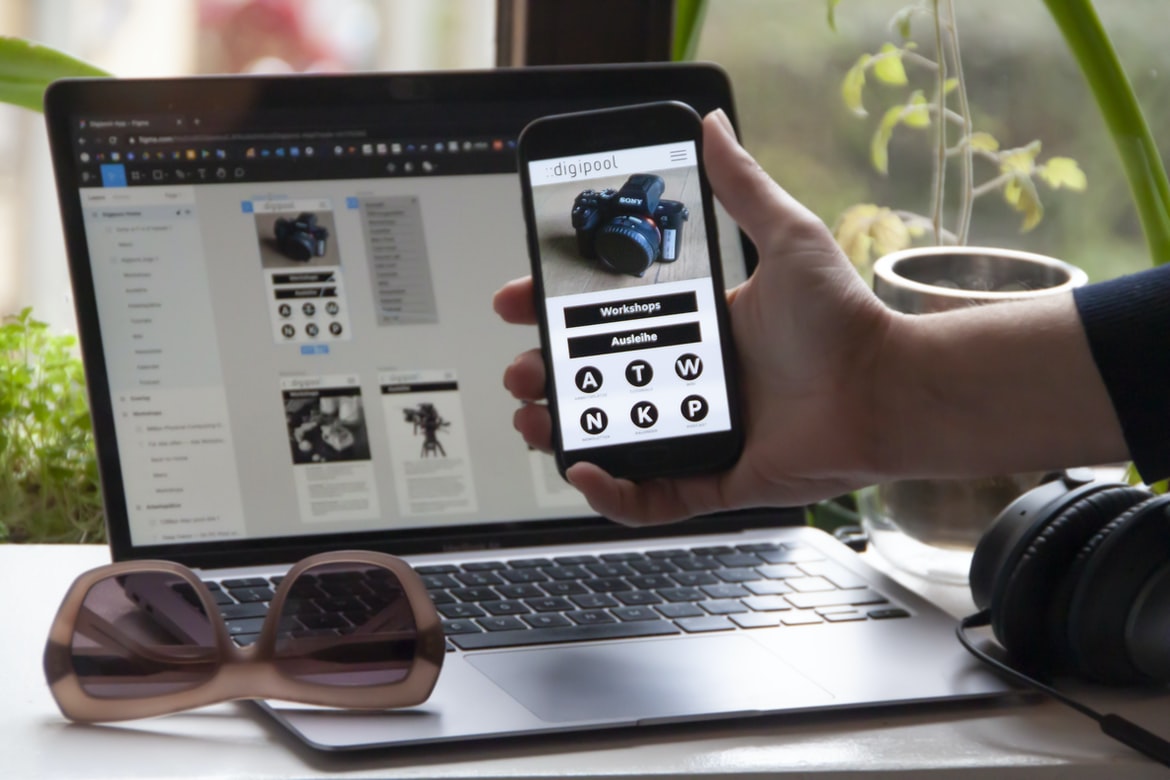
When it comes to designing a website, there are many different options that can be looked at. However, it is important to determine which option would be best for your project. If you are looking for an easy-to-use interface that will appeal to everyone, then a design using Bootstrap is the best option. If you want a more sophisticated look, then user experience (UX) designers may be better suited. However, no matter what you decide on, it is important to make sure that the website is optimised for search engine rankings and user engagement.
What are web design UI and UX?
UI design is the layout and organisation of elements on a web page. UX design is the way users interact with your website. Many times, these two design disciplines are coupled together to create one cohesive experience for your visitors.
The Basic Principles: What are the basics of web design UI and UX?
Designing a website or web application involves many different aspects, including the design of the user interface (UI), as well as the design and layout of the pages and content. In order to create an effective user experience for visitors, designers must have a basic understanding of how these various aspects work together. This article will provide a brief overview of some fundamental web design UI and UX principles, which will help you create an intuitive and user-friendly website or web application.
Elements of Web Design UI and UX: What are the essentials for web design UI and UX?
Web design UI and UX essentials include a web design grid, a web design editor, a web design toolbar, a web design inspector, layout rules, typography, and user experience. A well-designed web design UI can help improve the user experience while reducing the complexity of your website. Here are some tips to get started:
1. Use a grid to keep your website organised and coherent.
2. Keep your content focused on one main focus area.
3. Use visuals to communicate your message effectively and clearly.
4. Avoid using too much text on your website; instead, use images and videos to flesh out your data or pictures.
5. Make sure the typography on your website matches the style of the content you’re trying to communicate.
How Much Do Web Designers Charge?
Web design is an ever-growing industry. As technology advances, the demand for web designers grows with it. However, just how much do web designers charge? According to Salary.com, the median annual salary for a web designer was £172,390 as of May 2022. That said, there is a wide range of salaries for web designers based on experience and location.
According to PayScale, the average pay for a junior-level web designer is £137,000 per year. Experienced designers can earn upwards of £160,000 per year.
Navigation: How do you navigate through a website?
When you’re trying to navigate a website, it can be difficult to know where to start. Here are some tips for getting started:
1. Open the menu on the top left of your screen and select “header.” This will take you to the homepage.
2. Use the left and right arrows to move around the page. You can also use the up and down arrow keys to change channels.
3. To open a specific section of the text, use the control keys (ctrl + Alt + F4). For example, if you want to open a link in a new window, press ctrl + alt + f4 and then click on the link.
4. If you want to close all opened windows, use ctrl +Esc (Win) or q (Mac).
5. If you want to close the current page, use ctrl Page Up or Page Down (Win) or ctrl return (Mac). 6. To return to your last page, use ctrl page up or page down (Win).
Homepage Presentation: What is the homepage presentation?
Modern web design is all about incorporating user interface elements into the website design. One of the most important elements in a web design is the homepage presentation. A website’s homepage is the first and most visible page on a website. It’s where users will first see your website, and it should be designed to look inviting and invite visitors in. Here, you can show off your latest project, showcases your latest content or simply provide an overview of your company or product.
There are many different ways to create a homepage presentation. You can use screenshots from your website, videos or even written content to help give your audience an idea of what they’re looking at on your site. You can also use social media platforms like Twitter and LinkedIn to share additional information about your product or company with potential customers.
The homepage presentation is a way of indicating the main content of a website. A website’s homepage typically contains the company’s name, contact information, and other important information. Homepages can be designed in different ways to fit the look and feel of a website.
BUTTONS: How do buttons work?
Buttons have been around since the beginning of time, and they are used in a lot of different ways. In web design, buttons are often used as elements to control things like navigation or display information. Buttons can also be used to create a feeling of urgency or urgency-based design.
SECURITY: How does security work on websites?
Security is a critical part of website design, and it can be difficult to ensure that your users are able to access your site safely. Here are some tips for securing your site:
1. Use strong passwords and security measures such as two-factor authentication.
2. Minimise access to known or suspicious areas of your site.
3. Keep your site up-to-date with security patches and other updates.
4. Use secure file-sharing tools to keep files safe and private.
5. Use unique IP addresses for each user account on your site.
6. deterrents users from malicious activities, such as phishing or malware injections.
Graphic Design
Designing the perfect web design can be a daunting task, but with some basic guidelines in place, it’s not too difficult to create a website that looks great and is easy to navigate. Here are tips for designing a successful web design:
1. Start with a clean and simple design.
A well-designed website should be easy to navigate and appealing to visitors. To ensure your website looks great, start by eliminating any excess content and focusing on a sleek and simple look.
2. Use dominant colourways and fonts.
When designing elements on your website, make sure to use colours that Nazis might find appealing (or at the very least pleasing). Use dominant font families to give your site an overall look that is consistent across devices and browsers.
3. Use bold text or headlines for emphasis.
Designing a user interface (UI) for a website can be an overwhelming task. There are so many different types of designs and preferences to consider it can be hard to know where to start. In this article, we’re going to take you through a few tips on how to design a UI that will make your website more user-friendly.
Visual Communication
Web design UI UX has always been a subject of debate. Is it necessary to have a dedicated web design team for this type of project? How do you go about designing for different screen sizes and devices? What are the best practices when it comes to using fonts and colour? And what is the most important thing to remember when creating user interfaces?
Visual Communication Vs Graphic Design
There is a clear divide between visual communication and Graphic Design when it comes to UI design. Visual communication refers to the way a website or app looks, while Graphic Design refers to how the user interface looks and feels. Here are the reasons why:
1. Visual Communication Is More Accurate: Look at any website or app, and you’ll see that most of them are designed in a simple, crude style. This is because it’s easy for users to understand what the site or app is all about – they just need to look at the visuals and figure out what they want to see. This is not the case with Graphic Design, which requires more precision and finesse in order to create an effective user experience.
2. Visual Communication Is More Relevant: Graphic Design relies more on the user s understanding and preferences than that of a website, which is designed for people to arrive at. This is because a website is not an exact representation of what users may want to see.
Application of Graphic Design: Adobe Photoshop, Adobe Illustrator, Adobe InDesign
In recent years, graphic design has become a key part of web development. It helps create user interfaces for websites and can be used to create logos, designs for products, and more. Adobe Photoshop is one of the most popular graphic design programs out there, and it can be used to create high-quality designs. Adobe Illustrator is also a popular program, and it can be used to create logos and other graphics. InDesign is another popular program that can be used to create user interfaces for websites.
Figma, Adobe XD, WordPress, Elementor.
Figma is a design platform that enables users to create and share designs with other users. Adobe XD is an Adobe Photoshop plugin that makes use of Figma to make design workflows more efficient. Elementor is a free WordPress content management system that makes it easy to create and manage websites.
What is Visual Communication in graphic design?
Visual Communication in Graphic Design: Tips for Making Your Designs More Effective
As graphic design professionals, we understand the importance of effective visual communication. In this article, we will discuss some tips for making your designs more effective. By following these tips, you can create more informative and influential pieces that will be well-received by your audience.
What Is A Prototype?
Prototyping is the process of creating an early version of a design or product in order to improve the idea, feasibility, and usability. There are many different types of prototypes, each with its own benefits and drawbacks. Here are four main types of prototypes: wireframes, designs for testing, demos, and prototypes for production.
Wireframes are the simplest type of prototype and can be used to create a rough idea of the user interface. They can be created on a computer or on paper. They can be used to test the idea before it is finalised.
Designs for Testing
Testing is important because it helps determine whether the idea is feasible and useful. It can also help find any potential problems with the design before it is released to the public.
How to Test Your UX/UI Design For Maximum User
If you want to design a high-quality user interface for your website or web app, there are a few things you need to know. First, the user’s experience should be your top priority when designing your UI. Second, make sure your design is easy to use and navigate. Finally, test your designs before finalising them.
How can UX/UI design improve user experience?
UX design is the process of creating user interfaces that are effective and appealing to users. It can help improve the usability and comfort of a website or application. In order to create an effective UX, designers must understand how users interact with their interfaces. This article will explore how UX design can improve the user experience on a website or application.
The first step in improving the user experience is understanding how people interact with their interfaces. UX design can help improve the flow of traffic and make interactions more pleasurable for users. By understanding how people use their interfaces, designers can create designs that are efficient and easy to use.
Designers should also consider what types of interactions people want to have with their websites or applications. If a website or application is aimed at a specific audience, then it may be necessary to focus on those needs in order to create an effective UX.
What are some of the best practices for UX/UI design?
UI design is one of the most important aspects of web design. Even though there are many different ways to approach UI design, some good practices to follow when creating a well-designed web page are as follows:
1) Make sure your website is easy to navigate and your user interface looks clean and organised. This will help your visitors feel more comfortable and welcome on your site.
2) Use a consistent font family, typeface, and colour throughout your entire website. This will help users find what they need quickly and easily.
3) Use easy-to-read fonts for text heads and buttons on your website. This will make reading pages more fun and engaging for users.
4) Place images correctly on the page so that they look big and prominent.
How does UX/UI design help achieve business goals?
UX design is a process that helps achieve business goals by providing guidance for the user interface. By understanding how users interact with the UI, designers can create interfaces that are intuitive and comfortable to use. This information can be used to develop requirements for the user interface and then refine the design to ensure it meets those requirements.
UXUI design has the ability to help business goals by supporting user feedback and understanding. The process begins with choosing the right user interface design for a company. Once these designs are chosen, they need to be implemented into existing web pages and applications in order to provide an effective user experience.
What are the key elements of a successful UX/UI design?
UX design, as with any aspect of web design, starts with a clear understanding of what the user wants. In order to create an effective and beautiful user interface, designers must first understand the different elements that make up a user’s experience.
The following are some key elements that should be included in any successful UX design:
-Layout: The layout of the UI should be designed to match the structure of the website. This will ensure that all content is laid out correctly and that users can easily find what they need.
-Design: The design of the UI should be simple and sleek looking. This will help users feel comfortable using it and also make it look good on all devices.
-Functionality: The functionality of the UI should be easy to use and navigate.
What tools and technologies are used in UX/UI design?
UI design tools and technologies can be used in a variety of ways to create user interfaces that are both effective and efficient. Some popular tools used in UX UI design include the use of drag-and-drop devices, grids, animations, and shells. Additionally, designers often use motion graphics and visuals to provide more engaging user interfaces.
How important is usability testing in UX/UI design?
As a web designer, you may be wondering how important usability testing is in your design process. In fact, a large percentage of the success or failure of a website or application can hinge on how well users interact with it. It’s no secret that improving user experience (UX) is an essential part of any web designer’s arsenal. But what exactly does usability testing involve?
In general, usability testing helps designers ensure that the website or application is easy to use and navigate. It also provides feedback on how users interact with the design, colours, text, and other elements. By measuring how well users struggle to use a website or application, designers can make changes and improvements that will improve user experience over time.
One common type of usability testing is interviews.
What challenges can arise during the development of a UX/UI design project?
UX design challenges can arise during the development of a web design UI project. These challenges can include but are not limited to choosing the right design elements, effective location and positioning of elements, creating consistent user experience across devices, and ensuring that designs are visually appealing.
What are the best UX and UI tips to increase user engagement?
There are a few things that can be done to increase user engagement on websites. One is to use effective UX techniques, which include creating user-friendly interfaces and making sure the website looks good. Another thing to consider is how the website can be designed so that it Appeals to Users. There are many different tips and tricks available to help make websites more user-friendly, appealing, and engaging.
What are the key elements of effective UX design?
Effective web design UI UX includes creating a user interface that is easy to use and navigate, using effective typography and colouration, and providing clear and concise information.
UX design is the process of creating user interfaces that are effective and attractive to users. There are a few key elements to successful UX design, which include understanding the user’s needs, designing an interface that is intuitive and easy to use, and using effective typography and colour.
How can UI design be used to improve user experience?
UI design has become an important part of web design in recent years, as the user experience is key to any website or app’s success. By improving the user experience for users, designers can create a more positive user experience that will encourage them to come back again and again. Here are tips on how to improve user experience in your web design projects:
1. Use consistent colours and aesthetics throughout your project.
When designing a website or app, it is important to keep things looking clean and modern. This will help people feel confident when using your site or app, and it will also look good on all devices. You can use similar colours and styles throughout your project, so users will be able to see what you’re trying to achieve from A-Z without having to search for it.
2. Keep things simple and easy to understand.
Web design UX
When creating a website, it is important to keep things simple and easy to understand. This can help users find what they are looking for quickly and easily. There are many different ways to approach web design, but keeping things simple will help you achieve the goals you set for your website.
What processes should be followed when designing a user interface?
Designing user interfaces involves taking into account the user’s needs and wants in order to create a beautiful, intuitive experience. Following these processes when designing your interface can help make sure that your users will love what they see.
1. Research the user’s needs before starting to design
Before you even start designing your interface, you need to first understand the user’s needs. This can be done through surveys or interviews or by studying how the target audience interacts with other systems like websites and apps.
2. Build a prototype of your design
Once you have understood the user’s needs, it is time to build a prototype of your design in order to get an idea of how it would look and feel on different devices.
User interfaces should be designed based on the user’s needs and requirements. This will help improve the overall user experience and prevent potential problems.









