

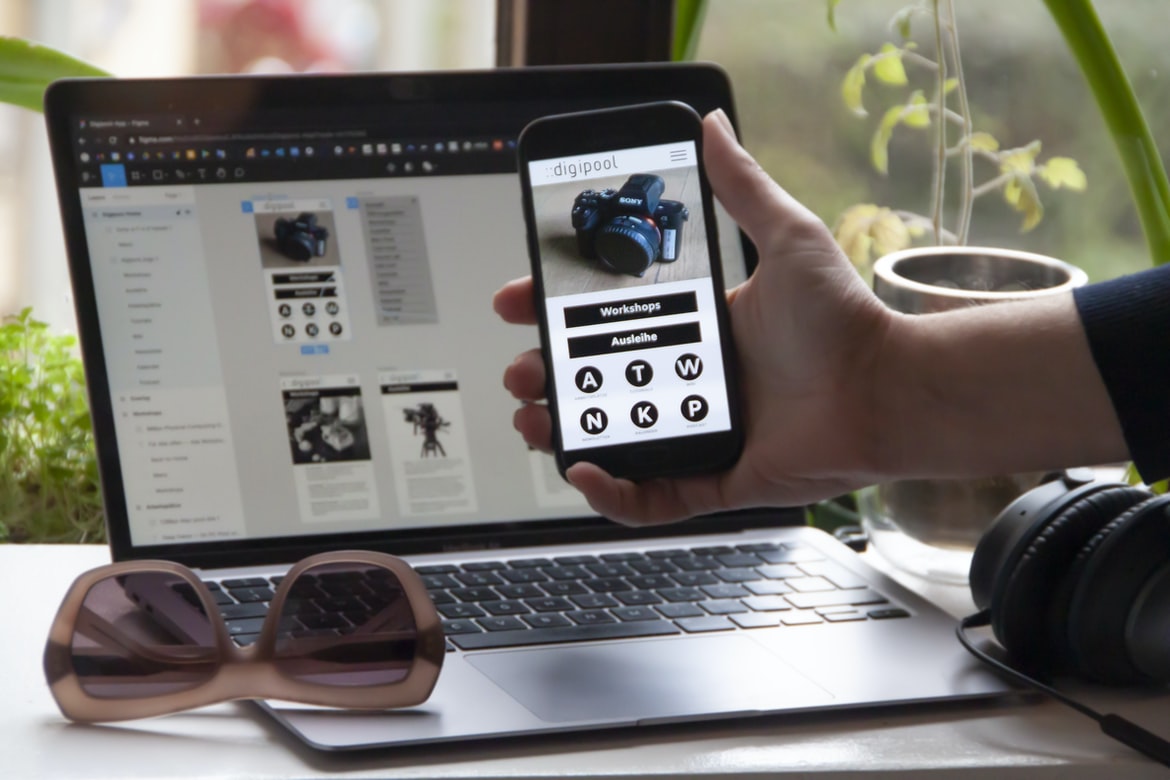
What is user experience, and how does it relate to graphic design?
User experience is the overall feeling that a person experiences when interacting with a product or service. It encompasses the whole process from first contact to completing the task at hand. User interface (UI) design is the process of creating an interface that makes using a product or service easy and fun for users. Good UI design ensures that every step in the user’s journey is thoughtfully designed and well-executed. The goal is to make sure that users have an enjoyable experience and are able to achieve their goals as quickly and easily as possible.
User interface: The components of a user interface that affect the user’s experience.
User interface design is an important part of graphic design. The components of a user interface that affect the user’s experience are graphics, layout, and animation. Graphics are the images and icons that appear onscreen. The layout is how the graphics are arranged on the screen and affects how quickly the user can find what they’re looking for. Animation can make parts of the user interface pop off the screen or change in response to user input. All three aspects of user interface design contribute to a good experience for users.
Usability: How easy is it to use the interface, and how well does it respond to the user’s needs?
Usability is the ease with which a product or service can be used by the average person. It can be measured in different ways, but one common way to measure usability is to ask people how easy it is to use the interface and how well it responds to their needs.
A website’s usability can vary greatly, depending on the features and design of the site. For example, a website that sells products may have an easy-to-use shopping cart interface, while a website that provides information about local events may have a less user-friendly interface. The key aspects of a site’s design that affect its usability are the layout and graphics. Poor layout can make it difficult to find what you’re looking for, while choppy or blurry graphics can cause users difficulty reading text and making selections.
Appearance: How well does the design look and feel?
When it comes to graphic design, one of the most important aspects is how well the design looks and feels. There are a number of different factors that can influence this, from the typeface used to the layout and colour scheme. However, there is one key factor that is often overlooked – user interface (UI).
A good UI can make a bad design look good, and vice versa. Poor UIs can irritate users and lead to them abandoning a site or app. They can also be confusing or difficult to use. In some cases, they can even be dangerous – for example, if they contain hidden buttons that allow attackers access to your computer.
There are a number of ways to improve your UI design. One way is to make sure all elements are clearly labelled and easy to find.
Functionality: Is the design easy to learn and use?
Functionality is one of the most important aspects of any design. If the design is easy to learn and use, users are less likely to have frustration or difficulty using it. This can lead to decreased user satisfaction and, ultimately, a decrease in brand loyalty. There are many factors that go into creating a user-friendly design, but some key considerations include making sure all elements of the design are easily accessible, providing clear instructions for how to use them, and ensuring that everything works as intended. It’s also important to consider the overall aesthetic of the design – does it look appealing and professional? If so, users may be more likely to stick with it long-term. Overall, usability is one of the most important factors when designing a graphic design – make sure you take it into account during your development process!
What Is Bad Ux?
User experience (UX) is the totality of a person’s experience with a product or service. It encompasses the entire process of designing and building an interface, from initial concepts to final execution. Poor user experience can lead to abandonment and even negative word-of-mouth marketing.
Poor user interface (UI) design can cause frustration for both users and designers alike. Poorly designed menus, buttons, and labels can be difficult to understand and navigate. Incorrect inputs may result in errors or unexpected results. An inefficient page layout can make it difficult for users to find what they’re looking for or get around the site quickly.
Poor user interface design can also create barriers for new users who may not be familiar with how a site works or who may have difficulty using common navigation tools.
Creativity: How well does the design inspire creativity in users?
Graphic design has long been seen as an essential part of any successful brand. However, the effectiveness of graphic design on creativity in users has remained largely uninvestigated. In a recent study, it was found that users with high levels of creativity are more inspired by well-designed interfaces than those with low levels of creativity. This suggests that good graphic design can actually boost creativity in users.
What is user experience?
User experience is the total experience of a person using a product or service. It encompasses both the tasks the user must complete to get what they want and the physical and emotional aspects of interacting with a product. Good user experience includes making sure all elements work together smoothly, providing clear instructions, being responsive to feedback, and being easy to use. User experience can be improved by taking into account the different types of users and how they will interact with the product.
The role of the user interface in graphic design
User interface (UI) is an important part of graphic design. It can make or break a design, and it’s essential to consider the user when designing a UI. Here are tips for creating a great user interface:
1. Be transparent and clear with your designs. Don’t bury your users under layers of complexity and information they don’t need. Keep things simple and easy to understand, especially at first glance.
2. Use intuitive controls and interfaces. People use computers every day, so make sure your controls are easy to use and fit seamlessly into the overall design. If possible, go beyond traditional buttons and menus to incorporate more dynamic options that respond naturally to user input.
3. Make it easy to navigate and find what you’re looking for. Give users direct access to the information they need without having to search through hidden menus or screens.
What is user interface design?
User interface design is the process of designing the look and feel of a graphical user interface, or GUI. A GUI is the main window that users see when they are using a computer or other electronic device. User interface designers must consider how users will interact with the GUI, what features will be available, and how best to display them.
Principles of good user interface design
An effective user interface design is based on three principles: ease of use, efficiency, and satisfaction.
Ease of use refers to the design elements that are easy to understand and use. This includes putting important information in plain view, providing feedback quickly, and using icons or other visual cues to simplify navigation.
Efficiency refers to making the most use of screen space. User interfaces should be simple and organized so that all the necessary information is available at a glance.
Satisfaction refers to ensuring that users feel happy with the user interface design. This means creating a UI that is visually stimulating and easy to navigate without requiring too much input from the user.
Guidelines for implementing user interface design in graphic design projects
Creating user interfaces for graphic design projects can be a daunting task. There are many different ways to do it, and the best way to approach it depends on the specific project. This article provides some general guidelines for designing user interfaces in graphic design projects.
First and foremost, it’s important to consider the goals of the user interface. What does the user want to achieve? What are their goals for using the interface? How will they use it? These are critical questions that need to be answered before designing anything.
Once you know what the user wants, you need to figure out how they will interact with your interface. Will they use a keyboard only or a mouse? Do they have any special requirements, like a high-resolution display? All of these factors need to be taken into account when designing an interface.
Motion Graphic Design
Motion graphic design is a type of graphic design that focuses on the use of video and animation to create a more striking, effective, and appealing presentation. It can be used for any type of content or project, from website logos and graphics to advertising campaigns and video presentations. In order to create a motion graphic design that reflects the needs of the user, it is important to understand how they interact with your content and what their preferences are.
Animation Design
Animation design is the process of creating an image or motion with the intention of conveying a message. This can be done for anything from a logo to an entire movie. A designer’s goal is to create an appealing and visually engaging product that will have an impact on its viewers.
There are many different design principles that must be considered when creating animation, such as motion graphics, typography, colour theory, and layout. Proper research is also essential in order to ensure that the animation looks consistent with the brand or product it represents.
Once the design is finalized, it must be tested extensively before being released to the public. This involves pairing it with different content types (like ads or website designs) in order to gauge how people respond. If everything goes according to plan, viewers should be able to follow the story without any difficulty and feel engaged throughout the experience.
WordPress for Designers
WordPress is a popular content management system that can be used by designers to create a professional website or blog. WordPress has an easy-to-use interface and is versatile enough for any design project. Here are tips for using WordPress to design better websites:
1. Use WordPress as your main content management system (CMS). WordPress is user-friendly, flexible, and customizable, making it the ideal platform for designing custom websites and blogs.
2. Use the built-in features to create layouts and designs quickly and easily. You can use the drag-and-drop editor to create custom layouts or use pre-made templates.
3. Use themes to customize your website’s look and feel. There are hundreds of themes available in the WordPress theme repository, so you can find one that best suits your needs.
What Is Elementor Website WordPress Plugin?
Elementor Website WordPress Plugin is a plugin that helps you to create professional-looking websites with ease. It has an intuitive user interface and a wide range of features that will help you to create stunning layouts and graphics for your website. Elementor Website WordPress Plugin makes it easy to add custom content, set up social media links, and more.
Figma
Graphic design is a process of designing visual representations of information using both traditional and digital mediums. The goal of graphic design is to communicate a message or idea to the viewer, and it can be used in many different industries.
One popular tool for graphic designers is Figma. Figma is software that allows users to create user interfaces, illustrations, and other types of graphics. It has a user-friendly interface that makes it easy for beginners to learn, and it has features such as vector drawing capabilities and infinite canvas sizes.
Figma’s user interface makes it easy for beginners to learn how to use the program, which makes it an ideal tool for those who are new to graphic design or who need an easier way to create graphics.
Adobe XD
Adobe XD is a design software that has been designed to be fast, efficient, and intuitive. Adobe XD gives users the ability to create graphics layouts with ease. The user interface is designed in a way that makes it easy for users to understand what they are doing.
Design Mobile App
Designing a mobile app requires thoughtful consideration of user experience, user interface, and graphic design. Here are tips for creating an effective mobile app:
1. Keep the focus on the task at hand. Make sure your users can easily access what they need, and don’t bog them down with superfluous features or distractions. Users will quickly lose interest if they have to fumble around to find what they want.
2. Use simple and intuitive designs. Don’t overload users with too many options or controls, and keep all visuals simple and easy to understand. You also want people to be able to navigate your app quickly and comfortably, even in low-light conditions or when their hands are busy.
3. Respect users’ time by making sure apps are short and sweet.
Creating a mobile app is an exciting process, but it can be difficult to get the design right. User experience is important for both users and developers, and it’s essential to create a user interface that is easy to use and looks nice. Here are some tips for designing your mobile app:
1. Test your designs with real users early on in the development process. Make sure that all the elements of the user interface work as intended and that the overall look and feel are appealing. This will help you avoid any nasty surprises later on when users start using your app.
2. Keep things simple where possible. Users often have short attention spans, so try to make your app as easy to use as possible. Use intuitive icons and buttons, and make sure all of your text is easily legible.
It is no secret that users are increasingly critical of the design and usability of different applications. In order to ensure that all users have an enjoyable experience with your application, it is important to design a user interface that is accessible and easy to use. Here are a few tips for ensuring your user interface is user-friendly:
1) Make sure all text is easily legible. Use large typefaces, contrast colours, and clear layout designs in order to make information easy to read.
2) Use concise instructions and icons when possible. Users will appreciate being able to quickly understand what needs to be done in your application.
3) Avoid unnecessarily complex designs. Users will become frustrated if they cannot understand or access the features of your application quickly.
4) Use spatial design principles when designing screens and menus.
What is Visual communication in graphic design?
Visual communication is the process of creating a message that is visually appealing to the user. Visual designers must understand how users interact with their designs and make sure that all of the visual elements work together to create a cohesive and effective experience. The following are some key concepts that are important for visual communication in graphic design:
Message: A graphic design project should have a clear message that can be conveyed through the design itself. This message should be consistent throughout all aspects of the project, from logo design to web graphics.
Design Process: A good visual communication process starts with establishing a goal for the project and then designing it. Every part of the project should support and enhance the overall message.
User Interface: User interface (UI) is one of the most important aspects of any design project. It is the part of the design that a user will interact with. The UI should be functional, beautiful and easy to use. Sitemap: It is important to have a well-organized website that is easy to navigate.
Visual communication in graphic design is the use of visual elements to communicate ideas and messages. Visual elements can be anything from typefaces to images to illustrations. They can be used on their own or in combination with text, and they can help convey a message either overtly or covertly.
In graphic design, visual communication is often about creating a balance between form and function. It’s about designing an interface that looks good and works well without taking away from the user experience. Good visual communication should be easy to understand and use while also conveying your brand’s tone and personality.
Visual communication can take many different forms in graphic design, but there are some basic principles that always need to be considered. First and foremost, it’s important to think about how your users will interact with your project. What are their needs?
Application of Graphic Design: Adobe Photoshop, Adobe Illustrator, Adobe InDesign
Graphic design is the process of creating visual communication for an intended audience. Graphic designers use a variety of software programs to create graphics for the web, print, and other mediums. Adobe Photoshop, Adobe Illustrator, and Adobe InDesign are three popular graphic design software programs. User experience (UX) is one of the most important factors when designing graphics. A well-designed interface will make using the program easy and efficient. The following paragraphs discuss user experience and user interface in more detail.
Adobe Photoshop has a well-designed interface that is easy to use. The program includes tools that are commonly used by graphic designers, such as layers, masks, tools for tracing images, text tools, and shape tools. The users can also export their designs to various formats such as PNG, GIF, or JPG.
Graphic design is in demand.
Graphic design is in demand more than ever before. With the rise of technology and the need for user experience, graphic designers have become a valuable commodity. Here are the reasons why:
1. Graphic design is crucial for user interface designs. User interfaces must be easy to use and aesthetically pleasing if they are to be successful. Good graphic design can make a great user experience even better.
2. Graphic design can help create a company’s brand image. A well-designed logo or website can help set a company apart from its competition and generate trust among customers.
3. Graphic design can improve overall communication skills. By creating effective visuals, a designer can help explain complex concepts more easily to others, hopefully resulting in a better understanding of the message being conveyed.
4. Graphic design is an essential part of any marketing campaign.
Graphic design is an essential part of any marketing campaign. With the right graphic design, a company can create a cohesive and attractive brand that will resonate with its target audience. Good graphic design not only looks good but also helps to improve user experience and interface usability. Here are ways that good graphic design can help to achieve these goals:
1. It can help to create a cohesive brand identity.
2. It can improve user experience by making information more accessible and visually appealing.
3. It can help to make a website more user-friendly and intuitive by creating an attractive interface layout.
UI UX is in demand
UI UX is in high demand these days as more and more companies realize the importance of making their interfaces look appealing and easy to use. According to a study by Interaction Design Institute (IDI), more than half of American adults are unhappy with the look and feel of most user interfaces. This means that there is an enormous opportunity for businesses to improve their user experience by hiring skilled UI designers.
One way to make your user interface look appealing is to use colourful, eye-catching designs. This will help make your interface stand out from the competition and make it easier for users to find what they’re looking for. Another important factor when designing a user interface is to take into account the different devices that people may be using. For example, users who are using mobile devices should be given preferential treatment when it comes to layout and design.
UI UX is in demand. Not only are people looking for great user interfaces, but they also want them to be easy to use. In order to create a great user experience, it is important to have a clear understanding of how users interact with your website or app. User interface designers can use research and testing to help them create an interface that is easy to use and improves the overall experience for users.
Web Design is in demand.
Web design is in demand, and for a good reason. Great websites are not only visually appealing, but they can also be user-friendly and efficient. Whether you’re a business looking to increase profits or an individual looking to improve your online presence, good web design is essential.
Here are some tips on how to get the best web design possible:
1. pay attention to user experience – whether it’s making sure your website is easy to navigate or accommodating different device types, making sure users have a great experience is key.
2. focus on the user interface – make sure all of the buttons and features are easy to find and use. In addition, consider using clear and concise language when writing content so that even novices can understand it.
3. use visuals effectively – creating stunning visuals that help tell your story is crucial for a successful website.
A website must be designed well if it is to be successful. A well-designed website conveys a message to the viewer while providing an easy and user-friendly experience. Graphics, colours, and layout all play a role in this success. User experience and interface design are equally important for websites. Without good storytelling, the site will not be engaging or useful.
Design Mobile App is in demand.
According to a recent study, the demand for designing mobile apps is on the rise. More and more businesses are looking for creative designers to create beautiful and functional apps that will help them interact with their customers. If you have a knack for visual design and enjoy working with software programs, this may be the career for you!
There are many different ways to build a successful design career in mobile app development. You can start by creating stunning visuals for your app’s user interface (UI). You can also focus on developing innovative features or improving an existing ones. Or you could work on branding and marketing materials for your app. Whichever route you choose, it’s important to have a solid understanding of User Interface Design Principles.
Understanding the principles of user interface design can help you create a more intuitive and user-friendly experience for your users. Here are key principles to keep in mind:
1. Keep it simple. Your user interface should be easy to understand and use, without too many bells and whistles.
2. Use feedback loops. Make sure that you provide feedback to your users so that they can know how their actions are affecting the system. This will help them learn and become more comfortable with using the system.
3. Respect the user’s environment. Make sure that your user interface looks and behaves in accordance with the surrounding environment—no pop-ups or sudden changes should occur unexpectedly.
4. Be consistent across devices and platforms. Your user interface should look good and function equally well on all types of devices, from desktops to smartphones to tablets.
Designing mobile apps is in demand. Graphic design, User experience User interface are the most important factors for a good mobile app. A well-designed and user-friendly mobile app will make people want to use it, and keep using it. It’s important that the graphic designer focuses on creating a great user experience by designing an intuitive and attractive interface. The goal is to make the app feel like an extension of the person using it, not a separate entity.









