

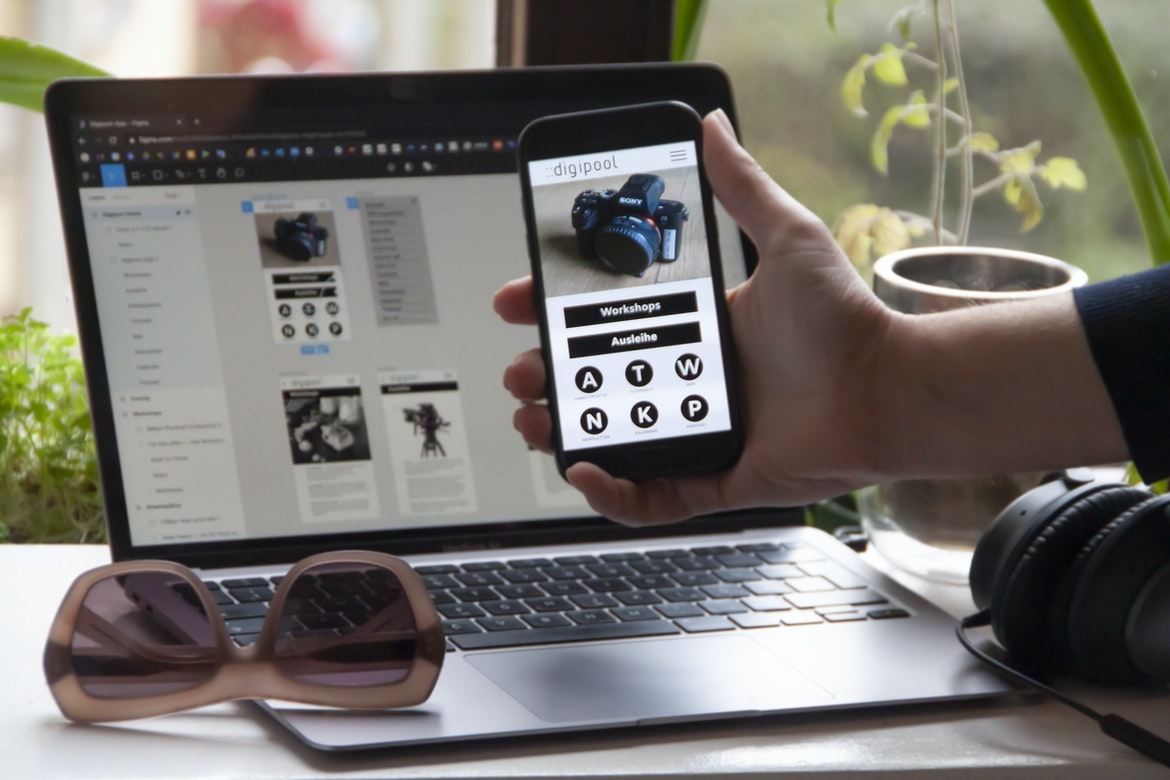
What is user experience (UX)?
User experience (UX) is a term used to describe the way in which a user interacts with a product or service. UX can be described in different ways but often includes elements such as user feedback, design and methodology.
Goals of user experience design: To create an effective and pleasurable user experience for a product or service
One of the key goals of user experience design is to create an effective and pleasurable user experience for a product or service. In order to achieve this, designers must consider the different factors that affect a person’s experience with a product or service. One such factor is how the user interface looks and feels. A good user interface will provide users with the information they need and make them feel comfortable using the product. However, a bad user interface can cause users to feel uncomfortable and lost.
Principles of UX design: Usability, ergonomics, accessibility, functionality, and visual appearance
It is now widely accepted that user experience (UX) design is one of the most important aspects of creating a successful website or application. In this article, we will explore the principles of UX design and how they can be used to create an environment that is easy to use, comfortable to work in, and visually appealing.
Elements of user interfaces: Design principles
User interfaces are the design principles that help create and shape a user’s experience with an application. In designing user interfaces, designers must adhere to certain design principles. These principles include favouring ergonomics, using whitespace for organization, making the interface easy to understand, and using a consistent design style across different devices.
Colours, fonts, and graphic style: The basic elements of graphic design
Fonts, colours, and graphic styles are the basic elements of graphic design. By using these three basic elements, you can create a beautiful, user-friendly interface that will look great on any device. Here are some tips to help you get started:
1. Choose the right font: It’s important to choose a font that is both stylish and functional. Look for fonts that are large and bold, so they’ll stand out against the background text.
2. Color your interface with hues: You can use different colours to make your interface more visually appealing. For example, if you want blue arrowheads in your main navigation bar, use a blue colour while the other elements (such as text) are violet or green.
3. Use images: Images can be used to add excitement or contrast to your interface.
How to choose the right font for a user interface: Fonts, typefaces, and file formats
When designing a user interface, it is important to choose the right font for the specific needs of the users. Fonts can provide an accurate and easy-to-read representation of text, while typefaces can be used for clean, modern designs or for more formal texts. File formats can also be used when designing user interfaces such as PDFs and EPS files.
How to choose the right colour for a user interface: Colors, palettes, and colour theory.
Are you looking to choose the perfect colour for your user interface? Colours can make a huge impact on how a user feels and looks, so it’s important to get them right. Here are three tips on how to choose the right colour:
1. Decide what type of user you want to design for: business, office, or personal use.
2. Consider what kind of environment you want your user interface in: outdoors or indoors?
3. Choose a palette that works well with your overall visual style.
What is the career outlook for a graphic designer?
Graphics design is an ever-growing field with many opportunities for aspiring graphic designers. In recent years, the industry has seen a shift in focus towards user experience (UX) design. While there are still many opportunities for graphics designers to work on projects that take into account both designs and user experience, the outlook for the career is gradually changing. Here, we will explore some of the reasons why this may be so and what steps you can take to ensure that your future looks promising.
First, UX design is becoming more popular due to its ability to change how users interact with products and websites. This means that designers no longer have to create complex designs or interfaces that address all possible uses case; instead, they can focus on developing simple but effective solutions that make users’ lives easier.
Second, UX design is incredibly versatile.
Designing user interfaces can be extremely versatile. In fact, it can be used in a number of different ways to create engaging and successful experiences for users. However, second, UX design is important in order to ensure that the user experience meets or exceeds the expectations of your target audience.
How does graphic design relate to other careers?
Graphic design is related to other careers in many ways. For one, it can be used as the basis for designs that are associated with visual communication. In terms of technology, graphic designers use a variety of tools to create designs, including computers and software. They also have a lot to work with when it comes to content, which can be found in both printed and digital formats.
What are the benefits of learning graphic design?
Graphics design is a way to express ideas and communicate information through design. It can be used for both personal and commercial purposes. The benefits of learning graphic design include the following:
-Graphic design can be used to create effective user interfaces that are easy to use and understand.
-It can help you improve the appearance of your website or app.
-Graphic design can help you create elegant designs for logos, illustrations, and other visual elements.
What are some examples of things you can do with graphic design skills?
Graphic design skills can be used in a variety of ways when it comes to user experience. Some examples include creating layouts and graphics for websites, designing logos and icons, and crafting user interfaces. When used correctly, graphic design skills can help create a successful user experience for any organization.
User Interface Guidelines
User interface design is the process of designing a user interface for a computer system. A user interface is a display on a screen of how the system should function, including all icons, text, and graphics. It can be used to control the performance or functionality of a computer system.
UX Vs Graphic Design
User experience is the overall experience of using a computer or other electronic device. User interfaces, or how people interact with computers and other electronics, are the design that describes how users should be able to use a computer or other electronic device. There are many different types of user interfaces, but some common ones include desktop applications, mobile apps, handheld devices, and web browsers.
One of the biggest differences between UX and graphic design is that UX designers focus on how people use their computers and other electronics. Graphic designers, on the other hand, focus more on creating beautiful designs that look good on paper. However, they can also help create user experiences that are more comfortable and efficient for users.
UI Vs Graphic Design
UI vs Graphic Design: What’s the Difference?
When it comes to user interfaces, there is a big difference between Graphic Design and UI. While Graphic Design focuses on creating user interface designs that are visually appealing, UI takes into account how people interact with your product or service. As such, it can play a more important role in how users feel about your product or service. So, which is better for you?
If you need a product or service that will be seen by a wider audience, then UI is the better choice. However, if you want to focus on developing products that are specifically designed for users’ needs and wants, then Graphic Design is the way to go.
Usability And User Experience Design
The user experience (UX) of a website or application is the way that users interact with the site or application. It can be described as how easy it is for people to use and find the information they need. UX design is the process of designing an overall user experience for a product or service. There are two main goals of UX design: creating an environment that makes the user feel comfortable and effective and improving the usability of a product or service.
People have different preferences when it comes to how they want their websites or applications to look and feel. Some people like simple designs with bright colours, while others prefer complex designs with lots of details. The important thing is to create an environment that makes the user feel comfortable and effective without making them too overwhelmed or uncomfortable.
User experience design is the process of designing a user interface or user experience for a computer system. It takes into account the needs of users and their interactions with the system.
Motion Graphic Design
Motion graphic design is a medium that uses graphics to communicate information. It can be used for marketing, advertising, or even just for expressing ideas. Motion graphic design can be used in a variety of ways to create an overall user experience.
User Interface Animation Design
In order to create an effective user interface, designers must understand the different factors that influence how users interact with a design. User experience (UE) is the overall feeling or experience that a user gets from using a product or service. UI design is how the user interface appears to the user, and it can affect how people interact with a product or service. UI design is important because it affects how people feel when using a product or service, and it can determine whether users are likely to return to a product or service.
Motion Graphics UI UX
When it comes to user interface design, there are two main schools of thought: user experience (UI) and graphic design. Both have their pros and cons, but which one is right for your project? In this study, we compare the two approaches to see which one is better for you.
WordPress for Designers
Designers may be considering WordPress as their go-to platform for website design. While there are a number of differences between WordPress and other platforms, the user experience is still very similar. So, if you’re looking to start designing websites with WordPress, here are four tips to help you get started.
WordPress Elementor for Designers
Designers, if you’re looking to take your WordPress site to the next level, Elementor is a valuable toolkit at your disposal. Elementor lets you create design solutions that are both intuitive and visually appealing. Whether you’re starting from scratch or using a preexisting template, Elementor will help streamline your work.
Figma
Figma is a new user interface design platform that allows for quick and easy design of user interfaces. The platform has caught on with designers and developers who are looking to improve their workflow. Figma has made it easy to design user interfaces that are simple, intuitive, and efficient.
Adobe XD
Adobe XD is a powerful graphics tool that can be used for a variety of tasks, such as designing user interfaces and web pages. While the user interface design program is easy to use, some users find it difficult to understand how the tool works. This study found that Adobe XD’s user experience was better than most programs.
Adobe XD is a new design program that is designed to make the user experience with your designs more efficient. It has been compared to the original Adobe Photoshop and has been found to be more stable and user-friendly.
Visual Communication
The study of user experience (UX) and user interface design (UI) has become increasingly important in the modern computer-based world. This is because, as technology advances, users are becoming more accustomed to interacting with digital devices through various forms of communication, including visuals. In order to cater for this growing demand, designers must become familiar with both UX and UI.
However, how do you design for different types of users? People, who use a touch screen or a mouse? Those who use headphones or have a headset on? And those who are using a tablet or smartphone? These are some of the many difficult questions that designers must answer when designing for different types of users.
What is Visual communication in graphic design?
Visual communication in graphic design is the creation of symbols and signs that communicate information to users. It may involve creating designs for printed or electronic documents, but it is also used in web and mobile design. The goal of visual communication is to make a message clear, unambiguous, and visually appealing to the user.
Application of Graphic Design: Adobe Photoshop, Adobe Illustrator, Adobe InDesign
Graphics design is a vital aspect of any website or application. It can add personality, style and functionality to an online presence while also helping users interact with the site or application. In recent years, Adobe Photoshop and Adobe Illustrator have become popular graphic design tools. This makes them perfect for creating designs that are both professional and user-friendly. However, which one should you use for your next project?
Adobe Photoshop, Adobe Illustrator, and Adobe InDesign are three of the most popular graphic design applications on the market. Each application has its own unique set of capabilities and user experience. Here’s a look at how each application compares to one other in terms of popularity, features, and ease of use.
Web Design
The difference between user experience (UX) and user interface (UI) design can be hard to define. But regardless of the difference, both designs should meet certain requirements in order to be effective and efficient.
First, UX designs should be intuitive and easy to understand. Second, they must be visually appealing and provide a positive user experience. Third, UI designs must be sleek and modern looking in order to represent the company’s brand well. Lastly, both designs should support an efficient website navigation system.
How Do You Style Your Website?
There is no one definitive way to style a website. However, there are some general tips that can help improve the user experience and make your site more visually appealing.
1. Choose a clear and concise design language.
2. Use strong typography and graphics to communicate your message.
3. Keep the layout simple and easy to use.
4. Use images sparingly and only when necessary.
5. Emphasize interactivity and social media features on your site.
User experience (UX) is the overall experience of a website, which may be composed of user interface (UI) and content. In order to create a good UX, you need to take into account the following:
-The users’ needs and preferences
User experience (UoE) is often seen as a necessary evil in design, while user interface (Ui) is more often thought of as the gold standard. But what do users really need, and how do they prefer it? A study carried out by Kantar Worldpanel has revealed that users’ needs are quite different when it comes to both UoE and Ui. In fact, according to the study, only around 60% of users think that their current design is satisfactory – an increase from 50% a year earlier. To this end, companies need to take into account the preferences of their target market when designing their interfaces.
-The design principles you want to follow
-What kind of user experience do you want your customers to have?
User experience (UX) is the overall experience your customers have with a product or service. It includes how customers feel when using the product, how it looks and feels, and how it works. User interface (UI) is the design of the user interface elements on a computer or other device. It includes everything from the layout of windows to how buttons are placed.
Mobile Graphic Design
Mobile graphic design is a growing trend in the field of design. Many people feel that it provides a more personal and unique experience when using a mobile device. Some argue that it makes it difficult to create an effective user interface, but this opinion is quickly changing.
When it comes to graphic design, there is a lot of debate as to which method is better. Some say user experience (UX) is the key to success when designing a product, while others may prefer pure design principles. Which method do you think is the most effective for your project?
Users are always on the move and need to be able to communicate with relative ease. A mobile graphic design approach can help reduce errors and provide a more intuitive user experience.
Responsive Graphic Design
There is no one answer to the question of what makes a responsive graphic design project successful. However, there are some general tips that can help increase the chances of a project being successful. First and foremost, it is important to make sure that your design is responsive – meaning that it will be able to adapt to different devices and browsers. This means ensuring that all of your content is written in HTML, CSS, and JavaScript so that it can be easily translated into different languages. Additionally, make sure to use fonts that are appropriate for different devices and resolutions (e.g., Arial or Helvetica on older devices or sizes). Finally, ensure that all of your images are properly resized – not just those used for headlines or main article text. All of these factors will help you create a project that is both responsive and visually appealing.
Design websites
Design websites are important for a variety of reasons. The first reason is that they are the foundation for a website’s user experience. A website’s user experience is the first impression a visitor will have after clicking on a link or entering information on the site. If a website has a poor user experience, it will likely lose customers and be unpopular with users. Second, designing websites can help you learn about how people interact with your website. By understanding how people use your site, you can make changes and improvements that improve the usability of your website while reducing costs. Finally, designing websites can help you learn about consumer behaviour and preferences. This information can be used to create more effective marketing and advertising campaigns.









