

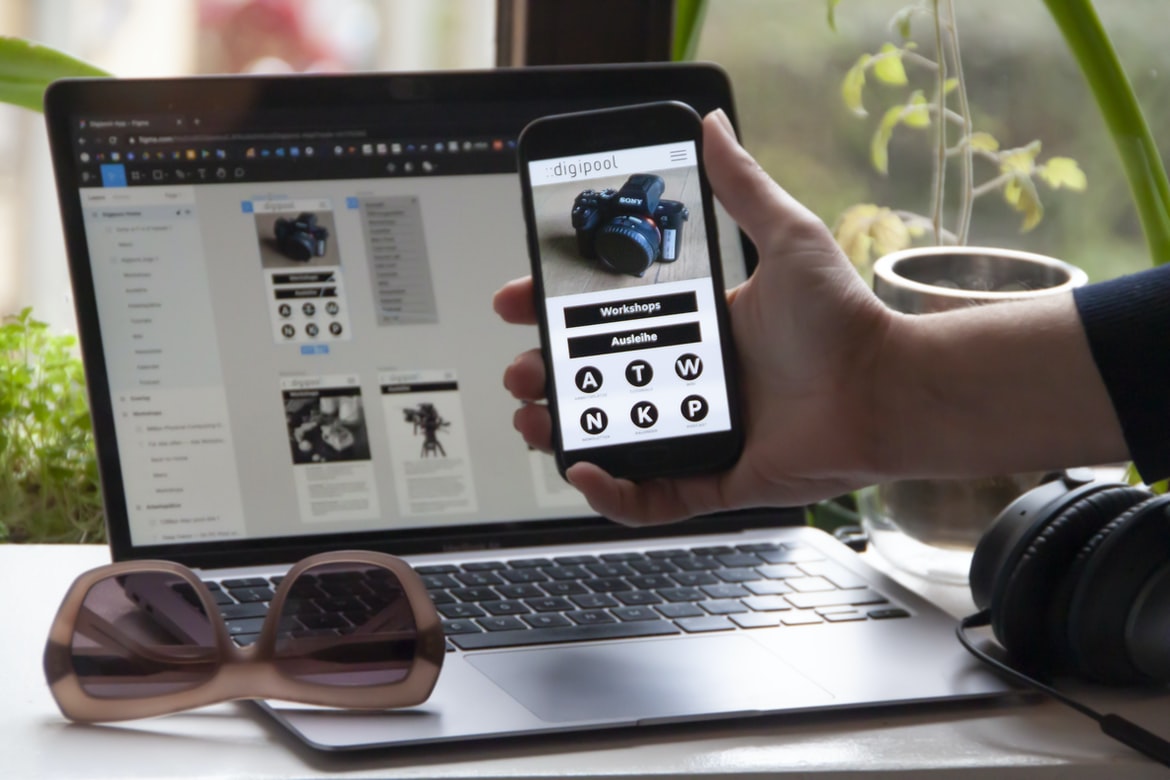
What is Graphic Design?
Graphic design is the process of creating a visual representation of information – typically a document or web page. Graphic designers use typography, images, and layout techniques to create an effective and appealing final product.
Graphic design is an important skill for anyone who wants to create professional-grade visuals. Whether you’re creating a logo, a website design, or anything in between, graphic design can help your work look better and more appealing to the eye.
There are many different types of graphic design, from simple logos and designs to complex web pages with multiple layers of content. Whatever your project may be, a good graphic designer can help you turn your ideas into reality.
How Many Years Of School Do You Need To Become A Graphic Designer? 7-8 months.
Types of Graphic Design: Static, Interactive, Motion Graphics, and Web Graphics
Graphics are an important part of web design, and there are a variety of types of graphics that can be used. Static graphics are designed to be displayed on the web unchanged, while interactive graphics allow the user to interact with them in some way. Motion graphics use animation to create a dynamic effect, and web graphics are typically used for creating graphical elements for websites.
The History of Graphic Design: From Traditional to Digital
The history of graphic design is full of tradition and innovation. From traditional hand-drawn designs to the digital revolution, graphic designers have always been at the forefront of fashioning beautiful and effective displays for businesses and individuals. Here is a snapshot of the different stages in graphic design history:
Traditional: Graphic designers traditionally use manual methods such as drawing, painting, or printing to create displays.
Early Print Media: In the early print media, artists created intricate woodcuts and copperplate engravings that were used for advertising products.
Lithography: Lithography is a printing process that uses an image made on a thin sheet of metal as the printing plate. This allowed for detailed images and more realistic-looking prints.
Mid-20th Century: During the mid-20th century, new digital technologies were developed that allowed for more efficient and creative displays.
The Skills Required for Graphic Design: Creativity, Critical Thinking, Project Management, and Design Principles
Graphic design is a field that requires creativity, critical thinking, project management, and design principles. To be successful in this field, it is important to have strong skills in all of these areas. Here are five essential skills for graphic designers:
In order to be a successful graphic designer, you need to have strong creative skills. You need to be able to come up with new and original ideas for your work. You also need to be able to think critically about your designs and make sure they are effective and pleasing to the eye. For projects that require more than just an idea or two, you need good project management skills. You need to be able to stay organized and keep track of deadlines. Finally, as a designer, you must know about design principles. These include things like balance, colour theory, typography, and layout.
Advice for Beginning Graphic Designers: Research Your Niche, Choose a Creative Style, and Stick to it
If you want to be a successful graphic designer, you need to identify your niche and learn how to design within that particular genre. Once you know what kind of design style works best for your target audience, stick with it! It’s also important to keep up with industry trends so that your work looks current and relevant. Finally, take some time to practice and improve your skills so that you can create high-quality designs that meet the expectations of clients and customers.
The Introduction gives an overview of what graphic design is. It covers the different types of design and their history.
Graphic design is the process of creating a graphic image, typography, or motion graphics for use in print, electronic, or other media. It encompasses a broad range of techniques and aesthetics, from simple signage to intricate film and game graphics. The history of graphic design is intertwined with the development of printing and communication technology, from early manuscripts and early printed books to the computer-generated images that are ubiquitous today. Graphic design has come to encompass a wide range of disciplines—from advertising and marketing to fine art and architecture—and its practitioners can be found in almost every industry.
The Types of Graphic Design section covers static (traditional), interactive (using technology to create a more interactive experience), motion graphics (animations), and web graphics (designing for the web).
What is design language?
The design language is a set of symbols, conventions, and rules that graphic designers use to create visually appealing designs. It can include things like typefaces, colours, layouts, and image treatments. Design language helps designers communicate their ideas quickly and easily. It can also help them create consistent designs across different projects.
Some popular design languages include the grid layout system used by web designers, the typographic style used by magazines and newspapers, and the visual elements of vintage advertising. Each has its own set of rules and conventions that make it look unique.
Designers often use design language to create a more polished look for their work. By using design language correctly, they can avoid giving away too much information about their project or design concepts. This allows them to keep their designs mysterious and intriguing for potential customers or clients.
What is the difference between a design language and a software interface?
A design language is a specific set of vocabulary and conventions used by designers to communicate design concepts to other designers or developers. A software interface, on the other hand, is the overall graphical layout and appearance of a program’s user interface. While both terms can be used interchangeably at times, there are important distinctions to be made between them.
First and foremost, a design language is specific to a particular project or product. This means that it may change over time as the needs of the underlying software or project change. For example, Apple’s iconic “look and feel” of early Mac OS applications was based on their own design language – which differed markedly from the style of later Mac OS applications.
By contrast, a software interface typically remains relatively consistent across different versions or releases of an application or program.
What are some of the major design languages in the market?
There are a number of graphic design languages in the market, each with its own benefits and drawbacks. Here are the most popular ones:
1. Adobe Illustrator is known for its vector-based graphics and user interface, making it a good choice for complex designs. It can be expensive to learn, but it has a large user base and is frequently used in advertising and publishing.
2. InDesign is designed to produce magazine-quality layouts, so it’s well-suited for logos, illustrations, and headings. Although relatively easy to use, InDesign isn’t as powerful as Illustrator and can be more expensive to purchase outright.
3. Photoshop is the de facto standard for digital photo editing, but it’s also popular among graphic designers for its comprehensive tools for creating images and layouts.
How does a design language work?
A design language is a set of rules and conventions that help designers communicate with each other, as well as their clients. It can help to standardize the look and feel of a brand, making it easier for people to understand and use. There are many different design languages out there, but some of the most popular include BEM (Block, Element, Modifier), SMACSS (Scalable Modular Architecture forces System), and Foundation.
What are the benefits of using a design language?
Design languages are a way to improve the communication and understanding of graphic design within a team. By adopting a specific language, designers can focus on shared concepts and ideas, reducing the need for verbal assistance. Additionally, using a design language can help to standardize graphic designs across different projects. Finally, using a design language can help create consistency and quality within an organization’s graphics repertoire.
What are the drawbacks of using a design language?
Design languages are often seen as a way to improve the design of a website or application. However, there are some drawbacks to using them. For example, they can be difficult to learn and use and can lead to inconsistencies in the design of a project.
Is there a “right” or “wrong” way to use a design language?
In the world of graphic design, there is often debate over what is considered a “right” or “wrong” way to use a design language. For some, using a specific style can help to create a cohesive and unified look across an entire project. Others may argue that it’s more important to let the visuals speak for themselves and that any stylistic flourishes should be left up to the discretion of the designer. Ultimately, it’s up to each individual designer to decide what works best for them and their projects.
UI UX Graphic Design
The way a user interacts with a digital product can be greatly improved through the use of effective user interface (UI) UX design. A well-designed UI can make the process of using a product or service more seamless, efficient and enjoyable. In order to create an effective UI, it is important to take into account the target audience, the product’s features and how users will be using it. Additionally, effective UI UX design often employs various visual cues and feedback mechanisms to ensure that users understand what they are doing and know where they are in the process.
UI
There’s no denying that user interface (UI) design is one of the most important aspects of any application. It’s the first thing users see and interacts with, so it needs to be appealing and easy to use. But creating a good UI can be tricky, especially if you’re not familiar with Photoshop or other graphic design software. Here are some tips for creating a great UI using simple tools:
1. Start by sketching out your ideas on paper or in a simple drawing program like Adobe Photoshop. This will help you develop your concepts more thoroughly and get a better sense of how your users will interact with your app.
2. Once you have a basic idea of what you want, start layouting your screens using gridlines and borders to help align elements properly. This will also make sure everything looks consistent throughout the app.
Graphic Design
Graphic design is the process of creating a graphical representation of communication. Graphic designers use both digital and traditional mediums to create designs for print, web, film, and other forms of media. Graphic design requires an understanding of typography, colour theory, layout, composition, and graphics software.
UX
User experience (UX) is the process of creating a satisfactory experience for people using a product. It is the design and development of interfaces and features that make use of human factors, such as ergonomics, to create an optimal experience.
UX should be considered when designing any type of digital product, but it is particularly important when it comes to web applications and mobile apps. Poor UX can lead to frustrated users who abandon a product or, even worse, click on malicious links in an effort to find something better.
There are many different aspects that go into making a user interface (UI) or feature user-friendly. Often times one or more of these factors can be overlooked or underestimated when developing a product, resulting in subpar UX.
What is UX graphic design?
UX graphic design is the process of creating effective graphical representations of a user experience. Graphic designers use visual communication to create interfaces, web pages, and other digital content that meets the needs of users.
UX graphic design encompasses all types of graphics, from logo design to interface layout. The goal is to create a visually appealing product that is easy to use and understand.
There are many different techniques used in UX graphic design, including typography, colour theory, and layout. Every project requires unique considerations, so a graphic designer must be skilled in both traditional and non-traditional design methods.
Graphic designers play an important role in the development of user interfaces for websites and apps. Their creative work can help make products more intuitive and enjoyable to use.
User experience vs User interface
User experience is all about making sure that the user has an enjoyable and smooth experience with the product. This can be done by ensuring that everything from the layout of the interface to the functionality of the features is easy to use and meets user expectations. The user interface, on the other hand, is all about how a product looks and feels. This includes things like font choice, colour scheme, and layout design. Both are important, but each has its own set of guidelines that should be followed when creating a product. Understanding these different aspects can help make a product feel more polished and user-friendly.
UI vs UX Design: What’s the Difference?
“What’s the difference between UI and UX design?” is a question that has been asked by many, but no one really knows the answer. In this article, we will try to shed some light on the topic by defining each term and describing the main difference between these two design disciplines.
UI (User Interface) design is all about creating an interface that is easy to use for humans. This means creating a layout that is simple to navigate and making sure all buttons and icons are labelled correctly.
UX (User Experience) design, on the other hand, focuses on how users interact with your product. This includes research into how people use different devices and formats, as well as how they think about and work with information. It also includes creating features that make the user experience positive and satisfying.
Difference Between UX And UI In Graphic Design
When it comes to graphic design, there is a big difference between the user experience (UX) and the interface (UI). UX refers to how the design looks and feels for users, while UI focuses on how easy it is to use. While both are important, understanding these distinctions can help designers create better products.
To understand UX, designers need to focus on what users will see and do. This includes things like analyzing how users move around a site or app, thinking about what features they’d likely use, and designing accordingly. UI, meanwhile, deals with how a site or app looks on the surface – including things like typography, colours, and layout. It’s important to factor in whether a user will be able to find everything they need right away and if the interface is easy enough for them to navigate.
User Interface Guidelines
Design Guidelines for Graphical User Interfaces
A graphical user interface (GUI) is the visual interface presented to a computer user. GUIs are used in a wide variety of application contexts, including desktop applications, Web interfaces, and mobile apps. In spite of their prevalence, GUIs remain complex and challenging to design. This article provides guidelines for designing successful GUIs.
First and foremost, GUIs should be easy to use. Users need to be able to learn how to use their GUI quickly and easily. Make sure all elements of the GUI are self-explanatory and that no keystrokes are necessary for basic tasks. Also, make sure that users can navigate your UI without having to reference documentation or search through menus.
Second, consider the layout of your GUI. Try to ensure that all elements are readily accessible from anywhere in the UI.
UX Vs Graphic Design
Today, graphic design and user experience (UX) are often seen as two separate disciplines. This is partly because the two fields have evolved differently and partly because the skills required for each vary. But as the world becomes increasingly digital, it’s becoming more important for designers to be able to bridge the gap between their work and how people interact with their products.
UX is all about creating a positive experience for users. This can involve anything from making sure a website looks good on a wide range of devices to crafting helpful instructions that are easy to follow. Graphic design, meanwhile, is all about creating appealing visuals that can help promote a product or idea.
But there’s more than just aesthetics at play here – good UX also takes into account how people use technology and how they interact with the physical world around them.
UI Vs Graphic Design
User Interface (UI) and Graphic Design are two very different mediums with different purposes and goals. UI focuses on the physical experience of the user, while graphic design concerns itself with the visual representation of information. However, there are many similarities between the two fields. For example, both disciplines use layout and typography to convey information to users. Additionally, both disciplines use colour to create a sense of style and harmony within a design.
Despite these similarities, there are also key differences between UI design and graphic design. For example, UI designers typically focus on creating seamless and intuitive user experiences, while graphic designers are typically more focused on creating well-defined images that communicate a message or idea. Additionally, UI designs tend to be more minimalist in nature, while graphic designs often feature elaborate graphics and textures.
Usability And User Experience Design
There is no doubt that usability and user experience are important aspects of Graphic design. A well-designed interface will improve the overall experience for users, making it easier for them to complete tasks and access information. In order to create a usable and enjoyable design, it is essential to take into account a variety of factors, including the user’s physical abilities and limitations, the layout of the interface, and the devices being used.
Motion Graphic Design
Motion graphics design is a unique form of graphic design that uses animation and motion to create a more dynamic and engaging user interface. Motion graphics can be used in a variety of applications, from website designs to logo designs. There are many different types of motion graphics, including animated GIFs, video animations, and 3D illustrations.
Motion graphics can be very creative and effective for creating a more dynamic user interface. They can also be used in a variety of applications, from website designs to logo designs. There are many different types of motion graphics, including animated GIFs, video animations, and 3D illustrations.
User Interface Animation Design
User interface animation often helps to make a user interface more interactive. Changing the appearance of an element on the screen can help to create a more immersive experience for the user. Animations can also be used to help with navigation and to create a more fluid feel to the user experience overall.
There are many different types of animations that can be used in user interface design. Some common examples include transitions, keyframes, and motion graphics.
Transitions are typically used to change between different elements on the screen. They can be simple or complex and can use a variety of effects, such as animation curves or simulations.
Keyframes are similar to transitions in that they allow for changes between different elements on the screen, but they are used specifically for animating individual elements.
Motion Graphics UI UX
Today’s users demand more from their graphical interfaces, and motion graphics have emerged as a powerful tool for delivering those user experiences. In this article, we’ll explore how motion graphics can be used to create a better user experience for your graphical interface. We’ll look at some of the most common uses for motion graphics in UI design and discuss how to create effective designs using motion graphics.
WordPress for Designers
WordPress is a popular content management system (CMS) that is ideal for web designers, who can use it to create beautiful and functional websites. WordPress was created in 2007 by Matt Mullenweg, and since then, it has become the most popular CMS on the internet. There are countless themes and plugins available to make WordPress even more versatile, making it an extremely powerful platform for graphic designers.
WordPress is perfect for creating simple websites or blogs, but its flexibility means that it can be used for much more complex projects. For example, web designers can use WordPress to create e-commerce sites, landing pages, or any type of website that needs a well-organized and easy-to-use backend. Additionally, WordPress is great for creating community websites – especially if you’re looking to build a site with a large following.
WordPress Elementor for Designers
When it comes to designing WordPress websites, there are many plugins and tools available. But for those who want to create a more hands-on approach, there’s Elementor.
Elementor is a drag-and-drop interface that lets you create custom layouts, widgets, and themes for your WordPress site. You can also use Elementor to create custom page templates and manage your site’s content.
If you’re looking for an easy way to get started with graphic design on WordPress, Elementor is the plugin for you.
Figma
If you’re not familiar with Figma, it’s a software that lets users create user interfaces and illustrations. It’s particularly well-suited for creating digital products, such as websites or apps. Figma is easy to use and can be accessed on any device.
The app has been used by companies like Airbnb, Bloomberg, and Buffer. Some of the most popular features of Figma include its vector editing tool and its ability to export illustrations as high-resolution files.
Adobe XD
Adobe XD is the latest graphic design software from Adobe. It is built on the Adobe Creative Suite and is intended for designers who need to create complex graphics, animation, and interactive content.
Some of the features that make XD stand out from other graphic design software include its vector-based drawing tools, embedded video editing capabilities, and ability to work with multiple files at once. Because XD is built on the Creative Suite, it has a wide range of pre-built templates and assets that can be used in your projects.
Overall, Adobe XD appears to be a powerful tool that will appeal to more experienced graphic designers who need something beyond what traditional graphic design software offers. Because it is still in beta mode, there may still be some kinks that need to be worked out before it becomes an Editors’ Choice for all graphic designers.
Visual Communication
Visual communication has become increasingly important in today’s society. Not only is it necessary for businesses and organizations to be able to effectively communicate their messages, but it is also necessary for individuals to be able to easily understand what is being said. This is why effective visual communication requires creativity and skill. There are a number of different ways that visual communication can be used, such as in advertising, signage, web design, and even social media posts.
There are a number of different types of graphic designers who use different types of visuals to communicate their messages. For example, someone who designs advertising might use bright colours and dramatic images to capture the attention of potential customers. Someone who creates signage might prefer simple designs that are easy to read from a distance. Web designers may incorporate graphics into their websites to help users navigate around the site more easily.
What is Visual communication in graphic design?
Visual communication is the process of communicating ideas and messages through graphic design. It can be used to visually represent a company’s brand, mission, and values to customers, potential investors, and other stakeholders. Visual communication can also be used to communicate information about product features, sales figures, service quality, and more.
Visual communication is an important part of graphic design because it allows designers to express themselves in a way that is both visually engaging and informative. By using effective visual communication techniques, designers can help their clients understand their products or services in a way that is easy to understand. Additionally, visual communication can help increase brand awareness and grow customer loyalty.
Application of Graphic Design: Adobe Photoshop, Adobe Illustrator, Adobe InDesign
Graphics design has undergone a drastic change in the past decade with the advent of digital technology. Traditional methods such as Adobe Photoshop, Adobe Illustrator and Adobe InDesign are no longer enough to create professional-looking graphics. Today, designers must also be knowledgeable about various web-based graphic design tools such as Canva and GIMP. In this article, we will discuss the three most popular graphic design software applications—Adobe Photoshop, Adobe Illustrator and Adobe InDesign—and their respective advantages and disadvantages.
Adobe Photoshop
Adobe Photoshop has become the most popular graphic design software in the world. It is a complete suite of software for creating and editing graphics. Adobe Photoshop is used by professional graphic designers, printers, and web designers to create beautiful graphics for their clients or websites. With Adobe Photoshop, you can create logos, flyers, brochures, invoices, and more. You can also use Adobe Photoshop to edit images that you have taken with your camera or scanned in from a document. With Adobe Photoshop, you can customize your images to make them look exactly how you want them to look.
Adobe Illustrator
Adobe Illustrator is the most popular vector graphic design software on the market. It has a wide range of features for designing logos, illustrations, and other graphics. The software is available for both personal and professional use. Some of the key features of Adobe Illustrator include vector editing tools, layer capabilities, text tools, and colour options.
Adobe InDesign
Adobe InDesign is a vector graphic design software used by professional graphic designers. It offers many features, such as creating logos, flyers, and brochures. It’s very versatile and can be used for a variety of purposes.
One of the best things about InDesign is that you can export your designs to many different formats, including PDF, JPEG, AI Illustrator, and EPS. Additionally, it has a wide range of tools that can help you with your graphic design project. For example, you can use the Paths tool to create custom paths or the Type Tool to add text or graphics. Overall, InDesign is a powerful program that any Graphic Design Professional should consider using in their workflow.
Web Design
Web design is the process of creating a visual representation of the content and functionality of a website. One of the most important aspects of web design is ensuring that all content is accessible to viewers, regardless of their screen resolution or viewing device. In order to meet this goal, designers often use various techniques, such as using multiple font types, colour schemes, and layout designs. Additionally, they may employ metadata (tags) to indicate how different elements on a page should be styled. Web design is an important aspect of any website. A well-designed website can help a business to stand out from the competition and attract new customers. There are many different aspects of web design that need to be considered, including layout, graphics, and user interface. A skilled web designer can create a beautiful and functional website that meets the specific needs of your business.
Mobile Graphic Design
Graphic design is an important part of any advertising campaign or website. With so many different devices available, it’s important to make sure your graphics look great on all of them. Here are a few tips for designing mobile graphics:
1. Use simple and geometric shapes.
2. Use bold colours and simple textures to create a strong visual impact.
3. Use fonts that are legible at small sizes, and avoid using complicated lettering or icons.
4. Keep your layouts simple without too much clutter or extraneous information.
5. Use transitions and effects to create a more dynamic appearance on mobile screens.
6. Always test your graphics on a variety of devices to see how they look in different settings and sizes.
Responsive Graphic Design
Responsive Graphic design is the practice of designing graphics that automatically resize and adapt to different devices and screen sizes. This can be done through specific coding or by using media queries. Responsive design allows for a more fluid and user-friendly experience across devices, with no need to adjust layout or style manually.
There are many benefits to responsive design, including increased engagement and more consistent branding across all devices. By implementing responsive design from the get-go, you can ensure that your website looks great on any device – instead of fighting against browser limitations later on. Responsive graphic design is a growing trend that takes advantage of the capabilities of modern web browsers. By creating graphics that adjust to different screen sizes, responsive design allows users to view content in a format that is comfortable for them. This approach has many benefits, including making websites more accessible and improving user experience. Responsive design is not new, but it is becoming more common as websites become more complex and reliant on multimedia.
Design websites
When you design a website, you need to think about the entire experience for your users. This means creating a well-organized and easy-to-use interface that looks great on both desktop and mobile devices. You also need to consider how your website will be used. Will it be used for personal or business purposes? Is it a public site or one that is only accessible by members of a certain group? Once you know these things, you can start designing your website’s layout.
It’s important to think about how people will use your site when designing its layouts and features. For instance, if your site is meant for business purposes, make sure the navigation is user-friendly, and the pages look professional. If you’re creating a personal website, focus on making it fun and easy to navigate. And remember: when it comes to graphics, less is more!
Theory
As a graphic designer, you are likely constantly working with theory. The theory is the foundation on which all design rests, and without it, your work would be incredibly limited. In this article, we will take a look at five of the most fundamental theories to help you in your graphic design work.
Graphic design is in demand.
Graphic design is in high demand these days. With so many people using the internet and devices like smartphones, there is a growing need for good graphic designs. If you have a talent for graphic design, there are many opportunities out there to find work. You can start by looking online or contacting businesses that you think may be interested in hiring a designer. If you don’t have any experience, it’s also possible to take courses or learn from someone who has more experience. Whatever route you decide to take, make sure to keep up your skills and stay up-to-date with the latest trends so that you can be successful in this industry.
Wireframes
Wireframes are a great way to visualize and plan a website before you start designing it. They can help you figure out where your content should go, what colours and styles work best, and how the site should function overall. They’re also a great way to get feedback from others before you start spending too much time on the design.
UX/UI Design Strategies
There are many different ways to approach graphic design. Whether you prefer classic approaches or more modern techniques, here are some UX UI design strategies to help you create beautiful and effective designs.
1. Keep your designs simple and easy to understand.
2. Use typography to convey information effectively and create a strong brand identity.
3. Use colour to add life and energy to your designs, and take care not to overdo them.
4. Be sure to test your designs on a variety of devices and browsers before releasing them into the wild!
5. Always be prepared for feedback – it can be valuable both when refining your work and when finding new inspiration for future projects.
6. Finally, keep in mind that good graphic design is about more than just creating pretty pictures – it’s about making an impact on people’s lives.
UX/UI Design Principles
1. A good user interface should be easy to use and intuitive.
2. The interface should be designed for the users, not the developers.
3. The interface should be responsive and adaptive to different devices and screen sizes.
4. The design should be visually appealing and coherent with the rest of the website or app.
5. The UI design should be consistent across all screens, devices, and languages.
6. Effective user interfaces are often based on feedback from users testing early versions of the product before it is released to the public.
UX/UI Design Techniques
There are many different techniques that can be used when designing user interfaces (UIs). These techniques can be divided into two categories: graphical and non-graphical. Graphical techniques involve using images, icons, and shapes to create a visual layout. Non-graphical techniques focus on the overall appearance of the interface, including colours, fonts, and layout. Both types of techniques have their own benefits and drawbacks.
Graphical Techniques
One popular graphical technique is a classical design. This approach uses simple layouts with few elements to create an organized look. It is suitable for applications that need a basic look but don’t require a lot of features or customization. Another graphical technique is minimalism. This style focuses on reducing the number of elements on the screen to provide a cleaner look.
User Interface Development
User interface design is the process of creating a graphical representation of the user’s interaction with a computer system. This can include everything from designing the layout of screens to developing custom icons and buttons. A good user interface will be easy to use and intuitive while still providing all of the necessary functionality.
One important factor in user interface design is feedback. Ideally, users should be able to see what they are doing and receive feedback as they interact with the system. This can be accomplished through a variety of means, including displaying messages onscreen or providing audible alerts.
User interface design is an essential part of any computer system, and a skilled designer can make even difficult tasks easy to understand. If you’re interested in learning more about this field, consider pursuing a formal education program or taking courses online.
What is the difference between visual branding and other types of branding?
There is a big difference between visual branding and other types of branding. Visual branding is all about creating an image that represents the company or product. This can be done through logo design, web design, and any other marketing materials. Other types of branding, such as verbal branding, focus on what the company or product stands for. Verbal branding can be done through slogans or taglines.
What are the benefits of visual branding?
Visual branding can be a powerful marketing tool for businesses of all sizes. It can help create a distinct image for the company, increase brand awareness, and attract new customers. Here are some of the benefits of visual branding:
1. Visual branding can help create a distinct image for the company. By using eye-catching visuals, businesses can create a more memorable brand that is easier to identify and remember. This increases brand awareness and attracts new customers.
2. Visual branding can increase brand awareness. By making their logo, website, and other marketing materials look good, businesses can draw more attention to their products and services. Thisumentary film-maker Michael Moore popularized the use of graphic design in political advertising with his documentary “Roger & Me.” His visually stunning ads helped get his message across to a wider audience.
3. Visual branding can attract new customers.
Visual branding can attract new customers. In fact, it has been proven that attractive visuals can increase brand recognition by 50 per cent and prompt customers to buy more products. This is why businesses of all sizes are starting to invest in graphic design as a way to stand out from the competition. Here are ways that visual branding can help your business:
1) Create an Identity: One of the first things you need to do when creating visual branding is to establish an identity for your business. This means finding a style that you like and sticking with it throughout all of your marketing materials. By doing this, you will create a sense of cohesion between your online presence and your physical storefront.
2) Design Compelling Merchandise: If you want customers to buy your products, you need to design them well.
What are the different types of visual branding?
Visual branding is the process of creating a unique visual identity for a company or product. There are three main types of visual branding: logo design, brand development, and web design.
Logo design is the creation of a company’s logo. A logo should be simple yet recognizable, and it should reflect the brand’s personality. Brand development involves developing a complete marketing campaign around the logo. Web design focuses on creating an attractive website that represents the brand well.
What is the difference between visual branding and traditional brand design?
Visual branding is a type of branding that uses visual elements to communicate a company’s message. This can include everything from the logo and colours to the graphics used on the website and packaging. In contrast, the traditional brand design focuses on creating a consistent look and feel for an entire company, from the marketing materials to the actual physical buildings. While both techniques can be helpful in developing a strong image for a business, visual branding is typically more focused on creating an individualized experience for customers, while the traditional brand design is more concerned with establishing trust and credibility with potential customers.
When you are trying to build a relationship with your potential customers, credibility is key. It can be difficult to earn the trust of someone who is unfamiliar with your business, but it is essential in order to build a lasting connection. There are several things you can do to improve your credibility and make yourself more attractive to potential customers.
First, make sure that your company’s image is consistent with the message you are trying to send. If you are selling a product that helps people feel better, make sure your website and marketing materials reflect that. Similarly, if you are selling a product that makes things more efficient or stylish, make sure your website and advertising depict this accurately.
Second, be honest and straightforward with your customers from the start. Let them know what they are buying and how it will benefit them.
1. Graphic design is the process of creating visual communication for an intended audience.
2. Graphic designers use different types of media to create effective visuals, from photography and illustration to typography and motion graphics.
3. Today’s graphic designers are required to have a strong understanding of web design and software programs like Inkscape and Adobe Photoshop.
4. Graphic designers must be able to think creatively and come up with solutions that meet the needs of their clients.
Graphic designers must be able to think creatively and come up with solutions that meet the needs of their clients. This skill is important because it allows them to create a unique visual identity for their clients, and it can also help them solve problems. Graphic designers often need to be able to understand what their clients want and need, as well as be able to come up with creative solutions that meet those needs. They also need to have excellent communication skills, as they will often need to work with other members of the team (such as product managers or engineers) in order to create a successful design.









