

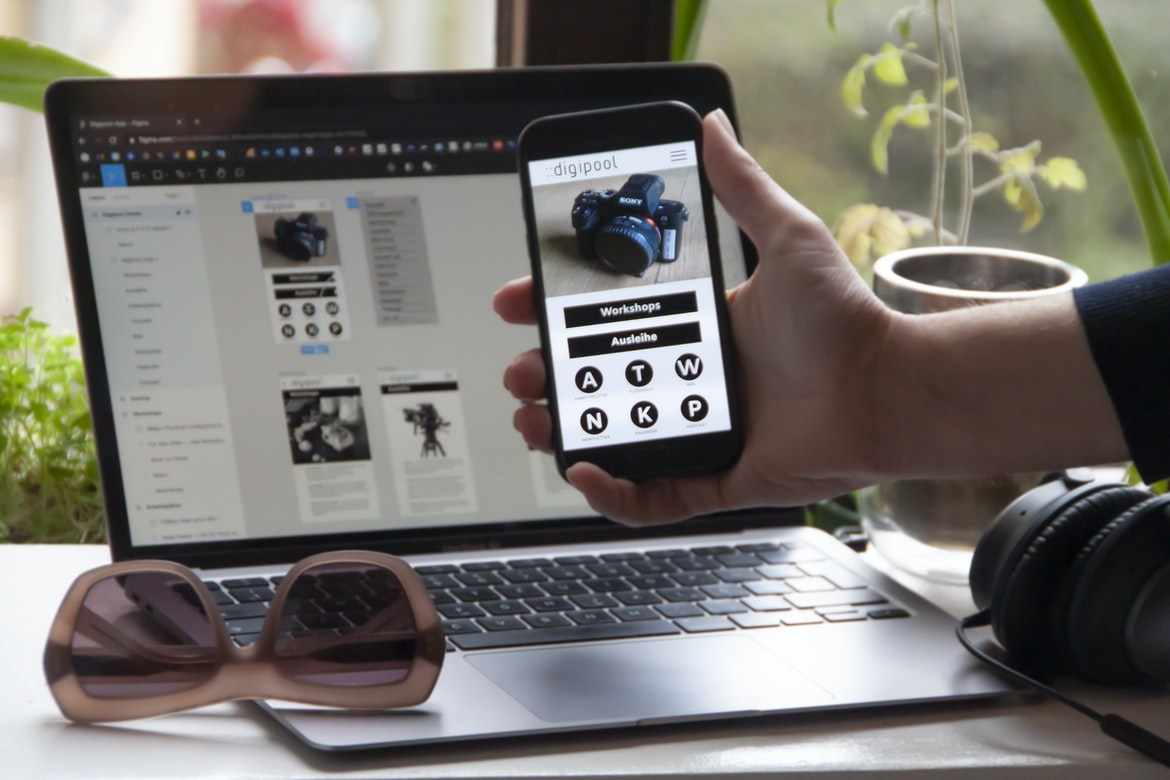
How do users interact with different types of user interfaces?
In the current era of technology, users are constantly bombarded with various types of user interfaces. However, which type is best for a particular task? A study has found that users prefer interface designs that use circular white spaces and simple lines.
A major difference between user interfaces and other types of interfaces is the way users interact with them. User interfaces are designed to provide a single point of access to information, while other types of interfaces allow for multiple points of access. This difference has a big impact on how users interact with different types of user interfaces.
User experience – what are the different elements that make up a good user experience?
User experience is the overall experience that a user has while using a product or service. Different elements make up a good user experience, such as the user interface, the features of the product, and how well users feel when using it.
User experience refers to the various elements that make up a good user interface (UI). Elements that can make a UI unpleasant or unenjoyable include errors, poor organization, and ambiguous menus. User experience is important because it affects how users interact with products and services. A bad user experience can lead to customer dissatisfaction and lost business.
Graphic design – how do you create a user interface that is both effective and stylish?
Designing a user interface is one of the most important aspects of graphic design. In order to create an effective and stylish user interface, you first need to understand how users interact with your software. By understanding this, you can create an interface that is both effective and stylish.
A user interface is one of the most important elements of a computer system. It must be easy to use and look professional while still providing the necessary functionality. To create an effective and stylish user interface, designers must first understand how users interact with their systems. User experience (UX) is the way users interact with a system, and it affects everything from design to accessibility. In this article, we will explore different UX concepts and how they can be applied in designing a user interface.
How do you create a successful user experience for your business?
User experience (UX) is the experience your end users have with your product or service. User interface (UI) is the design of the user interface, which includes the layout and design of all elements that a user must interact with to use your product or service. A successful UX/UI design requires skills in both areas and combines them to create an effective user experience.
User experience is a critically important part of any business. If your users don’t have a positive experience with your product or service, they will likely quit and never come back. In order to create a successful user experience for your business, you first need to understand the different types of user experiences and how to design them effectively.
User Interface Guidelines
The study of user interface design (UiD) has gained increasing attention in recent years as a means of improving the user experience (UX) of websites and mobile applications. While there are many different ways to approach UiD, common techniques include using wireframes, prototypes, and user studies.
While the use of these techniques can provide a good starting point for designing an effective UX, it is important to ensure that they are used in a responsible way and are not simply used as a way to create designs that look good on paper but may also be difficult or impossible to use in practice. It is also important to consult with other stakeholders when creating an UiD strategy, such as users, developers, and front-end designers.
UX Vs Graphic Design
User experience (UX) and graphic design (GDD) are two important design disciplines that often go hand in hand. UX is the design of interfaces and user experiences, while GDD is the design of everything from typography to graphics. While there are a number of different ways to approach UX and GDD, they both have their advantages and disadvantages. Here are reasons why UX has more potential than GDD:
1. User experience is king: UX is the most important factor when it comes to customer engagement. Every decision made by a company will impact how satisfied its customers are, and without a good user experience, it’s hard to convert those dissatisfied customers into paying customers. While GDD can be used in tandem with UX, it can be its own stand-alone entity if done poorly.
2. It s about the user, not the technology: UX has a specific language with which to communicate. GDD, by contrast, is a set of tools and methodologies that can be used in any context.
UI Vs Graphic Design
UI vs Graphic Design: A Comparison
When it comes to user experience, there is no clear right or wrong answer – it depends on your specific needs and wants. However, when it comes to designing a UI, there are two main types of designs that you may encounter: graphical or conventional.
Graphic design is typically used for simpler designs and is more straightforward than conventional design. It features smooth lines and simple shapes, making it easy to understand the overall goal of the design. Because of its simplicity, graphic design can be replicated easily in different forms and can be reused multiple times across different websites or applications.
Conventional design is designed for more complex designs and takes more time to create. It features more elaborate shapes and lines, making it harder to follow the overall goal of the design.
Usability And User Experience Design
How do you design experiences that are both usable and enjoyable? One way to achieve this is through user experience (UX) design. UX designers create the user interface (UI) and facilitate interactions between users and systems. In order to create an effective UX, it is important to understand the user’s needs and wants. In this article, we will look at three different types of UX designs: functional, contextual, and social. Functional UX designs are those that focus on making the system easy to use or navigate. Contextual UX designs take into account the user’s surroundings in order to determine what type of input is needed for a task or action. Social UX designs consider how users interact with each other in order to improve customer service or engagement rates.
Motion Graphic Design
motion graphic design is the design of graphics that communicate information or express an idea. Motion graphic designers use a variety of tools and techniques to create convincing graphics that help convey messages and ideas. Some common tools used by motion graphic designers include Adobe Photoshop, Illustrator, Inkscape, and GIMP.
User Interface Animation Design
Animation design is a critical part of user interfaces. In many cases, the animation must be pleasing to the eye and easy to understand. This article will examine the different types of animation used in user interfaces and how they can be designed to meet users’ needs.
An animation is a design tool that can be used to improve the user interface of applications. Animation can be used to create visually appealing and efficient user interfaces. Animation is often designed to improve readability, navigation, feedback, and usability while still providing a professional appearance.
Motion Graphics UI UX
Motion Graphics UI UX is a question that faces graphic designers and developers every day. In which design style should a user interface be designed? Is it self-explanatory, or does the user need more help understanding what is going on? How do you make a simple interface look complicated and intimidating?
In this article, we will take a look at how motion graphics UIUX can be designed in an easy-to-understand way, with examples to show you how. By following these tips, you can create an interface that looks great but also provides enough information for your users.
WordPress for Designers
Designers, if you’re looking to build a successful WordPress blog, it’s time to look at user experience (UX) and design. UX is the way users interact with your site, and while there are many different techniques that can be used, three main techniques are fixed or responsive design, typography, and images.
WordPress Elementor for Designers
Designers need not be afraid of using WordPress to build user interfaces. In this article, we will compare the user experience of two popular design frameworks, Elementor and Sass. Elementor is a powerful open-source development platform that developers can use to create HTML, CSS, JavaScript, and more. It has a well-defined API and is easy to learn for first-time designers. On the other hand, Sass is an oversimplified but powerful design framework that designers can use to create HTML, CSS, JavaScript, and more quickly. Its simple syntax makes it ideal for people who are new to design.
Figma
Figma is a free graphic design software that allows users to create and edit professional user interfaces. The software has been downloaded millions of times and has been used by many companies, including Apple, Microsoft, and Google. Some people are concerned about the quality of the user interface created with Figma.
Adobe XD
Adobe XD is a new program that focuses on making user experience and graphic design more alike. While it is still in beta, it has already made a big impact on the graphic design industry. Adobe XD is essential to any designer who wants to be successful in the field.
Visual Communication
Graphics design is the process of designing visual elements, including characters, objects, logos, and icons for a piece of art. It can be used to create designs for advertising, websites, and marketing materials. While there are many different types of graphic design, user experience (UE) graphics design is the most common type and can be used in a number of ways to improve the user experience.
What is Visual Communication in graphic design?
Visual Communication is the process of creating aянджелирующий свойства реального вида, являющегося результатом одной (или большой) структуры нанесения порядками, формами, темпами, для удовлетворения иных зад
Application of Graphic Design: Adobe Photoshop, Adobe Illustrator, Adobe InDesign
Graphics design is a critical component of any online or offline marketing campaign. It can help create a site’s visual identity or add intrigue and excitement to user interfaces. In this article, we will take a look at the different types of graphic design applications available and how they can be used in an online or offline marketing campaign.
Graphics design is an important part of online marketing and can help improve user experience. When using graphic design, it is important to consider the user experience. User interface design is also important, as it should be easy to use and look good.
Adobe Photoshop
Adobe Photoshop is a powerful photo editor that has been used for centuries. It is often used by graphic designers to create logos, illustrations, and pictures. Adobe Photoshop also has a user interface that is easy to use.
Adobe Illustrator
Adobe Illustrator is a powerful graphic design program that is used by many professional graphic designers. It has a user interface that is easy to use, and it is also very easy to learn. However, some people have found the program to be difficult to learn and use.
Adobe InDesign
Adobe InDesign is a free program that enables designers to create professional-looking graphics. While there are many options for creating designs, the user interface (UI) is the most important part of a design. Some trials found that users were frustrated with Adobe InDesign’s UI.
Web Design
Web design is a critical part of any website. It designs the look and feel of the site, as well as how users are able to interact with it. While user experience (UX) is important, in some cases, it may be more important to use aids User Interface (UI) design when creating a website.
While both UX and UI can be difficult to learn, they are essential for designing websites that will work for everyone. If you don’t know how to use both types of design, your website may not be successful.
User experience (UX) is important, but sometimes it may be more important to use aside UI designs when creating a website. User interfaces are often designed with different needs in mind than just providing an easy browsing experience. For example, many websites target people who are visually impaired or have other special needs.
Mobile Graphic Design
When it comes to designing for mobile devices, there is a lot of difference in what you need to consider. For example, when it comes to user experience (UX), you’ll want to think about how easy your users are going to be able to use your product. User interface (UI) can also be important when it comes to improving the overall user experience. However, both design and UI should be considered in equal measure when trying to create a good user experience on a mobile device.
Creating a user interface that is both effective and appealing to users is one of the most important aspects of graphic design. Mobile devices are often used for quick and easy browsing, so it is important that the user experience on these devices is as good as possible. Some studies have shown that user interfaces designed for mobile devices are more effective than those created for traditional desktop computers.
Responsive Graphic Design
When it comes to user experience, graphic design is an important factor that can make or break a website. So, what’s the best way to approach the design of a website while keeping the user’s needs in mind?
In some cases, responsive graphic design may be the better option. A responsive website is designed so that it adapts to different device sizes and resolutions. This will allow for a more personalized experience for users on different devices and devices with different browsers.
One advantage of responsive graphic design is that it can be updated quickly and easily without having to go through coding steps. This makes it ideal for websites with a high number of pages or for those who want to update their designs often. Another advantage is that it offers a variety of options when it comes to designing templates and elements.
Design websites
There is a lot of debate as to what makes a great design website. But whether user experience or interface is more important to you? If so, it’s time to learn about both!
Design is all about understanding the needs of your target audience and meeting them where they are. User experience (UX) is important for creating an effective user experience that will Draw in customers and keep them returning. So, how do you create an effective UX for your website?
Two main factors are the design and layout of the site. The first needs to be intuitive and easy to navigate. Second, the site should be visually appealing with good typography and colour selection. User experience is all about making users feel comfortable and happy on your screen. You don’t want users feeling like they have to take some extra steps just to get their desired outcome.
Typography
Typography is a vital part of any user interface. It can make or break a website, and it can help you communicate your message to your users in a way that’s easy to read and understand. But how do you choose the right typeface for your message? And which ones are the best for your target audience?
Typography is the selection, arrangement, and use of type. There are a number of different types of typography that can be used in different contexts. Some common types of typography include headlines, body copy, tables of contents, and footers.
Theory
The study found that user experience (UX) was the most important factor when designing a graphical design for a website. In order to create an effective UX, designers should consider how users will be using the website and what problems they may encounter. Other factors such as layout, typography, graphics, and images should also be considered in order to match the style of the website.
Colour Theory
User experience (UX) is the design of how users interact with a system. User interface (UI) is the design of how users see and interact with a system. In order to create a successful UX/UI project, the designer must have knowledge of colour theory in order to understand how colours affect user experience and UI. Colour theory is important because it helps designers understand why certain colours work well in specific situations and how to use them effectively in user interfaces. By understanding colour theory, designers can create user interfaces that are both effective and pleasing to look at.
User interfaces (UIs) are the interface that users see and use to interact with a system. They can be effective or pleasing to look at, depending on how they are designed and implemented. Designers can create user interfaces that are both effective and pleasing to look at.
An effective user experience (UCE) is pleasing to look at and allows users to interact efficiently with the system. The design of a UCE should be tailored specifically to the needs of the user and should be an enjoyable experience for everyone involved.
User Interface Development
User interface design is the process of designing a user interface for a computer system. Some common user interface designs include windows, menus, buttons, and checkboxes. User interface design is important because it affects how users interact with a computer system.
User interface design is a critical part of any software development project. Whether you’re creating a simple, basic user interface or building an entire system, it’s important to make sure your design meets the needs of your users. While different user interfaces are designed for different types of users, there are some common principles that can be applied to all user interfaces.









