

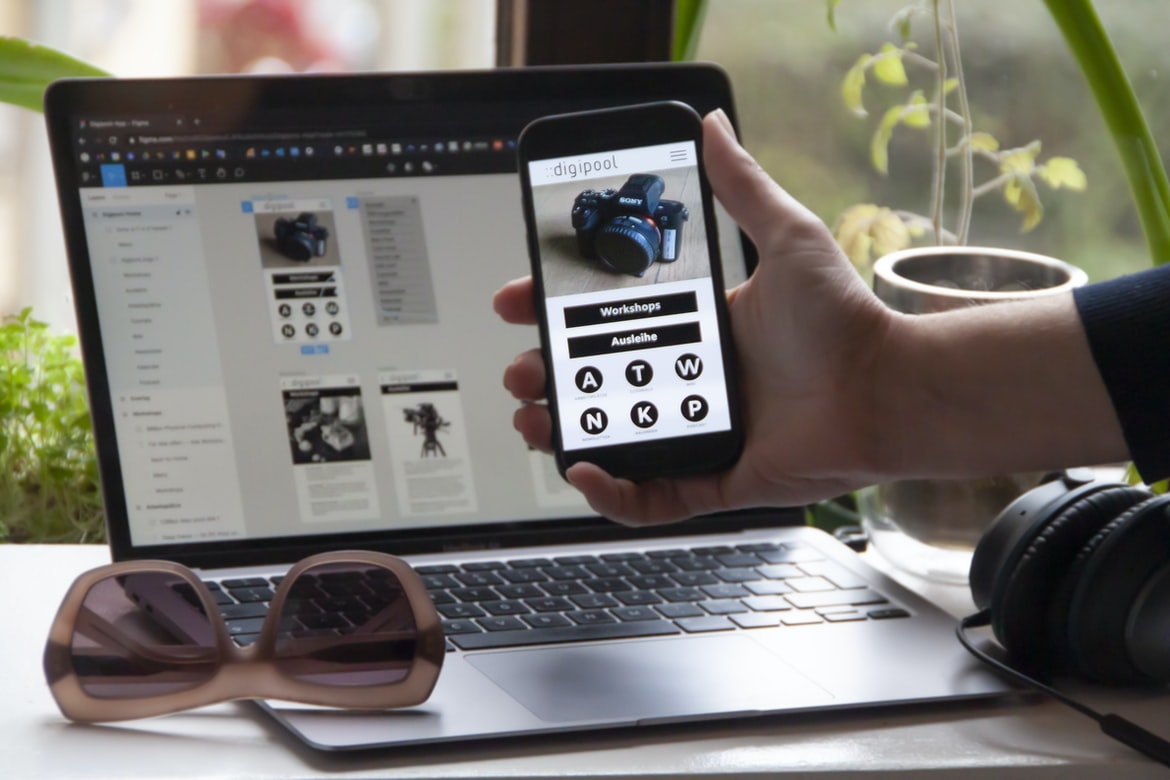
What is user experience, and what is the user interface?
User experience (UX) is the totality of a person’s interaction with a product or service. It encompasses both the physical and emotional aspects of the user’s experience. User interface (UI) design is the process of creating an effective and desirable user experience by designing the look, feel and operation of a product or service. A well-designed UI can make a huge difference in how people interact with a product or service.
Characteristics of good user experience:
1. Good user experience is about creating a positive experience for users. It can involve making the interface easy to use and feedback responsive while also taking into account the overall design of the product.
2. Factors that make an interface easy to use include clarity of purpose, navigation, and organisation. Feedback should be immediate and consistent so that users know what actions they are taking and whether their expectations have been met.
3. Good user experience is not only about looks; it’s also about functionality. Designs that are effective from a usability standpoint may not be aesthetically pleasing to some people, but they will be more effective in meeting users’ needs.
4. In order to create a good user experience, it’s important to take into account the entire product—from its design down to the smallest detail.
Characteristics of good user interface:
User interfaces must be easy to use and attractive to look at. They should also be responsive and fast. They should provide accurate information, and they should be error-free. User interfaces that are well-designed will make users happier and more productive. Here are some key characteristics of good user interfaces:
User interfaces can be categorised in different ways, but some key characteristics are that they are easy to use, look good, and are tailored to the task at hand. In order to create a good user interface, designers must first understand the user’s needs. For example, if a user is trying to fill out a form, the interface should be simple and straightforward. If the user is looking for information about a product, the interface should be aesthetically pleasing and include helpful visuals. Good user interfaces also take into account the users’ environment. For example, if a user is using a computer at home, the interface might be designed differently than if they are using it at work. Overall, good user interfaces are easy to use and look good while still being functional.
The trade-offs between user experience and user interface:
There are a number of trade-offs that must be made when designing user interfaces between the experience users want and the design constraints imposed by the user interface. A recent study looked at these trade-offs in detail and analysed how different design choices could affect users’ satisfaction with a product.
The study found that when it comes to user satisfaction, there is no one right way to achieve it. For example, while creating a smooth and visually appealing interface can increase satisfaction among experienced users, it may not do as well with new or inexperienced users. In fact, some inexperienced users may even become frustrated because they don’t understand how the interface works.
In contrast, making an interface less visually appealing can actually lead to dissatisfaction among experienced users. They may find it difficult to understand or use the product due to its lack of aesthetics.
What should be the priorities when designing a graphic design?
Designing a graphic design is an important and complex process. The graphic designer should take into account both user experience and user interface when designing a logo, website, or application. There are several different priorities that the graphic designer should consider when designing:
-Functionality: The graphic design should be functional and easy to use.
-Aesthetics: The design should be attractive and look professional.
-Clarity: The layout of the design should be clear and concise.
-Responsiveness: The design should be responsive to changes in the user’s environment or device.
What is user experience, and how does it differ from user interface?
User experience is the overall perception a user has of their interactions with a product or service. It can be divided into two main categories: user interface and user experience.
The user interface is the physical or logical elements of a product that allow users to interact with it. User experience, on the other hand, is the overall feeling a user has while using a product or service. It covers everything from how users feel about the appearance of the product to how smoothly their interactions flow.
There are many different factors that go into creating a good user experience, but one of the most important is layout design. A good layout will make it easy for users to find what they’re looking for and navigate around the interface without having to search through long lists of options or scroll through complicated screens.
Definition of user experience
1. User experience is the overall experience that a person has with a product or service. This can encompass everything from how easy it is to use the product to how satisfied the user feels after using it.
2. User interface design is the process of creating a user experience that looks and feels appealing. It involves creating an interface that is both easy to use and visually appealing.
3. Both user experience and user interface design are important in designing products and services that users will enjoy using. They must work together to create an effective product or service that meets the needs of all stakeholders, including the customer, company, and team members involved in developing it.
4. There are many different factors that go into creating an enjoyable user experience, including layout, colour, graphics, typography, and overall design style.
User interface: Definition and types
User interface (UI) designs have become increasingly important as the internet becomes more widespread. The ever-growing number of devices with different user interfaces and operating systems presents designers with a challenge: how can users interact with a website or application in an efficient and effective way?
There are three main types of user interfaces: graphical, navigational, and interactive. A graphical user interface (GUI) is composed of static images that users interact with by clicking on them or pressing buttons. A navigational user interface (NUI) uses menus and arrow buttons to move around the site. An interactive user interface (IUI) uses touch screens, voice commands, and other forms of input to allow users to control the site directly.
Each type has its own advantages and disadvantages.
When it comes to choosing which type of design is best for your project, user experience (UX) and user interface (UI) are both important considerations. Each has its own advantages and disadvantages. Here are key points to keep in mind when making your choice:
1. UX is more important than UI when it comes to creating a successful product. A well-designed user interface can be detrimental to a product’s UX if it’s too complex or difficult to use. Conversely, a poorly designed user interface can frustrate users and ultimately damage the brand image of a company or product.
2. UI can be more visually appealing than UX, but this doesn’t always translate into better usability overall. Comparison between user experience and user interface
Benefits of good user experience
User experience is the sum total of a person’s interactions with a system. It can be summarised by five key factors: user interface, feedback, satisfaction, use and learning. User interface design is the process of creating a graphical representation of systems that users will interact with. Feedback is the communication to users about their interactions with the system and how it affects their satisfaction. Use is how often users engage with the system and learn from it. Satisfaction is how happy users are with their experiences and how likely they are to return to use the system in the future. Good user experience leads to increased customer loyalty and improved business outcomes.
WordPress for Designers
WordPress is a popular content management system (CMS) used by designers to create and manage their websites. WordPress is easy to use and has many features that make it optimal for web design. WordPress also makes it easy to create custom themes, which can give your website a unique look and feel.
WordPress Elementor for Designers
WordPress Elementor is a powerful tool for designers who need to create graphical designs for WordPress websites. The interface is straightforward and easy to use, making it a great choice for novice designers as well as experienced ones. Additionally, the plugin provides a wide range of features for designing websites, including custom post types and custom taxonomies.
Figma
A study was conducted comparing user experience, and user interface graphic design. The study found that user interface graphic design is more important than user experience when it comes to designing a website. User interface graphic design involves creating an appealing and visually appealing user interface. User experience, on the other hand, focuses on providing an easy-to-use and satisfying experience for users.
Adobe XD
Adobe XD is a vector graphic design program that has been gaining popularity in the industry due to its user interface and user experience. Adobe XD has several features that make it an attractive option for graphic designers, such as its ability to create custom shapes, fonts, and effects. Additionally, users can save their designs in multiple file formats, including PDF and AI.
Visual Communication
Research has consistently shown that good visual communication results in a better user experience. User interface (UI) graphics are one way to improve the look and feel of a product, and they can have a significant impact on how users interact with it. In this article, we’ll explore some of the differences between user experience and UI graphics, discuss some tips for creating effective visuals, and offer some examples of successful graphic design.
User experience is all about making sure that users have an enjoyable experience using your product. This includes everything from ensuring that the menus are easy to navigate to ensure that the user interface looks appealing. UI graphics are one way to help make this happen.
There are many different factors that can affect how users interact with your product, so it’s important to take into account all of them when designing graphics.
What is Visual communication in graphic design?
Visual communication is the use of images and graphic design to create a message. Visual communication can be used in any form of design, including web, print, and advertising. The goal of visual communication is to create a message that is easy to understand, attractive to look at, and effective in reaching its audience.
There are many different types of visual communication, including typography, layout, colour theory, image composition, and motion graphics. Each type of visual communication has its own set of principles and techniques that should be used in order to create an effective message.
Typeface: Typefaces can be used for both text and graphics. Choosing the right typeface can make a huge difference in the overall look and feel of a piece of design. When selecting a typeface for text-based designs, keep in mind the purpose for which it will be used.
Application of Graphic Design: Adobe Photoshop, Adobe Illustrator, Adobe InDesign
Graphic design is an essential part of any website or application. When creating a user experience, it is important to consider both the user interface (UI) and the user experience (UX). The two are often different, and designers must find a way to create a cohesive design that meets the needs of both groups. In this article, we will explore the differences between these two concepts and see how graphic designers can apply them to their work.
User Interface: User interface refers to how easy it is for users to interact with a product or service. It includes everything from the visual layout of a page to the menus and toolbars available. A well-designed UI makes it easy for users to find what they need and use the product correctly.
User Experience: User experience refers to how pleasant and satisfying it is for users to use a product or service.
Adobe Photoshop
In today’s graphic design industry, the use of Adobe Photoshop is commonplace. Photoshop has become the industry standard for creating graphics and UI layouts. However, the question still remains as to whether or not Photoshop is the best tool for the job. In this paper, we will compare user experience vs user interface graphic design using Adobe Photoshop.
Adobe Illustrator
Adobe Illustrator is a powerful vector graphic design program that allows users to create sophisticated illustrations and graphics. With its user interface, Illustrator can be intimidating for new users, but the experience of using the program can be rewarding. Here are tips for improving your user experience with Illustrator:
1. Make sure you have an understanding of the basic functionality of Illustrator before starting any projects. Familiarity with the program’s menus and toolbars will make navigating through it much easier.
2. Use keyboard shortcuts whenever possible to speed up your workflow. For example, pressing Ctrl + J to put a line join between selected objects will save you time compared to clicking between them one at a time.
3. Try to work with as few layers as possible when designing graphics – this will make them easier to manage and update in future edits.
Adobe InDesign
Adobe InDesign is a popular desktop graphic design application used to create layouts and graphics for publication. Its user interface (UI) can be quite complex and overwhelming to new users, while its performance may not be up to par with more modern applications. A recent study comparing the experiences of InDesign users with different levels of experience found that the most satisfied users were those who had acquired some proficiency using the application. The study also found that the UI was less important than the user’s proficiency in using it and that overall satisfaction was highest among those who were able to produce high-quality work quickly.
Web Design
Web design is an important part of creating a website. The user experience and the graphical design of a website are both essential to its success. User experience refers to how easy it is for a visitor to navigate the website and find what they are looking for. Graphic design refers to the overall look and feel of the website, including the layout, colour scheme, and images.
There are several factors that go into creating a successful web design. First, it is important to consider the user’s needs. What tasks will visitors be able to complete on the website? How easy will it be for them to find what they are looking for? Once you know these things, you can start designing the interface accordingly.
Another important factor is consistency. This means making sure all elements of the website look and feel consistent regardless of where they are on the page or screen.
Design websites
Design websites should prioritise user experience over graphical design. This is a growing trend in the web design world, and it’s important to consider that users are not only looking at the looks of your website but also at how it works. User interface (UI) graphic design should be simple and easy to understand without sacrificing functionality. When creating a website, think about how users will interact with it—from navigating through menus to clicking links. Remember that not all users will have the same level of experience or understanding when interacting with your website, so make sure you design for as many different types of users as possible.
Typography
There is no question that typography can play a huge role in the user experience (UX) of a website or application. Some simple changes to how text is displayed can make all the difference in how users interact with your site. In this article, we’ll look at some tips for enhancing your user interface with typography.
1. Use Fonts With Different weights and Sizes
One of the most basic ways to improve the look and feel of your text is to use different fonts with different weights and sizes. This will help break up long paragraphs into easier-to-read chunks, add variety to headings and other important pieces of text, and add emphasis where it’s needed.
2. Use Different Fonts for Headers, Paragraphs, and Titles A good rule of thumb is to use different fonts for headings, paragraphs (or blocks of text), and titles.
Theory
User experience vs user interface graphic design has been debated for years. The two fields have different goals, and often times their methods conflict with one another. This article will explore the reasons behind this conflict and whether or not it’s necessary.
Colour Theory
Colour theory is the study of the psychological effects of colour. In general, different colours have different psychological effects, which can be beneficial or harmful. For example, blue is calming and relaxing, while orange is stimulating and energising. Colour theory can also be used to design user interfaces and websites. By understanding the different psychological effects of colours, designers can create a more pleasing experience for users.
Graphic design is in demand.
A recent study conducted by job search site Indeed.com has found that graphic design is in high demand, with a projected growth of 16% over the next few years1. This demand can be attributed to the increasing popularity of digital media, which necessitates well-designed and user-friendly interfaces. In addition, as technology advances and our lives become more connected, users are increasingly demanding innovative and engaging graphics.
As a result, graphic designers are in high demand across many industries. According to the study, graphic designers who specialise in user experience (UX) will be especially in demand over the next few years. This is because UX design focuses on creating an optimal user experience by understanding customer needs and desires. Additionally, good UX design ensures that all users can access and use content effectively, no matter their skill level or device type2.
Wireframes
Wireframes are a type of design that focuses on the structure and organisation of a website or application before any graphical elements are created. They can be used to improve clarity and communication among team members, as well as to determine the required features and layout.
While user experience (UX) designers may prefer more graphical designs, wireframes often provide an essential framework for creating intuitive, coherent interfaces. By breaking down complex tasks into flows and screens, they can help teams better understand how users interact with their products. Additionally, wireframes can be easily updated as changes occur in the project or the user base is explored.
As digital products become increasingly complex, having a clear vision from beginning to end will ensure success. By using wireframes as part of the process, teams can create detailed designs that are both effective and efficient.
UX/UI Design Strategies
1. User experience and user interface graphic design are two important aspects of web design. They both play a role in creating a positive user experience, which can encourage users to stay on your site longer and return again.
2. To create a great user experience, it’s important to understand the user’s needs and wants. You can do this by studying their behaviours and looking at the way they interact with your site.
3. In addition to understanding the user, it’s also important to consider the design trends that are popular right now. By using popular trends, you can create an engaging and visually appealing website.
4. Finally, remember that a good user interface doesn’t stop with graphics; it also includes functionalities such as menus, buttons, and CTAs (click-through rates). User experience (UX) design is all about creating a user interface that is intuitive and easy to use. The goal is to create an experience that makes the user feel in control and confident when using the product. In order to achieve this, UX designers must consider a variety of factors, including the layout of the UI, the colour scheme, and the typeface used.
One common strategy for improving usability is to use graphics that are easy to understand. By simplifying elements and grouping them together, users will be able to more easily understand how to use the product. Another strategy is to use whitespace wisely. By leaving some areas empty or removing unnecessary clutter, users will have more room to focus on the task at hand. Finally, it’s important for UX designers to keep in mind the user’s cultural background.
UX/UI Design Principles
User experience (UX) and user interface (UI) design are two important aspects of web design. UX is about creating an enjoyable and efficient user experience, while UI focuses on the look and feel of a website or app.
There are many principles that should be followed when designing both user experiences and user interfaces. The following eight principles are key to achieving a successful UX/UI:
1. Use feedback loops
A feedback loop is a system where users can provide feedback about the functionality and appearance of your site or app. This allows you to continuously improve the design based on the input of your users.
2. Make it easy to find what you’re looking for
Make sure all content is easily searchable and accessible. This will help users find what they need quickly and easily, leading to a better user experience.
3. Be consistent in your design consistency is the key to a successful design. Users will interpret information differently depending on the context and how it’s presented, so be sure to use clear and consistent design language throughout your site/app.
UX/UI Design Techniques
UXUI design techniques are essential to creating a user interface that is both visually appealing and effective. By understanding the different techniques available, you can create an interface that is both easy to use and engaging.
1. Use Contrasting Colors and Patterns
One of the easiest ways to make an interface stand out is by using contrasting colours and patterns. This can be done simply by using two different colours or shades next to each other or by using a pattern that is different from the rest of the design. This can help users find what they are looking for more quickly, and it will also make the interface more visually appealing.
2. Use Clear Hierarchies
Users need clear hierarchies in order to understand how things work.
Users need clear hierarchies in order to understand how things work. This is especially important when using graphical interfaces, as the layout of the interface can be confusing without a clear hierarchy. In a study by Michel Gauvin and Jérôme Bouchard, participants who were shown a graphical interface with unclear visual hierarchy experienced more difficulty understanding how the interface worked than those who saw a more hierarchical interface. This was due to the fact that hierarchical interfaces are easier to navigate because they provide clearly defined paths between different elements. By presenting users with an easily navigable hierarchy, designers can make their interfaces more user-friendly and easier to understand. User experience (UX) is about creating a clear hierarchy for users to understand how things work. This means creating a layout that is easy to navigate and follows specific design principles, such as keeping content close to the user and using icons or other visual cues to make it easier to understand. User interface (UI) design is also important in providing a consistent experience for users. By following certain layout and design principles, UI designers can create an intuitive and visually appealing experience for users.









