

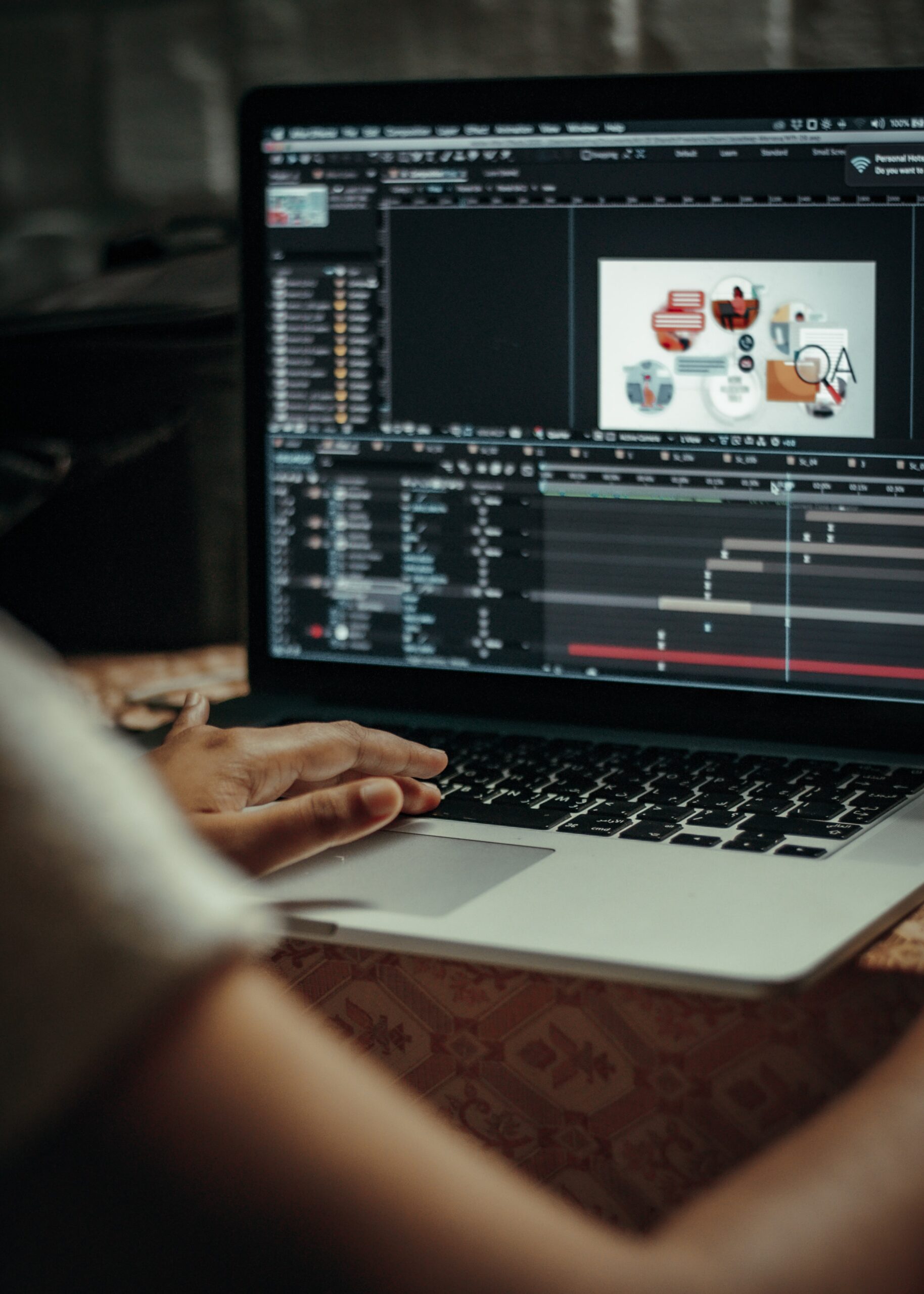
Graphic Design Skills 3D Animation
Graphic design skills are important for many reasons. They can be used to create beautiful works of art, or to communicate a message effectively. Graphic designers often use their skills to create 3D animations. These animations can be used to explain a concept, or to entertain viewers.
3D animations are created by combining two-dimensional images, or by manipulating three-dimensional objects. Animators must have a strong understanding of the principles of animation, and must be able to use software programmes such as Adobe After Effects.
Introduction: What is graphic design?
Graphic design is the art or profession of combining text, pictures, and ideas into a visual representation, such as a book, advertisement, or website.
A graphic designer may use typography, visual arts, and page layout techniques to create visual compositions. Common uses of graphic design include corporate design (logos and branding), editorial design (magazines, newspapers, and books), wayfinding or environmental design (signs and displays), web design, communication design (advertising and marketing), product packaging, and point-of-purchase displays.
Graphic designers must be able to communicate with clients, other designers, printers, etc., in order to produce a successful final product. They must also be able to work within deadlines and budget constraints.
Graphic design skills for 3D animation
In the ever-changing landscape of animation, one thing has remained constant: the importance of strong graphic design skills.
Whether you’re creating storyboards, concept art, or designing characters and backgrounds, your designs need to be both visually appealing and reflect the overall tone of the project.
Fortunately, there are a few key principles that can help you create stunning visuals for your 3D animation projects.
Firstly, make use of shape language to convey emotion and meaning in your designs. Secondly, use colour boldly and creatively to add interest and appeal. And finally, don’t be afraid to experiment with different textures and patterns to give your graphics an extra edge.
By following these simple tips, you can ensure that your 3D animation project will have all the right ingredients for success.
The importance of learning graphic design
Graphic design is a process of creating visual communications, typically through the use of typography, photography, iconography and illustration. The field is considered a subset of visual communication and communication design, but sometimes the term “graphic design” is used synonymously. Graphic designers create and combine symbols, images and text to form visual representations of ideas and messages. They use typography, colour, imagery, space and composition to create original designs that convey messages or present information.
Graphic designers must be able to communicate effectively with clients and other designers to understand the client’s needs and develop designs that meet their objectives. They must have an understanding of the latest software programmes and technology so that they can create designs that are not only aesthetically pleasing but also functional.
The benefits of graphic design in 3D animation
Graphic design and 3D animation go hand-in-hand. A strong foundation in graphic design can help you create better 3D animations. Here are some of the benefits of having strong graphic design skills when creating 3D animations:
- You’ll be able to create more realistic designs. If you have a good understanding of composition, colour, and other design principles, you’ll be able to create animations that look more realistic and professional.
- You can communicate your ideas more effectively. Good graphic designers know how to communicate their ideas clearly and concisely. This is especially important when working on team projects where clear communication is essential for success.
- You’ll have an easier time problem-solving. Graphic designers are trained to think creatively and come up with solutions to problems quickly.
The basics of graphic design
Graphic design is the process of creating visual content to communicate messages. The field of graphic design covers a wide range of topics, from advertising and marketing to web design and user experience.
Designers use a variety of tools to create visual representations of ideas, including typography, iconography, colour, and texture. In order to be successful, designers must have a strong understanding of the principles of visual communication.
Some of the most important principles of graphic design include hierarchy, balance, contrast, and unity. By understanding these principles, designers can create visually appealing and effective designs.
The different types of 3D animation
3D animation is created using a variety of software programmes and techniques. The most common type of 3D animation is known as CGI or computer-generated imagery. This type of animation is created using computers and special software programmes that allow the user to create realistic images or animations. Other types of 3D animation include stop-motion, which is an animation technique that uses physical objects that are moved in small increments between frames, and rotoscoping, which is a process where live-action footage is traced frame by frame to create realistic animations.
How to create graphics for 3D animation
When it comes to creating graphics for 3D animation, there are a few things you need to keep in mind. First, you need to make sure that the graphics you create are high quality and second, they need to be properly formatted for 3D animation. Here are a few tips on how to create graphics for 3D animation:
- Use high quality images: When creating graphics for 3D animation, it is important to use high quality images. This is because the images will be used in a three dimensional space and they need to look realistic. To get high quality images, you can either purchase them from stock image websites or you can create them yourself using graphic design software.
- Format your images properly: In order for your images to be properly rendered in a 3D space, they need to be formatted correctly. You can find information on the appropriate format for your images at the software developer’s website.
- Import your images into the software: If you purchased stock images, you will be able to import them directly into the software. Otherwise, you will need to use graphic design software to create your own images and then import them into the 3D modelling software.
Graphic design skills are essential for 3D animators
Graphic design skills are essential for 3D animators. Graphic designers create the overall look of a project, including the characters, scenery, and objects within the animation. They also design the user interface for animated projects.
A successful 3D animator must be able to take the concepts created by graphic designers and turn them into moving images. This requires a strong understanding of colour, light, and composition. Animators must also be able to create both realistic and stylised images.
While some animators do have formal training in graphic design, it is not always necessary. Many animators are self-taught or have learned through on-the-job training. However, having at least some knowledge of graphic design principles will help you create better animations.
Graphic design: Typography
Graphic design and typography go hand-in-hand. A graphic designer must have a keen eye for detail and a passion for creating beautiful and cohesive designs. A strong understanding of typography is essential in order to create stunning visual compositions.
There are a few key things to keep in mind when working with typography. First, always consider the hierarchy of your text. What is the most important information that you want to communicate? This should be given prominence through font choice and size.
Second, always create contrast between different elements. This will help to add interest and visual interest to your design. Finally, always consider readability. The goal is to create something that is visually appealing but also easy to read and understand.
With these tips in mind, you can start experimenting with different fonts and styles to create amazing graphic designs!
Graphic design: Layout
Graphic design is the process of visual communication through the use of typography, photography, iconography and illustration. The field is considered a subset of visual communication and communication design, but sometimes the term “graphic design” is used synonymously. Graphic designers create and combine symbols, images and text to form visual representations of ideas and messages. They use typography, colour and page layout techniques to create visually compelling designs that convey complex information quickly and effectively.
Layout is a critical component of graphic design. A well-designed layout can communicate your message clearly and effectively, while a poorly designed layout can confuse or even repel your audience. The layout of a document or website should be carefully planned to ensure that all elements work together to support the overall goal of the design.
The most important thing to remember when designing a layout is to keep it simple.
Graphic design: Imagery
Graphic design and 3D animation go hand-in-hand. The former is responsible for the overall look of the image, while the latter brings it to life.
Graphic designers use their creativity and technical skills to come up with designs that communicate a message or tell a story. They often work closely with clients to understand their needs and come up with concepts that meet their objectives.
3D animators take those concepts and turn them into moving images. They use computer software to create three-dimensional models of characters, environments, and objects. Then, they add movement and other visual effects to bring the scene to life.
Working together, graphic designers and 3D animators can create amazing visuals that can be used in advertising, films, video games, and more.
Graphic design: Colour
Colour is an important aspect of any graphic design. It can set the tone of your design and help communicate your message. When choosing colours for your design, keep in mind the psychological effects that colours have. For example, red can denote danger or excitement, while blue can be calming or serene. Use colour to your advantage in order to create the desired mood for your design.
Graphic design: Animation
Graphic design and animation are both rapidly growing industries with a lot of overlap. Many graphic designers are learning 3D animation, and vice versa.
The skills required for each discipline are similar, but there are some key differences. Graphic designers need to be able to create visual concepts, using computer software or by hand, that communicate ideas that inspire, inform, and captivate consumers. They develop the overall layout and production design for various applications such as advertisements, brochures, magazines, and corporate reports.
Animators, on the other hand, create motion graphics and visual effects for television, movies, video games, and other forms of media. They use specialized computer programmes to create the illusion of movement from static images or models. Animators must have a strong understanding of timing, rhythm, and storyboarding to produce their work.
How to design amazing graphics that’ll make your website pop
When it comes to making your website pop, few things are more important than amazing graphics. Graphic design is a critical component of web design, and can make or break the overall look and feel of your site.
Thankfully, there are a few simple tips you can follow to ensure your graphics are always on point. First and foremost, always use high-quality images. This may seem like a no-brainer, but it’s worth repeating. Blurry or pixelated images will immediately give your site a amateurish appearance, so make sure all of your graphics are crisp and clear.
In addition to using high-quality images, be sure to choose visuals that complement the overall tone and theme of your website. Vibrant colours and busy patterns may look great on some sites, but can appear garish and out-of-place on others.
3D printing: Tips for beginners
With the ubiquity of smartphones and tablets, many people are now interested in 3D printing. Here are a few tips for beginners who want to get started with this technology:
- Choose the right 3D printer. Not all 3D printers are created equal – some are better suited for small objects while others can handle larger projects. Do your research to find the best printer for your needs.
- Learn the basics of 3D modelling. If you want to create your own designs, you’ll need to learn how to use a 3D modelling programme like Blender or Cinema 4D. There are plenty of tutorials online to help you get started.
- Don’t be afraid to experiment. 3D printing is all about trial and error – so don’t be afraid to experiment with different materials, colours, and shapes.
Animate your world – Tips and tricks for creating stunning animations
3D animation is a process of creating three-dimensional moving images in a digital environment. The key to creating beautiful animations is to have a strong understanding of the principles of animation and to be able to apply them in your work. Here are some tips and tricks for creating stunning animations:
- Start with the basics. If you’re new to 3D animation, start by learning the basics of the software you’ll be using. In general, you’ll need to learn how to create 3D objects, how to animate them, and how to render your final animation. There are many excellent tutorials online that can help you get started.
- Pay attention to timing and spacing. Timing and spacing are important aspects of any animation, but they’re especially important in 3D animation. When timing your animations, you should consider not only the movement of the character but also the background and any other elements in the scene.
- Don’t overdo it. The more complex an animation is, and the more elements there are in a scene, the longer it will take to render.
Reasons to study graphic design
Graphic design is a field with many specialities and sub-disciplines, from advertising and branding to information design and user interface (UI) design. As a result, there are many reasons to study graphic design. Here are just a few:
- To learn the skills needed for a specific graphic design speciality or sub-discipline. Whether you want to be a web designer, an advertising art director, or a UX designer, studying graphic design can give you the foundation of skills you need for success in your chosen area.
- To develop a strong portfolio. A well-crafted portfolio is essential for any job seeker in the creative industries, and studying graphic design can help you build one that will impress potential employers.
- To better understand the role of visual communication in our world. Understanding graphic design can help you better understand the role of visual communication in our society. Understanding how to communicate visually is a crucial skill for any professional in today’s world.
What makes a good graphic designer?
A good graphic designer is someone who can create visual concepts, by hand or using computer software, to communicate ideas that inspire, inform, or captivate consumers. They develop the overall layout and production design for various applications such as advertisements, brochures, magazines, and corporate reports. A certificate in graphic design or a related field is usually required.
The ability to think creatively is perhaps the most important quality a good graphic designer must possess. To be successful, they must be able to come up with original ideas that appeal to their target audience. They must also be proficient in several types of software programmes used for designing and have excellent communication skills.
An understanding of the latest trends in design is also important, as is the ability to work within strict deadlines.
What is the difference between graphic design and 3D animation?
Graphic design and 3D animation are both creative fields that involve the use of computers and software to create visual images. However, there are some key differences between the two disciplines.
Graphic design is focused on the creation of 2D images, while 3D animation involves the creation of moving, three-dimensional images. Graphic designers use their skills to create logos, illustrations, and layouts for print and web-based media. 3D animators, on the other hand, use their skills to create characters and objects that move and interact in a three-dimensional space.
Another key difference between graphic design and 3D animation is the way in which they are created. Graphic designers typically work with static images, while 3D animators must first create a series of individual frames or “keyframes” before they can animate their creations.
Computer graphic design: From 2D to 3D and animation
Computer graphic design has come a long way from its humble 2D beginnings. With the advent of 3D and animation, designers now have a whole new world of possibilities to explore.
3D animation enables designers to create realistic, lifelike images that can be used for a variety of purposes, from product visualisation to architectural rendering. By understanding the principles of light and shadow, designers can create animations that are truly jaw-dropping.
With the help of computer graphic design, we are now able to see things in a whole new light. No longer restricted by the limitations of two dimensions, we can now explore the world in all its three-dimensional glory. Thanks to this new technology, the sky is literally the limit when it comes to what we can create.
How graphic design has changed with technology
Graphic design has changed a lot in recent years with the advances in technology. With the advent of computer-aided design (CAD) and graphic design software, the graphic designer’s tool-kit has expanded exponentially.
No longer limited to pen and paper, or even Photoshop and Illustrator, today’s graphic designers can create amazing 3D designs and animations using programmes like Cinema 4D and After Effects. And with the rise of Augmented Reality (AR) and Virtual Reality (VR), we’re only just beginning to see what’s possible in the world of graphic design.
Of course, technology is not only changing the tools that graphic designers use, but also the way they work. With more and more businesses moving online, many graphic designers are now working exclusively in digital formats.
Join Blue Sky Graphics online graphic design and motion graphics course to learn more today!
Blue Sky Graphics is excited to offer an online graphic design and motion graphics course! This course is perfect for those who want to learn more about graphic design and how to create stunning visual effects.
The course will teach you the basics of graphic design, including typography, colour theory, and composition. You will also learn about animation techniques, such as keyframing, interpolation, and easing. By the end of the course, you will have a strong understanding of how to create beautiful graphics that move. Join Blue Sky Graphics online graphic design and motion graphics course to learn more today!









